
Gas leaks pose serious risks in residential and commercial settings. Research shows that more than 40% of gas-related incidents are due to leaking systems. With gas leak sensors becoming crucial for safety, the market is predicted to grow significantly. According to Dr. Emily Roberts, an expert in gas safety technology, “Investing in reliable gas leak sensors can save lives and property.”
Effective gas leak sensors not only detect leaks but also enhance overall efficiency. The best models can locate even minute leaks and provide immediate alerts. This capability minimizes damage and ensures rapid response. However, not all sensors are created equal. Some models may lack precision or have delayed responses, which can lead to critical failures in emergencies.
As technology advances, consumers must stay informed about the latest gas leak sensors. It is vital to choose devices that comply with safety standards. The right sensor can be invaluable. Yet, mistakes in selection can lead to serious consequences. Research and expert recommendations can guide consumers in making knowledgeable decisions regarding gas leak sensors.
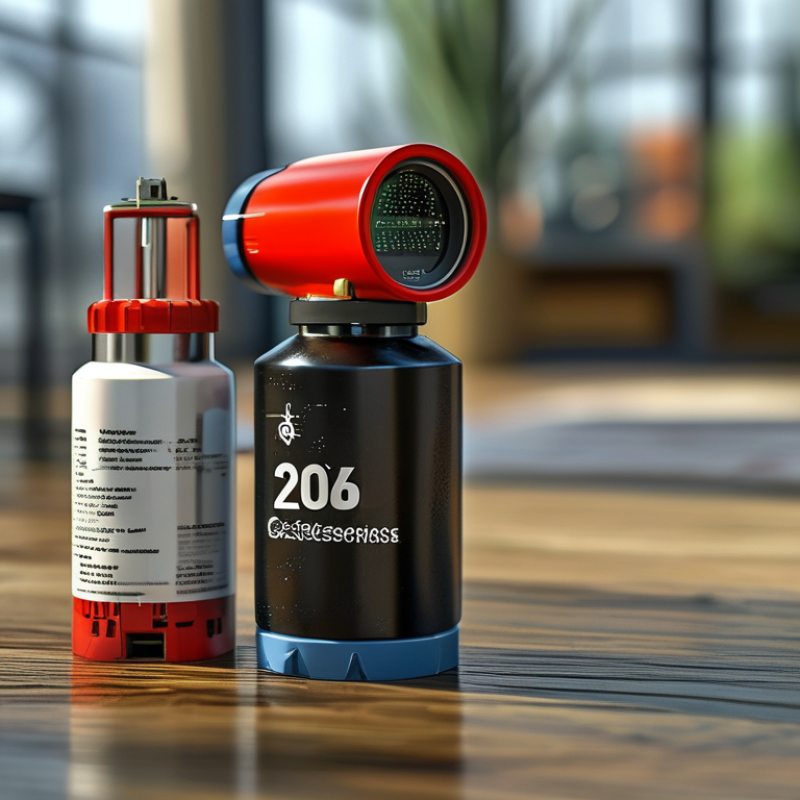
In 2026, several types of gas leak sensors are available, each tailored for specific needs. These sensors vary in technology and sensitivity. Electrochemical sensors are common for detecting combustible gases. They utilize chemical reactions to sense gas presence. These sensors are effective but may require frequent calibration.
Another type is the semiconductor sensor. These devices measure changes in electrical resistance when exposed to gas. They are affordable and versatile. However, they can be less sensitive to low gas concentrations. A 2023 report indicated that semiconductor sensors account for about 35% of the market share due to their low cost and ease of use.
Photoionization detectors (PIDs) offer high sensitivity for volatile organic compounds. They can detect very low levels of gases. Reports show that PIDs are increasingly used in industrial applications. Their reliability is crucial in preventing hazardous situations. However, these sensors can be expensive and complex to maintain.
As technology evolves, new sensor types may emerge. The focus remains on enhancing safety and efficiency. Potential users need to evaluate their requirements carefully. Understanding each type's strengths and weaknesses is vital for effective gas leak detection.
When choosing a gas leak sensor, several key features stand out. Sensitivity is crucial. Look for sensors that can detect even minor gas leaks. A highly sensitive sensor will respond promptly, minimizing safety risks. Many models include adjustable sensitivity settings, allowing customization based on your environment.
Durability is another important factor. Gas leak sensors should be built to last. Opt for devices made from robust materials that can withstand harsh conditions. Battery life also matters. Choosing a battery-operated sensor with long-lasting power ensures steady performance. Some devices offer alerts for low battery levels, adding an extra layer of safety.
Connectivity can enhance usability. Sensors that integrate with smart home systems provide real-time notifications. This feature allows for quick actions in emergency situations. However, reliability may vary among models. Research user reviews and expert evaluations for insights. Making an informed choice can improve both safety and efficiency in gas leak detection.
| Sensor Type | Detection Method | Response Time (Seconds) | Operating Temperature (°C) | Battery Life (Years) | Features |
|---|---|---|---|---|---|
| Electrochemical | Chemical Reaction | 5 | -10 to 50 | 3 | Wi-Fi Connectivity, Mobile Alerts |
| Infrared | Optical Sensing | 2 | -20 to 60 | 5 | LCD Display, Temperature Compensation |
| Catalytic | Combustion Reaction | 3 | -10 to 40 | 2 | Alarm System, Dust Filter |
| Semiconductor | Conductivity Change | 1 | -10 to 50 | 1 | Compact Design, Easy Installation |
When it comes to ensuring safety at home or in industrial settings, gas leak sensors play a crucial role. A comparative analysis of the leading models reveals key differences in functionality and effectiveness. Some sensors excel in sensitivity, while others stand out for their response time. The best choices integrate advanced technology for quick detection of harmful gases, providing peace of mind.
Many sensors also feature user-friendly interfaces. Ease of use is vital; users should not struggle to understand alerts. Regular maintenance is another aspect to consider. Some devices require frequent calibration, while others are more hands-off. Not all systems offer similar durability, making longevity a significant factor in purchasing.
Many models include additional features, such as smartphone notifications. This integration enhances safety by allowing real-time monitoring. However, users must be wary of false alarms, which can occur with less sophisticated devices. It's essential to weigh the importance of accuracy against other features. In the search for the best gas leak sensors, prioritizing reliability and practicality will ultimately lead to better safety outcomes.
When it comes to gas leak sensors, proper installation and maintenance play a crucial role in ensuring safety and efficiency. According to the U.S. Department of Energy, roughly 12% of residential energy consumption involves gas. Thus, detecting leaks promptly can save money and prevent dangerous situations.
Proper installation requires placing sensors near potential leak sources, like stoves or heating systems. It's important to follow manufacturer guidelines carefully. Ensure sensors are mounted at appropriate heights. For instance, natural gas rises while propane and methane sink. The positioning can significantly impact detection efficiency.
Regular maintenance is equally important. Check sensors monthly to ensure they are functioning correctly. Dust and debris can obstruct sensors, leading to false alarms or missed leaks. Consider replacing batteries biannually to maintain optimal performance. However, if a sensor has been triggered, it must be tested more rigorously. If uncertain, consult a professional for thorough checks. Inadequate installation or neglecting maintenance can undermine safety, leaving homes vulnerable to gas hazards.
Gas leak sensors play a critical role in enhancing safety in residential and commercial spaces. Real-life applications highlight their importance. In many households, users report feeling safer knowing that a sensor can quickly detect gas leaks. According to a report by the National Fire Protection Association, gas leaks are responsible for over 15% of all home fires. This statistic underscores the necessity of having reliable gas detection systems in place.
User experiences indicate that timely alerts from gas leak sensors can make a difference. One survey found that 78% of respondents felt more secure when using these devices. Some users noted that their sensors provided alerts even before they could smell gas, showcasing effectiveness. However, not all experiences are positive. Some sensors are reported to have false alarms, which can lead to unnecessary anxiety and mistrust.
Additionally, the reliance on these sensors should come with caution. A study by the American Gas Association reveals a 20% failure rate in older models of gas leak sensors. Regular maintenance and testing are essential to maximize their functionality. While technology has improved, users should remain vigilant and not solely depend on these devices for safety. Real, informed user input remains a key aspect of understanding their performance in everyday situations.
: Look for high sensitivity to detect minor gas leaks. Adjustable settings help customize sensitivity for your environment.
Durable sensors are built to last and withstand harsh conditions. This ensures they perform effectively over time.
Long-lasting battery life ensures steady performance. Some sensors alert you when battery levels are low, adding safety.
Yes, many sensors integrate with smart home systems. This feature allows for real-time notifications during emergencies.
Reliability varies among models. It's important to read user reviews and expert evaluations to make an informed choice.
Many users feel safer with gas leak sensors. However, some report false alarms, leading to anxiety and mistrust.
Regular maintenance is essential. Testing helps maximize functionality and ensures the sensor operates effectively.
No, though they enhance safety, users should remain vigilant. Don't depend solely on sensors for gas leak detection.
Gas leaks account for over 15% of all home fires, underlining the need for reliable detection systems.
Older models have a 20% failure rate, highlighting the importance of using updated technology for safety.
In 2026, the landscape of gas leak sensors has evolved significantly, offering various types designed to enhance safety and efficiency in both residential and industrial settings. The article outlines key features to consider when selecting gas leak sensors, such as sensitivity levels, alarm systems, and connectivity options. A comparative analysis highlights the best available sensors, detailing their performance and reliability.
Additionally, the guide provides essential installation and maintenance tips to ensure optimal function and longevity of gas leak sensors. Real-life applications and user experiences emphasize the importance of these devices in preventing hazardous situations and give insight into their effectiveness in everyday use. Overall, gas leak sensors are crucial tools for safeguarding environments against potential gas leaks, underscoring their value in contemporary safety measures.
