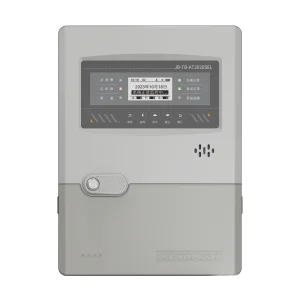
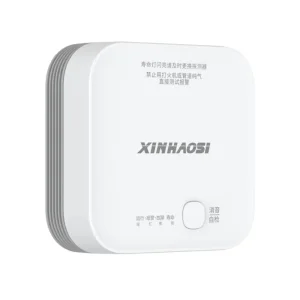
Explore our industrial-grade power boxes, advanced interlock controllers, and input/output routing devices essential for systematic functional safety loops.
In modern industrial complexes, hazardous areas, and municipal gas transmission matrices, gas and flame detection loops are only as reliable as their weakest links. While detectors capture the environmental concentrations of combustible gases (such as methane, propane, or LPG) or toxic vapors (such as H2S or CO), it is the auxiliary product infrastructure—power control boxes, logic interlock couplers, isolated input/output switchboards, and digital gateways—that executes safety protocols.
Globally, regulations governing heavy industries (including chemical processing, marine vessels, and municipal subterranean tunnels) mandate rigorous adherence to standards such as IEC 61508 / IEC 61511 (Functional Safety). Under these directives, Safety Integrity Level (SIL) ratings dictate the performance criteria for auxiliary networks. A failure in a low-voltage power box or an interlock relay panel directly impacts the Average Probability of Failure on Demand (PFDavg) for the whole Safety Instrumented System (SIS). As globally aligned factories upgrade from traditional field wiring to digitalized protocols, auxiliary hardware must serve a dual purpose: ensuring robust power integrity and converting raw analog signals into actionable IIoT diagnostics.
Under our corporate design statement, "X Represents the Unknown Risks, and X Represents the Next-Gen Safety Technology," Xinhaosi Electronic Detection Technology Co., Ltd. (founded in 2003) focuses on transforming unseen molecular dangers into digital visibilities. Unknown risks are the silent accumulations of combustible gases in an underground cable shaft, structural fatigue on a high-pressure natural gas line, or minor valve leaks in a domestic boiler room.
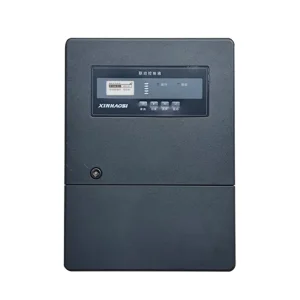
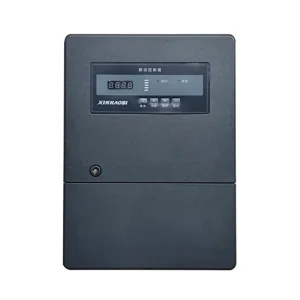
Next-generation safety technology counteracts these risks by incorporating automated isolation, localized intelligence, and optical/acoustic warning sirens. By engineering components like the JB-MK-AT2041X series, we ensure that detection devices can automatically lock down solenoids, start exhaust blowers, and trigger isolated control lines immediately. This mitigates risks without waiting for centralized DCS interventions, thereby minimizing response latency in explosive atmospheres.
Analyzing key structural trends shaping the development, manufacturing, and sourcing of safety-critical auxiliary products globally.
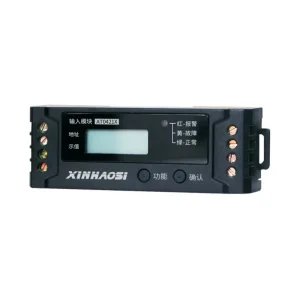
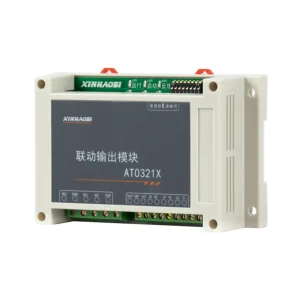
Traditional safety engineering relied on running massive copper multi-conductor cables back to a central control room. Modern systems leverage localized input/output devices (such as the OEM AT0421X Input and AT0321X Output units) positioned directly in the field. This reduces installation costs, minimizes EMI/RFI noise pickup over long distances, and enables immediate localized loop feedback.
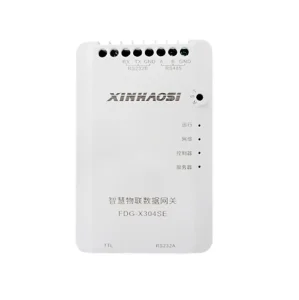
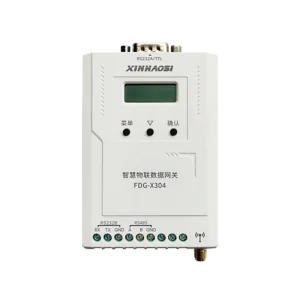
With the deployment of Intelligent Data Gateways like the FDG-X304, industrial managers are no longer blind to micro-fluctuations in gas levels. These gateways act as translation matrices, bridging legacy Modbus/RS485 physical loops with standard Ethernet, 4G, or fiber networks. Data points can be uploaded to Cloud Management Systems for predictive maintenance schedules.
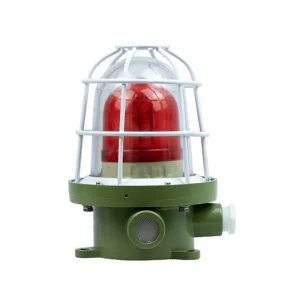
Explosion-proof optical and acoustic alarms (e.g., BBJ-24X and BJX-22E) are critical in gas processing plants, chemical storages, and grain elevators. Auxiliary suppliers must design enclosures that prevent internal sparks or thermal build-ups from propagating into surrounding atmospheres, adhering strictly to Ex d IIB T6 Gb or Class I Div 1 compliance parameters.
Many standard suppliers cut corners by using common-ground reference designs across low-voltage power units and I/O couplers. In long-distance industrial wiring, this creates ground loops that can induce phantom alarms or burn out expensive controller components during lighting strikes. Xinhaosi auxiliary systems incorporate complete 1.5KV galvanic and optoelectronic isolation across all communication line ports, assuring system resilience and preventing cascade circuit damage.
How auxiliary modules integrate across municipal, heavy-industrial, and residential deployments.
Underground utility shafts are prone to accumulation of toxic wastewater gases and explosive methane. These zones demand continuous monitoring without local human supervision.
System Integration: By pairing the GT-AT0616/0617 Series Underground Combustible Gas Monitoring Devices with a centralized JB-TB-AT2020SEL Controller, municipalities establish automated surveillance nodes. If combustible concentrations cross the lower explosive limit (LEL) threshold, the localized JB-MK-AT2041X Interlock Box immediately actuates pneumatic isolation dampers and activates explosion-proof exhaust fans, venting out gases before a combustible mix can form.
Refining columns operate under high pressures and extreme temperatures. A gas leak here can lead to cataclysmic damage.
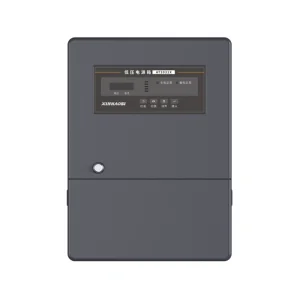
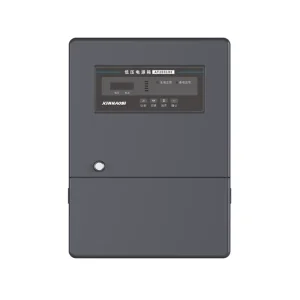
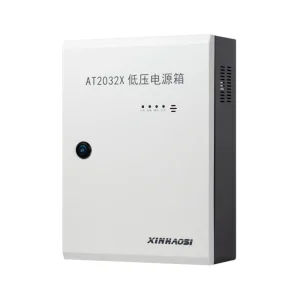
System Integration: Gas detectors monitor critical flanges, while FDG-X304SE Intelligent Data Gateways collect continuous real-time PPM levels. The gateway translates data to the central SCADA system. If a sensor reports a leak, the system triggers BJX-24E Explosion-proof Light and Sound Alarms. The AT2032X Low Voltage Power Box ensures continuous operation during emergency power changeovers, keeping shut-off valves energized.
Hotel kitchens, commercial boiler rooms, and shopping malls use natural gas networks that pose safety risks to the public.
System Integration: A typical setup uses AT2031X Power Boxes to supply isolated 24VDC loops to domestic/commercial detectors. These connect to a JB-MK-AT2042X Interlock Box, which connects directly to the building's emergency gas solenoid valve. When gas is detected, power to the solenoid is immediately cut off, stopping the fuel supply at the main header, while triggering a fire alarm panel interface signal.
Modern residential complexes utilize centralized gas distribution networks, which require reliable detection at the appliance level.
System Integration: The JT-AT2018 / JT-2028 / JT-AT2058 Series Household Combustible Gas Detectors are installed in kitchen utility channels. These detectors connect to the building’s smart home system or a centralized monitoring station. In the event of a leak, they trigger an internal buzzer, close the local safety valve, and send an alert to the property manager through an IP network bridge.
Our ongoing research and development path addresses emerging technologies in industrial internet structures, smart sensing, and failsafe designs.
Complementary auxiliary products for smart data routing, warning displays, and automated valve manipulation.
Keep up with Xinhaosi’s latest technical releases, cross-border e-commerce activities, and global matching conferences.
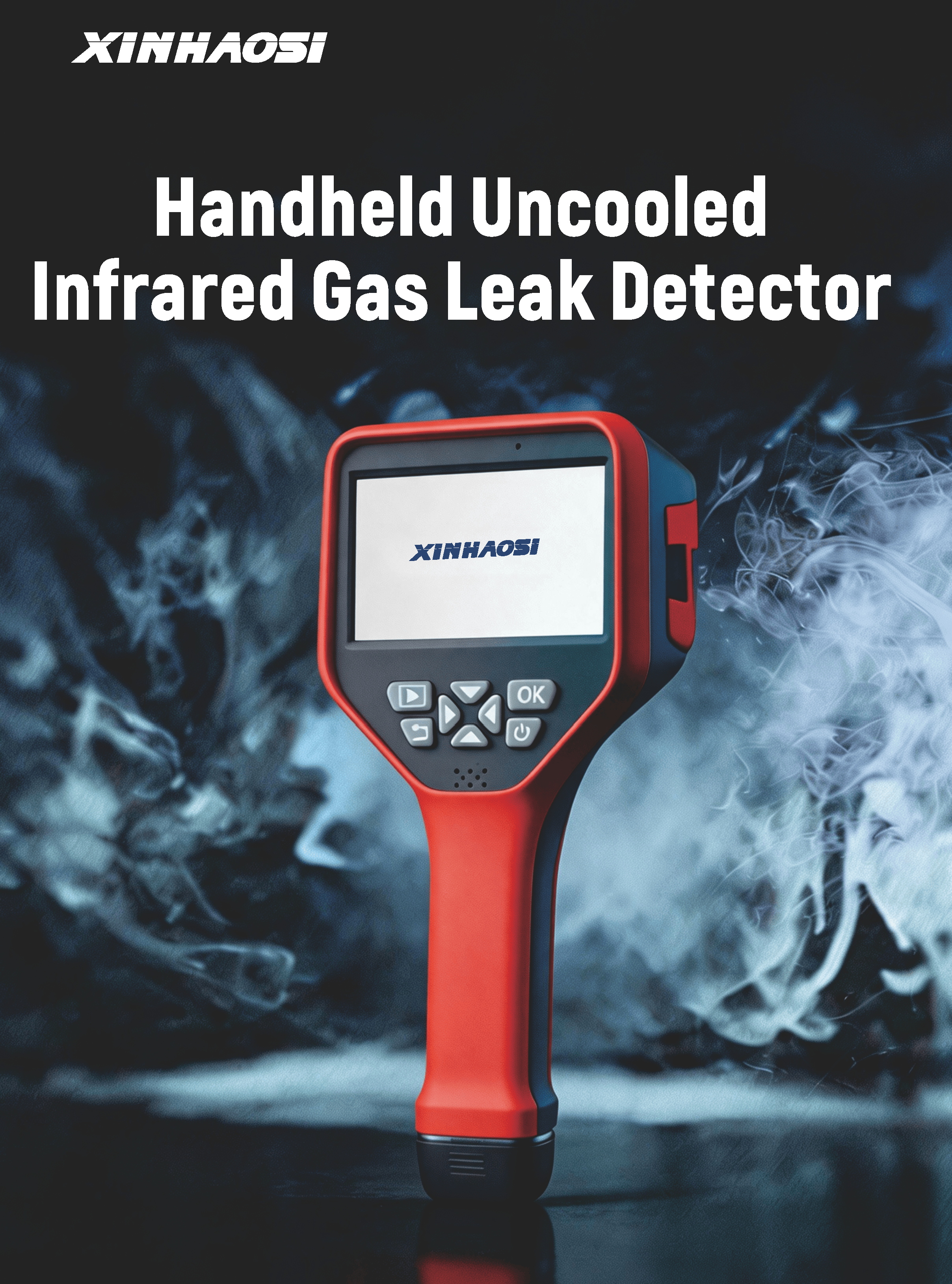
Xinhaosi Electronic Detection Technology Co., Ltd. has launched its Handheld Uncooled Infrared Gas Leak Detector. Integrating dual-technology fusion, it offers long-distance, non-contact detection for safety in petrochemical, refrigeration, and natural gas systems.
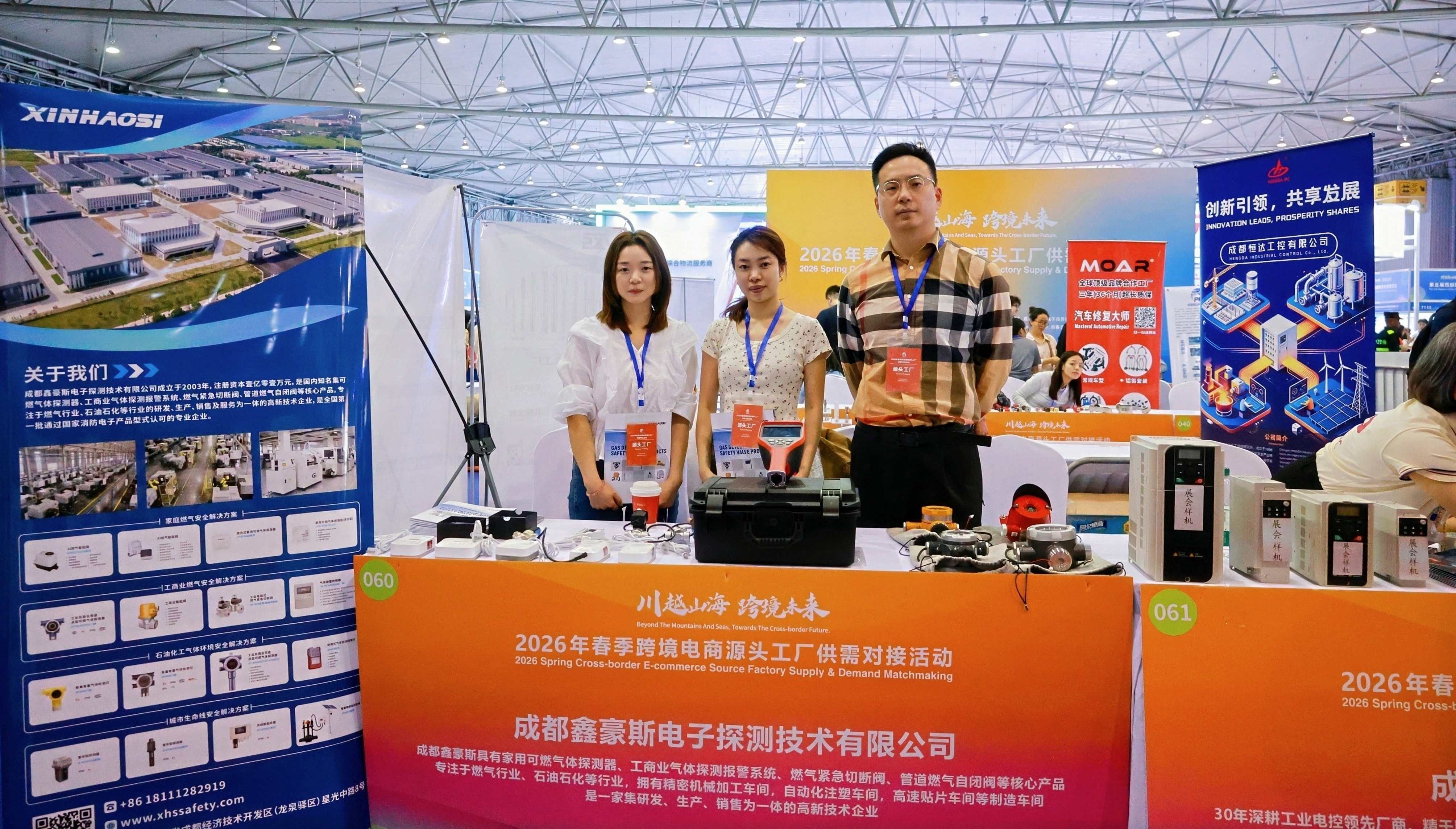
XINHAOSI joined buyers, manufacturers, and platforms at the Chengdu expo to expand its international supply chain footprint and develop overseas distribution partnerships for its industrial safety portfolio.

At the Chengdu conference, XINHAOSI met with Southeast Asian industrial representatives to strengthen bilateral cooperation and outline localized gas safety solutions for Indonesia’s industrial zones.








Addressing engineering challenges, compliance standards, and installation practices for industrial safety systems.
An interlock control box (such as the JB-MK-AT2041X series) acts as the logic solver in a safety loop. It receives signal inputs from gas detectors or emergency stop buttons and triggers automated actions, such as shutting off solenoid valves, starting ventilation systems, or isolation dampers. This localized action is independent of the main PLC or DCS, protecting the site even if central systems fail.
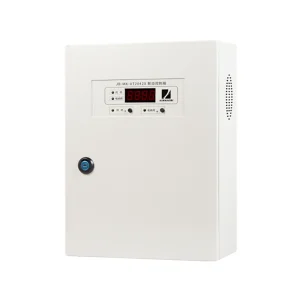
Safety systems require clean, uninterrupted power. Devices like the AT2031X supply regulated 24VDC loops to field sensors and alarms. They feature over-current, over-voltage, and short-circuit protection. Some configurations also support battery backup, keeping monitoring systems active during main power losses.
Industrial gateways like the FDG-X304SE act as translators. They convert legacy field protocols (such as RS485/Modbus RTU) into network formats (such as Modbus TCP/IP, Ethernet, or 4G). This enables central monitoring, predictive maintenance, and real-time gas tracking via plant management platforms.
Alarms installed in areas with flammable gases or vapors must feature explosion-proof enclosures (like the BJX-24E or BBJ-24X). They require certifications such as ATEX, IECEx, or local GB Ex markings (typically Ex d IIB T6 Gb), confirming they can withstand internal pressure and prevent sparks from igniting external gases.
Underground monitoring (using the GT-AT0616/0617 Series) requires enclosures with high IP ratings (e.g., IP65/IP66) to resist moisture and flooding. They must also handle stagnant atmospheres and potential oxygen deficiency, using specialized calibration for low-airflow spaces. Commercial systems, by contrast, focus on occupant safety and integration with fire panel systems.
Connect with our engineering team to design custom interlock configurations, low-voltage control enclosures, and intelligent gateway systems for your plant safety needs.
Contact Our Technical Sales Team