
Advanced sensor arrays engineered for immediate leak detection, smart system automation, and maximum reliability.
Deep insight into regulations, procurement shifts, and modern sensing applications.
Over the last decade, the global market for residential gas safety has shifted from reactive alarms to proactive mitigation. Today's smart cities and modern residential complexes demand gas detectors that do not simply emit high-decibel buzzes, but rather communicate intelligently with broader IoT frameworks. Propelled by strict international requirements and urbanization, safety sensors must offer continuous, zero-drift sensing capabilities to protect lives and properties from the hazards of methane, LPG, and carbon monoxide leaks.
Our research indicates that the installation rate of domestic gas alarms in urban developments has experienced a double-digit compound annual growth rate (CAGR). The primary catalyst is the integration of gas shut-off valves, which shut down flow paths immediately when a concentration exceedance is registered. By removing human error from emergency response, smart home devices integrated with automation protocols save lives automatically.

A primary consideration in domestic gas detection is matching the target gas to the ideal sensing physics. Sensor life, cross-sensitivity, and ambient temperature/humidity performance define the quality of safety solutions:
Optimal for combustible gases (Natural Gas/Methane & LPG/Propane). These sensors register gas concentration by measuring temperature rises on a platinum wire coil coated with a catalyst catalyst. They offer unmatched linearity, long-term stability, and are resistant to ambient temperature shifts.
Widely utilized in entry-level detectors due to their high sensitivity and long lifespans. They function via changes in electrical resistance when target gas molecules adsorb onto a heated metal-oxide surface. They are highly responsive to minute gas concentrations.
Specifically matched for Carbon Monoxide (CO) and toxic gas sensing. Operating via oxidation-reduction chemical changes at the electrodes, they produce a current relative to the gas concentration, drawing very low power and maintaining high selectivity.


Xinhaosi Electronic Detection Technology Co., Ltd. (founded in 2003) is a recognized pioneer in gas safety systems. With over 20 years of research, validation, and large-scale manufacturing, we develop precise solutions safeguarding factories, commercial properties, urban gas networks, and millions of homes worldwide.
“We utilize advanced electronic detection technology to make unknown gas leak risks clear and visible, eliminating safety gaps through automated integration.”
Our ISO-certified manufacturing facility operates state-of-the-art SMD lines, automatic gas calibration chambers, and climate simulation systems. This enables our OEM and ODM partners to receive custom detectors certified to meet international and domestic codes, including EN 50291, EN 50194, UL 1484, and UL 2034.
From individual household units to massive urban networks, we protect lives and infrastructure.
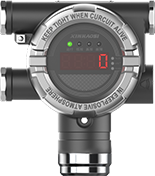
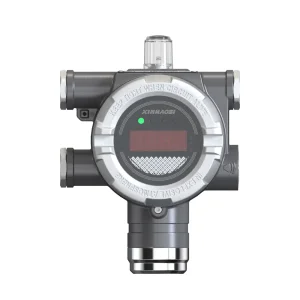
Rugged, explosion-proof detection systems designed for petrochemical plants, refineries, chemical storage areas, and complex processing facilities.

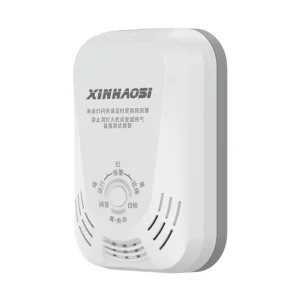
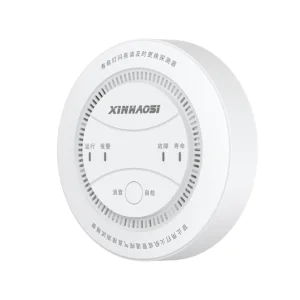
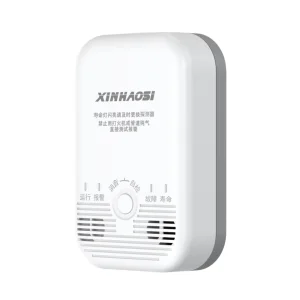
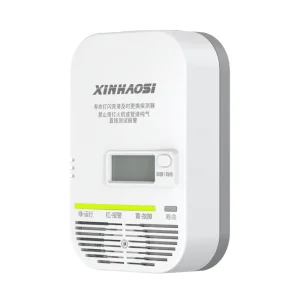
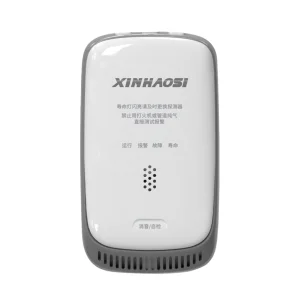
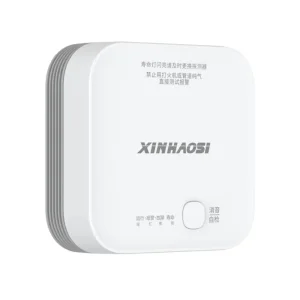
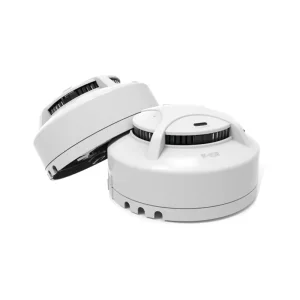
Precision consumer-facing gas and carbon monoxide detectors designed for homes, hotels, kitchens, and multi-tenant high-rise residential properties.
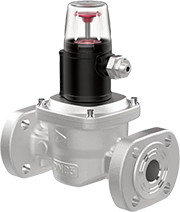
Fast-acting electromagnetic gas shutoff valves that integrate directly with detectors to isolate gas sources instantly upon alert triggers.
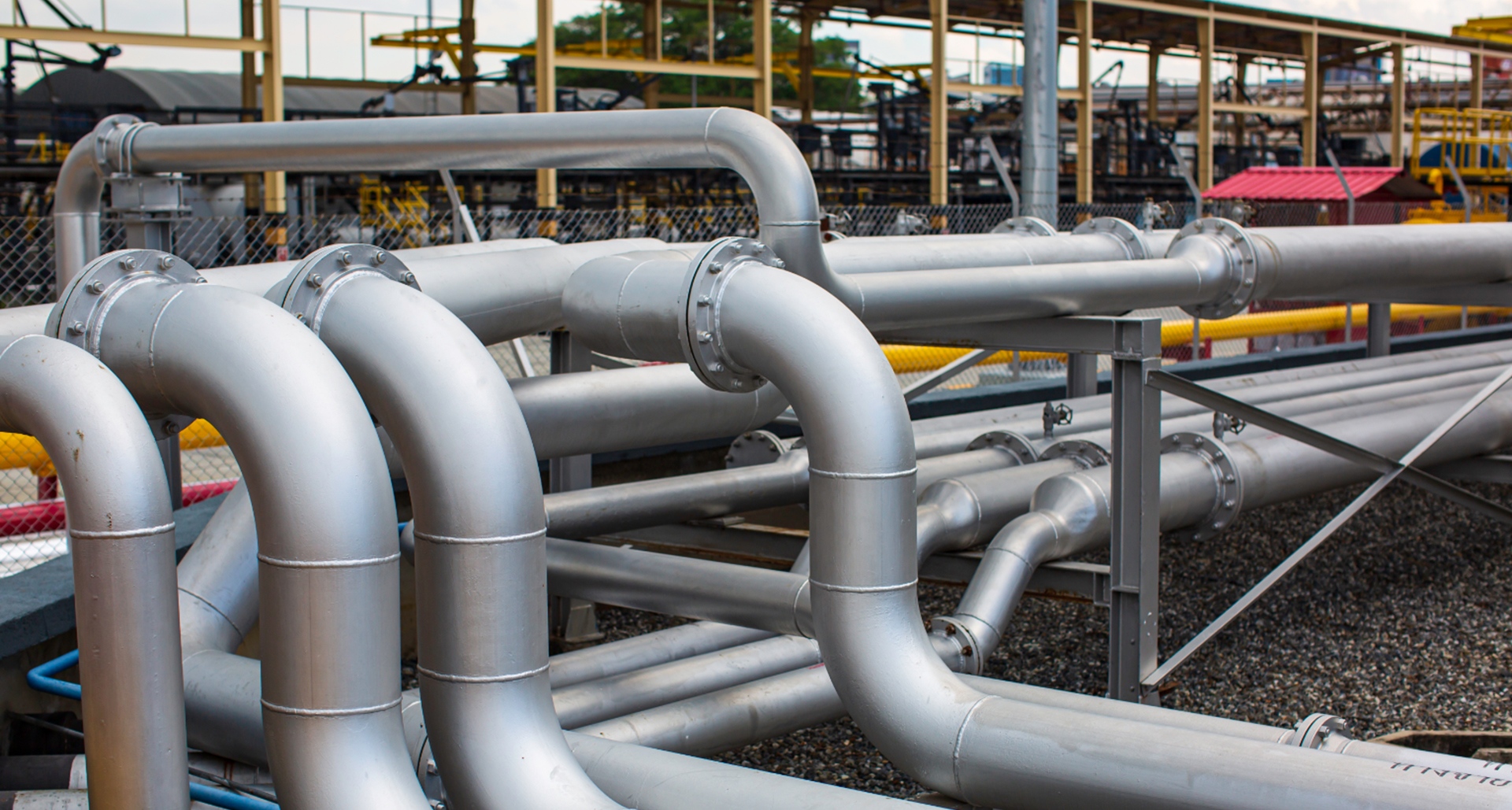
Modern municipalities face complex challenges with expanding natural gas pipelines. Our urban gas distribution and monitoring systems provide real-time sensing solutions to detect pipe network fatigue, pressure build-ups, and localized leaks before they evolve into severe public hazards.
By using wireless protocols like LoRaWAN, NB-IoT, and 4G, our distributed sensors communicate directly with utility SCADA networks, enabling quick dispatching of field crews. This full-chain integration ensures comprehensive safety at all pressure regulation stations, underground valve boxes, and shaft entryways.
Working alongside top real estate firms, utility organizations, and IoT system providers globally.
























Discover our latest technological achievements, international events, and collaborative summits.
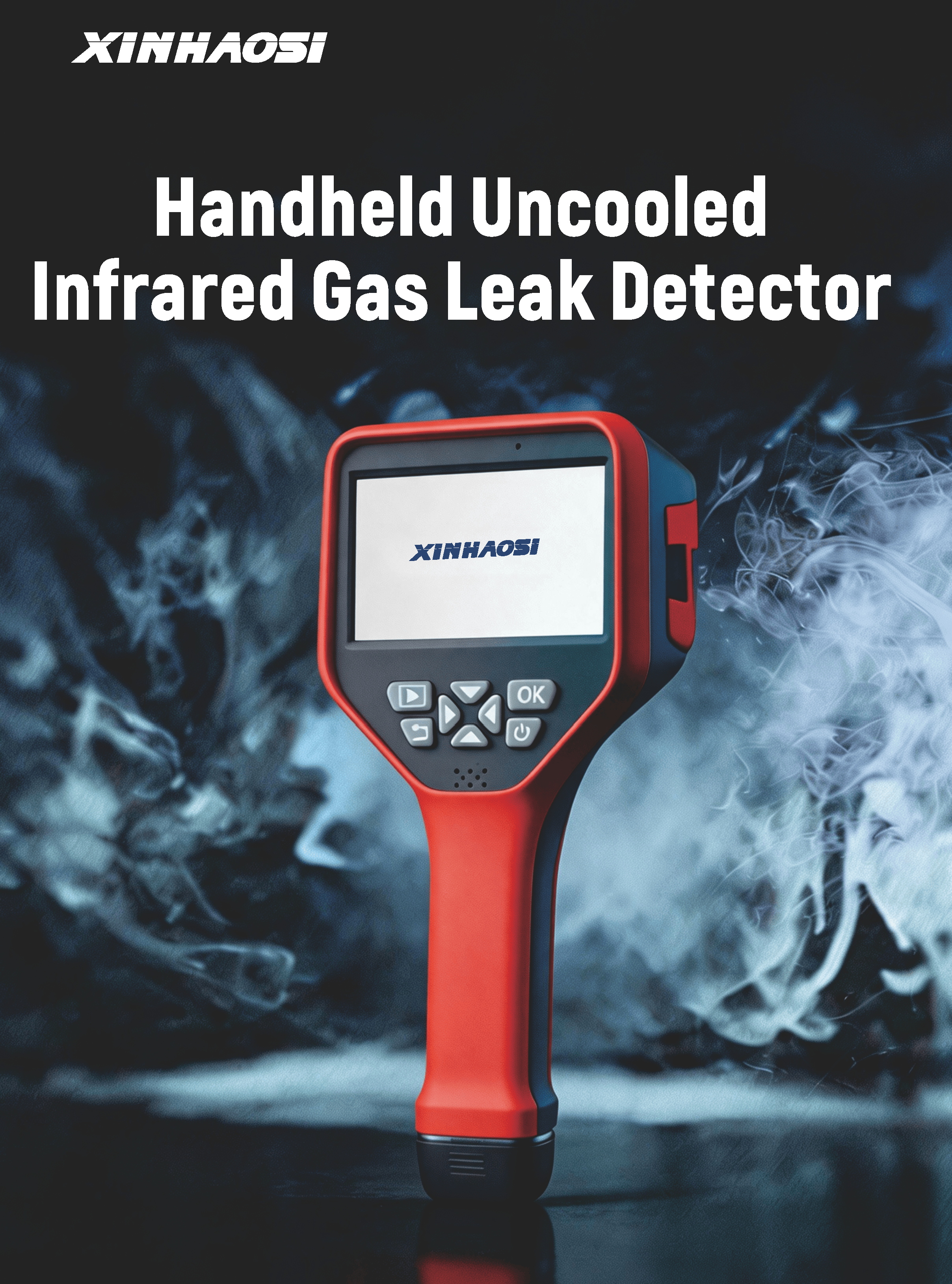
Xinhaosi officially introduced its new Handheld Uncooled Infrared Gas Leak Detector, integrating optical imaging with high-sensitivity sensors to map gas leaks in petrochemical, refrigeration, and natural gas systems instantly from safe distances.
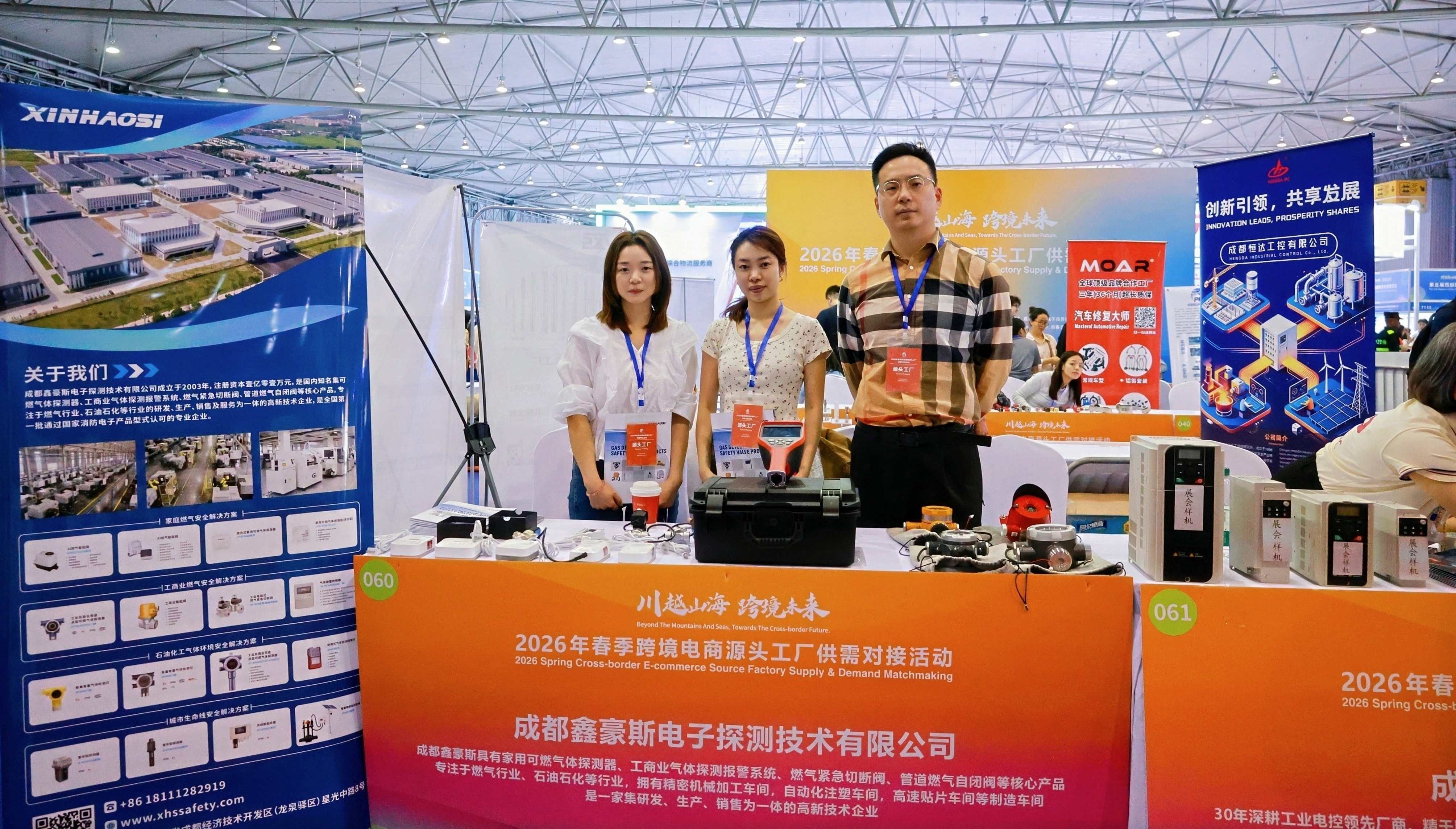
Xinhaosi highlighted its next-generation household detectors at the Chengdu Western China Expo, connecting with global buyers, safety distributors, and builders to demonstrate compliant, low-drift residential alarms.

Xinhaosi met with utility managers and safety commissioners in Southeast Asia to address growing demands for certified gas detectors, presenting robust solutions tailored for humid tropical conditions.
Supplying household gas alarms requires meeting strict regional regulations. Different global jurisdictions require unique performance parameters and localized certification processes. A reliable factory must provide the testing assets needed to secure compliance across various target markets.
European markets require compliance with BS EN 50291 (for Carbon Monoxide detectors in domestic properties) and BS EN 50194 (for alarms designed to detect combustible gases). These regulations demand that units show sensitivity at low concentration thresholds (e.g., 50ppm for CO) while maintaining resistance to false alarms from kitchen vapors, household cleaners, or humidity swings. In North America, detectors must comply with UL 1484 (for methane and propane alarms) and UL 2034 (for CO). Testing under these guidelines involves rigorous long-term aging cycles, extreme temperature exposures, and humidity variations, which we replicate in our in-house testing labs.
For distributors and real estate contractors, procurement involves finding balanced solutions that align with local construction codes. Our engineering team provides flexible customization options:
• Custom Output Signals: Options include dry-contact relays, wireless RF outputs, and hardwired bus protocols (e.g., RS485 or CAN-bus) for building automation systems.
• Housing & Industrial Design: We offer custom polymer configurations to match room aesthetics and flame-retardant enclosures (UL 94-V0) to ensure operation during thermal events.
• Multi-Protocol Support: Integration of modules supporting Zigbee, Z-Wave, Wi-Fi, or custom RF bands ensures compatibility with third-party Smart Home controllers.
The next generation of gas detection centers on multi-sensor fusion and edge AI analysis. By combining traditional electrochemical or catalytic sensors with micro-machined (MEMS) gas sensors and environmental micro-chips, detectors can filter out non-hazardous VOCs (like ethanol from cooking or cleaning sprays) and prioritize true threats. This reduction in false alarms builds user confidence in residential monitoring solutions. Furthermore, next-generation sensors are being designed for lower power consumption, paving the way for long-term battery-only operation for up to 10 years without requiring replacement.
Clear answers to design, installation, and operation questions from engineers and procurement teams.
The installation height depends on the density of the target gas relative to air. Natural Gas (Methane) is lighter than air, so the detector should be mounted 30-100 cm below the ceiling and within 1.5 to 7.5 meters of the appliance. LPG (Propane/Butane) is heavier than air, meaning the detector must be installed 30-100 cm above the floor to ensure early leak detection.
Sensors generally last between 5 and 10 years depending on their type (catalytic sensors typically run 5 years, while electrochemical and optical variants can run up to 10 years). Modern micro-controllers run daily self-diagnostics to flag sensor drift. Annual calibration or bump testing with certified target gas mixtures ensures peak precision.
Interfering chemicals like ethanol, household cleaners, and aerosol sprays can trigger false alarms on lower-tier semiconductor sensors. Our devices use advanced catalytic combustion or highly selective electrochemical cells, combined with custom firmware filtering, to prevent false positives and maintain reliability.
Under EN 50194 and UL 1484, T90 response times must be under 30 seconds for methane and propane. Our products feature optimized gas chambers that help target gases reach the sensor quickly, triggering the alarm buzzer and external shut-off valves almost instantly.
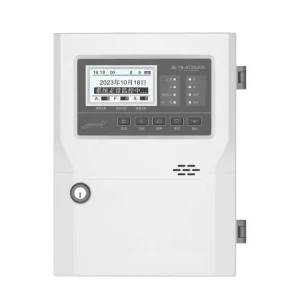
Commercial-grade controllers, bus-type alarms, carbon monoxide sensors, and explosion-proof equipment.
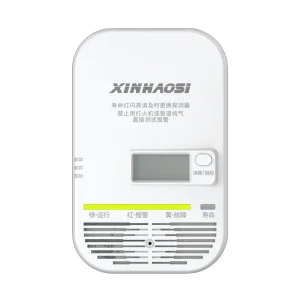
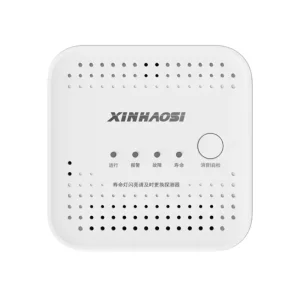

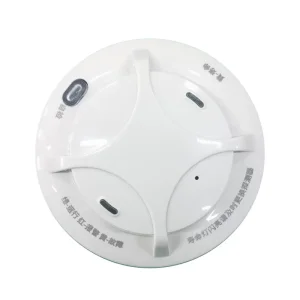

As a leading supplier, Xinhaosi prioritizes high reliability, sensor life, and consistent quality. By integrating our operations from circuit board layout through final assembly, we manage quality at every step of production.
Our production facilities utilize automated surface mount technology (SMT) to place micro-components onto circuit boards with high precision. This minimizes the risk of cold solder joints or thermal stress fractures, which can compromise detector safety in emergencies. Every board is coated with a protective layer to shield electronics from kitchen humidity and contaminants, ensuring stable operation over the long term.
After assembly, detectors enter automated calibration chambers. Here, computer-controlled systems expose the sensors to specific gas mixtures while microprocessors adjust calibration parameters. This digital alignment eliminates manual calibration errors and ensures each unit performs reliably at its designated safety thresholds. The process is fully documented to maintain traceability under ISO-9001 standards.
Each gas safety alarm we ship goes through rigorous calibration checks. By maintaining tight quality controls, we ensure that every household alarm performs reliably when it matters most.
The field of domestic and commercial gas detection is shifting toward smart, integrated IoT safety systems. We are continuously updating our technological frameworks to support the next generation of safety devices:
Integrating Micro-Electro-Mechanical Systems (MEMS) sensors allows us to design smaller, low-power devices capable of detecting multiple gases simultaneously, while maintaining high sensitivity and stability.
We are expanding support for wireless protocols like Thread and Matter, ensuring our detectors integrate into connected home ecosystems and municipal monitoring dashboards.
Through advancements in electrochemical cell chemistry and catalytic sensor materials, we are working to extend typical sensor life to over 10 years, minimizing waste and maintenance needs.
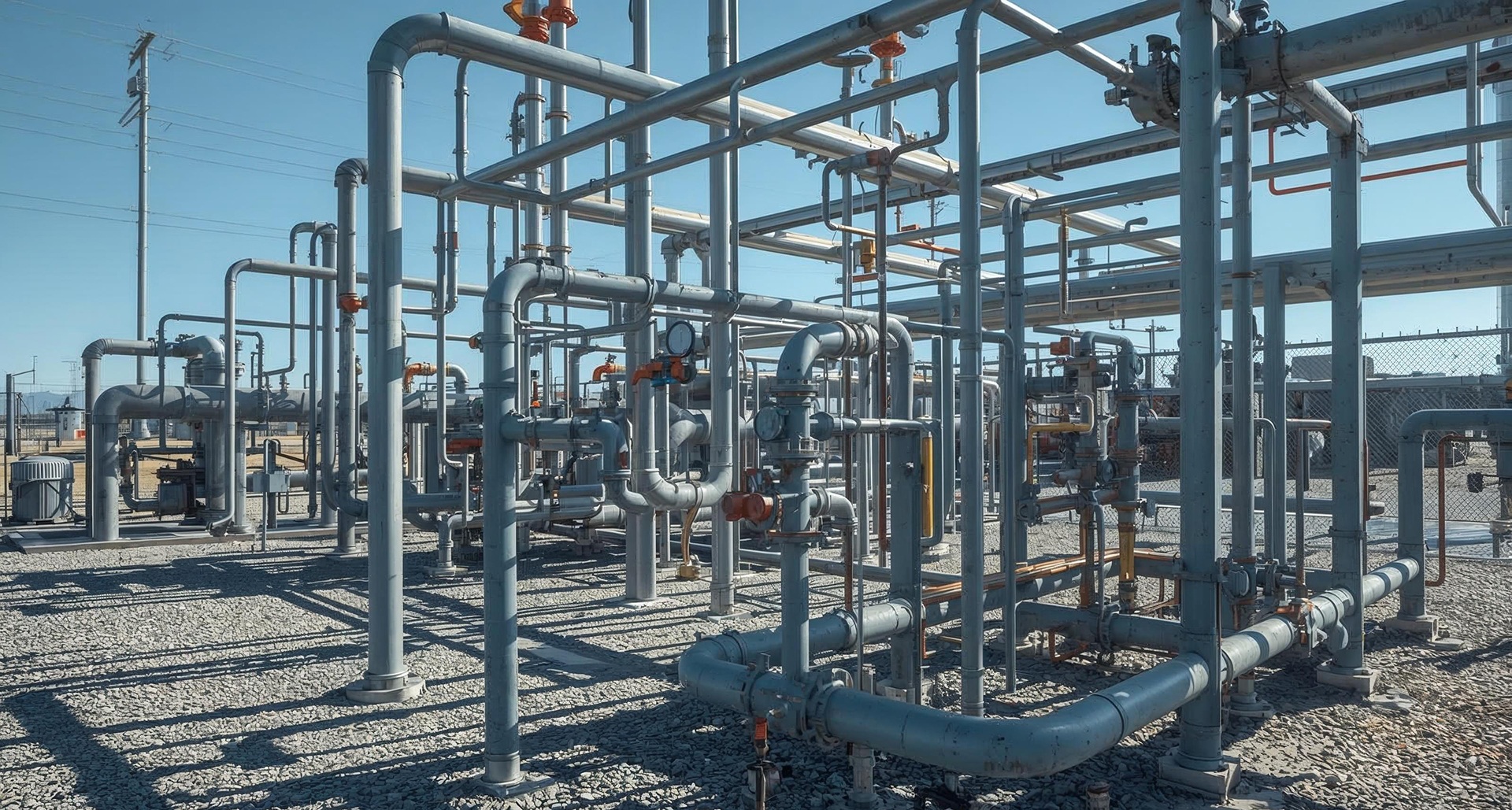
Continuous investment in engineering and quality assurance allows Xinhaosi to remain at the forefront of the gas safety industry. Our test laboratories evaluate performance across extreme climates, simulating freezing winters and humid sub-tropical conditions to ensure reliable operation around the globe.
From initial design to global logistics, Xinhaosi is a trusted partner for safety distributors, housing developers, and utility operators worldwide. Explore our product line or contact our engineering support team to discuss your project requirements.