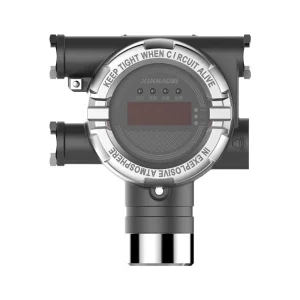
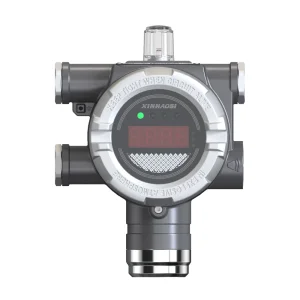
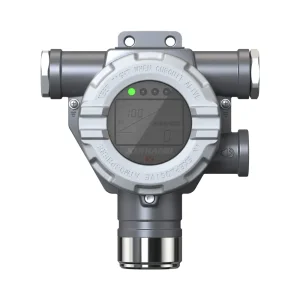
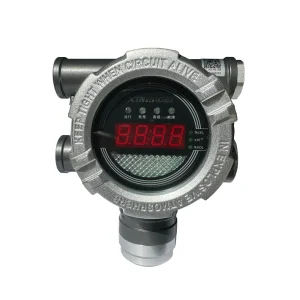
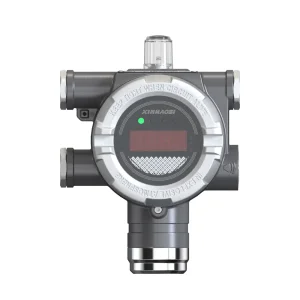
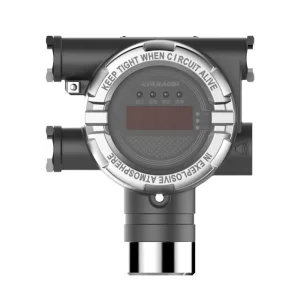
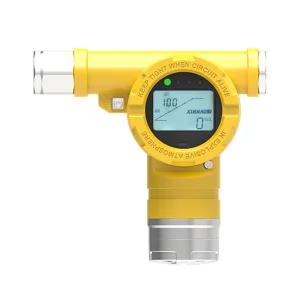
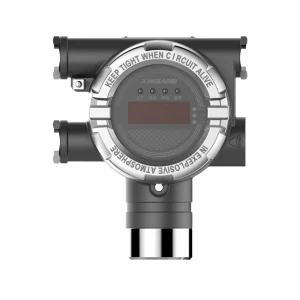
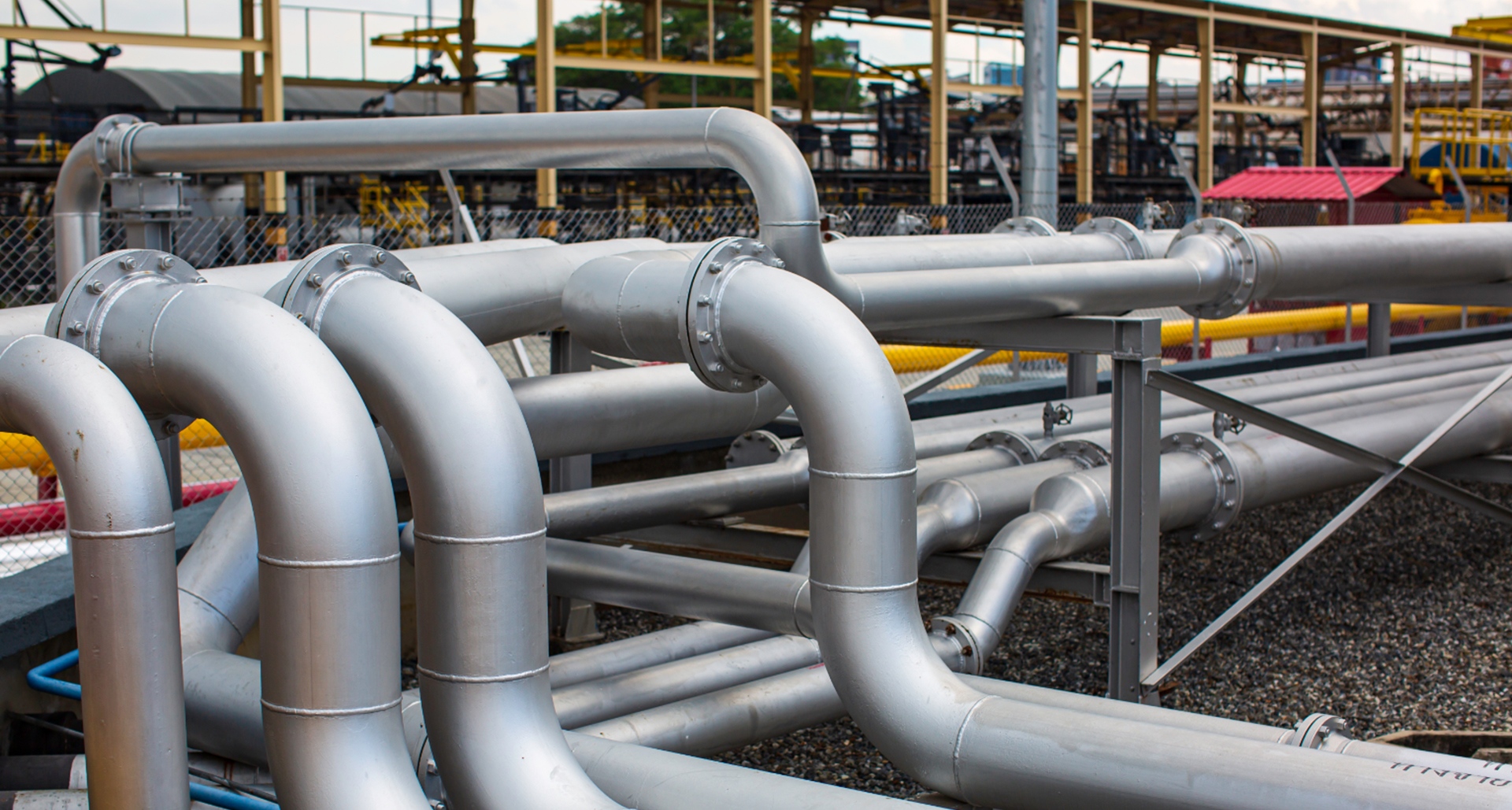
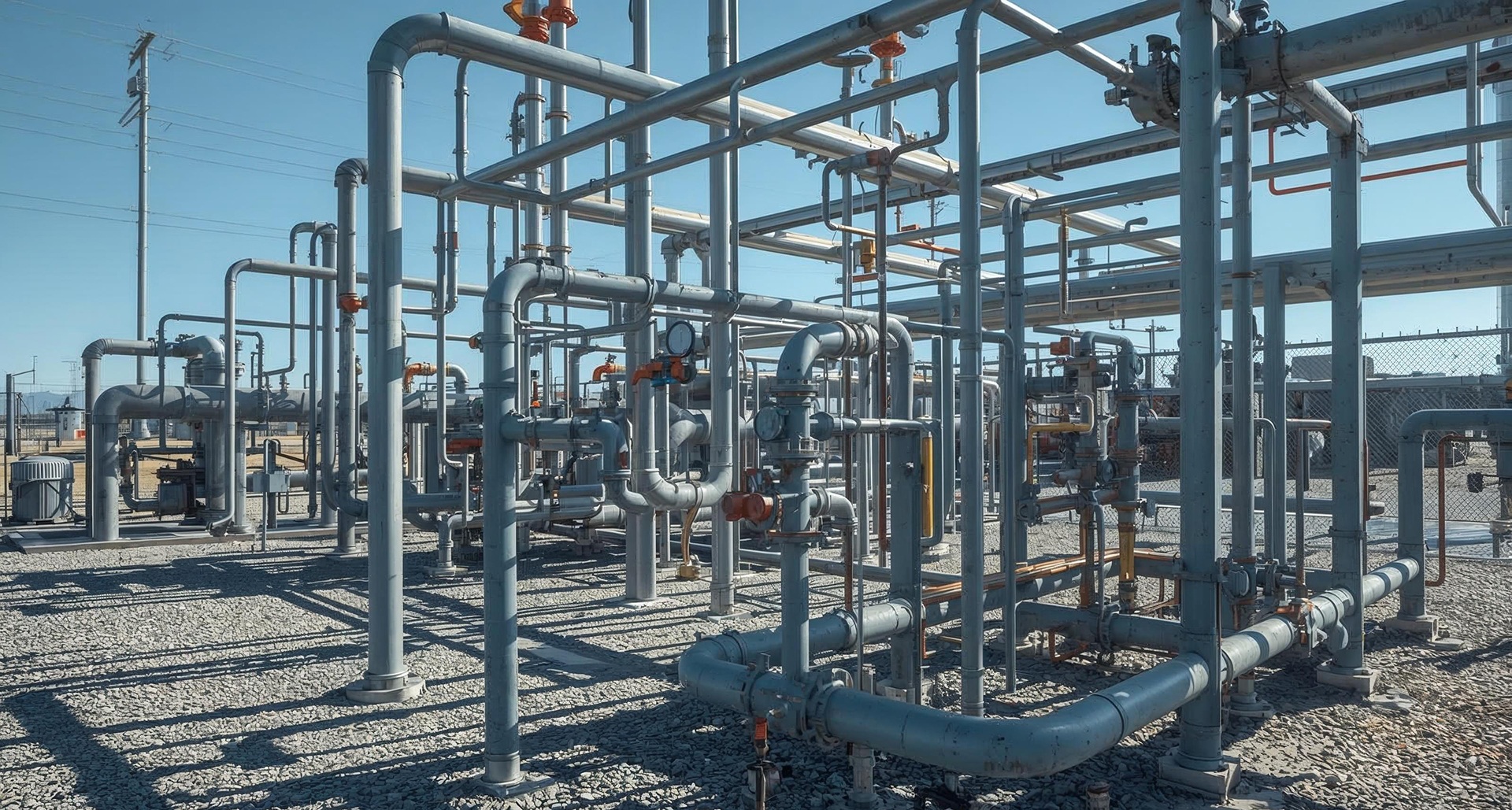
Explore our premium industrial-grade explosion-proof fixed transmitters, engineered to deliver continuous monitoring for combustible, toxic, oxygen, and VOC gas concentrations in harsh industrial environments.
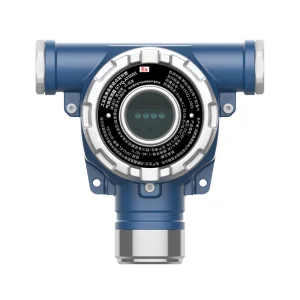
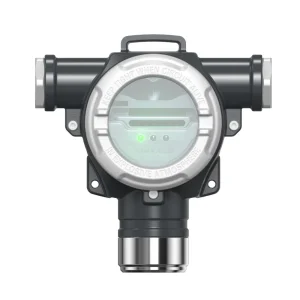
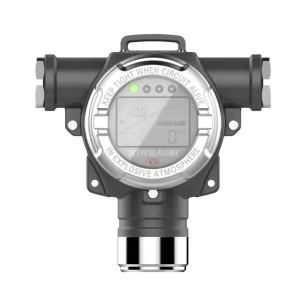
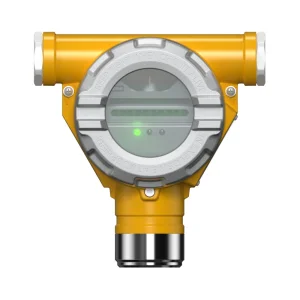
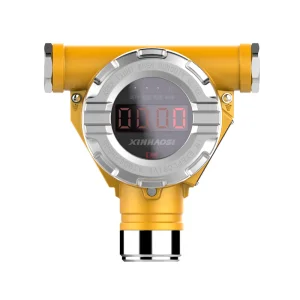
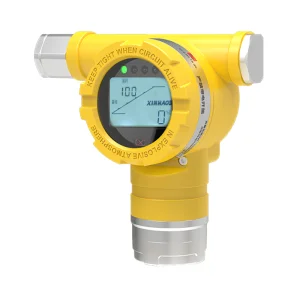
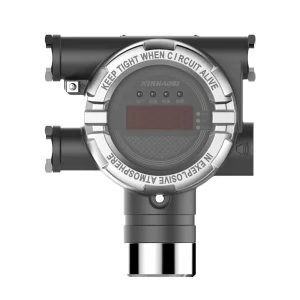
In industrial processes, volatile substances represent constant threats to personnel safety and capital infrastructure. Fixed-type gas detectors act as the frontline sentinel of modern hazard mitigation, providing non-stop monitoring of ambient atmospheres where portable units cannot match temporal scale.
Our fixed gas detection arrays incorporate state-of-the-art sensory technologies (including Non-Dispersive Infrared (NDIR), Electrochemical cells, Catalytic bead, and Photoionization Detectors (PID)) linked to safety control circuits. Operating continuously under extreme thermal cycles, heavy vibrations, and toxic environments, these instruments convert real-time electrochemical and physical shifts into reliable industrial feedback loops via 4-20mA analog or RS485 Modbus RTU telemetry.
Our detection hardware satisfies strict SIL-2 functional safety standards. This ensures that risk models calculated for petrochemical, gas pipeline, and hazardous materials storage sites remain within acceptable reliability factors, dramatically minimizing failure on demand.
To achieve reliable fixed-point monitoring, the mechanical construct of the unit must endure harsh operational zones. Our systems utilize heavy-duty cast aluminum or 316 stainless steel explosion-proof enclosures.
Aligning sensory capabilities with specific chemical groups maximizes efficiency and extends sensor longevity.
| Detection Principle | Target Gas Classes | Operational Advantages | Lifespan Expectancy | Calibration Interval |
|---|---|---|---|---|
| Catalytic Bead (Combustion) | Combustible Hydrocarbons (Methane, Propane, H2) | Cost-effective, highly linear response to LEL levels, robust structural integrity. | 3 - 5 Years | 6 Months |
| Non-Dispersive Infrared (NDIR) | Methane, Hydrocarbons, Carbon Dioxide (CO2) | Immune to sensor poisoning, operates in zero-oxygen atmospheres, high accuracy. | 5 - 10 Years | 12 Months |
| Electrochemical Cells | Toxic Gases (H2S, CO, NH3, SO2, Cl2) & O2 | Sub-ppm sensitivity, fast response time, low power consumption profiles. | 2 - 3 Years | 3 - 6 Months |
| Photoionization Detector (PID) | Volatile Organic Compounds (VOCs), Benzene | Extremely precise trace detection (ppb/ppm level), broad response. | 2 Years | 3 Months |
We supply more than standalone sensors. Our engineers design complete site-wide safety architectures tailored to industrial sectors.
Continuous LEL & toxic (H2S/CO) monitoring across distillation units, storage tank farms, and transport facilities. Integrates with automatic deluge and ventilation systems.
Underground vaults, pressure regulating stations, and gas distribution pipelines. High reliability low-power fixed systems with long-distance wireless connectivity (LoRa/NB-IoT).
Sub-ppb detection of highly toxic pyrophoric, corrosive, and flammable gases (AsH3, PH3, SiH4, Cl2) associated with wafer fabrication. Features rapid sampling-draw integration.
Founded in 2003, Xinhaosi is one of the most influential and reliable brands in the gas safety industry. We utilize advanced electronic detection technology to make unknown gas leak risks clear and visible. We provide customer-focused products and services to safeguard the safe operation of every factory, the comfort of every city, and the peace and happiness of every home.
Powered by cutting‑edge production systems and technology, we deliver more advanced, intuitive, and precise gas safety solutions for shaping a safer future world.
Detection Systems - Safety First from Precision Sensing.
Gas Detectors - Home Safety from Gas Monitoring.
Gas Solenoid Valves - Protecting from the Source.
Distribution & Monitoring - Smart Sensing for Urban Gas.


Empowered by technology, Full-chain integration, Comprehensive protection, Shaping the future with intelligence.
Ensuring compliance with localized safety directives is a key priority for safe operational expansion.
We operate fully certified testing laboratories and production plants. Our engineering resources help scale and modify products to match regional standard needs. Whether custom calibration targets for specific gas compounds, customized Modbus register lists, or unique enclosures, our factories deliver high-quality, customized products.
We work closely with global certification bodies to streamline deployment process safety. Our equipment conforms to standards such as:
Anticipating industrial hazards requires continuous research and development. This is where fixed detection technology is heading.
Next-gen arrays will combine point gas detection with open-path line-of-sight monitoring, creating a dynamic optical safety net across vast refinery layouts.
Embedded algorithms analyze sensor drift, signal noise, and environmental factors to predict sensor failure before it occurs, shifting maintenance from reactive to proactive.
Self-healing mesh networks reduce infrastructure cabling costs, allowing for fast, highly redundant safety deployments in remote oil pads.
While fixed gas detectors protect specific facility locations, mobile instruments cover the gaps. A unified industrial safety ecosystem integrates fixed detectors with handheld units, such as the newly launched Handheld Uncooled Infrared Gas Leak Detector. This allows teams to dynamically verify and locate leak sources identified by the fixed monitoring system.
Original high-resolution facility and manufacturing snapshots detailing quality control and sensor production lines.
We work with global leaders to safeguard critical infrastructure and optimize safe production parameters.
























Track our technical achievements, corporate exhibitions, and global outreach conferences.
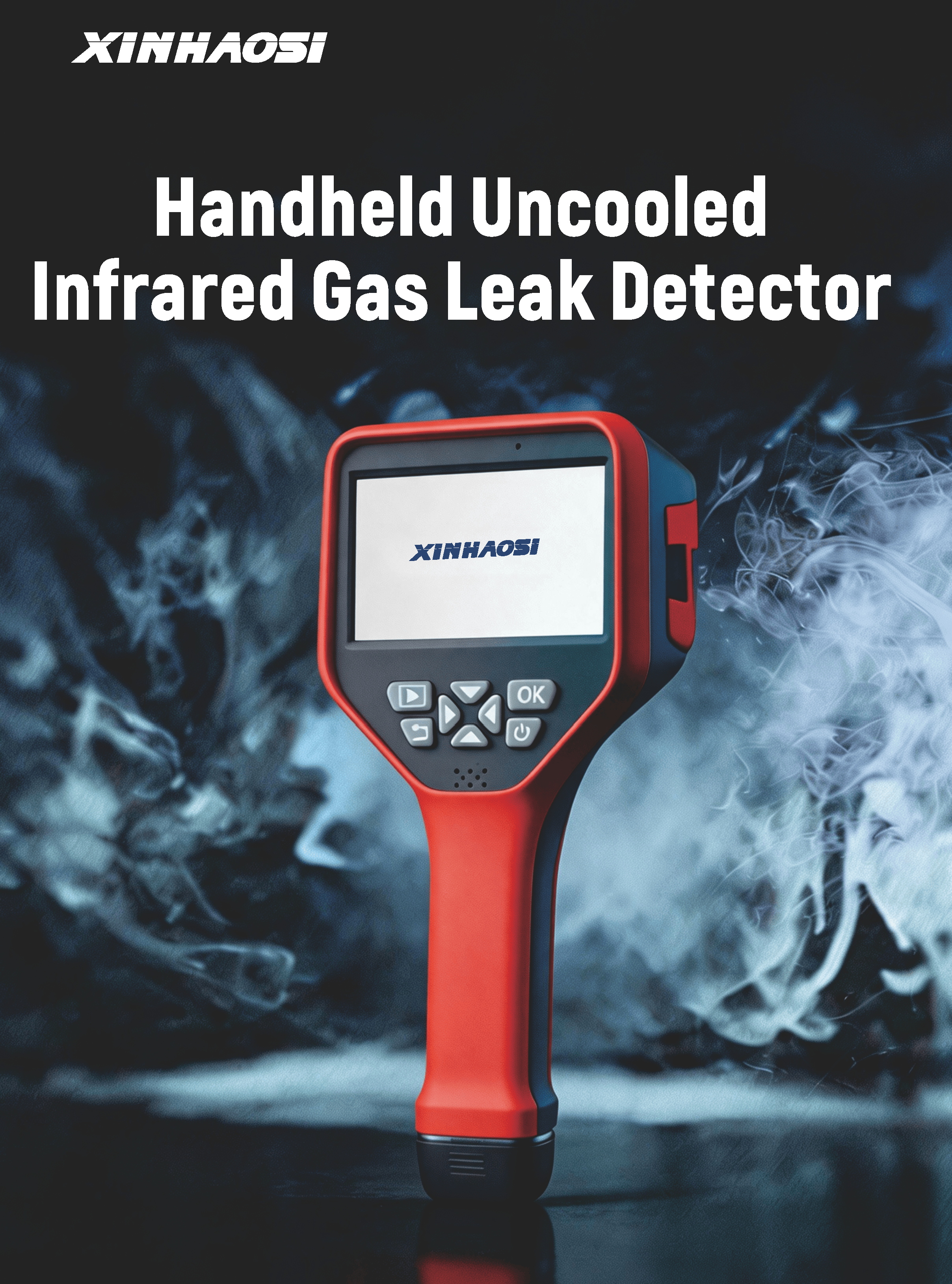
Xinhaosi Electronic Detection Technology Co., Ltd. officially launched its new Handheld Uncooled Infrared Gas Leak Detector, featuring dual-technology fusion, ultra-fast response, and long-distance non-contact detection...
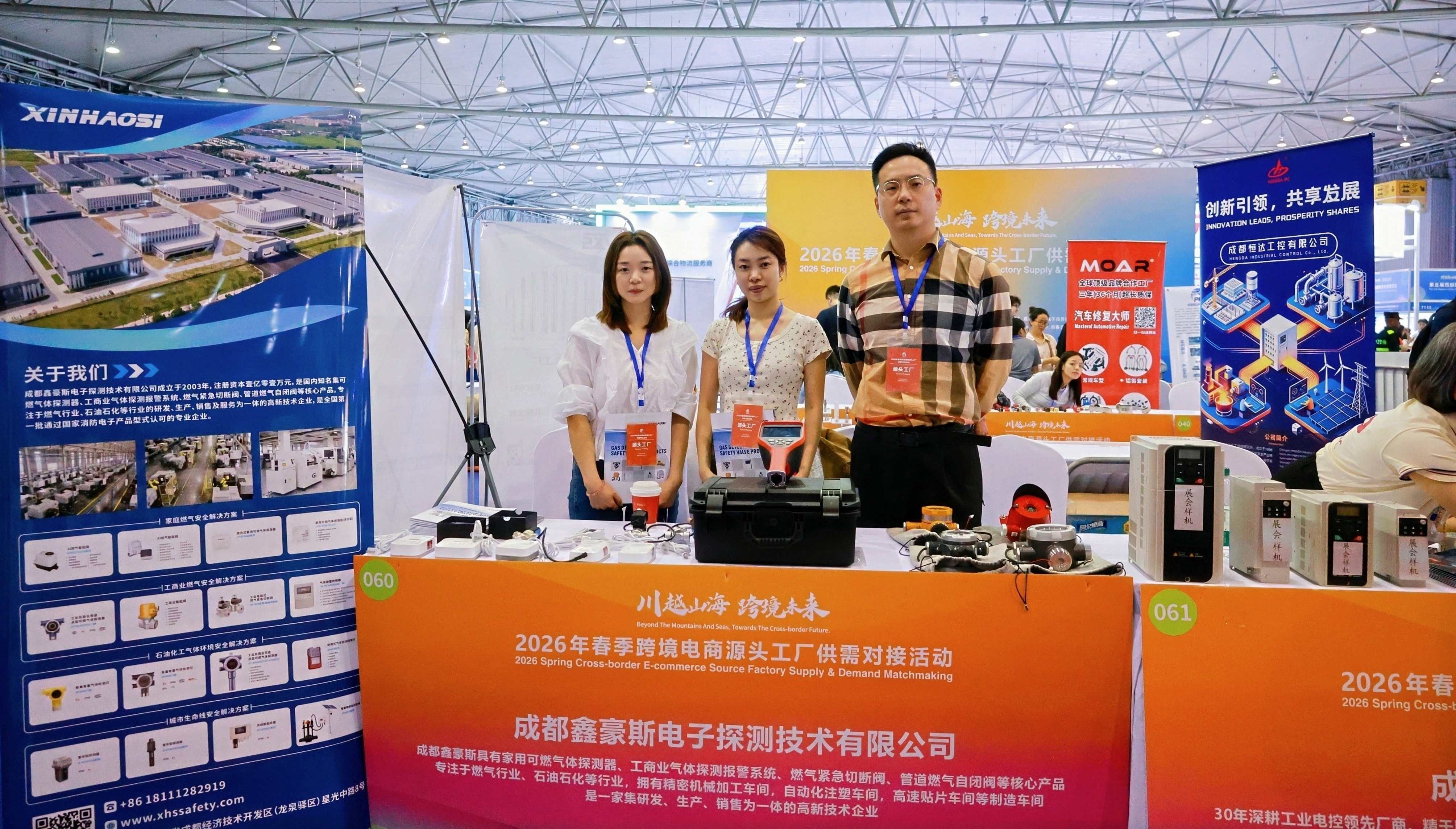
XINHAOSI recently participated in the 5th Western China Cross-Border E-Commerce Expo held in Chengdu. The event brought together cross-border e-commerce platforms, global buyers, and manufacturers...

XINHAOSI recently participated in the 2026 Sichuan (Chengdu) – Indonesia Industry Matchmaking Conference held in Chengdu. The event gathered enterprises and representatives from both countries to explore cooperation...
Expert technical answers to common integration questions raised by instrumentation specialists and environmental safety managers.
The mounting height is directly determined by the molecular weight of the target gas relative to air (air is approx 28.96 g/mol).
Under stable operating conditions, we recommend calibration checks every 6 months for catalytic and electrochemical sensors, and every 12 months for NDIR sensor platforms. In highly contaminated environments (e.g. exposure to silicones, sulfur compounds, or lead), check calibration monthly to monitor potential sensor poisoning.
Standard electrochemical sensors require ambient oxygen (typically at least 2-3% by volume) to support the chemical reaction. If you must monitor toxic components within an inert nitrogen gas blanket, contact our factory. We can supply specialized sensor variants or sampling systems designed for zero-oxygen environments.
Our fixed transmitters support industry-standard interfaces, including a linear 3-wire 4-20mA analog loop, RS485 Modbus RTU digital communication, and built-in SPDT relays for direct control of auxiliary equipment like exhaust fans, horns, or solenoid valves.
Explore our industrial explosion-proof transmitters for monitoring oxygen levels, trace toxic gases, and volatile organic compound emissions.