
Choosing the right CO detector is essential for maintaining a safe living environment. Carbon monoxide is a colorless, odorless gas that can pose serious health risks. Many homes are equipped with heating systems, gas appliances, and vehicles that can produce CO, making detectors crucial.
In this guide, we explore the best CO detectors available. Our reviews highlight features that matter most, such as sensitivity, reliability, and ease of use. A good CO detector not only sounds an alarm but also provides accurate readings to inform your decision-making. However, not all detectors are created equal. Some models may lack essential features or have poor battery life.
Investing in a quality CO detector is a step towards protecting your family. A reliable device gives peace of mind and can literally save lives. Look for expert reviews and customer feedback. Always consider what your needs are. The right CO detector should fit your home and lifestyle. Understanding these factors will lead you to a smarter choice.
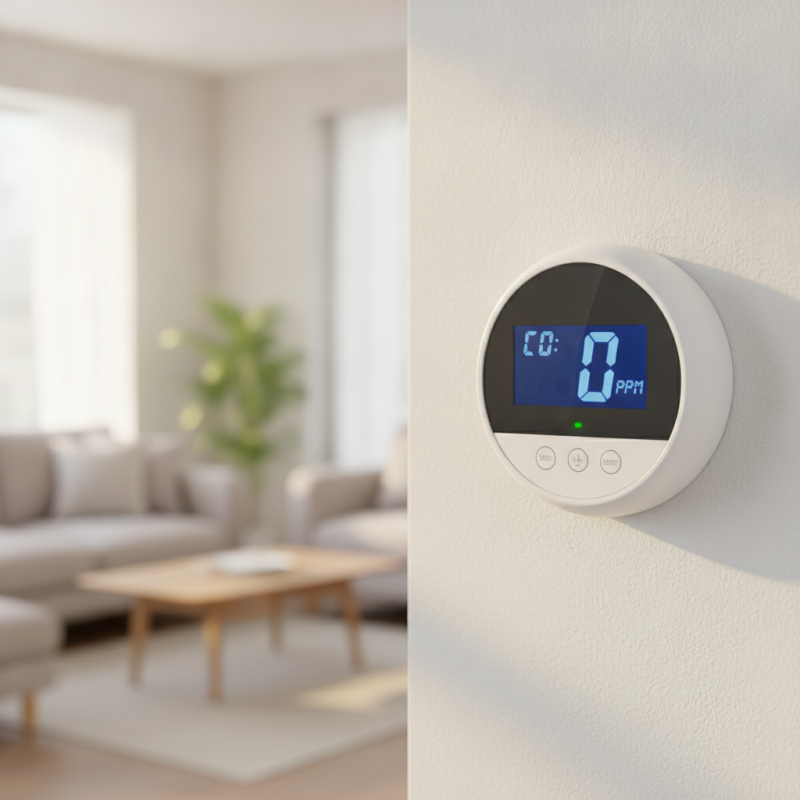
Carbon monoxide (CO) is a colorless, odorless gas. It poses severe health risks. CO is produced from incomplete combustion. Common sources include vehicles, heaters, and cooking appliances. Exposure can lead to poisoning. Symptoms often start with fatigue and dizziness. Severe exposure can result in loss of consciousness or death.
Understanding CO's dangers is vital for safety. Vulnerable groups like children and the elderly are at greater risk. Chronic exposure can lead to long-term health issues. It is crucial to recognize the signs of CO poisoning. Regular maintenance of appliances reduces the risk of leaks.
Effective air quality monitoring can prevent tragic outcomes. Investing in reliable CO detectors is a proactive way to ensure safety. Homeowners should check detectors regularly. Frequent testing ensures they function correctly. CO detectors provide peace of mind, alerting occupants to dangers early. These small devices play a crucial role in protecting health.
This chart illustrates the average carbon monoxide (CO) levels emitted by various common sources, measured in parts per million (ppm). Understanding these levels helps in identifying the risks associated with CO exposure from different activities.
Accurate air quality monitoring devices play a crucial role in safeguarding our health. According to the World Health Organization, over 4 million people die each year from outdoor air pollution. This statistic underscores the need for reliable CO detectors that can provide real-time data. Poor air quality can lead to respiratory issues and heart diseases. Therefore, having a precise measuring device is essential for prevention.
Tips for choosing a CO detector include checking for certification. Devices with ISO certification are often more reliable. Look for features such as digital displays that show real-time readings. These features enhance your understanding of your indoor air quality. Regular calibration is also vital to ensure ongoing accuracy.
Many people overlook the importance of location when installing CO detectors. Ideally, place these devices in areas near fuel-burning appliances. This strategic positioning enhances the chances of early detection. Regular maintenance of your CO detector is equally important. Dust buildup can hinder performance, leading to potential risks in an emergency. Keep your device clean and functional for better safety.
| Model | Sensitivity (PPM) | Detection Range | Battery Life | User Rating |
|---|---|---|---|---|
| Model A | 10 PPM | 0-1000 PPM | 3 years | 4.5/5 |
| Model B | 15 PPM | 0-500 PPM | 5 years | 4.7/5 |
| Model C | 5 PPM | 0-2000 PPM | 2 years | 4.2/5 |
| Model D | 20 PPM | 0-1500 PPM | 4 years | 4.4/5 |
When selecting a carbon monoxide (CO) detector, certain features are essential for ensuring reliable air quality monitoring. Today, indoor air quality is a significant concern, with reports indicating that CO poisoning accounts for over 400 deaths annually in the U.S. alone. Therefore, it is crucial to identify detectors that boast high accuracy in detecting this colorless, odorless gas.
Look for models equipped with electrochemical sensors. These are known for their sensitivity and reliability. According to safety standards, devices should have a response time of fewer than 60 seconds. Fast detection can save lives in emergencies. Additionally, consider units that offer a digital display. Such features provide real-time CO levels, making it easier to assess air quality at a glance.
User-friendly alarms are also important. A loud, distinct alert indicates danger effectively. Some advanced devices even feature voice alerts. This technology helps ensure that occupants respond quickly. Notably, a device that includes battery backup ensures functionality during power outages, a critical consideration for users in remote or storm-prone areas.
When it comes to detecting carbon monoxide (CO), choosing a reliable device is essential. Carbon monoxide is a silent killer, and its detection can save lives. There are various models available on the market, each with distinct features. Some detectors offer digital displays, while others provide loud alarms. Consider your environmental needs when selecting a detector.
Tips: Ensure you install CO detectors in every sleeping area and on each floor. Regular testing is vital to ensure their accuracy.
Look for detectors that are UL listed or certified. This certification indicates that the device meets specific safety standards. Additionally, note the lifespan of each unit. Many detectors need replacement after several years, depending on the brand and model. Make it a habit to check and replace batteries regularly.
Tips: Keep your residences well-ventilated. Regular maintenance of fuel-burning appliances can reduce CO production. Remember, a detector is only as good as its maintenance.
When it comes to carbon monoxide (CO) detectors, user experiences can provide invaluable insights. Consumers often share their real-life encounters, highlighting the importance of having reliable devices. For instance, many homeowners report feeling reassured when their detector activates promptly during tests. They appreciate notifications sent to their smartphones, especially during the night. However, some users express frustrations about false alarms. These moments can provoke unnecessary panic, prompting many to reconsider their CO detector options.
Ratings for CO detectors vary widely, influenced by factors like performance and ease of use. Some users rave about compact models that fit seamlessly into small spaces. These convenient designs help ensure placement near sleeping areas. Yet, others mention that the display screens can be challenging to read, especially in low light. Feedback suggests that larger, clearer screens could enhance user experience. A few users even note that more straightforward installation instructions would lessen confusion.
User reviews reflect a community of individuals invested in safety. Many appreciate sharing tips on maintenance and battery replacement, fostering a sense of collective responsibility. However, there remains room for improvement in educating users about the risks of CO exposure. By listening to real stories and adjusting product design, manufacturers can build trust and enhance safety in homes.
: Accurate air quality monitoring is vital for protecting health. Poor air quality can cause respiratory issues and heart diseases.
Over 4 million people die each year due to outdoor air pollution, highlighting the urgency for reliable monitoring devices.
Look for ISO certification, digital displays, and electrochemical sensors for better reliability and accuracy.
Install CO detectors near fuel-burning appliances for early detection and enhanced safety.
Yes, regular maintenance is crucial. Dust buildup can hinder performance and pose risks during emergencies.
Choose devices with a response time of under 60 seconds to ensure quick alerts during dangerous situations.
A user-friendly detector has loud alarms and may include voice alerts to ensure occupants respond quickly.
Battery backup ensures functionality during power outages, which is essential for safety in remote or storm-prone areas.
Yes, digital displays provide real-time CO levels, making it easier to assess indoor air quality at a glance.
Poor monitoring can lead to unnoticed CO levels, increasing the risk of poisoning and serious health issues over time.
Carbon monoxide (CO) is a colorless, odorless gas that poses significant health risks, making the use of reliable CO detectors essential for ensuring air quality and safety. Accurate air quality monitoring devices serve as a critical line of defense against CO exposure, protecting individuals and families from potential harm. In evaluating the best CO detectors, it is important to consider key features such as sensitivity, alert systems, and battery life, which directly impact their effectiveness.
The market offers a variety of leading CO detectors, each presenting unique capabilities tailored to different needs. User experiences and ratings provide valuable insights into the performance of these devices, helping consumers identify the most reliable options available. By understanding the importance of accurate detection and the top features to look for, individuals can make informed decisions to safeguard their health and well-being with the right CO detector.

Xinhaosi