When it comes to ensuring safety in our homes, a Carbon Monoxide Tester is an essential device. In 2026, buyers must be informed about the latest advancements in this technology. According to Dr. John Smith, a leading expert in home safety, “Every household should have a Carbon Monoxide Tester; it is a lifesaver.” This underscores the importance of understanding how these devices work.
Carbon monoxide is a silent killer. It is colorless and odorless, making detection difficult without a proper tester. Homeowners often underestimate the risks associated with carbon monoxide exposure. A reliable Carbon Monoxide Tester can provide peace of mind, potentially preventing tragic accidents.
Choosing the right tester can be overwhelming. With various models available, knowing what features to prioritize is crucial. Not all products are created equal, and some may not perform reliably. It's essential to consider the product's reputation and the manufacturer's expertise. Embracing this knowledge ensures you invest in a quality Carbon Monoxide Tester that meets your family's safety needs.
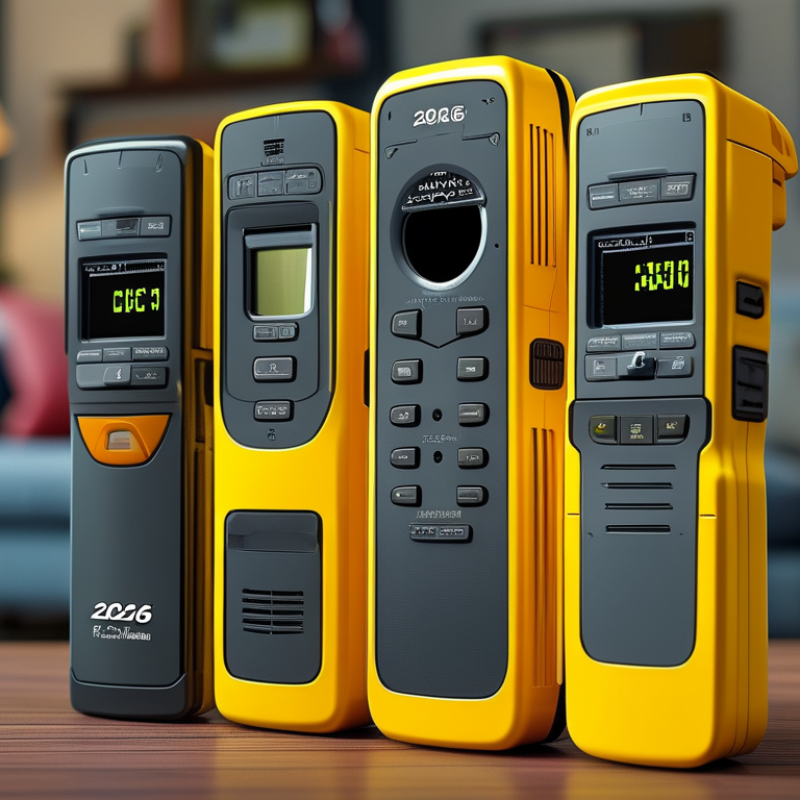
Understanding Carbon Monoxide: Risks and Sources
Carbon monoxide (CO) is a colorless, odorless gas that poses serious health risks. It is produced by burning fuels like gas, oil, and wood. Common sources include furnaces, car exhausts, and stoves. Many households are unaware of these risks. Inadequate ventilation can increase CO levels significantly.
Symptoms of carbon monoxide poisoning can be subtle. Headaches, dizziness, and nausea are common early signs. As exposure continues, confusion and even unconsciousness can follow. Many people may dismiss these symptoms. They may attribute them to fatigue or seasonal flu.
Regular inspections and maintenance of appliances are crucial. Homeowners should ensure proper ventilation in their living spaces. Installing CO detectors can provide an early warning system. These devices are essential, yet many overlook them. Awareness and education about CO risks are vital. Taking proactive measures can save lives. Everyone should prioritize their safety and that of their families.
Types of Carbon Monoxide Testers Available on the Market
When it comes to carbon monoxide testers, understanding the
types available is crucial for making an informed purchase. A basic model is a plug-in tester. It is
easy to install and provides immediate alerts if carbon monoxide levels rise. These models are affordable
and effective for residential use. They can be placed in any room, making them versatile.
Another option is a battery-operated tester. This type offers
flexibility in placement since it doesn't rely on outlets. They are ideal
for areas without convenient access to power sources. Some models even come with a digital display, showing real-time CO levels.
It’s essential to regularly check battery life, as this can affect performance.
For those seeking advanced features, smart carbon monoxide detectors
are available. These connect to Wi-Fi, allowing users to receive alerts on their smartphones. This is beneficial for
monitoring multiple locations, especially in larger homes. However, smart models may require more upkeep and troubleshooting.
Research is vital to choose the right type, as each has its strengths
and weaknesses. Users should consider their specific needs before deciding on a suitable tester.
Key Features to Look for in Carbon Monoxide Testers
When looking to purchase a carbon monoxide tester, several key features stand out. First, sensitivity levels are crucial. Testers must detect low levels of CO, as exposure can be harmful even at 1-2 parts per million. A recent study indicated that detectors with a sensitivity of 10 ppm can provide earlier warnings compared to others. This is an essential aspect for ensuring safety in any environment.
Another important element is the response time of the device. Speed influences how quickly you and your family can react. Research suggests effective testers should respond within 15 seconds to concentrations above 30 ppm. In high-risk areas, consider models with visual and audible alarms. These alerts can be critical in preventing carbon monoxide poisoning, which affects thousands each year, according to health data.
Durability and battery life are also worth contemplating. Long-lasting models, ideally with a lifespan of up to seven years, can offer peace of mind. Less frequent replacements mean enhanced reliability. However, many overlook the importance of regular maintenance. Keeping your tester functional ensures that it can perform effectively when needed most.
Top Carbon Monoxide Tester Features for 2026 Buyers
This chart illustrates key features buyers should consider when selecting a carbon monoxide tester in 2026. Sensitivity indicates the minimum concentration of CO that can be detected, response time measures how quickly the device reacts to elevated CO levels, temperature range reflects the operational limits, battery life indicates how long the device can function, and calibration frequency shows how often the device needs recalibration for accuracy.
How to Properly Use and Maintain a Carbon Monoxide Tester
Using a carbon monoxide tester correctly is essential for safety. Start by placing the device in an area where carbon monoxide may accumulate. Common spots include near gas appliances or in garages. Ensure that the tester is unobstructed. This enhances its ability to detect CO effectively.
Regular maintenance of your carbon monoxide tester extends its lifespan. Clean the device with a soft, dry cloth to prevent dust accumulation. Check the batteries regularly and replace them as needed. Test the unit’s functionality monthly. This proactive approach can identify issues before they become serious problems.
Understanding the limitations of your tester is vital. No device is foolproof. They can sometimes give false readings. Always stay aware of potential signs of CO poisoning like headaches or dizziness. While your tester is a reliable tool, don’t solely depend on it for safety. Combine its use with good ventilation practices and regular maintenance of fuel-burning appliances.
Top Recommended Carbon Monoxide Testers for 2026 Buyers
When considering the best carbon monoxide testers in 2026, it's crucial to look for reliability and accuracy. A top-rated tester should have a quick response time. This ensures real-time monitoring of carbon monoxide levels in your home. Look for models that provide digital readings as they are easier to interpret. Many affordable options now come with advanced features that were previously only available in high-end versions.
Beyond functionality, consider the design of the tester. A compact size allows for easy placement in various locations. Some testers even come with mounting options. A bright display is beneficial, especially in low-light situations. Battery life is another key aspect. Choose models with a long-lasting battery life to avoid frequent replacements. Many can last up to five years.
Despite the growing variety of options, not all devices are created equal. Some testers may have sensitivity issues, failing to alert you in a timely manner. Reviews and expert opinions can help identify models that perform poorly. It’s essential to regularly check and calibrate your device. Ignoring this can lead to false readings. Investing in a reliable carbon monoxide tester is an essential step for a safe living environment.
Top Carbon Monoxide Tester Guide for 2026 Buyers
| Model |
Detection Method |
Alarm Level |
Display Type |
Battery Life |
Price Range |
| Model A |
Electrochemical |
50 ppm |
Digital |
5 years |
$50 - $70 |
| Model B |
Semi-conductor |
30 ppm |
LCD |
2 years |
$30 - $50 |
| Model C |
Electrochemical |
70 ppm |
Digital |
10 years |
$60 - $90 |
| Model D |
Photoelectric |
50 ppm |
LED |
5 years |
$40 - $60 |
Conclusion
The article "Top Carbon Monoxide Tester Guide for 2026 Buyers" provides essential insights for those looking to purchase a Carbon Monoxide Tester. It begins by outlining the risks associated with carbon monoxide exposure and its common sources, emphasizing the significance of detection in ensuring safety. The piece then delves into the various types of carbon monoxide testers available on the market, highlighting their distinct features and functionalities.
Furthermore, readers are guided on key features to look for when selecting a Carbon Monoxide Tester, such as sensitivity, alarm systems, and ease of use. The article also covers best practices for using and maintaining these testers, ensuring that they provide accurate readings over time. To conclude, it recommends the top choices for 2026 buyers, empowering them to make informed decisions for their safety and well-being.

