
What is Gas Detection and Why is it Important for Safety?

Time:2026-07-24 Author:Mason
0%

Gas detection plays a crucial role in ensuring workplace safety. The detection of gases is essential to identify harmful substances that can pose serious risks. Whether in industrial settings or confined spaces, unmonitored gas levels can lead to devastating accidents.

Effective gas detection systems help protect workers from hazardous environments. These systems provide real-time monitoring of gas levels, triggering alarms when concentrations reach unsafe thresholds. Sensors used in detection of gases vary depending on the specific risks present. They can detect flammable, toxic, or even asphyxiating gases.

Though advancements in technology have improved gas detection, challenges remain. Not all incidents are preventable, highlighting the need for regular training and equipment maintenance. A robust safety culture can mitigate risks, but human factors often lead to oversights. Continuous evaluation of gas detection strategies is vital for improving workplace safety practices.
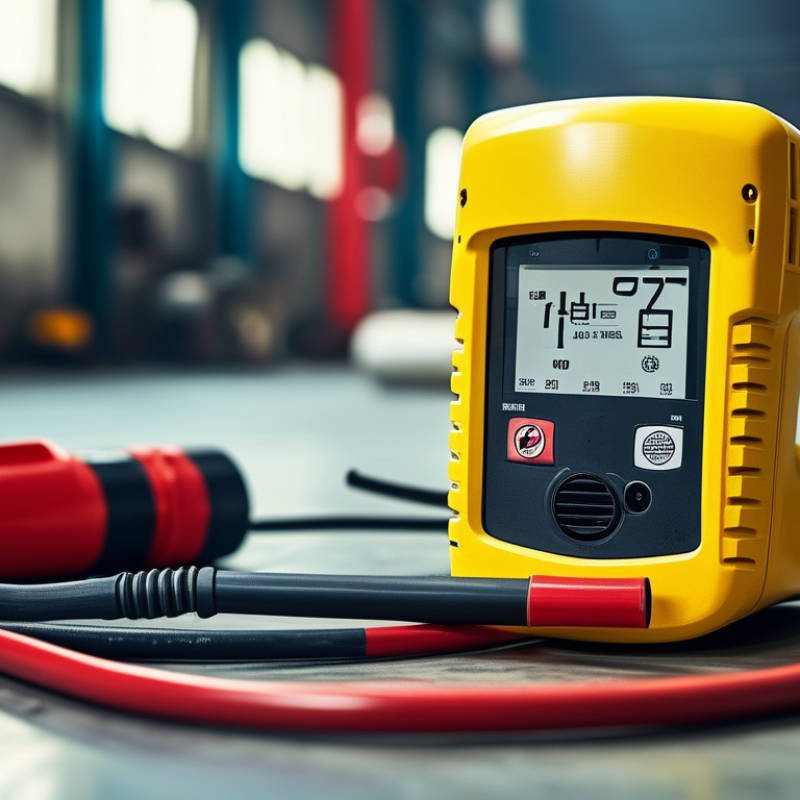
What is Gas Detection and Why is it Important for Safety?

What is Gas Detection?

Gas detection is a crucial process that identifies any harmful gases in the environment. It uses sensors to alert individuals to dangerous levels of gases like carbon monoxide or methane. These gases pose serious health risks, including poisoning and asphyxiation. Accurate detection enhances safety and awareness in various settings, such as industrial environments and confined spaces.

Tips: Always ensure gas detection systems are regularly calibrated. Faulty sensors can lead to missed hazards. Training staff on detection technologies is vital. They should understand how to respond to alarms effectively.

In daily operations, the presence of gas can often go unnoticed. Many people may overlook odors or subtle symptoms of exposure. A proactive approach involves using personal gas detectors, especially in hazardous locations. Investing in reliable equipment can avert catastrophic accidents. Remember, when in doubt about air quality, it’s wise to ventilate the area and check the equipment.

Types of Gas Detection Technologies

Gas detection plays a crucial role in maintaining safety in various environments. Several types of gas detection technologies are designed to identify harmful gases quickly. These technologies frequently include electrochemical sensors, infrared sensors, and metal-oxide sensors. Each method offers unique benefits and potential drawbacks.

Electrochemical sensors are widely used for detecting toxic gases. They work by measuring changes in current due to gas interactions. However, they can be affected by temperature and humidity, which may lead to inaccuracies. Infrared sensors, on the other hand, detect gases by measuring their absorption of infrared light. These sensors are typically more stable over time but can be more expensive and require regular maintenance.

Metal-oxide sensors detect gases by monitoring changes in electrical resistance. They are known for their fast response times. Despite their strengths, they can be sensitive to environmental changes. Understanding the limitations of each technology is critical. Implementing a combination of methods can enhance overall safety and reliability.

Gas Detection Technologies Comparison

This chart compares various gas detection technologies based on their detection range in parts per million (ppm). Understanding these technologies is crucial for ensuring safety in environments where hazardous gases may be present.

How Gas Detection Systems Work

Gas detection systems are crucial for ensuring safety in various environments. These systems monitor air quality and detect harmful gases. They use sensors to identify specific gas concentrations. When levels rise above safe thresholds, alarms are triggered. This immediate response is vital in preventing accidents.

Different technologies are employed in gas detection. Some systems use electrochemical sensors. They analyze gas samples and provide real-time data. Others utilize infrared sensors, which detect gas concentration based on light absorption. These methods are effective, but they have limitations. For example, certain gases may not trigger alarms if present in low concentrations.

Calibration and maintenance are essential for gas detection systems. Regular checks ensure they provide accurate readings. Users often overlook this aspect. A neglected system can lead to false alarms or missed detections. Relying solely on technology can be dangerous. Training personnel to understand the system is equally important. Awareness of potential gas hazards enhances safety and preparedness in various settings.

Importance of Gas Detection in Various Industries

Gas detection plays a vital role across various industries. In manufacturing, for instance, it helps identify the presence of harmful gases that could lead to accidents. Workers rely on real-time monitoring to ensure their safety. An alarm system can alert them instantly. This early warning can prevent severe incidents and save lives.


In the oil and gas sector, detecting gases like methane is crucial. A leak can escalate quickly, leading to catastrophic outcomes. Effective gas detection systems can minimize risks. However, some facilities may overlook maintenance. This negligence can create unsafe conditions. Regular checks are essential to enhance reliability.


Even in agriculture, gas detection is important. Ammonia and other gases can harm both humans and crops. Farmers need to monitor air quality for safe operations. Still, many are unaware of the technology available. This gap in knowledge can endanger workers. Emphasis on education and training can help bridge this divide.

Safety Standards and Regulations for Gas Detection Systems

Gas detection systems play a crucial role in various industries, ensuring safety and compliance with regulations. According to the International Society for Gas Detection and Control, proper gas detection can prevent over 90% of hazardous incidents. Adhering to safety standards is essential for effective operations. Organizations must comply with regulations such as OSHA and NFPA, which outline specific requirements for gas detection in workplaces.

Understanding these regulations is vital. The American National Standards Institute (ANSI) emphasizes the need for regular maintenance and calibration of gas detection systems. Non-compliance can lead to dangerous situations, including toxic exposure or fires. In fact, the National Fire Protection Association reports that improper gas monitoring was a factor in 40% of industrial accidents.

Tip: Conduct regular training sessions for employees on gas detection protocols. Awareness can significantly enhance safety.

Another key point is the technology used in gas detection. Systems must meet recognized standards for reliability and accuracy. Many systems require periodic testing to ensure functionality. Studies indicate that up to 25% of gas detectors may fail when not appropriately maintained.

Tip: Implement a checklist for routine checks on detection systems to ensure they meet safety criteria.

Effective gas detection is a continuous process demanding rigor and commitment from all involved. Without these measures, businesses expose themselves to severe risks and liabilities.

FAQS

: What are gas detection systems?

: Gas detection systems monitor air quality and identify harmful gases. They use sensors to track gas concentrations.

How do gas detection systems work?

These systems trigger alarms when gas levels exceed safe thresholds. This response prevents accidents and ensures safety.

What technologies do gas detection systems use?

Electrochemical and infrared sensors are common. They analyze gas samples and detect concentration changes.

Why is calibration important for these systems?

Regular calibration ensures accurate readings. Neglecting maintenance may cause false alarms or missed detections.

Can gas detection systems fail?

Yes, they can fail in low concentration scenarios. Relying solely on technology without training is risky.

What industries benefit from gas detection?

Manufacturing, oil and gas, and agriculture all rely on gas detection for safety and preventing accidents.

How does gas detection impact worker safety?

Real-time monitoring alerts workers to dangers. Early warnings can prevent severe incidents and save lives.

Are workers trained in gas detection technologies?

Many workers lack knowledge of gas detection systems. Education is needed to enhance safety and awareness.

What gases are commonly monitored?

Methane, ammonia, and other harmful gases are frequently monitored to protect people and environments.

What happens if maintenance is overlooked?

Overlooking maintenance can create unsafe conditions. Regular checks are vital to ensure the system functions correctly.

Conclusion

Gas detection is a critical safety measure used across various industries to identify the presence of hazardous gases in the environment. This process typically employs different detection technologies, including electrochemical sensors, infrared sensors, and catalytic sensors, each with unique operational principles. The effective functioning of gas detection systems is essential for ensuring safety in workplaces by providing timely alerts to any gas leaks or hazardous concentrations.

The importance of the detection of gases cannot be overstated, as it plays a vital role in protecting workers, preventing accidents, and ensuring compliance with safety regulations. Industries such as oil and gas, mining, and chemical manufacturing heavily rely on rigorous gas detection systems to mitigate risks associated with toxic and flammable gases. Adhering to safety standards and regulations is crucial in maintaining the effectiveness of gas detection systems and safeguarding both personnel and equipment.

Mason

Mason

Mason is a seasoned marketing professional with a deep expertise in the company's offerings and a passion for driving brand awareness. With a strong background in digital marketing strategies, he has an innate ability to connect with diverse audiences and effectively communicate product benefits.......