
In the world of home safety, a reliable Gas Leak Detector is an essential tool. Experts in the field emphasize the importance of early detection. "Gas leaks can happen unexpectedly, and a good detector saves lives," says Dr. Emily Harris, a renowned safety specialist. Her words reflect the urgency of addressing gas leaks timely.
Gas leak detection technology has evolved significantly. However, choosing the right Gas Leak Detector can be challenging. Many models lack sensitivity or durability. Users need to consider accuracy and response time. It’s crucial to invest in a device that can withstand various environmental conditions.
Despite advancements, some detectors still require regular maintenance and calibration. Users may overlook these aspects, thinking their device is infallible. Routine checks can prevent failures. Additionally, pairing detectors with a strong safety plan adds a layer of security. Prioritizing these strategies enhances the reliability of gas leak safety solutions.
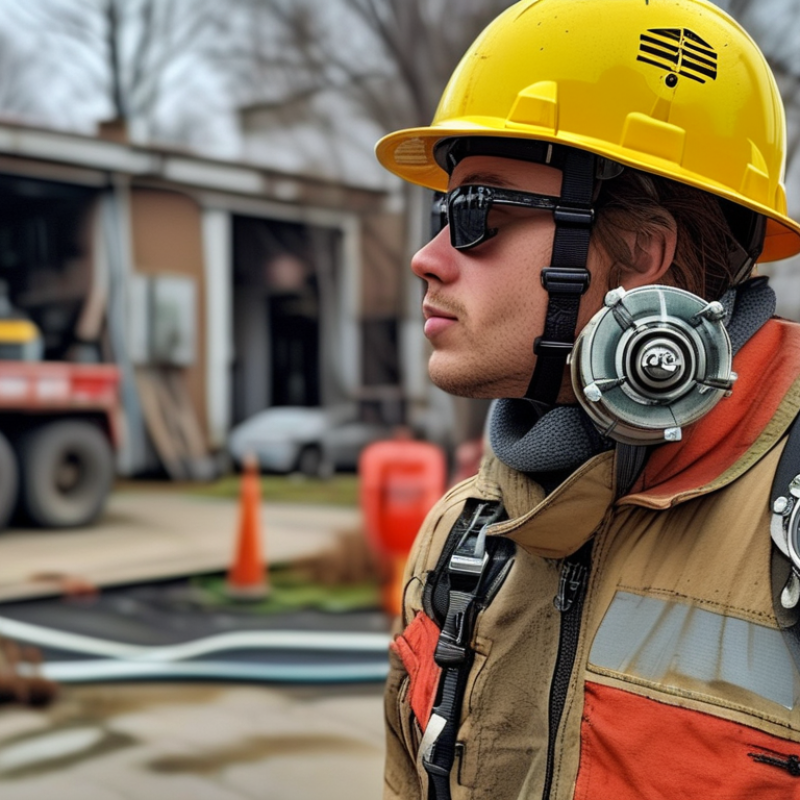
Gas leak detectors play a crucial role in ensuring home safety. These devices can identify dangerous gas leaks before they escalate into emergencies. The presence of gas in the air can lead to catastrophic outcomes. Therefore, understanding how these detectors function is vital for every homeowner.
Tips for choosing a gas leak detector include considering the sensitivity of the device. A good detector should respond quickly to low levels of gas. Regular maintenance is essential, too. Check alarms and replace batteries as needed. Install detectors in key areas, like kitchens and basements.
Awareness is as important as having the right tools. Many people overlook the potential dangers of gas leaks. Ensuring that every family member knows how to respond can save lives. Discuss evacuation plans and what to do if an alarm sounds. Regularly test detectors to confirm they are working properly. Taking these proactive steps can enhance safety measures at home.
When it comes to gas leak detectors, understanding the types available is crucial for safety. There are three main types: combustible gas detectors, toxic gas detectors, and multi-gas detectors. Each serves a different purpose and operates based on unique technologies.
Combustible gas detectors are designed to sense flammable gases, such as methane and propane. They often use infrared sensors or catalytic sensors to detect gas presence. Meanwhile, toxic gas detectors focus on harmful gases like carbon monoxide and hydrogen sulfide. These detectors employ electrochemical sensors to provide accurate readings. Multi-gas detectors combine features of both, making them useful in various environments, especially industrial settings.
Choosing the right type depends on specific needs. For instance, a home may require a combustible gas detector, while a laboratory might need a multi-gas option. People often overlook maintenance, which can compromise detection accuracy. Regular testing and calibration are essential to ensure reliability. Understanding these variations can help users make informed decisions about their safety solutions.
When selecting a reliable gas leak detector, key features are paramount.
Sensitivity is critical; detectors must identify
gas concentrations as low as 0.3% by volume. A study indicates that 71%
of gas leaks are undetected without proper detection technology. Thus, sensitivity directly impacts safety levels
in homes and industries alike.
Another essential feature is response time. A quality gas detector should
alert users within seconds. Delayed detection can lead to hazardous situations.
Industry reports suggest that rapid detection reduces exposure risks significantly. Visual and audible alarms also
enhance alertness, making immediate action more feasible.
Lastly, look for ease of use and maintenance.
User-friendly interfaces encourage regular checks. A 2019 survey indicated that 40%
of homeowners neglect testing devices. Regular checks ensure reliability. Ultimately, prioritizing these features
can lead to safer environments.
When installing gas leak detectors, selecting the right location is key. Detectors should be placed near potential leak sources, such as appliances and pipelines. The U.S. National Fire Protection Association (NFPA) recommends positioning detectors at head height for visibility. Install them in areas where gas is most likely to accumulate, such as basements or enclosed spaces.
Regular maintenance is crucial for optimal performance. Industry reports indicate that about 40% of gas leaks occur due to detector malfunctions. Check batteries monthly. Some detectors come with a low-battery alert feature. Clean the device periodically to prevent dust buildup, which can impair functionality. A thorough inspection every six months ensures sensors are working effectively.
Training household members on gas safety is often overlooked. Conduct drills to familiarize everyone with emergency procedures. Despite having a detector, relying solely on it is risky. Maintain a proactive approach towards gas leak prevention. Awareness and education are as vital as the technology itself. Only a combination of informed practice and reliable tools keeps homes safe.
When a gas leak alert is triggered, responding promptly is crucial. According to the U.S. Environmental Protection Agency (EPA), approximately 5,000 people are hospitalized each year due to gas-related incidents. Therefore, knowing how to react can save lives.
If you smell gas, the first step is to evacuate the area immediately. It’s essential to avoid using electronic devices or open flames, as these could ignite gas. Open windows if it’s safe to do so, but do not take unnecessary risks. Notify others and call emergency services once you’re in a safe location. The importance of having a clear emergency plan cannot be overstated; many households do not have one in place, leading to chaos in such situations.
In a gas leak scenario, staying calm can make a significant difference. Years of research indicate that panic can impair critical thinking. It’s vital to take slow, deep breaths. Prepare for such situations by discussing plans with family members. According to a survey by the National Fire Protection Association (NFPA), only 25% of households have discussed their emergency exit strategies. This neglect may cause hesitation during an actual emergency. Awareness and preparedness are crucial for safety.
: A quality gas leak detector must identify gas concentrations as low as 0.3% by volume.
Rapid detection is vital; delays can lead to hazardous situations and increased exposure risks.
Install detectors near potential leak sources, such as appliances and pipelines, at head height for visibility.
Conduct thorough inspections every six months and check batteries monthly to ensure reliability.
Evacuate the area immediately and avoid using electronics or open flames. Notify emergency services once safe.
Panic can impair critical thinking; staying calm is crucial during such emergencies for effective decision-making.
Many households lack clear emergency plans, which can lead to confusion and delay during real emergencies.
Regular checks prevent malfunctions; a significant percentage of leaks happen due to detector issues or neglect.
Gas leak detectors are essential devices for maintaining home safety, as they can identify hazardous gas leaks before they escalate into dangerous situations. Understanding the various types of gas leak detectors, such as those that detect natural gas or carbon monoxide, is crucial for selecting the right one for your home's specific needs. When choosing a gas leak detector, consider key features like sensitivity, response time, and ease of installation.
To ensure effective safety, it's important to follow best practices for installing and maintaining gas leak detectors. Regular testing and adherence to the manufacturer’s guidelines can enhance their reliability. Moreover, being prepared to respond appropriately to a gas leak alert can significantly mitigate risks associated with gas exposure. Overall, investing in a quality gas leak detector and understanding how to use it responsibly is vital for a safe living environment.
