
Carbon Monoxide Detector Alarms are crucial for home safety. According to the National Fire Protection Association, carbon monoxide (CO) is responsible for over 400 deaths annually in the U.S. alone. This odorless gas can accumulate in homes from faulty appliances or poor ventilation. Choosing the right detector is essential for protecting your family.
When selecting a Carbon Monoxide Detector Alarm, several factors must be considered. Reliability is key. Look for detectors that meet or exceed safety standards set by Underwriters Laboratories (UL). Many consumers overlook features like battery life and display options. A clear, digital readout can provide essential information during emergencies.
It's also worth noting that not all carbon monoxide detectors are equal. Some may not detect low levels effectively. Always research and read consumer reviews to gauge the detector's performance. An informed choice can make a significant difference in your home safety.
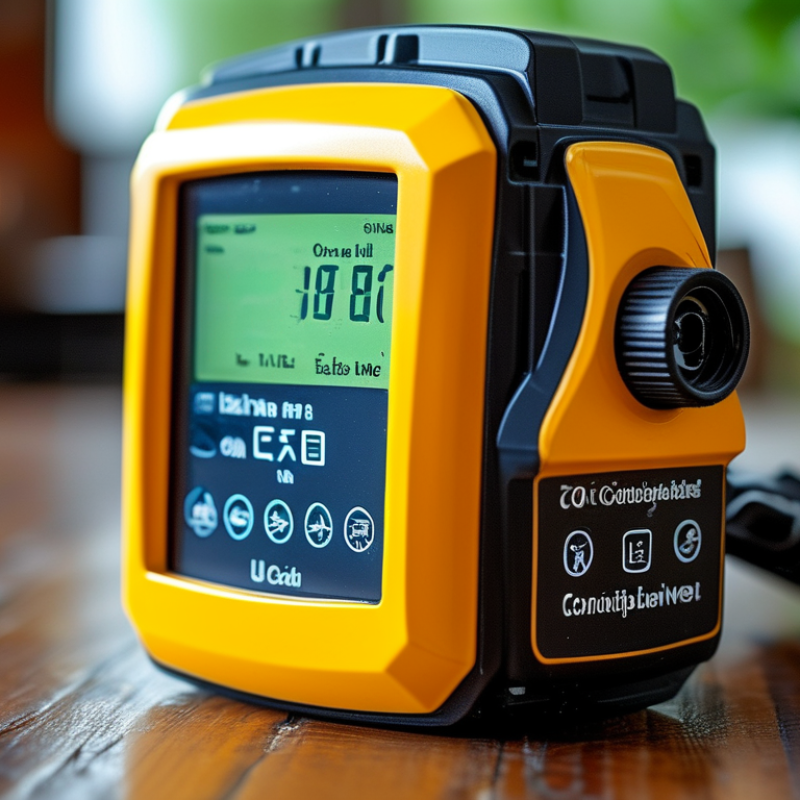
Carbon monoxide is a colorless and odorless gas. It is produced by burning fossil fuels. Sources include vehicles, gas appliances, and heaters. Exposure to high levels can lead to serious health problems. Symptoms of carbon monoxide poisoning include headache, dizziness, and confusion. In severe cases, it can be fatal.
People often underestimate the dangers of carbon monoxide. Many assume that a smoke alarm is sufficient. This belief can be dangerous. Carbon monoxide can accumulate in homes without notice. Even well-ventilated areas are not completely safe. Regular maintenance of fuel-burning appliances is crucial to minimize risks.
Awareness is key to prevention. Families should prioritize installing carbon monoxide detectors. Placing them near sleeping areas can save lives. Regular checks and battery replacements are essential. It is easy to overlook these tasks. However, being vigilant can prevent potential tragedies. Understanding the risks of carbon monoxide is vital for safety.
When choosing a carbon monoxide detector, understanding the various types and their features is essential. There are three primary types: biomimetic sensor detectors, metal oxide semiconductor detectors, and electrochemical detectors. Each type operates differently, impacting their reliability and costs. According to industry reports, electrochemical detectors are recognized for their accuracy and responsiveness, capturing low levels of carbon monoxide effectively. In contrast, metal oxide semiconductor detectors tend to be less reliable in fluctuating temperatures.
Comparisons reveal that biomimetic sensor detectors often contain a gel that changes color when exposed to carbon monoxide. This visual alert is useful in certain situations, but it lacks the sensitivity of electrochemical models. The National Fire Protection Association reports that using high-quality detectors can reduce CO poisoning incidents by up to 70%. However, some consumers may overlook the importance of regular maintenance and battery checks, which diminishes overall effectiveness.
Not all detectors provide the same level of features. Some may include digital displays or connectivity options, enhancing user experience. Yet, these additional features may lead to higher costs and complexity. While many users gravitate toward high-tech models, simplicity sometimes offers the most reliable performance. Awareness of both advantages and limitations is crucial in making an informed choice in the market.
When choosing the best carbon monoxide detector alarm, key features are crucial. First, ensure the device has a reliable sensor. According to the National Fire Protection Association, the most effective sensors can detect low levels of carbon monoxide. Look for devices that provide immediate alerts when dangerous CO levels are present.
Next, consider the power source of the detector. Battery-powered units are portable but require regular battery changes. Wired detectors are more reliable for long-term use. A study from Underwriters Laboratories indicates that hardwired detectors perform better in emergencies as they are less prone to failure due to dead batteries.
Another important feature is the display. Digital displays can show real-time CO levels. This feature helps users understand the situation better. The Centers for Disease Control and Prevention emphasizes the importance of understanding CO concentrations. Lastly, choose alarms with an audible warning. A loud chirp can alert you even while sleeping. In the end, evaluating these features helps ensure safety against the silent threat of carbon monoxide.
When it comes to the proper placement and installation of carbon monoxide detectors, location is key. Ideally, these devices should be installed outside sleeping areas. This ensures that the alarm can be heard if it goes off during the night. Each level of your home, including basements, should have at least one detector. However, avoid placing them directly near fuel-burning appliances, as this can lead to false alarms.
Tips: Consider mounting detectors on a wall at least five feet above the ground. Carbon monoxide rises, so higher placement can enhance detection. Regularly check the batteries and test the alarms monthly.
Another important detail is the installation process itself. Follow the manufacturer's instructions carefully. Some detectors can be plugged directly into outlets, while others require hard wiring. Whichever method you choose, ensure that the connections are secure. Keep in mind that detectors should not be obstructed by furniture or drapes. This can hinder their effectiveness.
Tips: Create a maintenance schedule for your detectors. Mark dates on your calendar for battery changes and testing. Reflect on your home’s layout often. Adapting to changes can improve safety.
Regular maintenance is vital for your carbon monoxide detector. Schedule monthly checks. The first step is to test the alarm button. Press it and listen for the sound. A functioning alarm should emit a loud beep. If it doesn’t, replace the batteries immediately. Some detectors also have sealed lithium batteries, which last longer.
Cleaning your detector is equally important. Dust can accumulate and interfere with the sensor. Use a soft cloth or vacuum attachment to remove debris. Be gentle; a strong force could damage the device. Inspect the placement of your detector too. Avoid areas with high humidity, like bathrooms. This can cause false alarms or failures.
Consider a yearly professional evaluation for added safety. Not all detectors function perfectly. Over time, sensors can degrade. Replacement might be necessary after several years, even if it appears to work. Stay informed about any updates or guidelines. This ensures your safety and the longevity of your detector.
: There are three main types: biomimetic sensor, metal oxide semiconductor, and electrochemical detectors.
Electrochemical detectors are known for their accuracy and effectively capture low CO levels.
Look for a reliable sensor that provides immediate alerts for dangerous CO levels.
Battery changes should be done regularly, as this affects the detector's reliability.
Install detectors outside sleeping areas and on each level of the home.
Avoid placing detectors near fuel-burning appliances to prevent false alarms.
Mount detectors at least five feet above the ground to improve detection.
Battery-powered units are portable but require regular maintenance. Wired detectors are more reliable.
Regular testing and battery checks ensure the detectors work effectively in emergencies.
Reflect on your home’s layout regularly and adjust placements for better safety against CO.
Choosing the best Carbon Monoxide Detector Alarm is crucial for ensuring safety in homes and workplaces. Understanding the risks associated with carbon monoxide exposure, including potential health effects, is the first step. There are various types of detectors available, each with unique features and functionalities, which should be carefully compared to determine the most suitable option for your needs.
When selecting a Carbon Monoxide Detector Alarm, it's essential to consider key features such as sensitivity, battery life, and alarm volume. Proper placement and installation are also critical to ensure effective detection, typically involving locations near sleeping areas and appliances that produce combustion. Regular maintenance and testing are paramount to confirm that the detector operates effectively, safeguarding individuals from the dangers of carbon monoxide poisoning.
