
Carbon monoxide (CO) is a colorless, odorless gas that poses serious health risks. According to the CDC, over 400 people die from unintentional CO poisoning each year in the U.S. alone. This alarming statistic highlights the critical need for reliable detection systems, such as Battery Carbon Monoxide Alarms. These devices can offer peace of mind, especially in homes without a hardwired system.
Battery Carbon Monoxide Alarms are essential for every household. They provide versatile options for installation and ensure monitoring in areas where traditional alarms may not be accessible. Recent market research shows that demand for battery-operated safety devices has grown due to their portability and ease of use. However, not all alarms are created equal. Buyers face challenges in choosing the right device due to varying features and effectiveness.
Areas such as product reliability and user-friendliness deserve attention. Some alarms may fail to provide accurate readings or are difficult to maintain. It is important for consumers to be aware of these pitfalls. As you explore the top options available, understanding these factors can lead to a better purchasing decision, ultimately improving safety in your home.
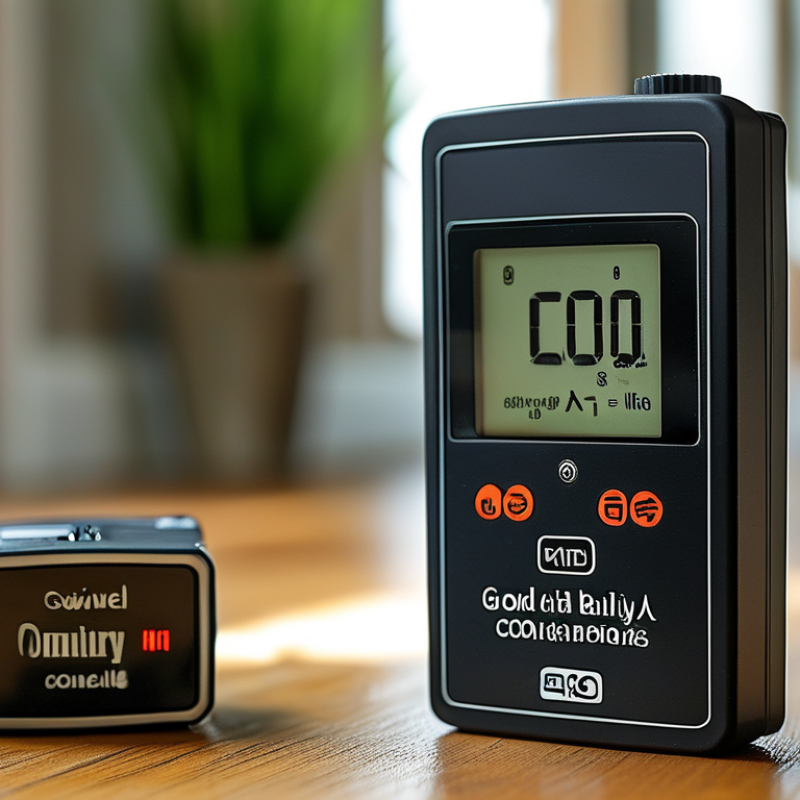
When selecting battery carbon monoxide alarms, it’s essential to understand key features that enhance reliability. Look for alarms with advanced sensor technology. This feature helps detect carbon monoxide more accurately. A display that shows CO levels provides real-time updates, offering transparency on air quality.
Battery life is another critical aspect. Alarms with long-lasting batteries require less frequent replacements. Users appreciate low-battery notifications. This alert system ensures that the device remains functional. Prioritize lightweight designs as well. They are easier to install and can be mounted in various locations.
Reliability often comes down to certifications. Alarms meeting strict safety standards can offer peace of mind. Consider models with tests by independent organizations. These insights affirm the alarm’s accuracy. However, ongoing maintenance is important. Regular testing of the device’s functionality ensures optimal performance. Taking time to review these features can lead to safer environments.
Carbon monoxide (CO) is a silent killer. This colorless, odorless gas can cause serious health issues. Even low levels can lead to headaches and dizziness. Higher concentrations can be fatal within minutes. Many homes lack proper detection systems, putting residents at risk. Understanding the dangers of CO can prompt action. Detection is crucial for safety.
Installation of CO alarms is essential. These devices alert you to dangerous levels of gas. Place alarms near sleeping areas and on every floor. Test them regularly to ensure they are functioning well. Replace batteries at least once a year. Older models may need replacement every five to seven years.
Know the symptoms of carbon monoxide poisoning. Mild exposure can cause nausea and fatigue. Severe exposure leads to confusion and unconsciousness. If you suspect CO poisoning, leave the area immediately. Seek fresh air and get medical attention. Awareness and detection go hand in hand. Create a safety plan for your household; it could save lives.
Battery-powered carbon monoxide (CO) alarms are gaining traction worldwide. Recent market trends show increased consumer awareness about the dangers of CO. This awareness drives demand for reliable, battery-operated alarms. Portable devices offer a practical solution for various living conditions. They are especially popular in rental properties and temporary housing.
Sales figures for battery-powered CO alarms are on the rise. Increased attention on home safety contributes to this growth. Families and individuals are investing in devices that ensure peace of mind. However, not all products meet safety standards. Some alarms may lack rigorous testing, raising concerns about reliability. Buyers must research and prioritize devices with recognized certifications.
The future looks promising for battery CO alarms, but challenges remain. Educating consumers about correct installation and maintenance is vital. Proper usage can significantly enhance safety. Many customers remain unaware of the importance of regular testing. As the market evolves, continuous focus on quality and education will shape consumer choices.
When choosing a battery-operated carbon monoxide alarm, performance metrics are essential. Reports indicate that these devices can detect CO levels as low as 30 ppm in under 30 seconds. User reviews often highlight sensitivity and response times as critical factors. Many users state that they feel more secure with alarms that provide quick alerts.
Data shows that some alarms have a lifespan of up to 10 years. However, regular replacement is often overlooked. Inconsistent battery performance can lead to false alarms or, worse, failures to alert during a CO leak. Users sometimes express frustration when alarms do not operate consistently.
Monitoring how an alarm is rated for ease of installation and usability can guide buyers effectively. Many customers appreciate intuitive designs. Others note difficulties with confusing instructions. User feedback reveals that simplicity often leads to higher satisfaction. The gap in expectations reflects the need for clear communication on product performance.
When selecting a battery carbon monoxide alarm, understanding global regulatory standards is crucial. Many countries have specific compliance requirements to ensure public safety. For instance, the Underwriters Laboratories (UL) in the United States and the European Committee for Electrotechnical Standardization (CENELEC) set rigorous testing parameters. Alarms must meet these standards to ensure reliability in detecting carbon monoxide, a silent killer.
Reports indicate that about 20,000 emergency visits occur annually due to carbon monoxide poisoning in the U.S. alone. This alarming statistic emphasizes the need for quality alarms. International standards, like ISO 9001, ensure manufacturers adhere to quality management principles. It’s essential to look for products that comply with recognized standards. Not all alarms are created equal, and meeting regulatory requirements is a vital indicator of safety and effectiveness.
Tip: Before purchasing, verify compliance with local regulations. Also, consider alarms with both visual and auditory alerts. Remember that battery life varies; regular testing is critical. Always maintain your alarm and replace batteries as recommended. Ensuring reliability means protecting lives.
| Model | Power Source | Sensitivity Rating | Battery Life | Regulatory Compliance | Warranty |
|---|---|---|---|---|---|
| Model A | AA Batteries | 0.04% CO | 2 Years | EN 50291 | 3 Years |
| Model B | 9V Battery | 0.03% CO | 5 Years | UL 2034 | 5 Years |
| Model C | Lithium-ion | 0.05% CO | 10 Years | NFPA 720 | 10 Years |
| Model D | Rechargeable | 0.02% CO | 3 Years | AS 3786 | 5 Years |
| Model E | Battery Backup | 0.01% CO | 7 Years | ISO 12100 | 7 Years |
| Model F | Standard Batteries | 0.06% CO | 2 Years | CSA 6.19 | 3 Years |
| Model G | Button Cell | 0.04% CO | 10 Years | IEC 60065 | 10 Years |
| Model H | AC Powered | 0.03% CO | Lifetime | EN 50194 | Lifetime |
| Model I | Plug-in with Battery | 0.05% CO | 5 Years | UL 2075 | 5 Years |
| Model J | Wireless Battery | 0.02% CO | 8 Years | SAA AS3786 | 8 Years |
: Seek alarms with advanced sensor technology for accurate detection. A display showing CO levels offers real-time updates.
Long-lasting batteries need fewer replacements. Low-battery notifications ensure the alarm remains functional when needed.
Choose alarms that meet strict safety standards and have been tested by independent organizations for accuracy.
Place them near sleeping areas and on every floor for optimal safety.
Test alarms regularly and replace batteries at least once a year. Older models may need replacement every five to seven years.
Mild symptoms include headaches and nausea. Severe exposure may cause confusion or unconsciousness.
Leave the area immediately. Seek fresh air and get medical attention as soon as possible.
Compliance with safety standards ensures the alarm's reliability in detecting carbon monoxide, protecting lives.
Establish a routine for testing alarms and educating household members about CO dangers and emergency responses.
No, quality varies. Verify compliance with local regulations to ensure safety and effectiveness before purchasing.
The article "Top 10 Battery Carbon Monoxide Alarms for Global Buyers" provides an insightful overview of essential features and considerations for consumers looking to invest in battery-powered carbon monoxide alarms. It highlights the dangers associated with carbon monoxide exposure and emphasizes the critical need for effective detection to ensure safety in homes and workplaces. Analyzing current market trends, the article showcases the growth in sales of these alarms, reflecting an increasing consumer awareness of the risks associated with carbon monoxide.
In addition, the article compares the performance metrics and user reviews of various battery carbon monoxide alarms, enabling buyers to make informed decisions based on reliability and effectiveness. Finally, it outlines the regulatory standards that govern the compliance of these alarms, ensuring they meet safety requirements worldwide. This comprehensive guide equips readers with the knowledge they need to protect their environments against the silent threat of carbon monoxide.
