
A Carbon Monoxide Alarm is an essential safety device in any home. According to James K. Clark, a leading expert in home safety, "Understanding the features of a carbon monoxide alarm can save lives." This statement underscores the importance of knowing what to look for in these vital devices.
Carbon monoxide (CO) is a silent killer. It is colorless and odorless, making detection challenging without proper alarms. Many people underestimate the risks of CO exposure. A reliable Carbon Monoxide Alarm serves as your front-line defense against this danger.
Modern alarms come with various features designed to enhance safety. From advanced sensor technology to user-friendly interfaces, knowing these can help you choose wisely. Each feature plays a crucial role in timely detection and alerting. Considering recent tragedies linked to CO poisoning, understanding these features becomes a matter of life and death. Investing time in learning about Carbon Monoxide Alarm capabilities is crucial.
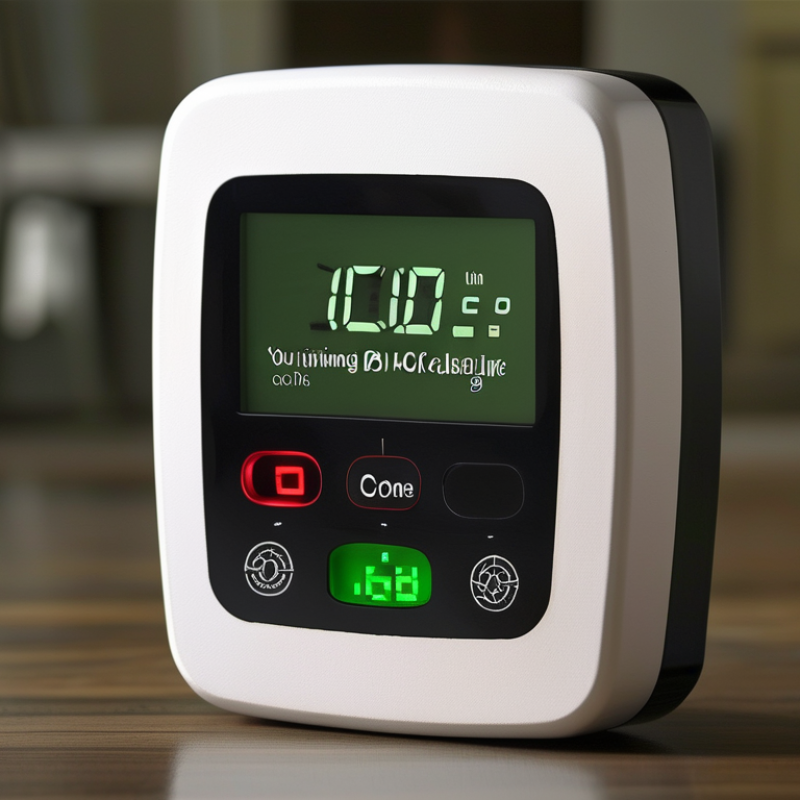
When looking for a carbon monoxide alarm, understanding its features is crucial for safety. Most devices come with essential alerts. A loud beep can save lives, alerting you to toxic gas presence. According to industry research, 50% of CO poisoning cases occur in homes without alarms. This statistic underscores the importance of features like voice alerts that clearly indicate CO levels and battery status.
A digital display is another vital feature. It provides accurate readings of CO concentration over time. This information aids in understanding when ventilation is necessary. Think about alarms with a sealed battery. These devices last up to ten years without the need for replacement. Yet, many overlook the need for routine checks.
Tips: Regular testing of alarms ensures they function correctly. An alarm with a low battery warning can prevent deceptive safety. Most experts recommend replacing alarms every five years, even if they seem functional. Regular maintenance is not just a suggestion; it's a necessity for safety. Stay informed, and prioritize reliability in your carbon monoxide alarm selection to protect your home and family.
Understanding carbon monoxide detection standards is crucial for safety.
These standards ensure alarms function correctly and alert people to danger.
Carbon monoxide is a silent killer.
Many homes can be at risk without proper detection.
Detection standards vary by region.
Some regions require alarms to meet specific safety certifications.
These certifications indicate that the product has been rigorously tested.
They help ensure sensors can accurately detect carbon monoxide levels.
Standards also often include guidance on installation. Correct placement is essential for effective monitoring.
Many people overlook the importance of regular maintenance.
Just having an alarm is not enough. Regular testing can uncover issues that may prevent alarms from working.
A reliable alarm is only effective if it is taken care of.
Understanding and following detection standards can significantly reduce risks associated with carbon monoxide exposure.
Carbon monoxide alarms are essential for home safety. Understanding the key sensor technologies can help you make informed choices. The most common sensor types include electrochemical, metal oxide semiconductor, and biomimetic sensors.
Electrochemical sensors are highly sensitive. They detect low levels of carbon monoxide quickly. This technology uses a chemical reaction to measure gas concentrations. They often require calibration but provide reliable readings.
Metal oxide semiconductor sensors offer a different approach. They change resistance when exposed to carbon monoxide. These sensors are durable and have fast response times. However, they can be less accurate at lower concentrations.
Biomimetic sensors imitate natural processes to detect carbon monoxide. They often use a gel that changes color in the presence of the gas. While they are effective, they can be less reliable over time. Each type of sensor has its strengths and weaknesses, so understanding them is crucial for safety.
When it comes to carbon monoxide alarms, two critical factors stand out: sensitivity and response time. Sensitivity determines how effectively an alarm detects carbon monoxide levels. A highly sensitive alarm can identify trace amounts of the gas before it becomes dangerous. This is crucial in preventing potential poisoning, as exposure to carbon monoxide can happen without initial symptoms.
On the other hand, response time refers to how quickly the alarm sounds after detecting carbon monoxide. A faster response can literally be the difference between life and death. Ideally, alarms should alert you within moments of detecting the gas, giving you time to evacuate and seek help. Yet, some models may take longer than expected. This inconsistency highlights the importance of selecting alarms that meet rigorous testing standards.
Tips:
Regularly test your alarms to ensure they are functioning. Replace batteries every six months, even if they are still working. Keep alarms at appropriate heights; they should be at eye level or on the ceiling depending on the instructions.
Do not neglect to read reviews or expert opinions on the alarms you choose. Not all alarms are created equal, and some may not perform adequately in critical situations. Taking time to research and select the right model can save lives.
| Feature | Importance | Sensitivity Levels | Response Time | Power Source |
|---|---|---|---|---|
| Alarm Sensitivity | Detects low levels of CO | 0-50 ppm | Within 2 minutes | Battery or AC |
| Response Time | Quick alert in case of CO exposure | Standard: 30-300 ppm | 1-4 minutes | Battery or AC |
| Peak Level Memory | Stores the highest CO level detected | N/A | N/A | Battery or AC |
| Test/Silence Button | Allows users to test functionality or silence alarms | N/A | N/A | Battery or AC |
| Digital Display | Shows current CO levels | 0-999 ppm | N/A | Battery or AC |
| Voice Alerts | Provides verbal warnings | N/A | N/A | Battery or AC |
| Low Battery Indicator | Alerts when batteries are low | N/A | N/A | Battery or AC |
| Interconnectivity | Links with other alarms for broader coverage | N/A | N/A | Battery or AC |
| End-of-Life Alert | Indicates when the alarm needs to be replaced | N/A | N/A | Battery or AC |
Battery backup plays a crucial role in the effectiveness of carbon monoxide alarms. Without it, alarms become useless during power outages. Many households rely on electricity for daily functions. Yet, emergencies often strike when least expected. A reliable battery backup ensures that these alarms sound off even in darkness.
Choosing a carbon monoxide alarm with battery backup adds an extra layer of security. You want an alarm that performs consistently. Consider models with long-lasting batteries, requiring minimal maintenance. It’s essential to check the battery regularly. Some users forget this step, which can lead to silence when alerting is crucial.
Reflect on your home’s safety. Is your current alarm system effective enough? A reliable battery backup transforms a simple alarm into a safety net. Remember, it’s not just about having an alarm; it’s about having one that works when it matters most. In many cases, a small oversight can lead to significant consequences. Be proactive and ensure your carbon monoxide alarm has a strong battery backup.
When considering carbon monoxide alarms, smart features play a crucial role in monitoring safety. Smart technologies now enhance these devices, providing real-time data and alerts. Integration with smartphones allows users to receive notifications instantly. This ensures that you are aware of potential dangers, no matter where you are.
Tips: Regularly check the battery life of your alarm. A non-functioning alarm can be as dangerous as no alarm at all. Consider positioning the alarm close to sleeping areas for maximum effectiveness.
Additionally, some alarms offer voice alerts. Instead of a simple beep, they announce the danger level. This can help in distinguishing between false alarms and real threats. Yet, it’s essential to note that technology can fail. Always trust your instincts if you suspect a gas leak.
Tips: Maintain a log of alarm tests and battery changes. This ensures that you are proactive rather than reactive. A small issue can escalate quickly if not addressed. Your safety can depend on the reliability of your equipment.
: Battery backup ensures alarms function during power outages. It keeps your home safe even when electricity fails.
It's crucial to check batteries regularly. Forgetting this step can lead to silence during emergencies.
Look for long-lasting batteries and minimal maintenance. Reliability is essential for effective monitoring.
Smart features provide real-time data and alerts via smartphones. You stay informed about dangers, no matter where you are.
Voice alerts announce danger levels rather than just beeping. They help you identify real threats quickly.
Position the alarm close to sleeping areas. This maximizes effectiveness during nighttime emergencies.
Always trust your instincts if you sense a leak. Technology can fail; take immediate action to ensure safety.
Maintain a log of tests and battery changes. Address small issues before they escalate into serious problems.
Many users forget to check battery life regularly. This can result in a non-functioning alarm when it's needed most.
It acts as a safety net, ensuring alertness during critical moments. Don’t just rely on having an alarm; ensure it works.
Carbon monoxide alarms are essential safety devices that protect against the dangers of carbon monoxide exposure. Understanding the key features of these alarms is crucial for effective monitoring and prevention. The importance of standardized detection practices ensures that alarms are reliable and accurate. Key sensor technologies play a vital role in detecting carbon monoxide efficiently, while alarm sensitivity and response time are critical in ensuring timely alerts in case of a threat.
Additionally, the presence of a battery backup enhances the sustainability of carbon monoxide alarms, ensuring they function even during power outages. With the rise of smart home technology, integrating advanced features for enhanced monitoring can significantly improve safety measures. Overall, being informed about these top features can empower users to choose the right carbon monoxide alarm for their homes and loved ones.