
When considering home safety, the importance of a reliable CO carbon monoxide detector cannot be overstated. Carbon monoxide is a colorless and odorless gas that can pose serious health risks. Understanding the features of the latest CO carbon monoxide detectors is crucial for any homeowner.
The 2026 models are equipped with advanced technology to enhance safety. Many detectors now offer real-time monitoring and alerts through smartphone apps. Some devices even integrate with home security systems, providing a comprehensive safety solution. However, as these technologies evolve, buyers must remain vigilant about what features truly matter.
Not all features are created equal, and some may not deliver the promised reliability. A high price does not always guarantee quality. As you explore options, keep in mind that effective detectors should prioritize sensitivity and accuracy. It's essential to ensure that your CO carbon monoxide detector has a proven track record of reliability to protect your loved ones.
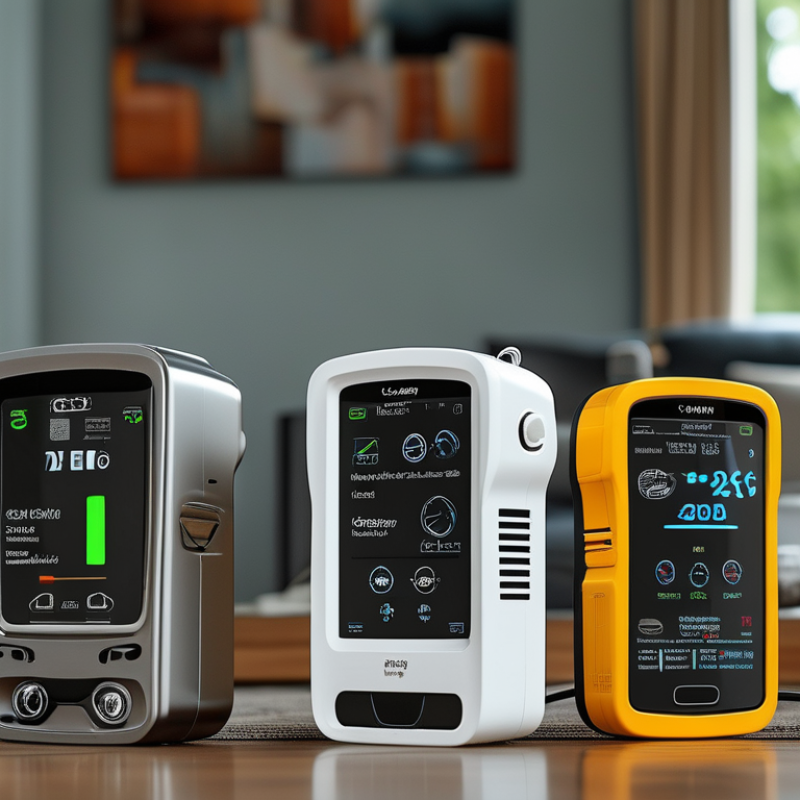
When choosing a carbon monoxide (CO) detector, it's crucial to recognize the various types available. The key types include plug-in detectors, battery-operated models, and hardwired devices. Plug-in detectors serve as convenient options. They easily connect to electrical outlets but may not function during power outages. Battery-powered models offer portability but require regular battery checks to ensure reliability.
Hardwired detectors provide a more permanent solution. They integrate directly into your home’s electrical system. Such devices often come with battery backup systems, ensuring they operate during power failures. According to the National Fire Protection Association, homes with carbon monoxide detectors are 50% less likely to have CO-related incidents.
**Tip:** Regularly check your CO detectors. Replace batteries at least twice a year. Also, consider placing detectors near sleeping areas. This ensures you hear alarms promptly in emergencies.
Choosing the right type can enhance safety. Some models can even connect to smart home systems, providing alerts to your phone. It’s wise to reflect on the specific needs of your home. While convenience is important, the reliability of the detector is paramount. Check for certifications and safety ratings to ensure quality and effectiveness.
| Feature | Description | Types |
|---|---|---|
| Digital Display | Shows real-time CO levels and alerts you to danger. | Plug-in, battery-operated |
| Smart Technology | Connects to smartphone apps for alerts and monitoring. | Wired, battery-operated |
| Self-Test Function | Automatically tests the detector for proper functioning. | Standalone, multi-gas detectors |
| Voice Alerts | Voice notifications provide specific alerts and instructions. | Battery-operated, hardwired |
| Low Battery Indicator | Alerts when the battery is low to ensure reliable operation. | Battery-operated |
| Multi-Gas Detection | Detects other gases along with carbon monoxide. | Standalone units |
: There are plug-in, battery-operated, and hardwired models. Each type serves different needs.
Regular checks are essential. Clean them and replace batteries at least twice yearly.
Lithium batteries can last up to ten years, while alkaline batteries usually need annual replacement.
Most detectors last five to seven years. Replacement after this period is crucial for safety.
They may connect to Wi-Fi, provide smartphone alerts, and use voice announcements for warnings.
Dust can affect performance. Regular cleaning and checks prevent malfunction and enhance reliability.
Yes, they can integrate with smart home systems, but setup must be correct to ensure effectiveness.
Neglecting maintenance can lead to dangerous situations from malfunctioning detectors or low battery levels.
Regular testing and proper configuration are necessary to guarantee timely alerts during emergencies.
Reliability should be prioritized. Always check certifications and safety ratings before purchasing a model.
When considering the purchase of a CO carbon monoxide detector, it's essential to understand the various types available, each designed to meet specific safety needs. Key features such as advanced sensors can significantly enhance detection accuracy, ensuring quick response times to dangerous CO levels. Additionally, the incorporation of clear displays and alert systems is critical for effective communication of potential threats, providing peace of mind to users.
Another important aspect to consider is the battery life and maintenance requirements of carbon monoxide detectors, as these factors impact the device's long-term reliability. Finally, smart technology integration in modern CO carbon monoxide detectors offers users the ability to receive alerts and monitor conditions remotely, further enhancing safety measures in homes and businesses.
