
In today's world, ensuring safety in homes and businesses is more critical than ever. A trusted industry expert, Dr. Alex Harper, stated, “The right Gas Leak Detector Sensor can save lives.” Gas leaks pose serious risks. They can lead to explosions, health issues, and significant damage.
Choosing the best Gas Leak Detector Sensor is essential for prevention. With various technologies in the market, it can be overwhelming. Many sensors are available, each offering unique features and levels of reliability. Understanding these options helps consumers make informed choices. Knowledge about detection limits and sensor types is vital.
While most products claim efficiency, not all sensors perform equally well. Some might miss low-level leaks, while others may provide false alarms. Research shows that regular maintenance of these sensors is crucial to ensure effectiveness. Even the best technology can fail if not properly cared for. Making informed decisions about gas leak detection is a matter of safety and responsibility.
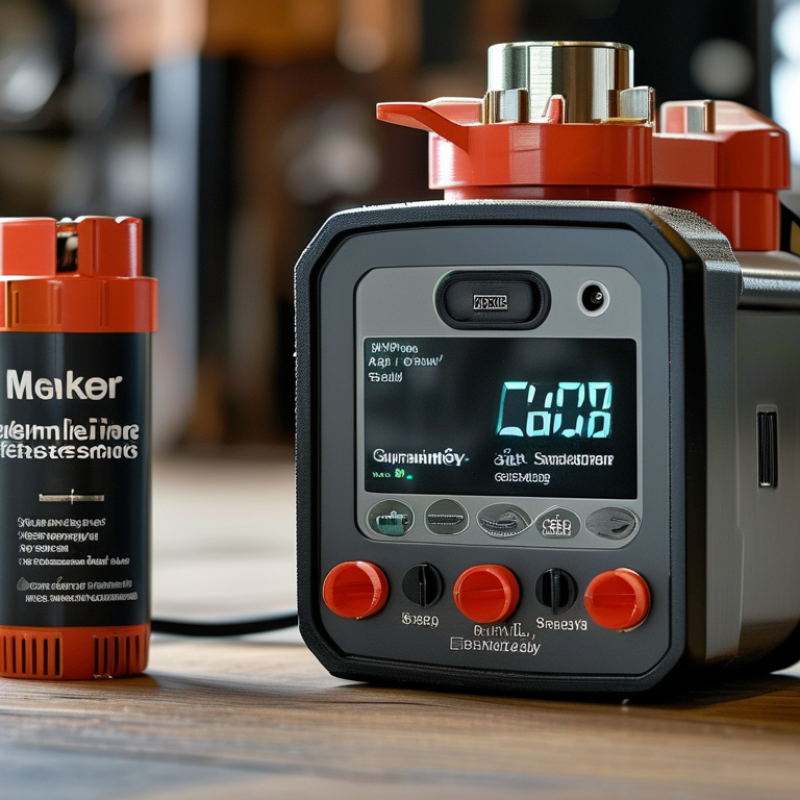
Gas leak detectors play a crucial role in safeguarding homes and businesses. The National Fire Protection Association (NFPA) reports that nearly 90% of gas-related incidents could be prevented through proper detection systems. By identifying gas leaks early, these devices help mitigate risks associated with explosions and health hazards.
Understanding how gas leak detectors work is essential. Typically, these sensors utilize various technologies such as catalytic combustion and electrochemical detection. They analyze gas concentrations in the environment. A significant percentage of households, around 30%, lack adequate detection systems, raising concerns about safety. Regular maintenance and testing of these systems are vital, as even minor malfunctions can lead to catastrophic consequences.
Experts recommend regularly checking batteries and sensor functionality. A study by the American Gas Association indicates that nearly 70% of gas leaks can go unnoticed without proper detection. This highlights the necessity of these devices in both residential and commercial settings. Awareness and education regarding their importance remain areas for improvement.
When it comes to ensuring safety in homes and businesses, gas leak detectors are essential tools. There are several types available, each designed for specific gases. Some detectors focus on natural gas, while others detect carbon monoxide or propane. Knowing which type to use can greatly impact safety.
Portable gas detectors are handy for on-the-go needs. They can be used in various locations, providing immediate feedback. Fixed gas leak detectors, however, are essential for larger facilities. They continuously monitor air quality and alert occupants if gas levels become hazardous.
Ultrasonic detectors work differently, detecting sound waves generated by gas leaks. These are becoming more popular due to their unique technology. Some users may find the different types overwhelming. Understanding the technology behind each is crucial for making informed decisions. Familiarity with their functions reinforces safety in everyday life. Consider evaluating your specific needs before investing in a detector.
When choosing a gas leak detector sensor for safety at home or in business, consider its sensitivity. A sensor that can detect minute concentrations of gas is critical. Look for units that can identify various gases, such as methane and propane. Multi-gas detectors add an extra layer of protection. Choose devices with a quick response time, as every moment counts in a potential leak scenario.
Reliability is another key feature. A robust design that withstands environmental factors is essential. Consider the detector's alarm systems. A loud, clear alert can provide peace of mind. Some models even offer visual alarms, which are beneficial in noisy environments. Battery life matters, too. Long-lasting power ensures the unit remains operational during critical times.
User-friendliness is vital. A straightforward interface allows quick response in emergencies. Some detectors come with mobile app integration for real-time updates. It’s worth reflecting on your specific needs; a more complex system might not be necessary for smaller spaces. Regular maintenance and testing of your devices can sometimes be overlooked. Regular checks help ensure your safety measures are effective.
When it comes to protecting your home and business from gas leaks, detectors are essential. A recent study highlighted that gas leaks account for 17% of all home fires, underlining the urgent need for reliable detection systems. Effective gas leak detectors can identify dangerous levels of methane, propane, and carbon monoxide in real-time, preventing potential disasters.
Many popular models now feature advanced sensors with quick response times. Some detectors can alert users via smartphone notifications. This is crucial for busy households or businesses where immediate awareness is necessary. Data suggests that homes equipped with quality gas detectors reduce the risk of gas-related incidents significantly.
However, it’s vital to consider placement and maintenance. Detectors should be installed near gas appliances and in areas with good air circulation. Regular testing is also necessary to ensure functionality. A report from the National Fire Protection Association indicates that nearly 50% of non-functional detectors are due to lack of maintenance. This points to a gap in user awareness that needs to be addressed for optimal safety.
Gas leak detectors are essential for maintaining safety in commercial environments. These devices can identify harmful gas concentrations, preventing potential hazards. Most sensors use advanced technology to detect gases, offering real-time alerts. It’s crucial for businesses to invest in reliable detection systems that comply with safety standards.
Selecting the right gas leak detector involves understanding the specific needs of your facility. Different sensors are tailored to detect various gases, such as methane, propane, or carbon monoxide. Integrated alarms are vital for immediate response in case of a leak. Regular maintenance and calibration of these devices ensure their reliability. A neglected sensor can lead to a false sense of security.
While many detectors are user-friendly, training staff to recognize alarm signals is equally important. Some devices may require manual checks, which can be overlooked. That’s a common error in many businesses. Awareness and consistent monitoring enhance overall safety. In commercial settings, the stakes are high, making effective gas leak detectors indispensable for protection.
| Sensor Type | Detection Method | Sensitivity (ppm) | Response Time (seconds) | Power Source | Ideal Use |
|---|---|---|---|---|---|
| Electrochemical | Chemical Reaction | 1-300 ppm | 2-5 | Battery | Residential |
| Metal-Oxide | Conductivity Change | 300-5000 ppm | 10-30 | AC Power | Commercial |
| Infrared | Optical Absorption | 0-10000 ppm | 1-3 | Battery or AC | Industrial |
| Photoionization | Ionization | 0-2000 ppm | 1 | Battery | Laboratory & Hazardous Areas |
: They help prevent gas-related incidents and protect homes and businesses from explosions and health risks.
They use technologies like catalytic combustion and electrochemical detection to analyze gas concentrations.
About 30% of households do not have adequate gas leak detection systems, raising safety concerns.
Look for sensitivity, reliability, multi-gas detection, and user-friendly interfaces for effective safety.
Regular maintenance is crucial. Neglect can lead to malfunctions, which may result in dangerous situations.
Yes, many models provide alerts through loud alarms or smartphone notifications for immediate awareness.
Install detectors near gas appliances and in well-ventilated areas for optimal detection.
Nearly 50% of non-functional detectors result from maintenance neglect, highlighting a critical safety issue.
Yes, they provide an extra layer of protection by detecting various gases like methane and propane.
Regular testing is essential to ensure your detectors are functioning properly and effectively safeguarding you.
Gas leak detector sensors are essential for ensuring safety in both homes and businesses, as they play a crucial role in detecting hazardous gas leaks before they escalate into dangerous situations. Understanding the functionality and importance of these devices helps users appreciate their value. Various types of gas leak detectors cater to different needs, providing a comprehensive overview of options available in the market.
When selecting a gas leak detector sensor, it is vital to consider key features such as sensitivity, response time, and user-friendliness. For residential use, popular models emphasize portability and ease of installation, while commercial applications demand more advanced technology and reliability. By prioritizing the right features and understanding the various types of available detectors, individuals and businesses can enhance their safety measures significantly.
