
Gas leaks pose significant risks to safety and efficiency in various industries. In fact, industry reports indicate that gas leaks contribute to over 70% of hazardous incidents in industrial settings. A reliable Gas Leak Sensor is essential for early detection to mitigate these risks.
Many businesses underestimate the importance of effective leak detection systems. With human error accounting for 40% of all gas leaks, investing in advanced sensors becomes crucial. Some modern sensors detect even trace amounts of gas, providing advanced safety measures. Ensuring the safety of workers and property requires a proactive approach.
Market research shows that the global gas sensor market is expected to reach $2.6 billion by 2026, reflecting the growing recognition of their value. Choosing the right Gas Leak Sensor can significantly enhance safety protocols. However, organizations must regularly evaluate their sensors’ performance. Ultimately, understanding industry needs will guide companies toward making informed decisions in their safety strategies.
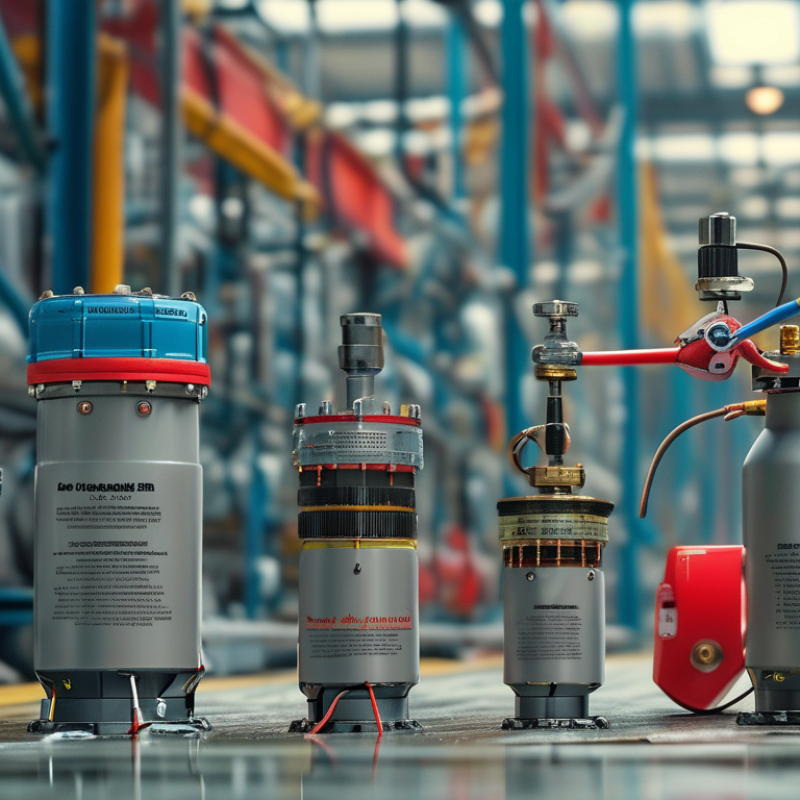
Gas leak sensors play a crucial role in ensuring safety in various environments. These devices detect hazardous gases in the air. They alert individuals to possible leaks, preventing accidents. Understanding how these sensors work can enhance safety measures in homes and industries alike.
The importance of gas leak sensors cannot be overstated. They can prevent catastrophic incidents caused by undetected leaks. Accumulated gases pose significant risks, from fires to health hazards. Regular maintenance and testing of these sensors are essential, though often overlooked. It’s vital for users to remain aware and informed about their functionality and limitations.
Implementing these sensors should not be viewed as a one-time solution. Continuous monitoring and periodic assessments are necessary for optimal performance. The technology behind gas leak detection is evolving, but it still requires human vigilance. Relying solely on devices can be problematic. Proper training and awareness contribute significantly to safety outcomes. People must reflect on their roles in preventing gas-related incidents.
| Sensor Type | Detection Range | Response Time | Power Source | Sensitivity | Features |
|---|---|---|---|---|---|
| Electrochemical | 0-1000 ppm | < 10 seconds | Battery operated | High | Wi-Fi connectivity, mobile alerts |
| Infrared | 0-5000 ppm | < 15 seconds | AC powered | Medium | Remote monitoring, LCD display |
| Catalytic bead | 0-100% LEL | < 5 seconds | Battery or AC | Very High | Alarm system, portable |
| Semiconductor | 0-3000 ppm | < 20 seconds | Battery powered | Moderate | Compact size, low cost |
| Photoionization | 0-100 ppm | < 30 seconds | AC powered | Ultra High | Data logging, real-time alerts |
: Focus on detection range, response time, and accuracy. Multiple gas detection is ideal.
Fast response times can save lives in emergencies. Quick action can prevent disasters.
Regular calibration is crucial. Without it, the readings may become unreliable over time.
Temperature fluctuations and humidity can impact durability. Choose sensors that can withstand these conditions.
Place sensors near gas appliances and in basements. Consider airflow and mounting guidelines.
Regular cleaning and testing are vital. Dust can cause false alarms and hinder accurate readings.
Technologies include electrochemical, infrared, and semiconductor sensors. Each has unique strengths and weaknesses.
Evacuate the area immediately. Follow safety protocols and contact professionals to handle the situation.
Yes, frequent testing helps identify issues early. Neglecting this can lead to unsafe conditions.
Avoid tight spaces and high ceilings. Follow the manufacturer's guidelines to ensure proper functioning.
Gas leak sensors are crucial devices designed to detect hazardous gas leaks, ensuring safety and efficiency in various environments. Understanding their definition and importance is the first step in recognizing how they protect both lives and property. When selecting a gas leak sensor, it is essential to consider key features such as sensitivity, response time, and alarm systems, which significantly contribute to their effectiveness.
The article reviews the top 10 gas leak sensors available, highlighting their unique features and performance capabilities. A comparative analysis of different gas leak sensor technologies provides insights into their operational efficiencies. Additionally, practical installation and maintenance tips are offered to help users achieve optimal performance from their gas leak sensors, promoting a safer environment in both residential and industrial settings.
