
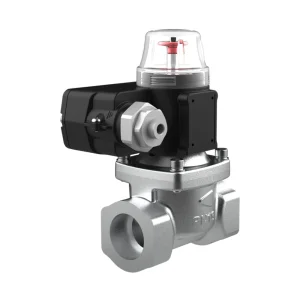
In modern process industries, the control and isolation of volatile media require safety mechanisms that perform under absolute pressure. The 4-inch gas valve represents a pivotal engineering standard. Large enough to handle main-line municipal distribution and primary intake headers for heavy industrial combustion plants, yet responsive enough to shut down within milliseconds under automated control, these valves are the vanguard of safety and flow regulation. Whether implemented as emergency shutdown valves (ESDVs), pressure-regulating valves, or direct-acting gas solenoid valves, their design, metal-forming precision, and compliance profiles directly determine facility runtime and human safety.
This industry report acts as a technical white paper for procurement officers, safety engineers, and commercial managers looking to establish partnerships with qualified 4-inch gas valve suppliers and manufacturers. We analyze the macro-economic movement, material engineering pathways, regional regulatory landscapes, and the technical roadmap defining the future of automated gas shut-off systems.
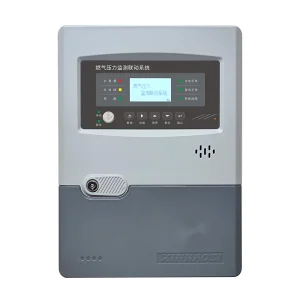
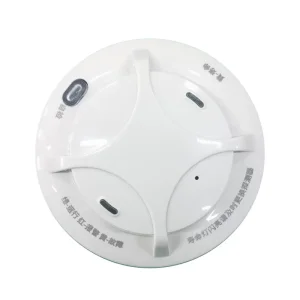
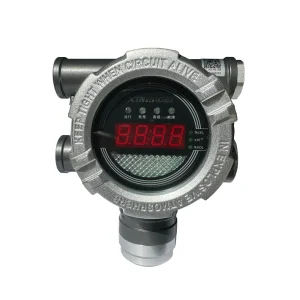
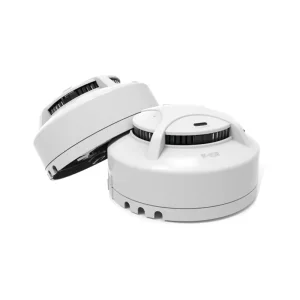
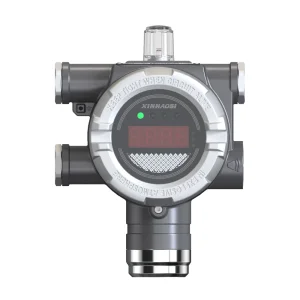
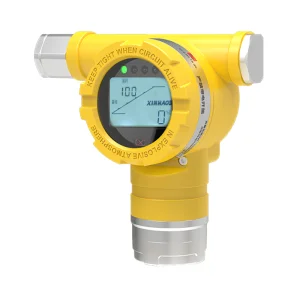
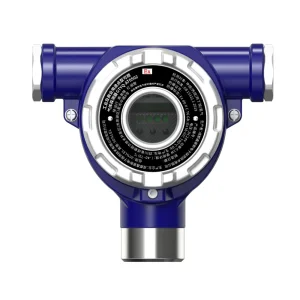
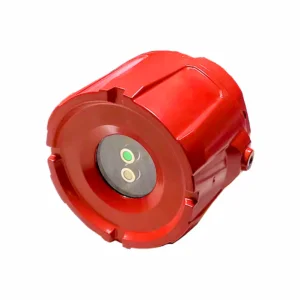
Industrial gas safety is never solved by a single piece of hardware. A robust plant framework coordinates valves, detector controllers, and remote monitoring arrays into a single, cohesive emergency response network. In scenarios involving natural gas distribution, LPG vaporization, or volatile hydrogen-blend transmission, a 4-inch gas valve acts as the mechanical muscle. It relies directly on the inputs of explosion-proof detectors to trigger its pneumatic, hydraulic, or electro-mechanical actuators.
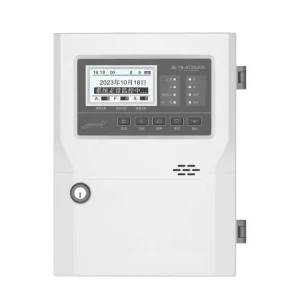
System integration focuses heavily on matching the flow coefficient (Cv value) of the 4-inch valve to the system's operational pressure profile. Supplying high Cv ratings minimizes pressure drops across the line, optimizing process efficiency. Meanwhile, safety protocols demand that these valves link with smart controllers—such as the JB-TB-AT2020LH or JB-TB-AT2020S—creating a fully addressable safety loop. If a gas concentration threshold is breached at a distant sensor, the control unit transmits a signal to the valve actuator, securing bubble-tight shut-off immediately.
The global demand for high-capacity flow control equipment is undergoing structural changes. Driven by the expansion of natural gas power plants, the rapid buildout of liquefied natural gas (LNG) import/export terminals, and the integration of hydrogen into existing gas pipelines, manufacturers face rigorous quality expectations. Regionally, the market is segmented by different standard certifications:
As industrial sites seek to reduce fugitive emissions to meet environmental goals, manufacturers must engineer innovative packing structures and low-friction, self-lubricating PTFE or carbon-filled seal rings. High-quality 4-inch gas valves must prevent external leakage to secure zero-emission standards under extreme thermal cycles.

Founded in 2003, Xinhaosi is one of the most influential and reliable brands in the gas safety industry. We provide customer-focused products and services to safeguard the safe operation of every factory, the comfort of every city, and the peace of happiness of every home. Powered by cutting-edge production systems and technology, we deliver more advanced, intuitive, and precise gas safety solutions for shaping a safer future world.
We utilize advanced electronic detection technology to make unknown gas leak risks clear and visible, managing processes safely from the source to final containment.
Safety First from Precision Sensing

Home Safety from Gas Monitoring
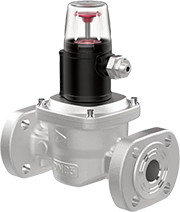
Protecting from the Source
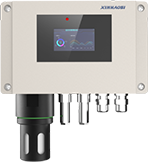
Smart Sensing for Urban Gas
A high-quality 4-inch gas valve performs across distinct localized environments, each presenting unique engineering hurdles:
In low-pressure municipal distribution systems, 4-inch valves serve as the final control barrier before entering neighborhood supply pipelines. Here, reliability and low pressure drop are critical. Manufacturers must ensure the valve internals resist dust, moisture, and pipe scale without compromising seal integrity.
For large industrial boilers, steel furnaces, and processing plants, a 4-inch gas solenoid valve acts as the primary safety shut-off valve. These systems require rapid actuation speeds (often closing in less than one second) to prevent gas accumulation in combustion chambers if a flame failure occurs. The mechanical design must withstand high-frequency cycling without fatigue.
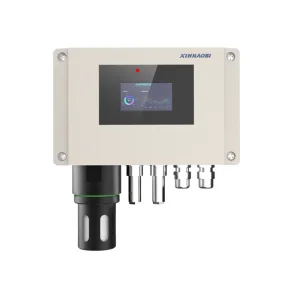
Underground gas piping corridors are highly susceptible to moisture, corrosive soils, and flammable gas pooling. Utilizing dedicated underground monitoring equipment—such as the *GT-AT0617 series*—alongside rugged, IP67-rated 4-inch shut-off valves ensures that leaks inside enclosed utility shafts are detected and isolated immediately, long before reaching explosive limits.
Commercial structures require gas infrastructure to interface directly with fire alarms and ventilation controls. Valves installed in these environments must feature manual-reset options, preventing accidental reactivation of the gas line until the facility has been cleared of any potential hazard.
The valves of tomorrow are transitioning from passive mechanical devices into smart, digital components within IoT-driven industrial facilities. Leading manufacturers are investing heavily in several key development fields:
Future 4-inch gas valves incorporate smart positioners and pressure transmitters (like the GT-AT0637 Wireless Smart Pressure Monitor) to continuously track stem travel, seat wear, and real-time flow rate, warning operators of required maintenance before a component fails.
As hydrogen is integrated into natural gas networks, valve metals must resist hydrogen embrittlement. Engineers are shifting toward high-grade stainless steels (316L) and specialized elastomers capable of containing the tiny hydrogen molecule.
To support remote pipelines without main grid access, manufacturers are designing latching solenoids and pneumatic systems that run on solar-charged batteries, using power only during state transition.
When sourcing 4-inch gas valves, verification of manufacturing quality and certification parameters is essential. Quality suppliers operate under ISO 9001 quality management systems and perform non-destructive testing (NDT), such as dye penetrant, magnetic particle, and radiographic inspection of cast bodies to eliminate internal casting voids. Every single valve must undergo hydrostatic and pneumatic pressure testing to satisfy API 598 or EN 12266 standards before leaving the factory.
For standard natural gas and LPG systems, Ductile Iron (ASTM A536) or Carbon Steel (WCB) is highly durable and cost-effective. For corrosive gases, low-temperature operations, or hydrogen blends, ASTM A351 CF8M (316 Stainless Steel) is recommended to prevent corrosion and low-temperature brittle failure.
A Normally Open valve remains open when de-energized, allowing uninterrupted flow; it closes only when power is applied, making it ideal for emergency venting or safety shut-off systems linked to leak detectors. A Normally Closed valve requires constant electrical power to stay open and shuts immediately when power is cut, protecting systems against power failures.
A Safety Integrity Level (SIL) certificate indicates the valve's probability of failure on demand (PFD). A SIL 2 or SIL 3 rating verifies that the valve meets stringent performance metrics under IEC 61508, ensuring it will close reliably during a critical emergency.
Gas velocity should ideally be kept below 20 m/s in industrial piping to avoid excessive noise, vibration, and seat erosion. When selecting a 4-inch valve, engineers must compute the maximum gas flow rate and pressure drop to ensure the velocity stays within safe limits.
Yes, provided the electrical solenoids, junction boxes, and limit switches are certified explosion-proof (e.g., ATEX, IECEx, or Class I, Div 1/2) and feature weather protection ratings of at least IP65 or NEMA 4X.
























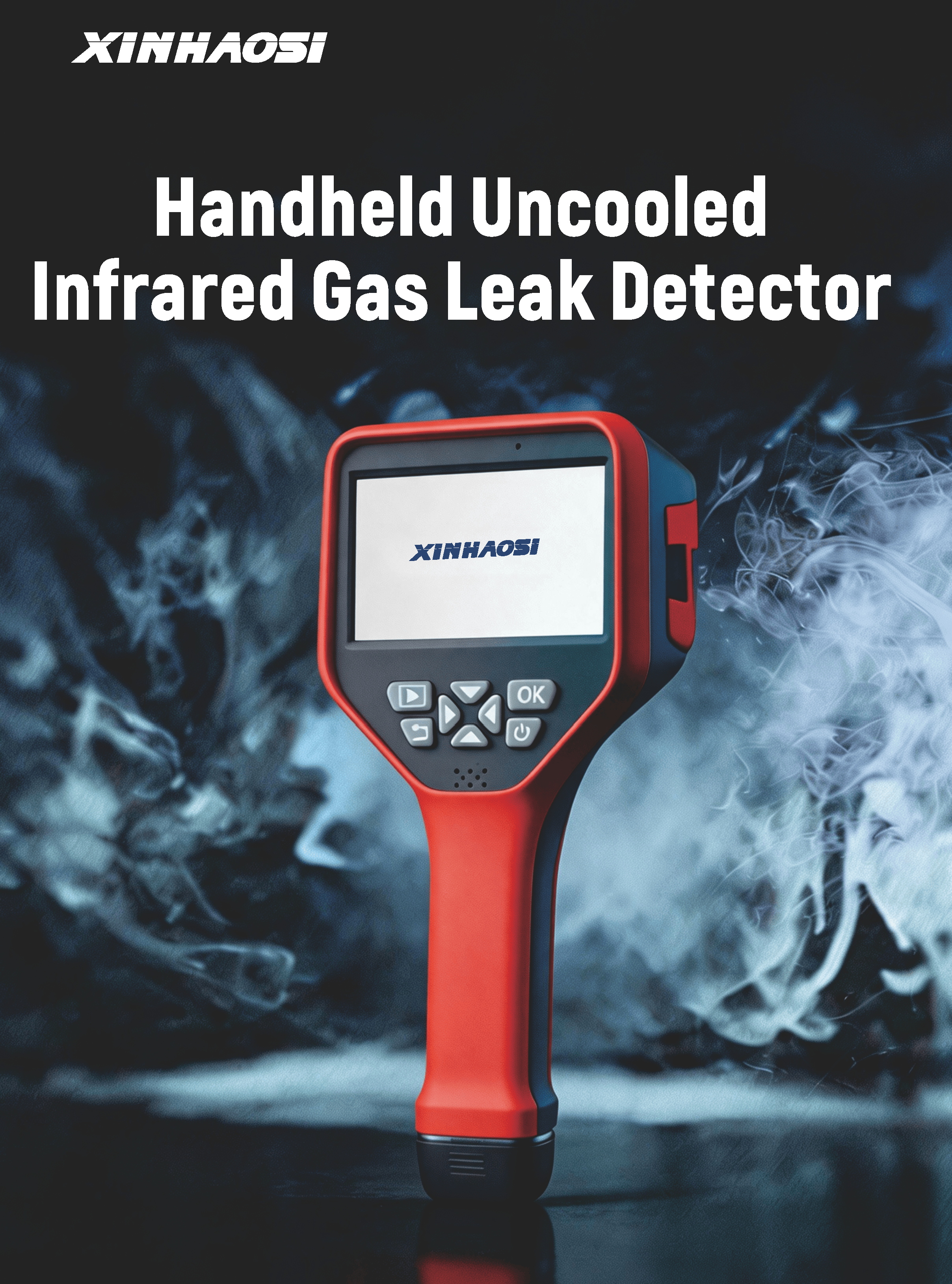
Xinhaosi Electronic Detection Technology Co., Ltd. officially launched its new Handheld Uncooled Infrared Gas Leak Detector, featuring dual-technology fusion, ultra-fast response, and long-distance non-contact detection...
May 09, 2026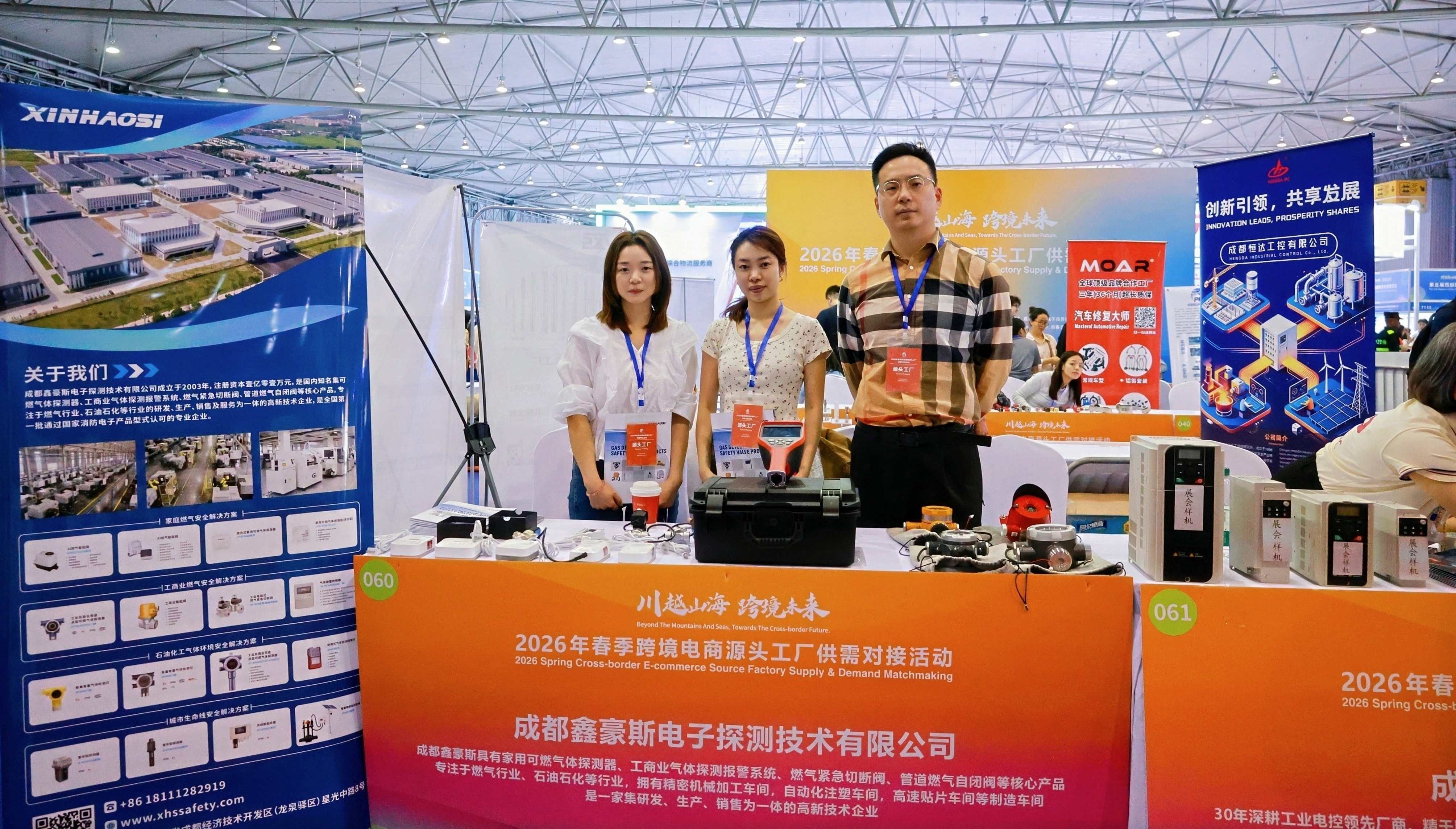
XINHAOSI recently participated in the 5th Western China Cross-Border E-Commerce Expo held in Chengdu, creating new opportunities for international business cooperation...
May 08, 2026
XINHAOSI recently participated in the 2026 Sichuan (Chengdu) – Indonesia Industry Matchmaking Conference held in Chengdu, strengthening industrial cooperation in Southeast Asia...
May 08, 2026