Explore our top-tier industrial and domestic safety instruments engineered for absolute reliability under demanding environments.
Modern industrial operations face complex chemical and volatile organic compounds (VOCs) emissions daily. Multigas detectors have shifted from simple reactive buzzers to complex predictive diagnostic nodes. These systems operate as crucial links in digital twins and remote IoT telemetry systems.
By implementing a blend of high-precision sensor technologies—such as Non-Dispersive Infrared (NDIR) for hydrocarbons, photoionization detectors (PID) for volatile chemical trace detection, and stable electrochemical sensors for toxic gases—current multigas instruments provide comprehensive, real-time feedback.
As developers and manufacturers, we focus on engineering equipment that maintains calibration integrity and performs reliably under tough conditions. Our systems withstand high humidity, extreme temperatures, and mechanical shock in locations like refinery floors, urban pipelines, and chemical containment rooms.


We believe in turning invisible, unknown risks into clear, actionable data. At Xinhaosi, we utilize advanced electronic detection technology to identify and visualize gas leaks before they escalate into dangerous situations.
Founded in 2003, Xinhaosi has grown into an influential and trusted brand in the gas safety industry. Over the past two decades, we have designed and delivered customer-focused products and services that protect factory floors, municipal infrastructure, and residential properties worldwide.
Driven by advanced production systems and sensing research, we create reliable gas safety solutions that help build a safer, more predictable future.

From heavy industrial plants to residential utility lines, our technologies safeguard lives and infrastructure at every level.
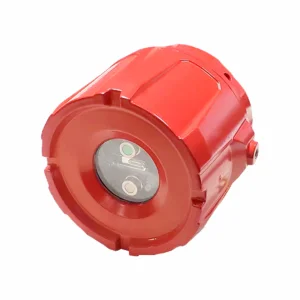
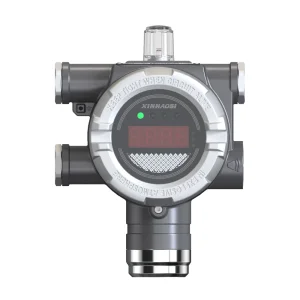
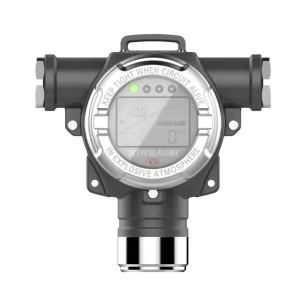
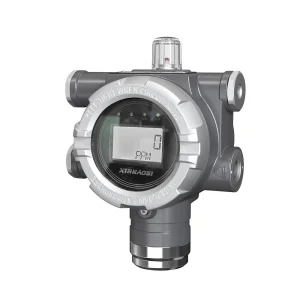
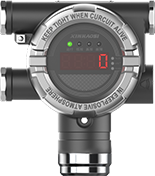
Detection Systems. Engineered for precision sensing, featuring dual IR-UV optical monitoring and toxic gas detection designed for harsh processing environments.
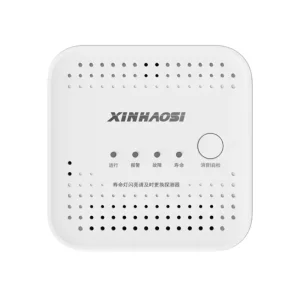
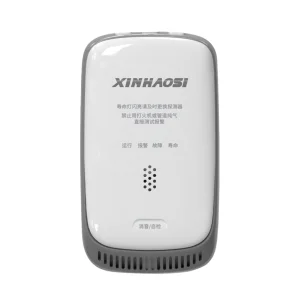
Gas Detectors. Designed for residential safety and commercial buildings, featuring reliable monitoring of natural gas, LPG, and carbon monoxide leaks.
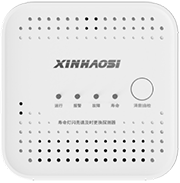
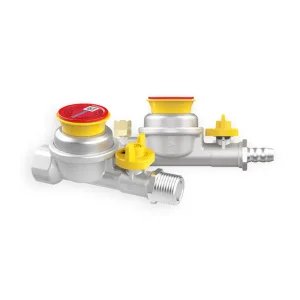
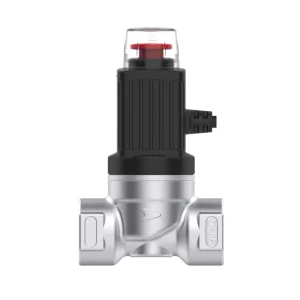
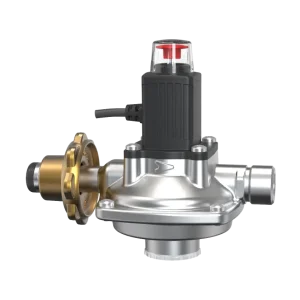
Protecting processes right at the source. Automated quick-shutoff systems that integrate with our detection modules to block gas flow during emergencies.
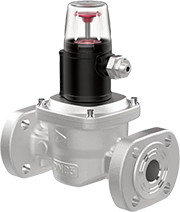
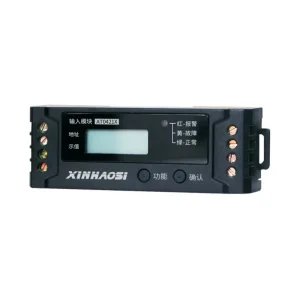
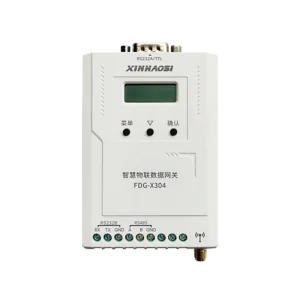
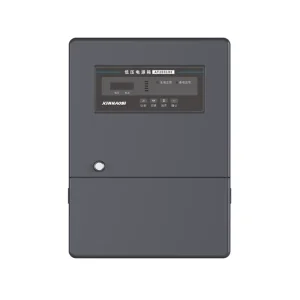
Smart Sensing for municipal gas grids. Wireless gateways monitor utility networks and distribute real-time telemetry back to central control systems.
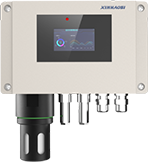
How global companies navigate compliance, calibration cycles, and localized requirements for gas safety deployments.
Procuring multigas detection systems requires compliance with rigorous international safety frameworks. The European Union's ATEX Directive and the global IECEx scheme set strict standards for explosion protection.
Our instruments undergo tests for dust and gas ignition protection, ensuring safe operation in hazardous Zone 1 and Zone 2 environments. By securing these certifications, we help global buyers minimize compliance risk and speed up regional field approvals.
A key factor in the total cost of ownership (TCO) of gas detection is the maintenance cycle. Sensor drift can lead to false alarms or undetected leaks, requiring planned recalibration.
We address this challenge using stable, pre-calibrated sensor packages and intelligent software drift compensation. This approach extends service intervals and simplifies field-maintenance, helping procurement teams manage long-term operational costs.
Every industrial site has its own set of technical requirements. System integrators need customizable gas safety equipment that fits into existing control panels and SCADA networks.
Our support for common protocols—including Modbus RTU, 4-20mA analog loops, and wireless networks like LoRaWAN—helps client engineering teams integrate our sensors into their monitoring systems with minimal configuration.
Our production facilities utilize modern manufacturing processes to maintain quality and reliability. By using automated surface-mount technology (SMT) and automated calibration chambers, we minimize human error and ensure high product consistency.
We source high-performance raw components through a robust domestic supply chain. This close integration allows us to keep production cycles short and respond quickly to custom configurations, helping us meet demanding project timelines.
Each instrument undergoes rigorous testing, including temperature cycling, vibration testing, and trace gas calibration. This comprehensive verification process ensures every device that leaves our facility is ready to perform in the field.
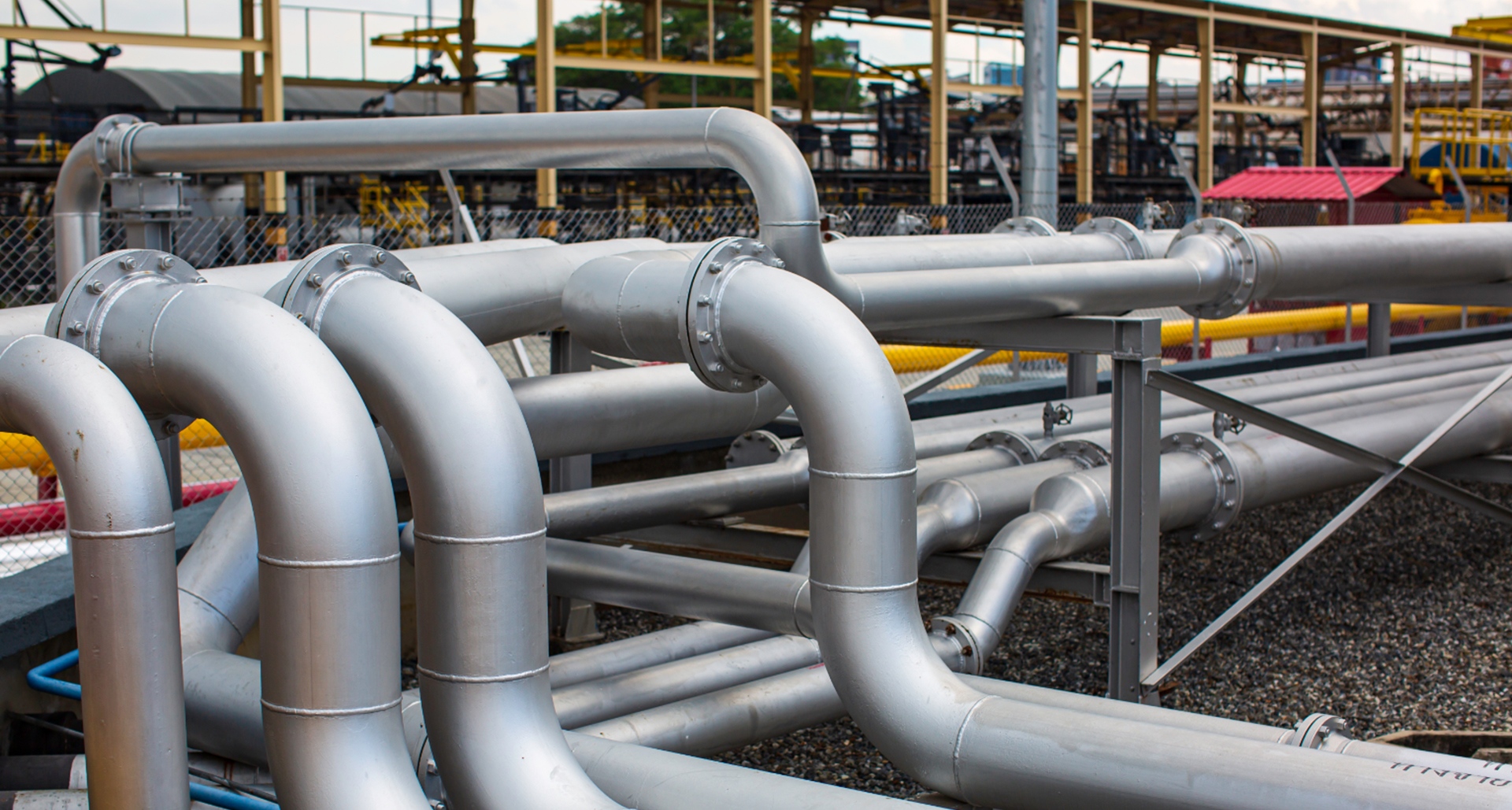
We design our monitoring equipment to meet the distinct operational needs of different industrial settings.
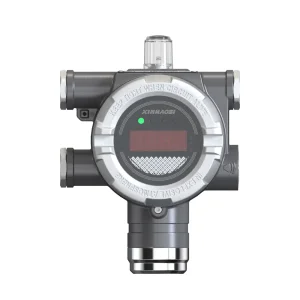
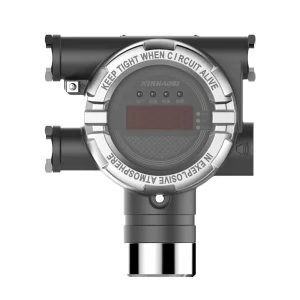
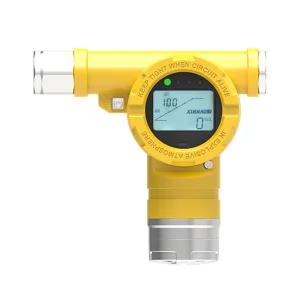
Refineries handle many volatile compounds under high pressures and temperatures. Our explosion-proof detectors monitor for escaping hydrocarbons, acid gases, and hydrogen sulfide, helping protect refinery crews and equipment.
Confined spaces and underground utility corridors can trap leaked methane or carbon monoxide. Our low-power, telemetry-enabled detectors track gas build-ups, helping keep maintenance teams safe during entry.
Commercial refrigeration systems use ammonia and halogenated gases that pose health and environmental risks. Our localized monitoring systems track trace leaks to maintain regulatory compliance and protect product freshness.
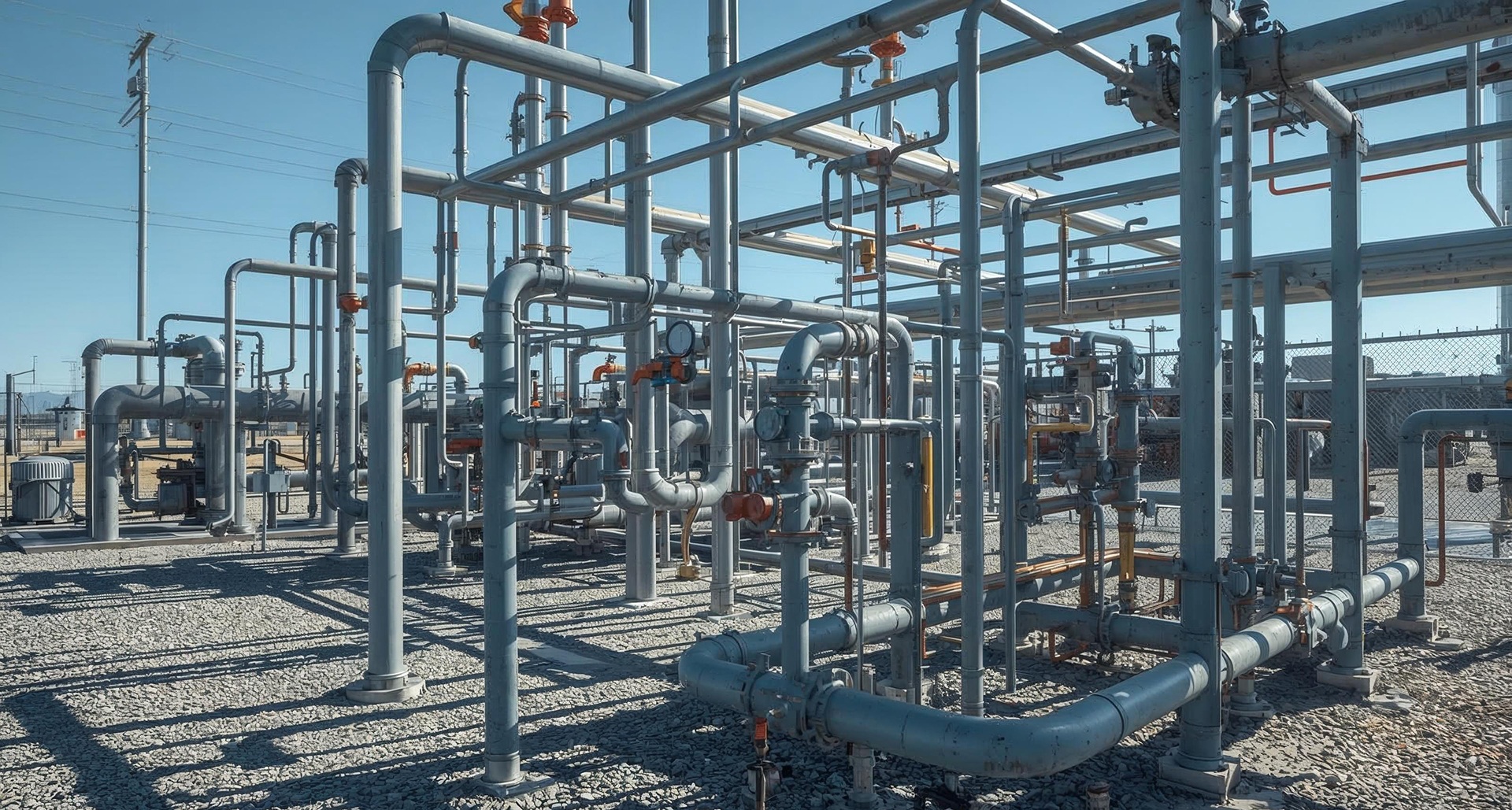
We offer fully integrated safety systems, connecting sensing hardware to emergency shutoff valves and telemetry gateways. This end-to-end integration creates a coordinated safety network that acts fast during a gas leak event.
Our solutions cover the entire safety loop, including:
This design helps industrial facilities maintain continuous protection, reducing risks and simplifying overall safety management.
























Stay informed about the latest developments and technology launches from Xinhaosi.
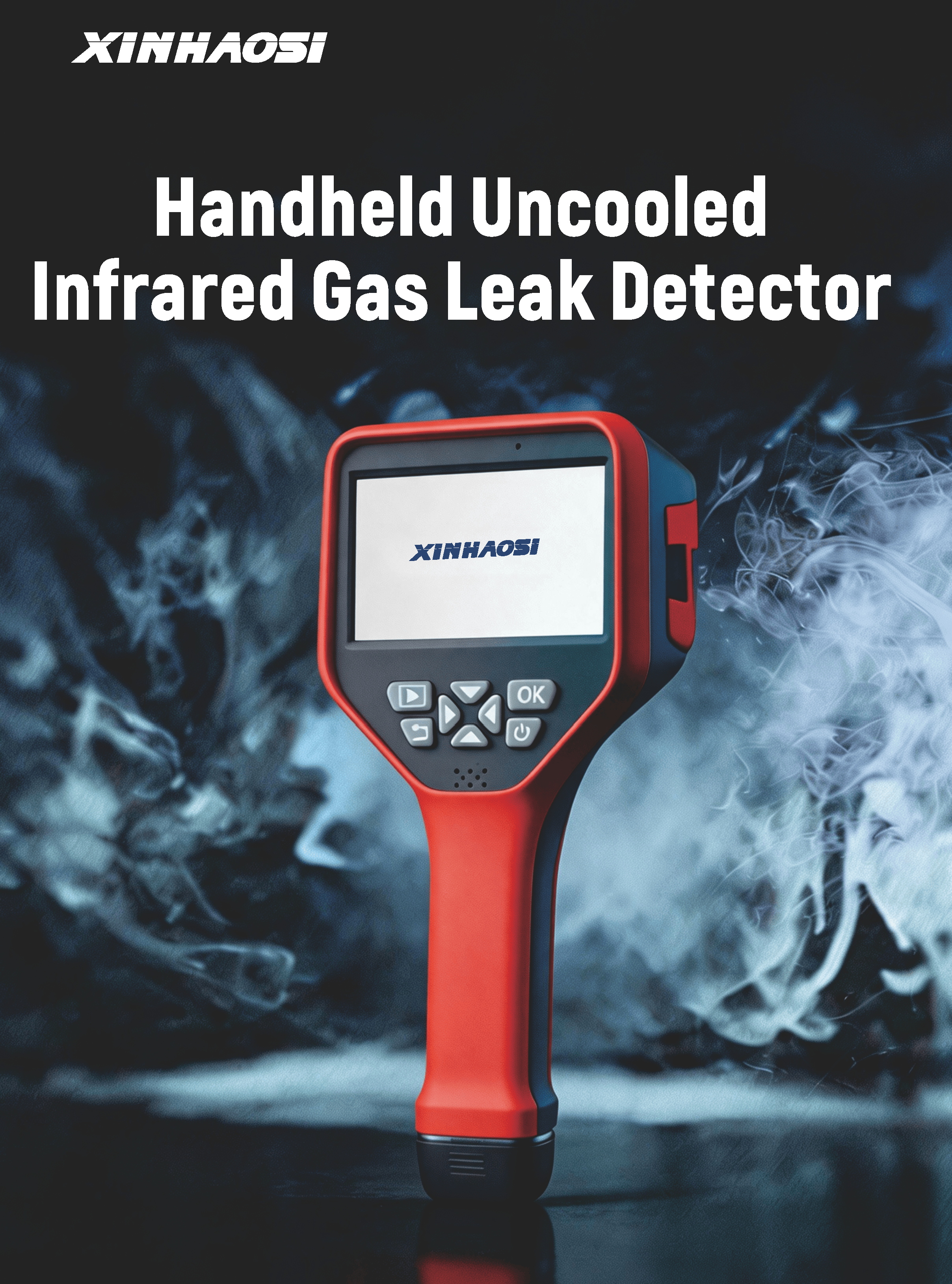
Xinhaosi Electronic Detection Technology Co., Ltd. officially launched its new Handheld Uncooled Infrared Gas Leak Detector, featuring dual-technology fusion, fast response, and non-contact detection to enhance safety in chemical plants, refrigeration, and industrial environments.
Read Article →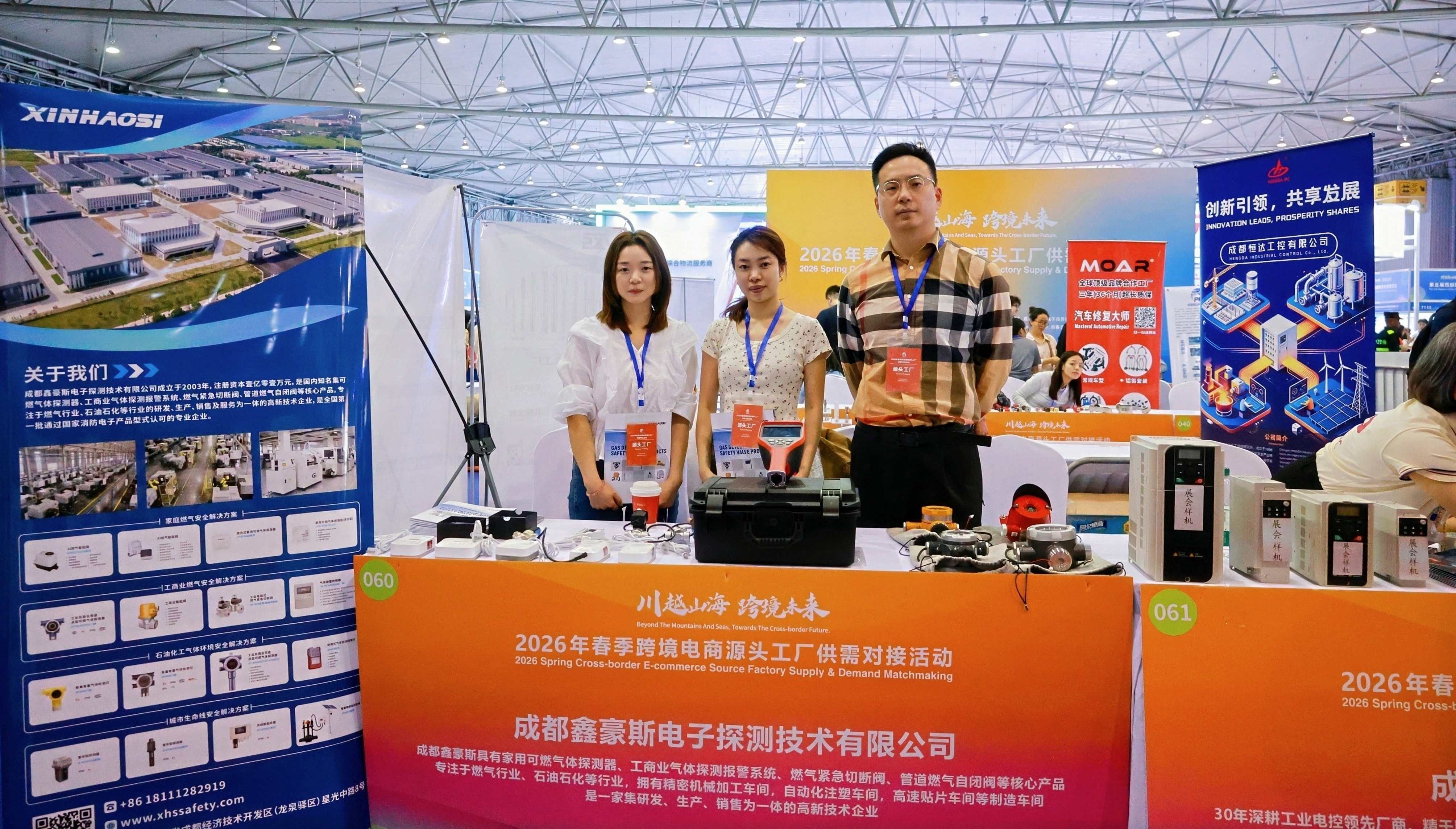
XINHAOSI participated in the 5th Western China Cross-Border E-Commerce Expo in Chengdu, connecting with international buyers and platform representatives to explore overseas market expansion.
Read Article →
XINHAOSI joined the industry matchmaking conference in Chengdu, meeting with regional businesses to discuss cooperation and safety solutions for the Southeast Asian market.
Read Article →Get professional answers about technical specifications, safety standards, and operation.
Catalytic bead sensors detect combustible gases (like LEL methane) through oxidation, which heats a detector element. They require oxygen to work and are best for general flammability detection. Electrochemical sensors measure gas concentrations by reacting with target toxic gases (such as CO, H2S, or NH3) at an electrode. They operate well in oxygen-deficient spaces and measure low toxic levels in parts per million (ppm).
Calibration schedules depend on safety regulations and the operational environment. Generally, devices should undergo a bump test before daily use, and full calibration is recommended every 3 to 6 months. High-exposure environments or extreme temperatures may require more frequent checks to ensure accuracy.
These certifications confirm that electronic equipment has been tested and approved for use in hazardous areas without posing an ignition risk. ATEX is a regulatory requirement within the European Union, while IECEx is an international standard. Both ensure that devices operate safely in environments containing volatile vapors or dusts.
Cross-sensitivity is managed through physical filters, specific catalyst formulations, and firmware correction algorithms. By using multiple sensor types (such as combining NDIR and electrochemical sensors), the system filters out interfering gases to maintain accurate readings for target hazards.
Yes. Our industrial line features standard communication interfaces, including 4-20mA analog loops, Modbus RTU (over RS485), and digital relays. Wireless gateways also support integration with cloud networks and SCADA software.
Complete your safety architecture with our selection of industrial shut-off valves, gateways, and explosion-proof detection systems.