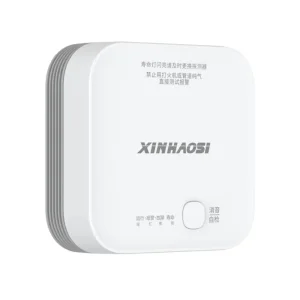
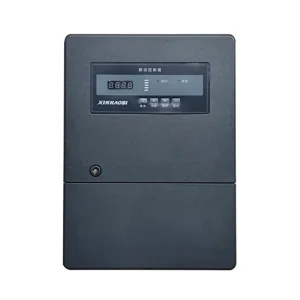
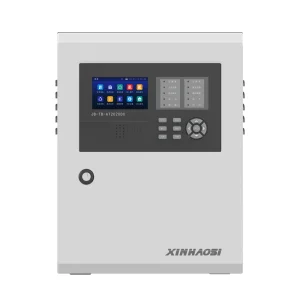
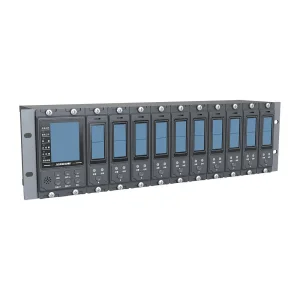
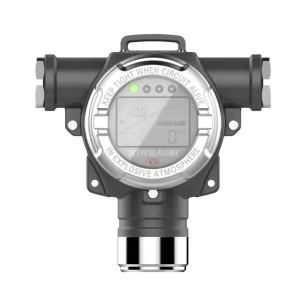
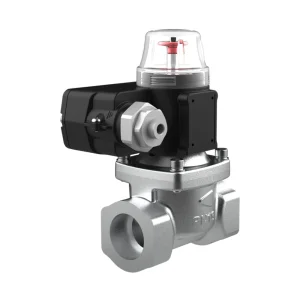
Explore our foundational safety products designed for industrial and commercial compliance.
A B2B technical guide detailing NH3 properties, target threshold dynamics, and compliance limits.
Ammonia (NH3) is an indispensable chemical compound utilized globally in refrigeration, synthetic fertilizer manufacturing, and recently, as a green hydrogen transport vector. Despite its utility, ammonia is highly toxic at low concentrations and flammable in confined spaces (Lower Flammable Limit - LFL is approximately 15% to 28% by volume in air). Industrial health authorities, including the OSHA and NIOSH, set strict permissible exposure limits (PEL) at 25-50 ppm for an 8-hour Time Weighted Average (TWA) to prevent severe respiratory injuries and olfactory fatigue.
Procuring reliable NH3 sensors demands absolute transparency regarding technology routes, cross-sensitivity, and calibration lifecycle. As a leading manufacturer with over 20 years of research and production expertise, we design and produce gas detectors that integrate seamless PLC/DCS connectivity, localized protocol adapters (4-20mA, Modbus RTU), and durable housings capable of surviving corrosive, high-humidity, or cryogenic atmospheres.
A comprehensive analysis of sensing technologies, comparative metrics, and the horizon of IoT integration.
Electrochemical NH3 sensors operate via gas diffusion into a liquid or gel electrolyte, generating an electrical current directly proportional to the ammonia concentration. Excellent for low ppm monitoring (0-100 ppm, TWA exposure safety), EC cells feature exceptional selectivity, rapid response times (T90 < 30 seconds), and low power draw. However, prolonged exposures or storage in dry, hot environments will deplete the electrolyte reservoir.
Metal Oxide Semiconductor (MOS) sensors rely on changes in resistance at the metal oxide surface (typically SnO2) when exposed to reducing gases. These sensors boast extreme mechanical durability and long operational lifespans (5+ years in standard environments). While highly cost-effective, they display higher cross-sensitivity to volatile organic compounds (VOCs) and require robust temperature/humidity compensation algorithms.
Tunable Laser Diode Absorption Spectroscopy (TDLAS) represents the vanguard of ammonia detection. By measuring light absorption at specific wavelengths, TDLAS guarantees zero cross-sensitivity, instant response times (T90 < 2 seconds), and zero sensor drift. This eliminates routine field calibrations, making TDLAS the optimal choice for high-end process controls, safety shutdowns, and maritime ammonia shipping terminals.
| Technology | Ideal Range | Lifespan | Key Strengths | Ideal Applications |
|---|---|---|---|---|
| Electrochemical (EC) | 0 - 100 / 500 ppm | 2 - 3 Years | High accuracy, low power, low cost | Occupational safety, ambient air monitoring |
| Metal Oxide (MOS) | 0 - 1,000 ppm | 5 - 8 Years | Extremely long life, high resilience | Cold storage, leak warning, harsh environments |
| Catalytic Bead (Pellistor) | 0 - 100% LEL | 3 - 5 Years | Combustible concentrations focus | Chemical storage rooms, explosion relief systems |
| TDLAS (Optical) | 0 - 50 / 5,000 ppm | 10+ Years | No calibration, zero cross-sensitivity | Industrial exhaust stack, green marine fuel systems |
Tailoring sensing methodologies to meet specialized environments and dynamic process demands.
High ammonia levels in livestock housing (poultry, swine, dairy) reduce animal performance, decrease immunity, and threaten human workers. Sensors deployed in agricultural settings face continuous exposure to high relative humidity, dust, and sanitizing chemicals. Our robust MOS and specialized EC ammonia sensors feature hydrophobic membranes, particulate filters, and active temperature control to prevent false alarms and prolong operation.
Ammonia (R-717) is the standard thermodynamic refrigerant in cold storage logistics, food processing facilities, and breweries. Because cold rooms operate at sub-zero temperatures (down to -40°C), conventional electrochemical sensors will suffer electrolyte freezing. Our cold-storage optimized sensor housings feature integrated internal heaters and advanced thermal-insulative barriers, adhering to standard safety norms like IIAR 2 and EN 378.
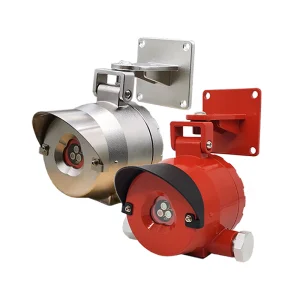
As ammonia is adopted as a carbon-free marine fuel and liquid hydrogen carrier, maritime infrastructure requires explosion-proof gas detectors. Deployed on container vessels and bunkering docks, these systems must satisfy ATEX/IECEx Zone 1 requirements. Integration with PLC safety loops via SIL 2 certified gas transmitters ensures automatic valve isolation and visual alarm activation in the event of pipeline failure.
How Xinhaosi leverages state-of-the-art automation and quality control processes to ensure global reliability.
Founded in 2003, Xinhaosi has established itself as one of the most influential and reliable brands in the industrial gas safety market. Our manufacturing facilities utilize advanced electronic detection technology to make unknown gas leak risks clear, visible, and manageable. Under a comprehensive Quality Management System, we deliver more advanced, intuitive, and precise gas safety solutions for shaping a safer industrial future.
Our manufacturing operations are built upon Factory 4.0 principles, incorporating high-speed SMT assembly, automated calibration systems, and environmental chambers that simulate thermal stress from -40°C to +70°C. With integrated trace tracking systems, every sensor core is associated with a unique QR code documenting manufacturing parameters, raw material batches, and calibration logs. This provides our global B2B clients with unrivaled security and full supply chain audit transparency.

Essential checklist for B2B procurement managers and engineering coordinators.
Any ammonia sensor installed in explosive gas atmospheres (such as chemical reactors or fuel terminals) must possess certified explosion protection. Standard certifications include ATEX (Europe), IECEx (International), and local equivalents. Make sure that the supplier provides certificate numbers matching the device label.
Safety Instrumented Systems (SIS) rely on safety loops to mitigate hazard scenarios. Ammonia transmitters integrated into safety shutdown loops must comply with IEC 61508 / IEC 61511. Choosing a device with SIL 2 (Safety Integrity Level 2) compliance ensures low probability of failure on demand (PFD).
To satisfy stringent ESG goals, devices must conform to European RoHS (Restriction of Hazardous Substances) and REACH regulations. We design our sensor assemblies with lead-free components, non-toxic materials, and robust packaging to minimize environmental impacts.
Streamlined integration, maintenance services, and lifetime warranty assurance programs.
Installing ammonia detection systems involves coordinating with local building codes, mechanical engineering teams, and existing control networks. Our technical support division assists clients by formulating placement blueprints, providing wiring schematics, and advising on standard MODBUS/BACnet controller settings.
Because ammonia gas is lighter than air (molecular weight 17.03 g/mol vs. average air weight of 28.97 g/mol), it rises in ambient environments. To ensure rapid response times, sensors must be installed in high areas, directly above valves, joints, or compressors.
Ammonia sensors require regular verification and calibration to prevent signal degradation and sensor drift. While TDLAS provides long-term stability, electrochemical units require calibration checks every 6 to 12 months. We offer premixed calibration gas canisters, specialized regulator kits, and plug-and-play replacement sensor modules to facilitate field operations.
Full-chain integration, comprehensive protection, shaping the safety industry with intelligence.
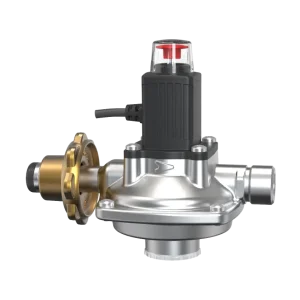
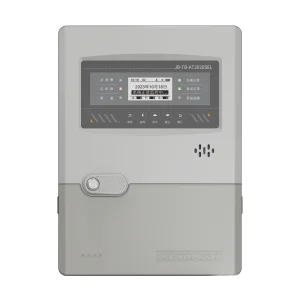
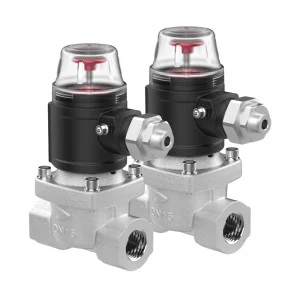
Xinhaosi is dedicated to safeguarding industrial assets worldwide. From high-quality solenoid control valves to multi-gas interlock controllers, we deliver fully integrated safety loops. We prevent hazards from the source, guaranteeing continuous operation of cold storages, chemical facilities, and urban gas grids.
Technical answers to help engineering and purchasing coordinators select the right gas detection systems.
In standard environments free of continuous background concentrations, electrochemical NH3 sensors have an operational life of 2 to 3 years. This lifespan is mainly governed by electrolyte loss due to ambient humidity changes and evaporation. Under constant exposure to low background levels of NH3, the chemical components deplete faster, which shortens the replacement interval.
Because standard cold rooms operate at temperatures below -20°C, the liquid electrolyte within electrochemical sensors can freeze. To resolve this, our specialty cold storage sensor housings include integrated, low-wattage heating elements controlled by an internal thermostat. This maintains the sensor's temperature above freezing without heating the surrounding environment, preserving detection speed and accuracy.
Ammonia reacts aggressively with copper and brass alloys, leading to rapid degradation. Our industrial sensor transmitters are built with 316 Stainless Steel or high-impact Polycarbonate/ABS blends. For connections, we use gold-plated contacts and protective coatings on PCBs to safeguard internal circuits from ammonia-induced corrosion.
Ammonia has a molecular weight of 17.03 g/mol, making it lighter than air. In indoor spaces or engine rooms, leaking ammonia will rise and accumulate near the ceiling. As a result, sensors should be positioned high up—typically within 1 to 3 feet of the ceiling or above potential leak points—to ensure early detection and prevent accumulation.
Modern electrochemical NH3 sensors are designed with specialized catalyst compositions and internal chemical filters to limit cross-sensitivity to standard industrial gases, such as CO, H2, and H2S. However, a small degree of sensitivity to sulfur compounds and alcohols may remain. In critical applications where high concentrations of other gases are present, optical TDLAS sensors are recommended to achieve zero cross-interference.
Keep up with our latest technical innovations, exhibitions, and regional partnership events.
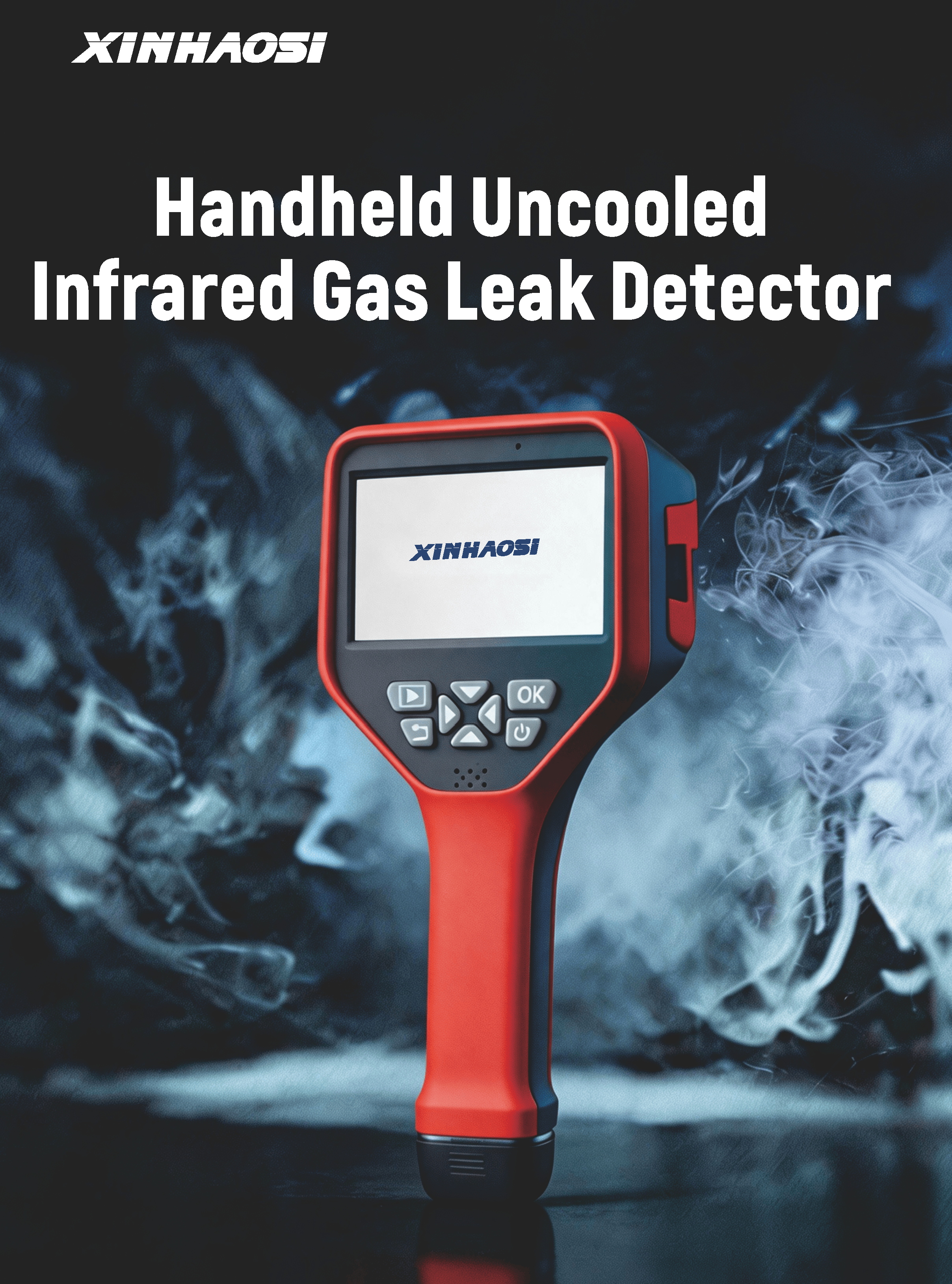
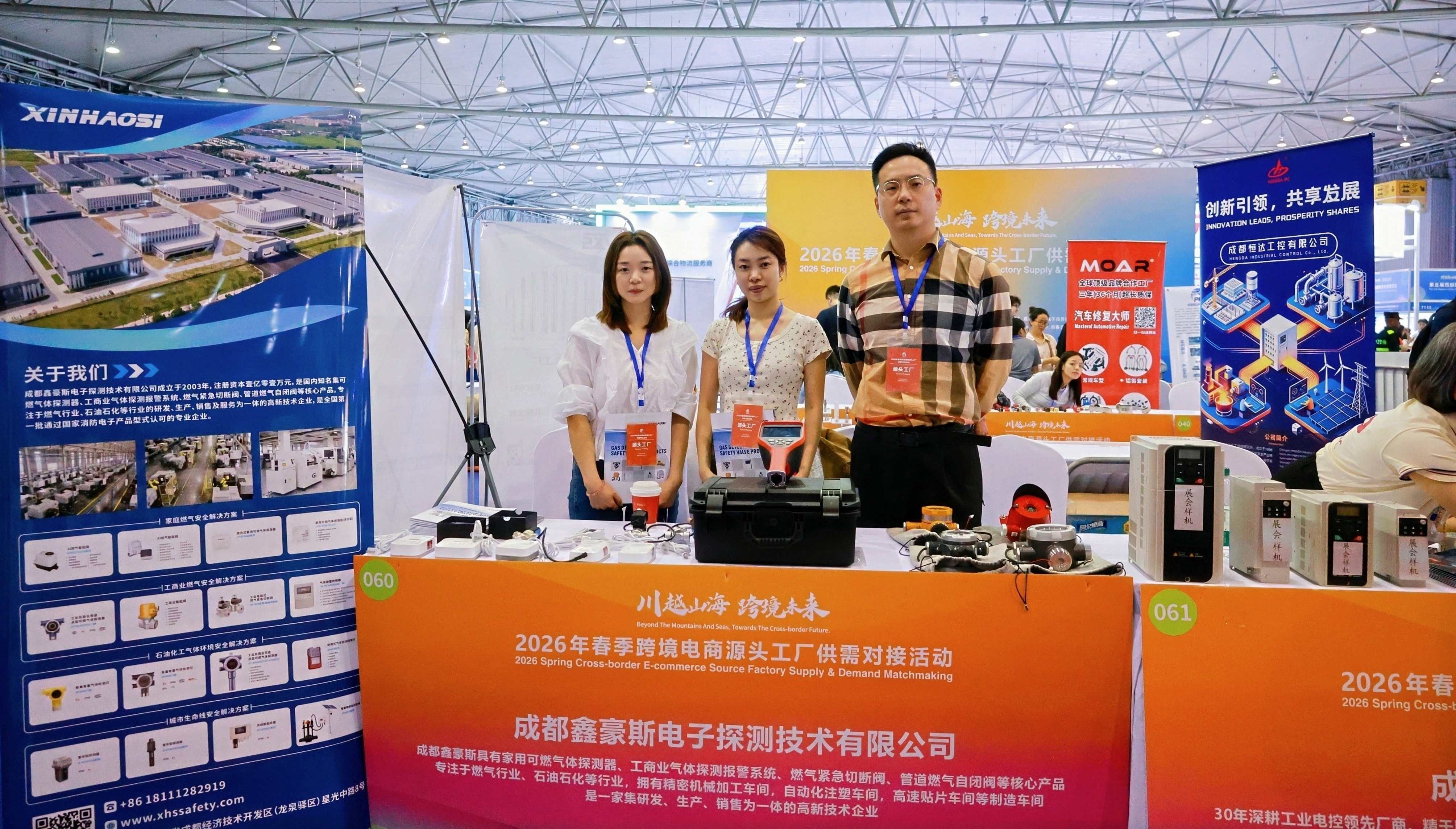

Integrate our precision transmitters, gateways, and control valves into your safety infrastructure.
Working alongside global industry leaders to implement reliable safety systems.