High-Quality Normally Closed Valve Manufacturers & Factories

The Definitive Industrial Guide to Safety-Critical Emergency Gas & Fluid Control Solutions, Powered by Decades of Safety Engineering Excellence.

1. Global Industrial Status of Normally Closed Valves

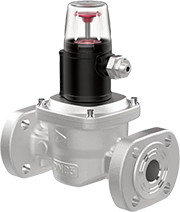
In modern industrial architectures, automated safety loops, and domestic infrastructure systems, Normally Closed (NC) Valves act as critical fail-safe mechanisms. An NC valve remains shut in its unpowered or de-energized state, blocking fluid or gas path channels. This configuration is widely implemented globally because it offers an inherently secure environment: should an unexpected electrical power outage or control signal failure occur, the valve automatically halts fluid transport, mitigating potential hazards like leaks, fires, or explosions.

Globally, the market for normally closed solenoid valves and industrial shut-off valves has experienced significant growth. Driven by stringent environmental policies, strict municipal safety standards, and the widespread adoption of smart grids and Smart Cities, industries such as municipal natural gas pipelines, petrochemical plants, oil & gas distribution networks, and commercial heating plants have designated NC emergency valves as mandatory safety apparatus. In North America and the European Union, standard frameworks like EN 161 (for automatic shut-off valves for gas burners and gas appliances) and UL 429 dictate extremely high manufacturing thresholds, urging factories worldwide to seek state-of-the-art materials and superior assembly practices.

20+
Years Industry Experience
SIL3
Safety Integrity Level
<0.3s
Shut-off Response Time
100%
Pressure & Leakage Tested

2. The Synergy of Detection & Shut-off: Integrated Safety Loops

From an automation engineering perspective, a valve is only as intelligent as the system instructing it. In high-risk environments, normally closed valves must operate as the dynamic enforcement arm of an integrated hazard detection loop. This integrated loop comprises three primary stages:

The Safety Loop Paradigm:
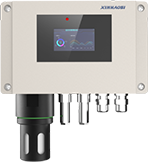
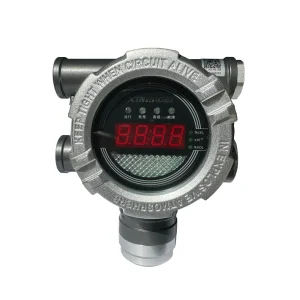
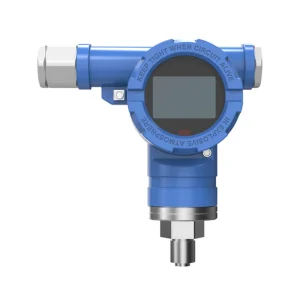
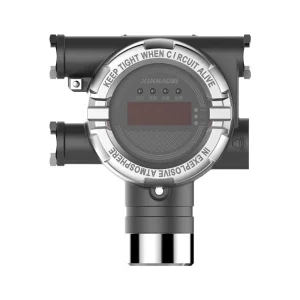
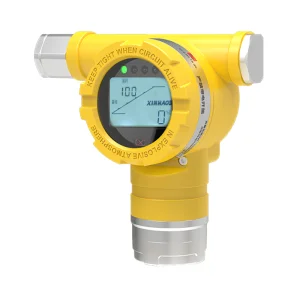
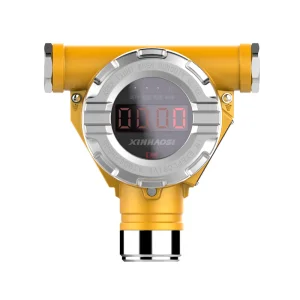
1. Detection: Gas detectors (such as the GTYQ-AT0602 or JT-AT3068) continuously sense combustible gas densities in the air.
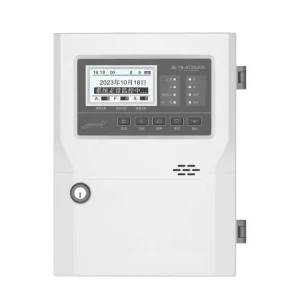
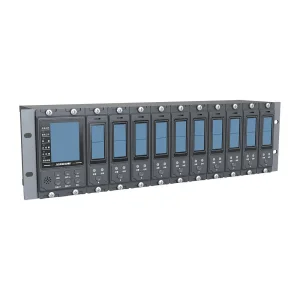
2. Decision: A central controller (like the JB-TB-AT2020S) monitors detector inputs and determines if a hazard threshold has been breached.
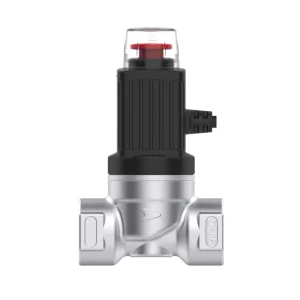
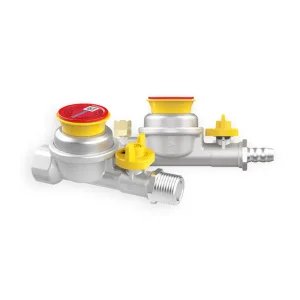
3. Execution: The controller triggers an electrical pulse that immediately cuts or engages power to the Normally Closed Solenoid Valve, causing it to shut off the gas flow at the main pipeline source.

This closed-loop feedback structure represents the pinnacle of modern safety engineering. By pairing high-performance detectors with ultra-reliable emergency shut-off valves, plants and residential areas achieve absolute system integrity, securing lives and assets before minor leaks escalate into catastrophic incidents.

3. Key Selection Parameters for Procurement Managers

Sourcing engineers and procurement managers must assess several critical specifications when evaluating factories for Normally Closed (NC) gas solenoid valves. Compromising on these criteria can lead to system failures, high maintenance overheads, or regulatory non-compliance:

  • Sealing Integrity (Leakage Class): Ensure valves conform to Bubble-Tight sealing requirements or ANSI Class VI leakage standards. For combustible gases, zero-leakage is non-negotiable.
  • Body & Internal Materials: For standard gas pipelines, forged brass or aluminum alloy provides optimal strength and weight balance. For aggressive industrial fluids, AISI 316/304 Stainless Steel or PTFE-lined valves are mandatory to prevent oxidation and chemical erosion.
  • Explosion-Proof Ratings: Solenoid valve coils must be housed in explosion-proof enclosures (Ex d II C T6 Gb or equivalent) to guarantee that the electrical coil cannot become an ignition source in explosive atmospheres.
  • Response Speed: When a gas leak is detected, seconds determine safety. High-performance NC gas valves must feature instant electromagnetic drop times, closing fully within 0.3 seconds of power termination or pulse trigger.
  • Working Pressure Range: Choose a valve matching the application pressure. Low-pressure pipelines (e.g., domestic networks) require valves optimized for 0–50 kPa, whereas industrial mainlines might demand high-pressure rated solenoid structures.

Engineering Next-Gen Safety

Founded in 2003, Xinhaosi has established itself as one of the most influential and trusted brands in the global gas safety and industrial fluid control industry. We design, manufacture, and distribute customer-focused safety systems that protect millions of lives every day. From precision electronic gas sensing instrumentation to robust emergency shut-off valves, we safeguard industrial facilities, commercial campuses, and urban households.

With automated production lines, advanced environmental testing labs, and strict quality assurance practices, we ensure every valve and detector leaving our factory satisfies international safety regulations.

Fail-Safe Technologies

Xinhaosi Innovation

We integrate digital sensing intelligence with rapid-response valve architectures to convert unknown environmental threats into structured, mitigated risks.

Comprehensive Solutions Portfolio

End-to-End Safety Integrations from Gas Monitoring to Automatic Fluid Interruption.

Industrial Gas & Flame

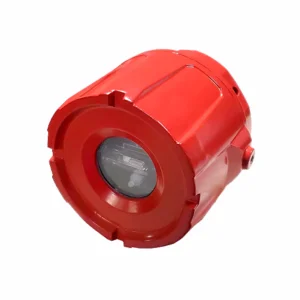
Advanced electronic sensing systems engineered for petrochemical complexes and demanding manufacturing environments where early detection is paramount.

Household & Commercial

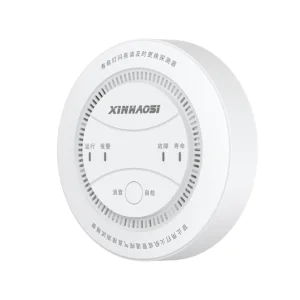
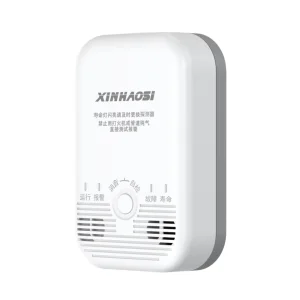
Compact, reliable, and cost-effective gas detectors tailored for residential buildings, commercial kitchens, and public facilities.

Solenoid Safety Valves

Normally closed self-locking and automatic cut-off valves built to terminate fluid/gas flow instantly at the hazard source.
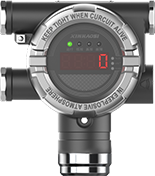

Industrial Gas Safety System Household Gas Safety System Gas Solenoid Valves Urban Gas Distribution

Trusted Global Partners

We collaborate with leading utilities, energy providers, and industrial conglomerates to secure critical operations.

Industry News & Innovations

Stay informed with the latest technological developments and corporate announcements from Xinhaosi.
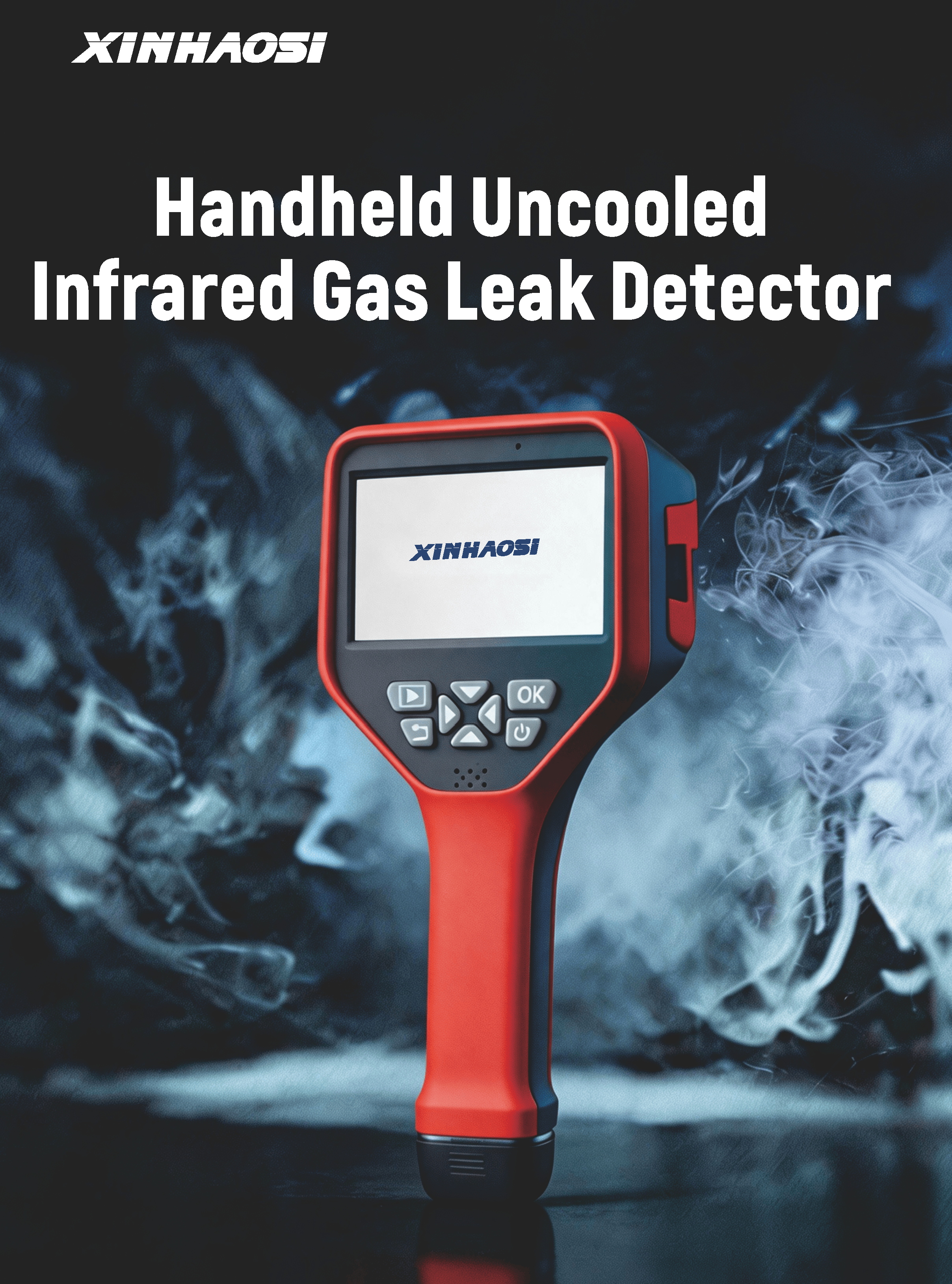
Xinhaosi Launches New Handheld Uncooled Infrared Gas Leak Detector
May 09, 2026
Xinhaosi Launches New Handheld Uncooled Infrared Detector

Xinhaosi Electronic Detection Technology Co., Ltd. officially launched its new Handheld Uncooled Infrared Gas Leak Detector, featuring dual-technology fusion, ultra-fast response, and long-distance non-contact detection...

Read More
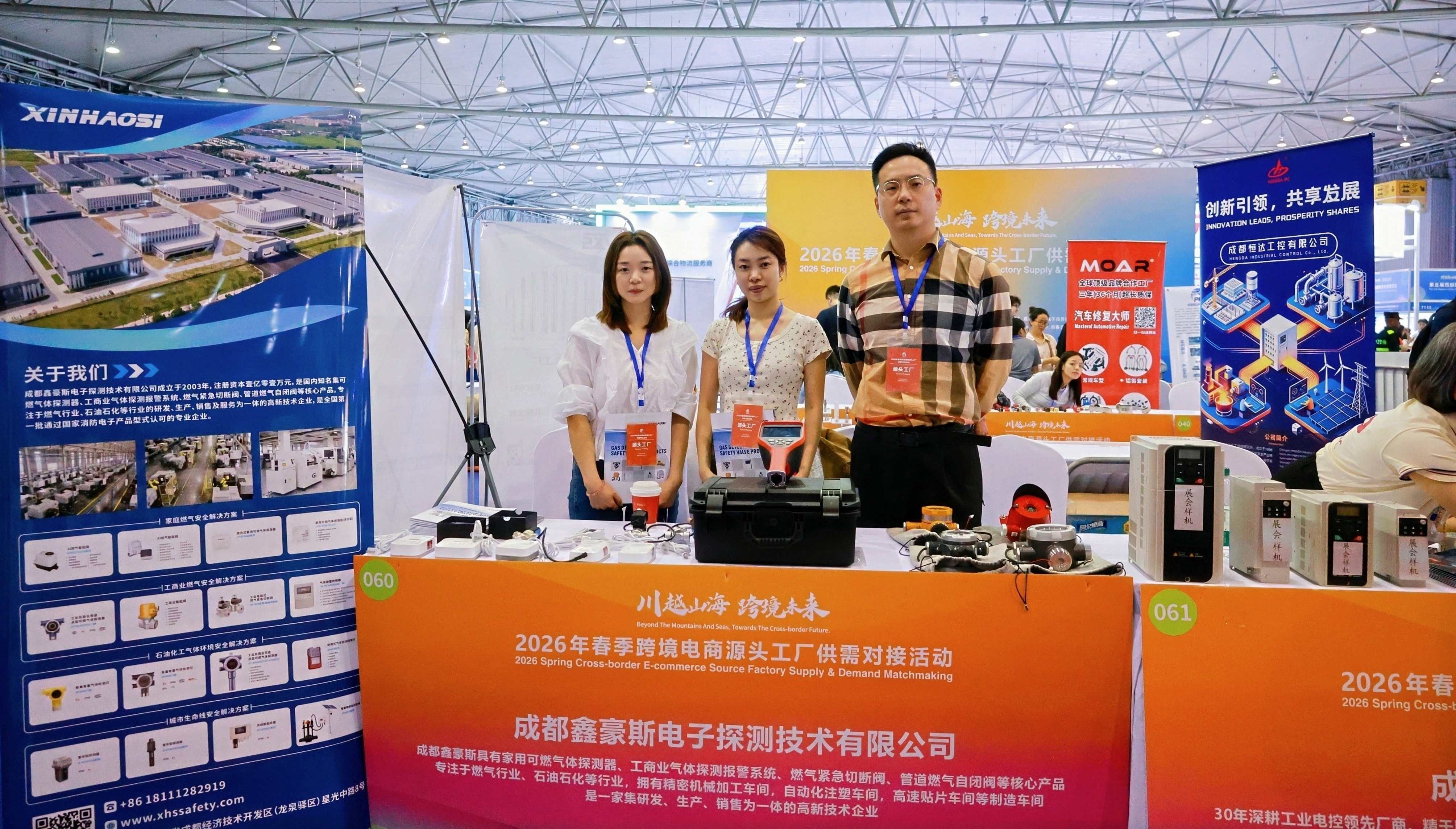
XINHAOSI Participates in Chengdu Expo
May 08, 2026
XINHAOSI Participates in 5th Western Cross-Border E-Commerce Expo

XINHAOSI recently participated in the 5th Western China Cross-Border E-Commerce Expo held in Chengdu, bringing together global buyers, manufacturers, and supply chain companies...

Read More

Sichuan - Indonesia Industry Matchmaking Conference
May 08, 2026
Sichuan - Indonesia Industry Matchmaking Conference

XINHAOSI recently participated in the 2026 Sichuan (Chengdu) – Indonesia Industry Matchmaking Conference to strengthen industrial cooperation and explore new opportunities in Southeast Asia...

Read More

4. Global Procurement & Supply Chain Realities

In the high-stakes sector of gas distribution and process engineering, international buyers face complex supply chain dynamics. Sourcing from experienced Chinese manufacturers offers distinct operational advantages. By centering manufacturing hubs within mature electronic and metallurgy supply chains, factories can scale production rapidly while maintaining rigorous quality control standards.

Industrial valve procurement is no longer just about unit cost. Global sourcing managers focus on Total Cost of Ownership (TCO), which incorporates valve duty cycle lifespan, warranty structures, and ease of sensor integration. Modern manufacturing lines utilize automated electromagnetic testing stations and continuous pressure chamber simulation tests to guarantee zero-defect shipments. This level of quality control is essential when deploying products in remote areas where on-site maintenance incurs prohibitive costs.

5. Future Technology Trends: Smart Valves & IoT Integration

The next evolution in valve technology focuses on intelligence and connectivity. Legacy valves operated as passive mechanical blocks. Today, smart normally closed valves are embedded with pressure sensors, temperature monitors, and wireless IoT transmitters. These enhancements enable operators to evaluate real-time valve status, monitor current consumption spikes within the solenoid coil, and predict seal degradation before failure occurs.

Another emerging trend is the development of low-power hold solenoid systems. While standard solenoid valves require constant electrical current to maintain an open state, newer eco-friendly architectures utilize mechanical latches or micro-current holds to minimize power consumption by up to 90%. This advancement is highly beneficial for solar-powered remote pipelines and off-grid gas monitoring platforms.

Technical Q&A / Frequently Asked Questions

Q1: What is the main difference between a normally closed valve and a normally open valve?
A normally closed (NC) valve remains shut in its de-energized (unpowered) state, blocking flow. It requires electrical power to open. Conversely, a normally open (NO) valve remains open when unpowered, allowing fluid to pass freely, and requires power to close. NC configurations are widely favored in emergency shut-off gas lines to guarantee safety during power losses.
Q2: How do explosion-proof coils protect solenoid valves in hazardous environments?
Explosion-proof coils are housed in heavy duty metallic or encapsulated enclosures designed to contain any internal spark or thermal event. This prevents any ignition from propagating outward into the surrounding atmosphere, which may contain combustible concentrations of natural gas, LPG, or chemical vapors.
Q3: Why are aluminum alloys and brass chosen for gas shut-off valve bodies?
Brass provides excellent corrosion resistance and mechanical strength, making it ideal for residential gas meters and commercial connections. Cast and extruded aluminum alloys offer high strength-to-weight ratios and cost efficiency, suitable for large diameter utility distribution valves. Both materials are spark-resistant, which is a key requirement for handling explosive gases.
Q4: What is a pulse-actuated self-locking solenoid valve?
A pulse-actuated self-locking valve requires only a brief electrical pulse (e.g., from a gas detector controller) to trip and close. Once closed, it locks mechanically. It does not require continuous electrical power to stay closed, preventing coil overheating and ensuring the valve remains closed even if power is completely cut. It must be manually reset by authorized personnel to restore gas service.
Q5: How does a gas detector controller interface with a normally closed valve?
The controller processes signals from gas detectors. If the gas concentration exceeds a pre-configured alarm limit, the controller activates an internal relay. This relay cuts or switches power to the normally closed valve's solenoid circuit, initiating an immediate shutdown.
Q6: What is the typical response speed of an emergency shut-off valve?
High-performance emergency valves close in less than 0.3 seconds after receiving the shutdown command. Rapid closing times are essential to prevent gas volumes from escaping into a building or industrial facility during a major pipeline rupture.
Q7: Can normally closed valves handle liquids as well as combustible gases?
Yes, but the internal seals and materials must be compatible with the fluid. Valves designed for gases typically use NBR or FKM seals optimized for gas tightness. For corrosive liquids or high-temperature steam, stainless steel bodies with PTFE or Viton seals are required to prevent premature wear.
Q8: How often should emergency shut-off valves be inspected and tested?
Industry standards generally recommend functional tests every 6 to 12 months. This includes verifying signal transmission from the detector, observing physical valve closure, and checking for external leaks to ensure the valve will actuate reliably during a real emergency.
Q9: What certifications should I request for gas control equipment?
Look for international safety and performance marks such as CE, SIL (Safety Integrity Level) ratings, ATEX/IECEx for explosion protection, and local municipal gas approvals. These certifications verify that the design has undergone rigorous third-party performance and hazard testing.
Q10: Why choose a Chinese manufacturer like Xinhaosi for safety equipment?
Xinhaosi provides fully integrated manufacturing, combining gas sensing design with valve production. Operating since 2003, we manage the entire production workflow from raw materials to final calibration. This vertical integration allows us to maintain competitive pricing, rigorous quality control, and shorter lead times compared to standard component assemblers.