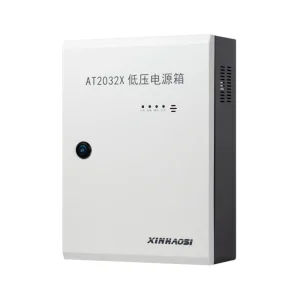
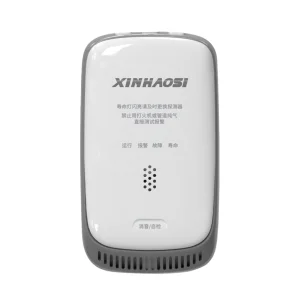
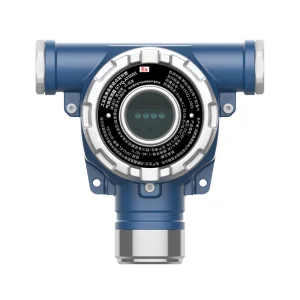
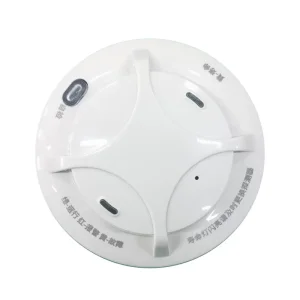
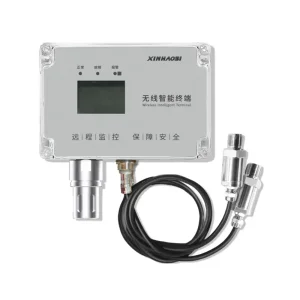
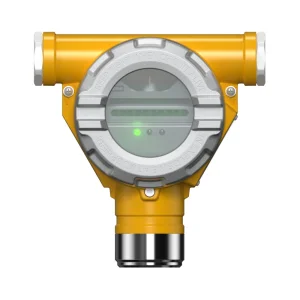
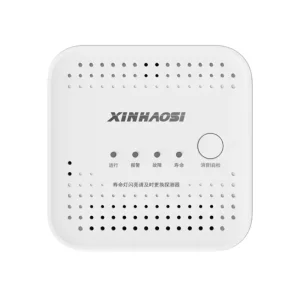
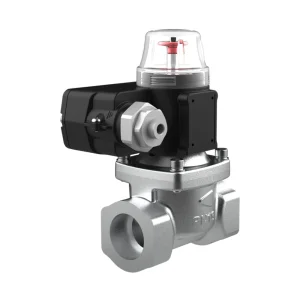
Explore our core engineering catalog of high-precision gas leak detection and shutoff control devices.
Within hazardous environments and urban residential infrastructures, managing gas hazards requires a proactive framework. As a leading brand established in 2003, Xinhaosi specializes in high-quality gas safety products. Safety Valve 1 technology encompasses intelligent gas shut-off valves, precision controllers, and detectors working together as a critical line of defense.
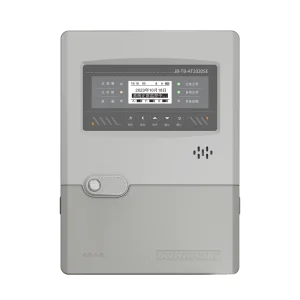
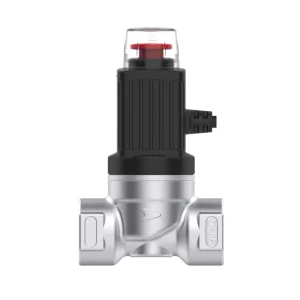
A gas solenoid valve, functioning as a Safety Valve 1, acts as the final element in an automated mitigation loop. By responding in milliseconds to trigger commands from an array of controllers (such as the JB-TB-AT2020SE), it instantly isolates the fuel supply. This level of system cohesion prevents minor leaks from escalating into major industrial hazards or structural incidents.
Understanding these critical mechanisms is essential for procurement managers, design engineers, and facility safety directors. This technical guide outlines the architecture of modern safety valves, their integration with intelligent detectors, and the performance characteristics of our factory-direct safety systems.


In industrial safety, the letter "X" signifies two realities: the hidden risks that threaten processing plants, commercial establishments, and homes daily, and the advanced technological solutions designed to detect and neutralize them. At Xinhaosi, we utilize advanced electronic detection and mechanical shut-off systems to make these invisible gas leak risks visible and manageable.

Our mission is simple: provide intuitive and precise gas safety systems to safeguard factories, cities, and homes worldwide.
Since 2003, we have designed safety products to meet global standards. By controlling the manufacturing process from raw materials to final functional testing, we ensure each gas safety valve and controller meets rigorous performance requirements.
Integrate gas monitoring hardware and emergency shut-off valves across diverse industrial, commercial, and residential applications.
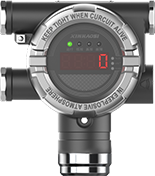

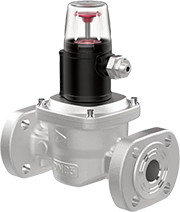
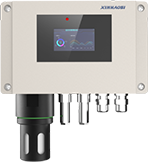
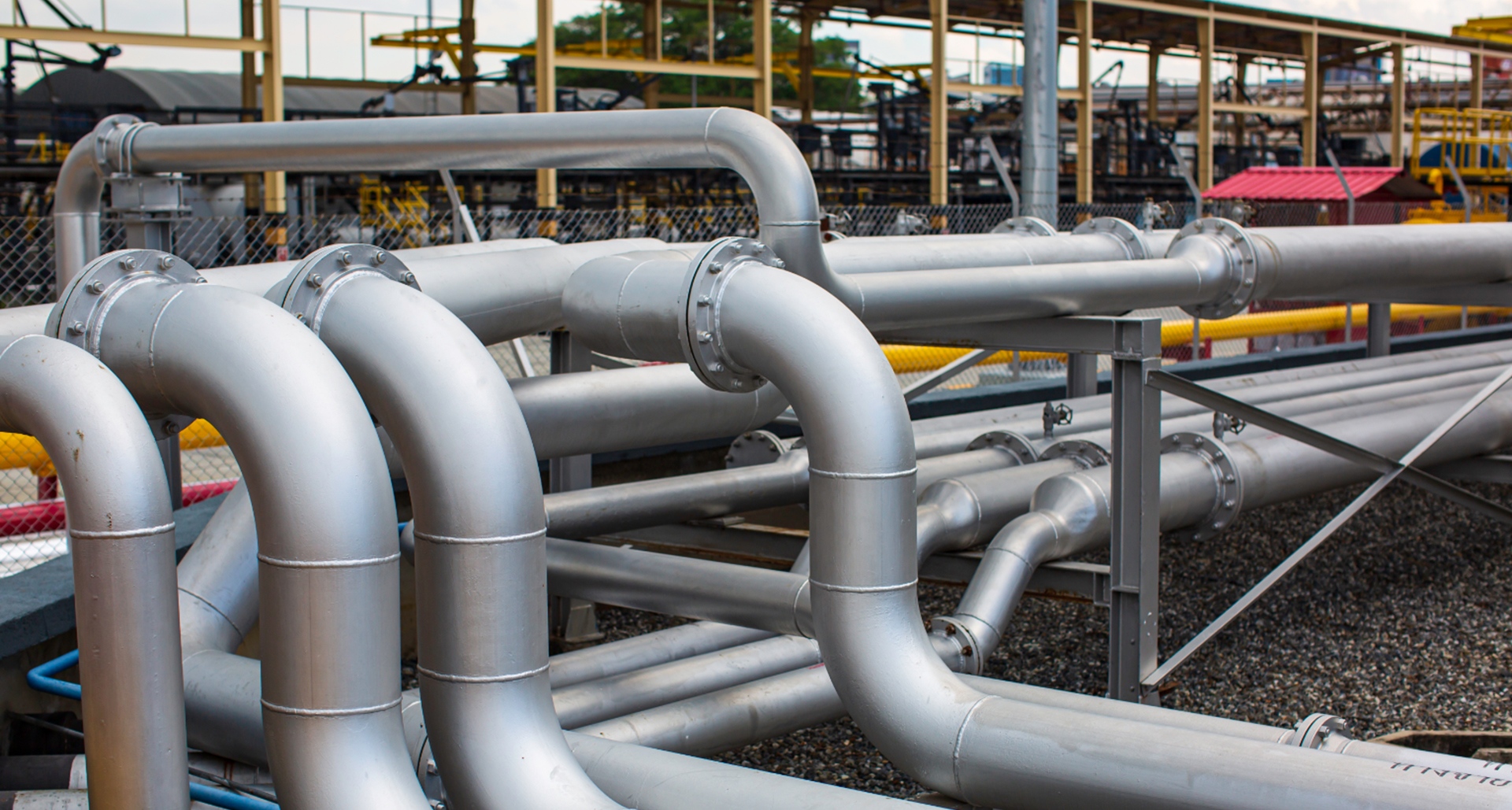
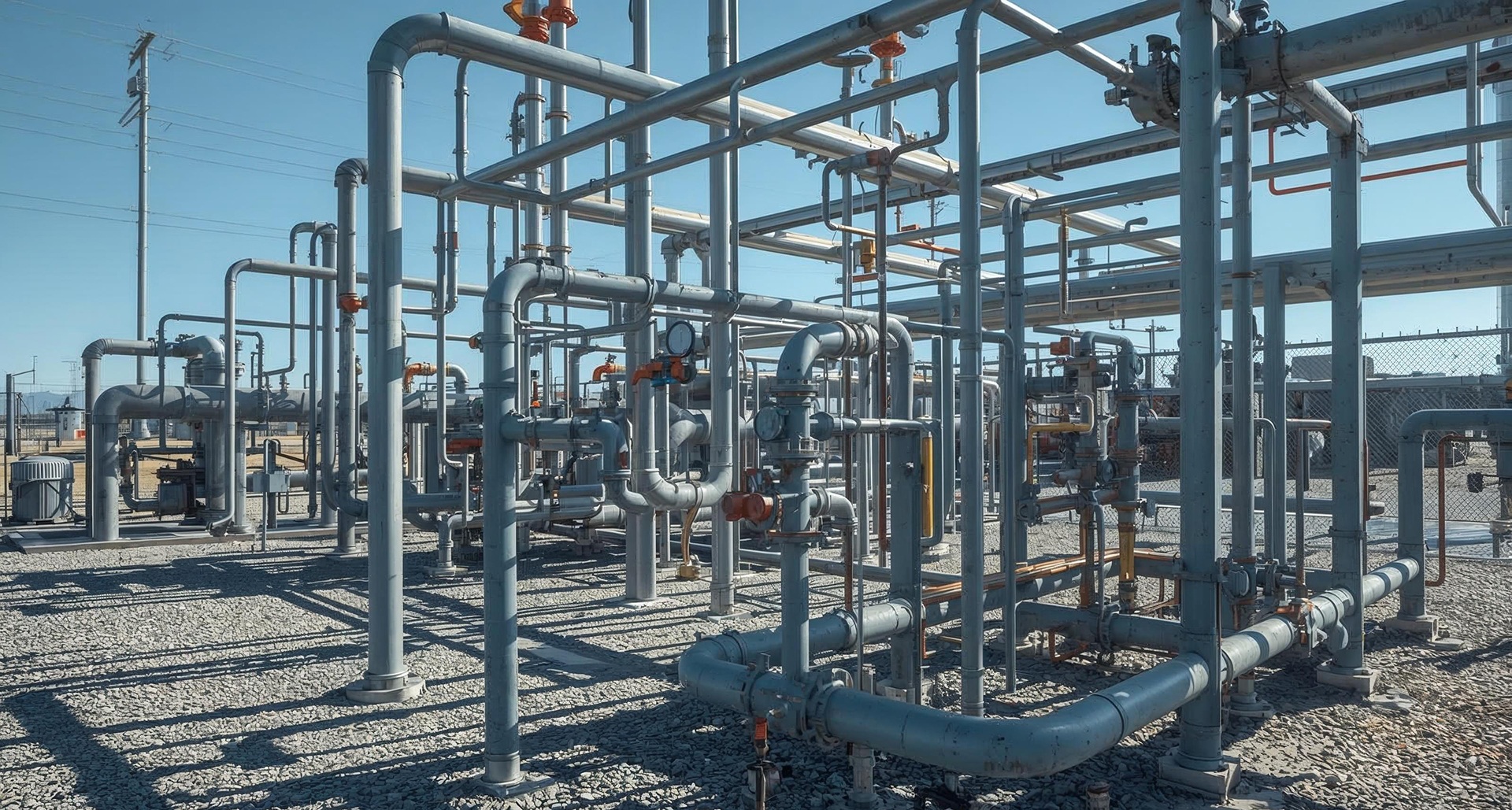
Modern industrial safety requires transition from passive mechanical protection to active, intelligent detection loops. The development of our Safety Valve 1 series focuses on several key areas:
Equipping valves and controllers with LoRaWAN, NB-IoT, and 4G communication protocols. This allows municipal gas workers and facility engineers to receive status alerts and control valves remotely.
Embedded sensors analyze coil temperature, pressure differential, and mechanical response times, identifying maintenance needs before a malfunction occurs.
Advanced magnetic latching coils require only a brief electrical pulse to shut off the valve, minimizing power consumption for battery-operated field installations.
Operating out of our advanced production facility, Xinhaosi applies Factory 4.0 methodology to gas detector and valve manufacturing. Lean automation ensures that every unit matches exact design tolerances and functions reliably under pressure.
This automated capacity provides global customers with consistent production volume, stable lead times, and competitive pricing, ensuring reliable supply chain planning.
Industrial safety installations require compliance with strict regulatory frameworks. Procurement managers should evaluate key parameters when selecting gas safety equipment:
Detectors used in hazardous locations must carry proper certifications (such as ATEX, IECEx, or Ex d IIC T6 Gb) to ensure they will not initiate ignition in explosive gas atmospheres.
Emergency shutoff valves must actuate within 1 to 2 seconds of receiving a signal to isolate gas flow and limit fuel release.
Solenoid seals and valve bodies must be chosen based on the target gas—whether Natural Gas, LPG, Methane, or manufactured gases—to prevent chemical degradation.
Xinhaosi provides comprehensive OEM and ODM customization, modifying thread standards (NPT, BSPT), operating voltages (AC220V, DC24V, DC12V Pulse), and enclosing profiles to meet diverse national safety standards and pipeline specifications.
We work closely with major municipal gas distributors, industrial groups, and safety contractors worldwide.
























Keep track of the latest announcements, exhibition updates, and product launches from Xinhaosi.
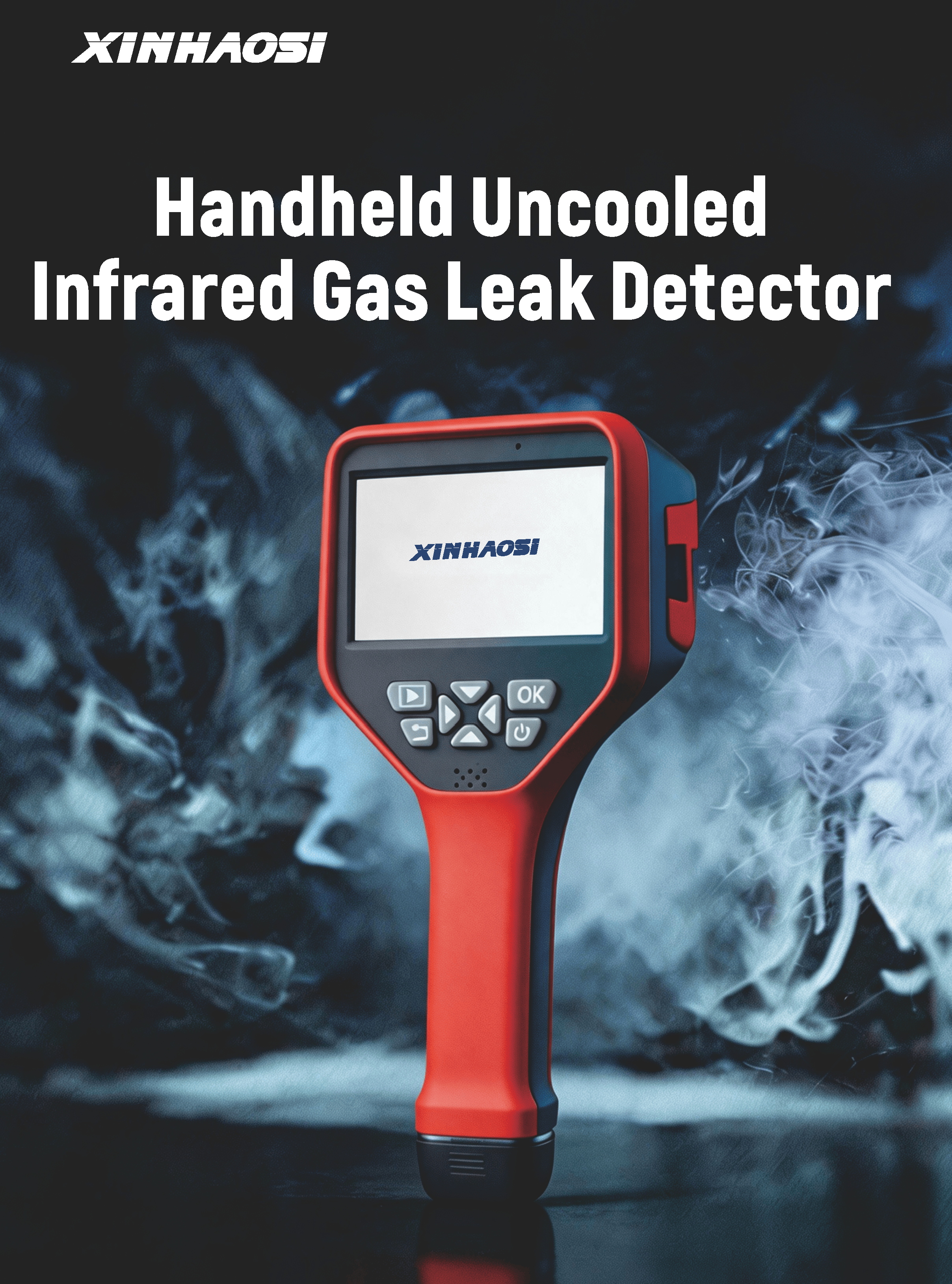
Xinhaosi Electronic Detection Technology Co., Ltd. officially launched its new Handheld Uncooled Infrared Gas Leak Detector, featuring dual-technology fusion, ultra-fast response, and long-distance non-contact detection to enhance safety and efficiency in petrochemical, refrigeration, natural gas and industrial safety scenarios.
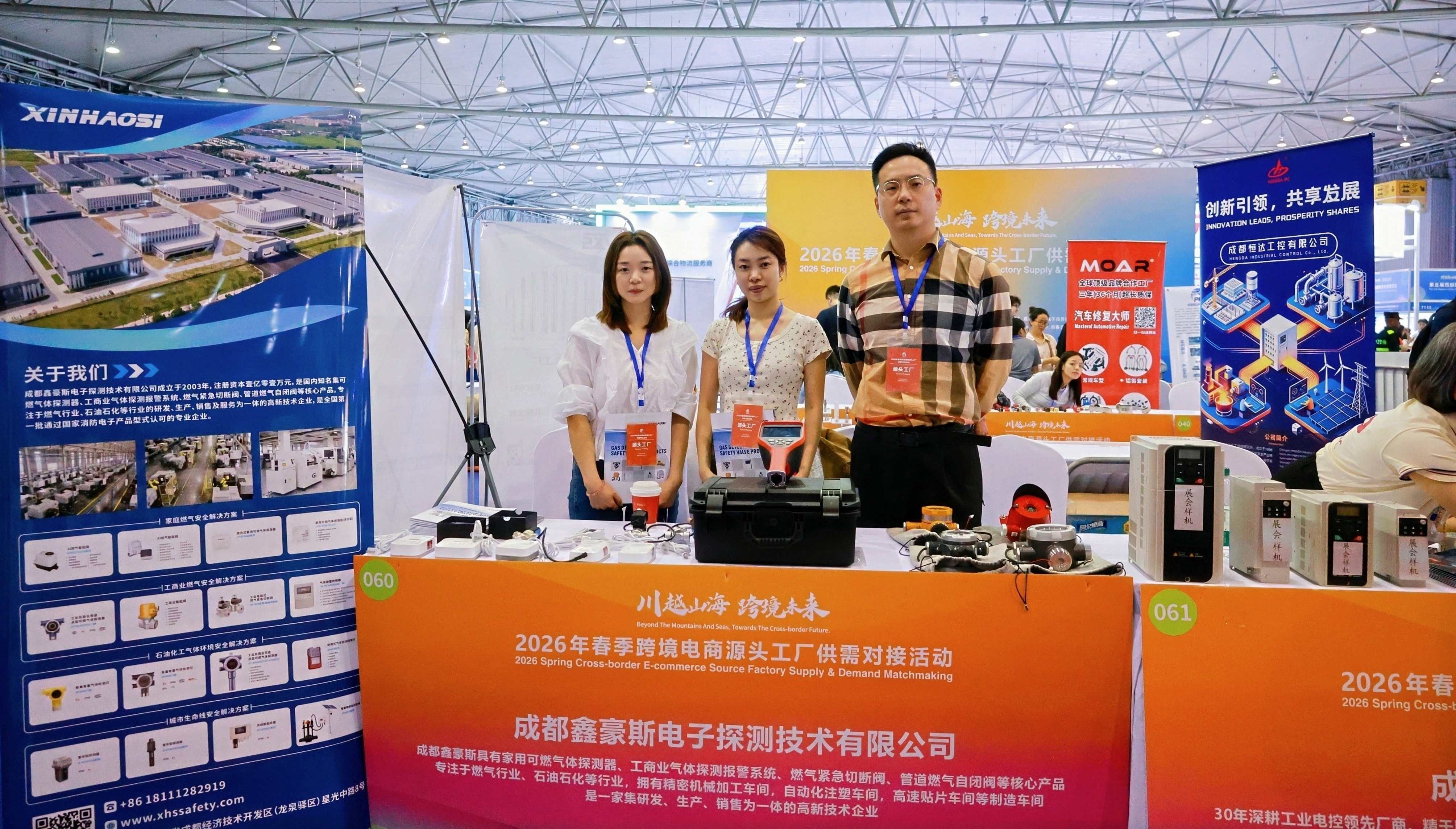
XINHAOSI recently participated in the 5th Western China Cross-Border E-Commerce Expo held in Chengdu. The event brought together cross-border e-commerce platforms, global buyers, manufacturers, and supply chain companies, creating new opportunities for international business cooperation and overseas market development.

XINHAOSI recently participated in the 2026 Sichuan (Chengdu) – Indonesia Industry Matchmaking Conference held in Chengdu. The event gathered enterprises and industry representatives from China and Indonesia to strengthen industrial cooperation and explore new business opportunities in Southeast Asia.
Browse detailed answers regarding the operation, integration, and selection of automatic shutoff safety valves.
Browse our complete catalog of industrial explosion-proof controllers, output relays, and solenoid safety valves.