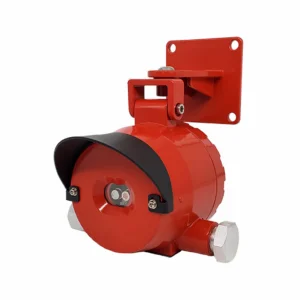
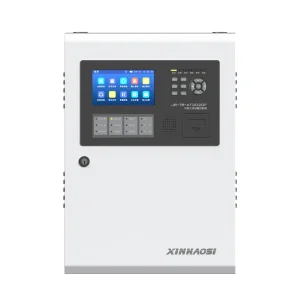
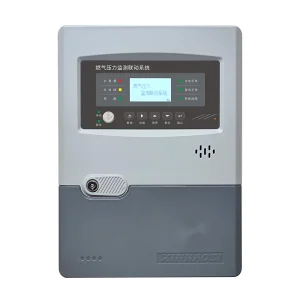
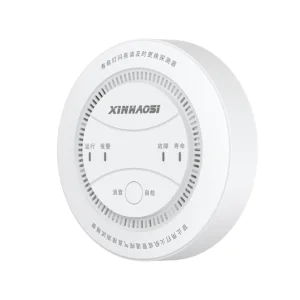
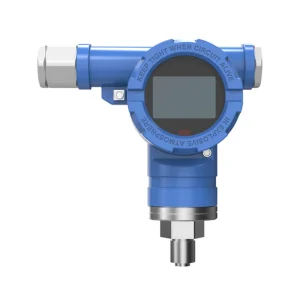
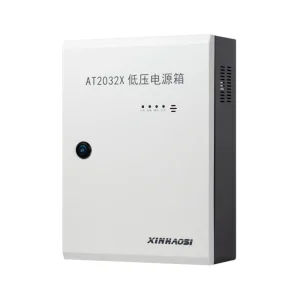
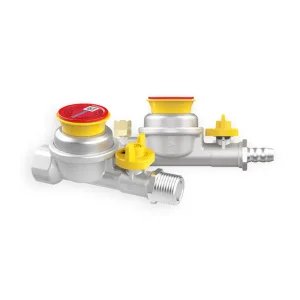
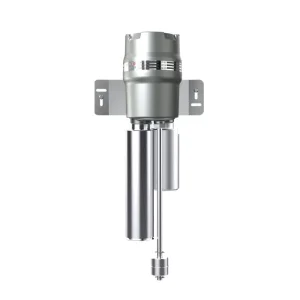
Explore our flagship selection of domestic combustible gas monitors, intelligent low-voltage power networks, and premium shut-off hardware. Engineered to meet strict global certification criteria, each model guarantees instantaneous safety response.
In modern industrial process engineering, the ability to control and isolate the flow of hazardous fluids, combustible gases, and volatile liquids is a cornerstone of operational safety. Shut off valves, which serve as the primary defensive line in critical distribution systems, must provide absolute integrity under extreme pressure differentials, high ambient thermal loads, and highly corrosive operating environments. As key components in automated process piping, emergency shutdown systems (ESD), and local gas distribution networks, their mechanical design directly influences the risk mitigation profile of entire manufacturing plants.
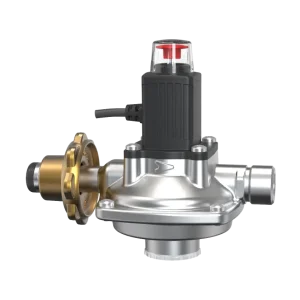
Utilizing high-grade elastomeric polymers like FKM, Viton, and NBR, our valve assemblies achieve Class VI Bubble-Tight sealing performance. This guarantees zero downstream migration of natural gas, LPG, and petrochemical derivatives even under continuous high-pressure operations.
Designed with electromagnetically optimized coils and responsive spring-return mechanisms, these shut-off assemblies transition from a fully open to a hermetically closed state in less than 1 second, limiting risk exposure in hazardous environments.
Our solenoid valves are housed in heavy-duty enclosures complying with international ATEX, IECEx, and CNEx standards, making them safe for installation in Zone 1 and Zone 2 hazardous gas and dust atmospheres.
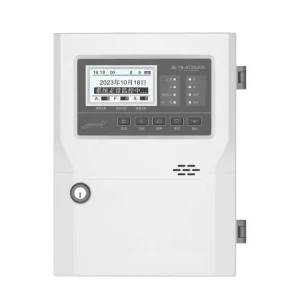
Sourcing components from certified shut off valves manufacturers guarantees that downstream equipment is shielded from unexpected pressure spikes. When coupled with advanced controller systems like the JB-TB-AT2020S Gas Detector Controller, our valves are capable of automated shutoff based on real-time sensory inputs, forming a seamless, closed-loop safety envelope.
Founded in 2003, Xinhaosi has established itself as one of the most influential and reliable brands in the gas safety industry. By leveraging state-of-the-art electronic detection technologies, we render unknown risk scenarios transparent, giving industrial operators and homeowners the data they need to maintain continuous safety.
Headquartered in Chengdu, Sichuan, we focus on integration across the entire safety chain. Our product portfolio spans industrial flame detectors, smart low-voltage power boxes, automatic pipelines, and municipal telemetry interfaces, forming a comprehensive infrastructure protection network.

As international supply chains optimize for efficiency and resilience, China's advanced industrial manufacturing clusters, particularly in the Sichuan region, continue to lead global exports in high-specification flow control components. The synergy between comprehensive heavy-metallurgy resources, advanced high-precision tooling systems, and digital quality monitoring ecosystems allows Chinese shut off valves manufacturers to provide substantial competitive advantages on the global market.
Using premium raw materials is the foundation of high-integrity valve manufacturing. Chinese factories utilize standardized formulations of copper-alloys (for residential gas solenoid valves) and grades like 304, 316, and 316L stainless steel for industrial process equipment. Through spectroscopic material validation and computerized casting, internal structural voids are eliminated, producing valves capable of handling extreme pressure differentials and preventing body fracturing under stress.
The concentration of raw material suppliers, forge facilities, machining shops, elastomer factories, and electronic sensor laboratories in close proximity significantly lowers overhead costs. By coordinating components directly with local developers of gas alarms and smart transmitters, we offer pre-integrated assemblies that lower deployment times for global buyers.
To support overseas projects, Chinese factories align production standards with international regulatory frameworks, including ISO 9001:2015, CE, ATEX, RoHS, and SIL (Safety Integrity Level) qualifications. Testing protocols include hydrostatic pressure testing, shell seat leakage evaluations (per API 598), and electrical insulation testing for solenoid coils, ensuring that every shipped unit operates dependably under field conditions.
| Performance Parameters | Standard Commercial Valves | Our Precision Shut-Off Valves | Operational Impact |
|---|---|---|---|
| Solenoid Response Time | > 2.5 Seconds | < 1.0 Second | Minimizes gas dispersion in leak scenarios |
| Enclosure Protection Class | IP54 / Standard Coils | IP66 / ATEX Ex d IIC T6 | Safe for explosive zone installations |
| Cycle Life Expectancy | 50,000 Operations | > 200,000 Operations | Reduces long-term operational maintenance costs |
| Elastomer Rating | Standard Rubber | Viton / FKM / Low-temp NBR | Maintains seal integrity in extreme environments |
Mitigating safety hazards requires coordinating active gas detection with reactive mechanical shut-off systems. Our portfolio is categorized into four primary domains, delivering comprehensive safety monitoring from detection to isolation.
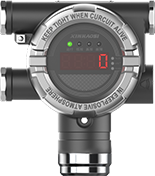
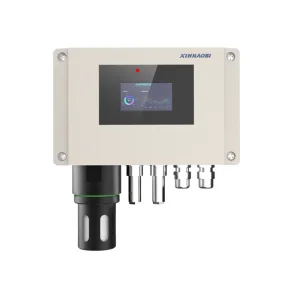
High-accuracy electrochemical, infrared, and catalytic sensors built to withstand harsh, chemical-rich manufacturing environments.

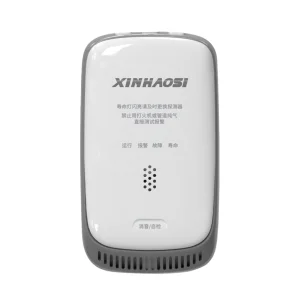
Aesthetic, user-friendly combustible gas alarms offering localized alerts and direct output signals for shut-off valves.
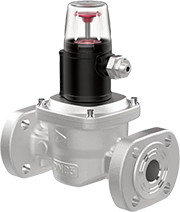
Rugged flow control valves engineered to isolate gas distribution loops instantly upon receiving electronic trip signals.
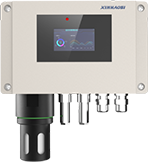
Advanced telemetry units integrating pressure transmitters with wireless IoT protocols for smart municipal utility systems.
Industrial shut-off systems must be adapted to the specific operational constraints of different global regions. Below, we examine the primary environments where our valve systems are deployed, alongside the key procurement criteria used by international engineering procurement firms.
When sourcing flow isolation equipment, global procurement teams utilize systematic evaluation frameworks to verify component quality and long-term reliability:
Verification of material heat numbers and chemical analysis certificates (EN 10204 3.1) to ensure alloy integrity and performance under high pressure.
Sourcing components with SIL 2 or SIL 3 ratings to verify calculated failure rates in automated industrial safety loops.
Ensuring response times of under 1 second to minimize the volume of hazardous materials released during process emergencies.
As a technology-driven safety brand, Xinhaosi actively participates in major global trade forums, industrial exhibitions, and regional alignment conferences to share advances in precision flow control and gas sensing tech.
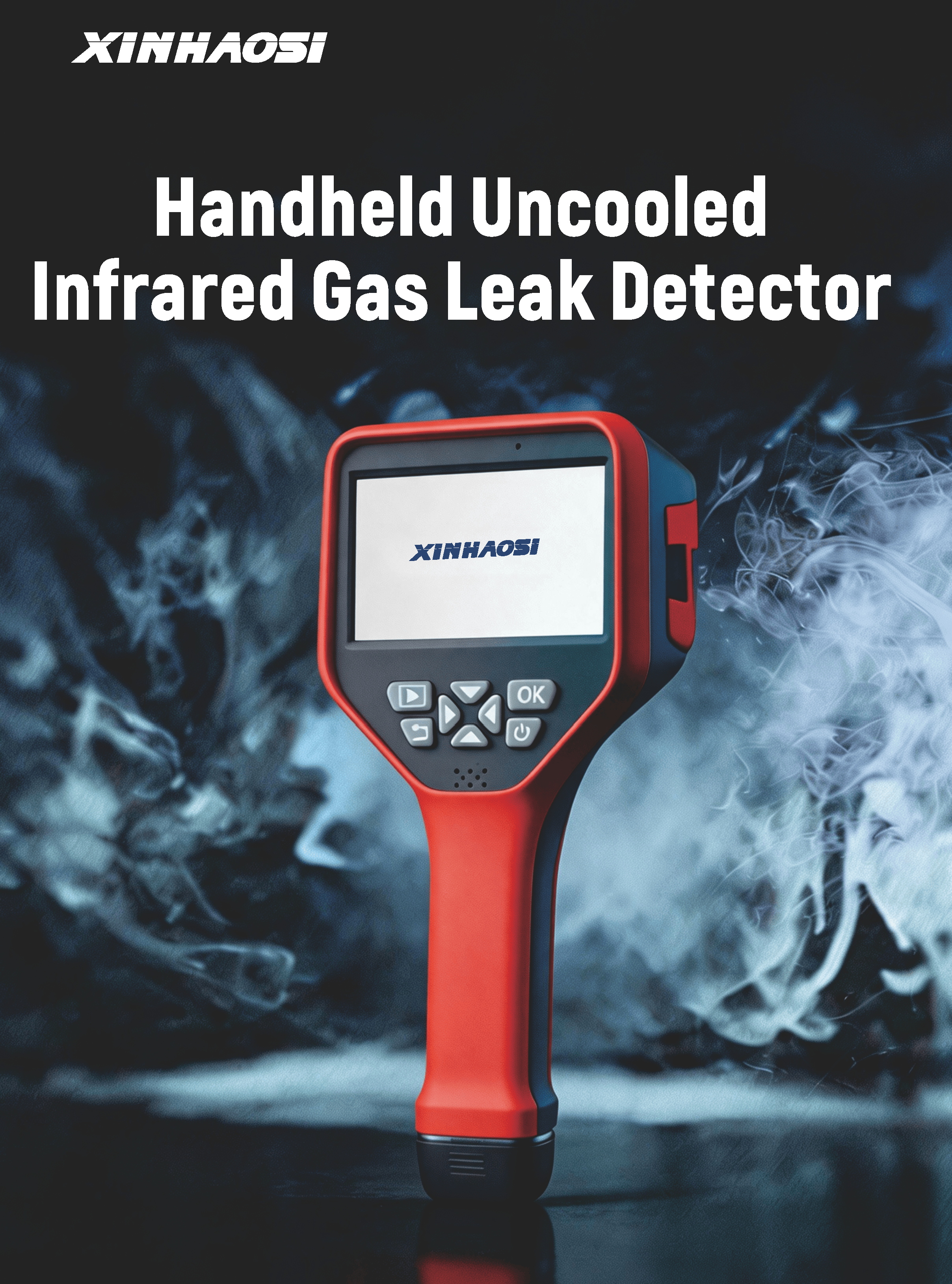
Featuring dual-technology fusion, ultra-fast response, and long-distance non-contact detection to enhance safety and efficiency in petrochemical, refrigeration, and industrial gas applications. (Launched May 09, 2026)
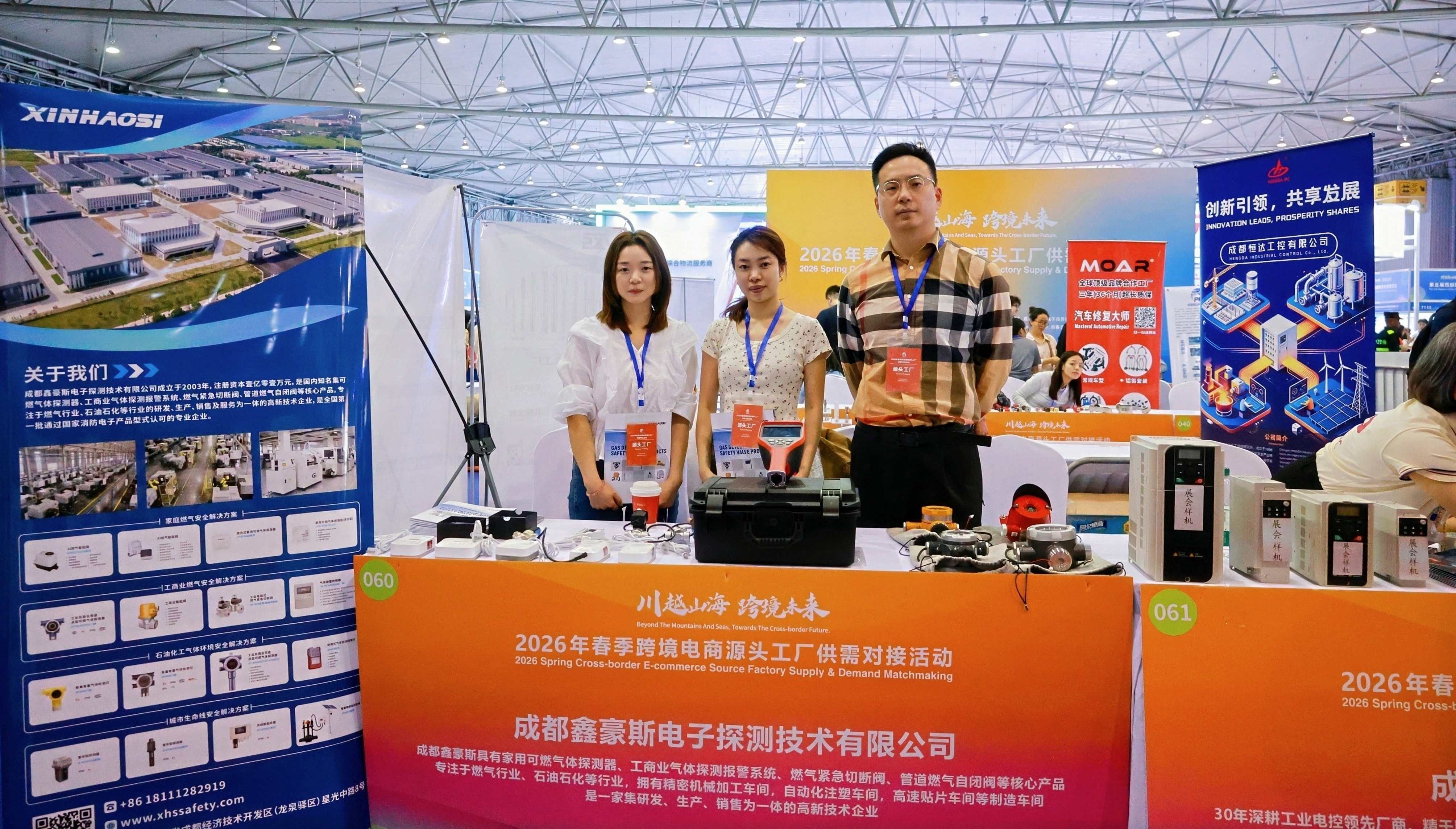
Connecting with cross-border e-commerce networks, international buyers, and global supply chain firms to expand distribution channels in overseas markets. (Event: May 08, 2026)

Collaborating with industrial partners and municipal representatives in Southeast Asia to implement smart gas safety monitoring infrastructures in developing urban regions. (Event: May 08, 2026)
Find answers to common technical, regulatory, and mechanical questions about selecting, installing, and maintaining gas shut-off systems.
Safety solenoid valves are typically designed as "normally closed" (fail-safe) or "normally open manual reset" types. Normally closed valves use spring-return mechanisms to shut instantly when power is lost. Manual reset valves require a human operator to physically inspect the area and pull open the valve pin after power is restored, ensuring the system cannot restart while a leak is present.
NBR (Nitrile) is suitable for standard temperature ranges (-20°C to +80°C) and shows good resistance to hydrocarbons. Viton and FKM are fluoroelastomers that operate reliably under high thermal profiles (up to 200°C) and provide superior chemical resistance against aggressive compounds, sour gas (H2S), and condensation within lines.
This rating defines the explosion-proof properties of the valve's electronic enclosure. "Ex d" means the enclosure can contain an internal explosion without igniting flammable gases in the surrounding environment. "IIC" covers the most volatile gas groups (such as Hydrogen and Acetylene), and "T6" limits the maximum outer surface temperature to 85°C to prevent auto-ignition.
The GT-AT0637 pressure monitor continuously samples line pressures and transmits data via wireless networks (NB-IoT or LoRaWAN) to a centralized controller. If pressure drops or spikes exceed configured limits, the controller triggers local shut-off valves to isolate the compromised pipeline segment.
A manual reset design ensures that after a gas leak triggers the valve to close, the flow cannot resume automatically once the sensor alarm clears. An engineer or technician must visually inspect the piping, identify the leak source, complete repairs, and manually pull the valve open. This setup prevents accidental gas releases into unmonitored spaces.
Working alongside municipal gas networks, energy suppliers, and global distributors to implement safety-critical monitoring infrastructures.
























Precision transmitters, safety power supplies, and specialized gas pressure modules designed to deliver stable flow control, system diagnostic reporting, and continuous field safety.