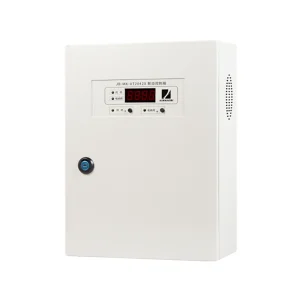
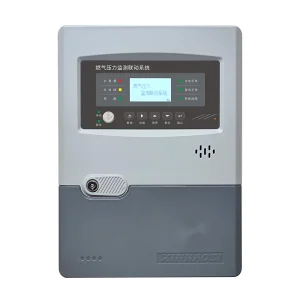
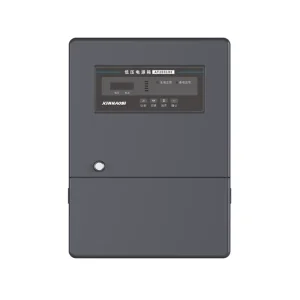
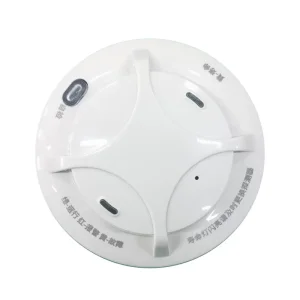
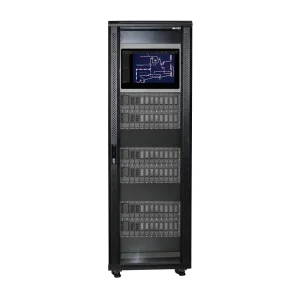
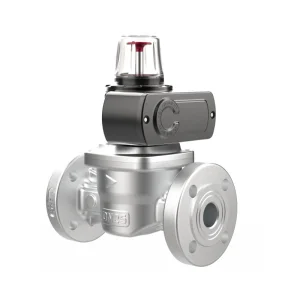
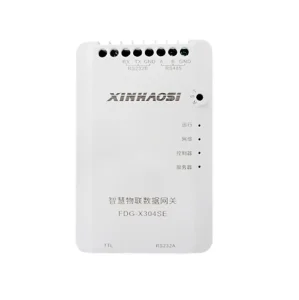
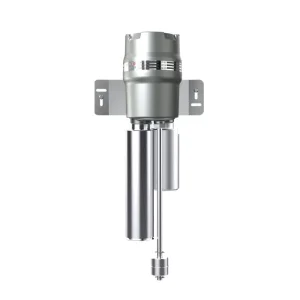
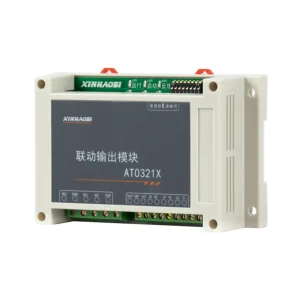
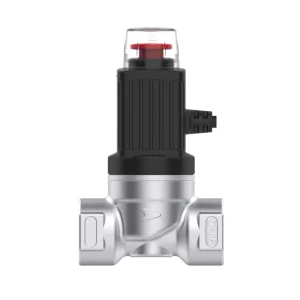
Explore our certified range of interlock control units, pressure transmitters, gas detectors, and industrial solenoid valves engineered for safety integrity level standards.
A comprehensive white paper covering electromagnetic flux, dimensional optimization, and precision integration rules for modern automation systems.
In high-precision electrical systems, solenoid sizes represent a critical vector of electromagnetic efficiency, thermal dissipation capacity, and force performance. A solenoid's volumetric footprint directly determines its ability to accommodate copper windings, dissipate thermal energy generated under continuous duty cycles, and generate the magnetic flux necessary to pull or push an internal armature. Understanding how dimensional standards correlate with physical limits is the foundation of selecting an industrial actuator.
The core physics of solenoid operation relies on the Biot-Savart Law and Ampere's Circuital Law. The magnetic field strength (H) generated within the solenoid coil is directly proportional to the number of turns (N) and the excitation current (I), divided by the magnetic path length (L). Consequently, reducing the physical dimension of a solenoid without modifying electrical parameters changes the internal coil resistance and thermal limits. Choosing the correct size requires a balance of force-to-stroke curves, duty cycles, and operating environment envelopes.
The total volume of a solenoid determines the space available for copper magnet wire. Standard AWG sizes and insulation classes dictate how many turns can occupy the coil frame, directly affecting the saturation limit of the internal iron core.
Duty cycle defines the ratio of "ON" time to total cycle time. Continuous-duty applications require larger frame sizes to act as heat sinks, preventing winding insulation failure, while intermittent operations can use smaller frames.
The air gap between the plunger and the fixed core dramatically reduces force output. By selecting flat-face or conical-face plunger geometries in specific frame dimensions, manufacturers can optimize force curves for specific stroke requirements.
| Solenoid Class / Frame Size | Nominal Dimensions (mm) | Maximum Stroke (mm) | Force Range (N) | Typical Applications |
|---|---|---|---|---|
| Micro Series (Subminiature) | 10 x 12 x 20 | 1.5 to 3.0 | 0.2 - 1.5 | Precision medical devices, micro-fluidic control, optical shutters |
| Medium Duty (Standard Frame) | 30 x 38 x 50 | 5.0 to 12.0 | 5.0 - 45.0 | Automotive fuel locks, industrial gas valves, sorting machinery |
| Heavy Duty (Tubular & Cast) | 60 x 80 x 120 | 15.0 to 30.0 | 80.0 - 500.0 | Aerospace actuators, urban infrastructure shut-off, mining equipment |
Navigating the transition toward micro-miniaturization, material science breakthroughs, and intelligent self-diagnostic systems.
Next-generation electronic circuits demand actuators with minimal footprints. Innovations in ultra-fine wire winding technologies and multi-layered planar coil designs allow factories to manufacture solenoids that deliver high magnetic forces from millimeter-scale housings, ideal for surgical robotics and precision laboratory equipment.
Traditional silicon steel cores face magnetic saturation limitations. Future roadmaps incorporate Iron-Cobalt (Fe-Co) and soft magnetic composite (SMC) materials. These alloys exhibit high saturation polarization, allowing solenoids to generate identical magnetic forces with up to a 30% reduction in weight and volumetric size.
Solenoids are evolving from passive components into active, intelligent endpoints. By incorporating Hall-effect position sensors and thermocouple circuits within the housing, modern solenoids transmit status telemetry. The system monitors temperature spikes, stroke speed degradation, and current draw anomalies in real-time, enabling predictive maintenance schedules before failures occur.
How specialized solenoid sizes drive safety, reliability, and precision across diverse industrial sectors.
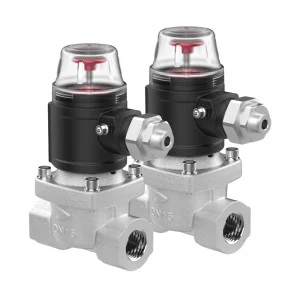
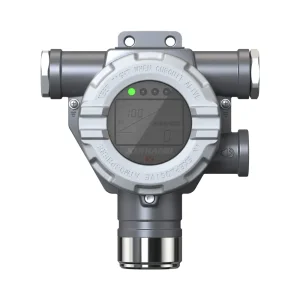
In municipal natural gas pipelines and commercial installations, safety is paramount. Our solenoid valves act as the primary safety link, executing emergency shut-offs when combustible gas sensors detect leaks. These systems require precise solenoid stroke calibrations to resist high line pressures while operating reliably under low electrical input budgets.
From variable valve timing (VVT) actuators to transmission oil control modules, solenoids operate under extreme temperature fluctuations and constant vibrational stress. Standardized, compact solenoids ensure precise hydraulic fluid metering, boosting engine efficiency and minimizing exhaust emissions.
Weight constraints in aerospace engineering dictate the use of customized solenoid actuators. By utilizing titanium housings and high-temperature Class H insulation, manufacturers build lightweight solenoids that control cryogenic propellants and hydraulic flight surfaces under extreme G-force environments.
Pneumatic pick-and-place lines, sorting mechanisms, and heavy assembly jigs rely on sub-millisecond response solenoids. Our optimized designs ensure minimal magnetic hysteresis, enabling cycling rates exceeding 1000 operations per minute for years without mechanical degradation.
Combining automated production technologies with deep vertical integration to secure component supply lines for global industries.
Our state-of-the-art Chinese manufacturing plant employs Smart Factory 4.0 standards. By integrating robotic coil winding stations, automated CNC coordinate milling, and computer-controlled magnetic force testing, we guarantee that every solenoid conforms to strict engineering tolerances. Our automated assembly lines use statistical process control (SPC) loops to monitor coil resistance and dimensional consistency, preventing defective units from moving forward in production.
Additionally, our vertical supply chain integration within China's primary industrial zones offers unique procurement benefits. We source high-purity copper magnet wire, specialty steel laminations, and quality elastomers directly from trusted nearby suppliers. This localized ecosystem reduces raw material lead times, minimizes carbon footprints, and shields clients from global logistics disruptions.
Addressing international standards, cross-border technical compliance, and customer-focused engineering support.
Our solenoid components and assemblies comply with international safety directives. Depending on regional requirements, we deliver products certified to CE, UL, ATEX (for explosive environments), and SIL (Safety Integrity Level) standards. This simplifies compliance processes for your system integrations.
We believe effective engineering design requires direct communication. Our international offices provide localized engineering consulting, assists with CAD/3D modeling integrations, and offers quick-turn prototype testing services. This helps resolve technical questions during the early stages of design.
Every industrial project has unique requirements. We provide flexible custom manufacturing options, including specific electrical plug configurations, custom plunger adapters, specialized seals (Viton, EPDM, NBR), and bespoke mounting brackets, all tailored to fit your existing designs.
Unifying safety metrics and active sensing systems under a single, reliable framework.


We utilize advanced electronic detection technology to make unknown gas leak risks clear and visible.
Founded in 2003, Xinhaosi has established itself as an influential brand in the gas safety industry. We provide customer-focused products and services to protect factories, commercial spaces, and residential communities worldwide. Utilizing precise production controls, we develop integrated safety systems designed to prevent gas leaks and shut off systems at the source.
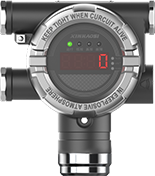

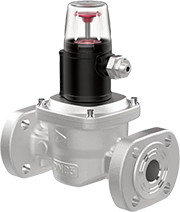
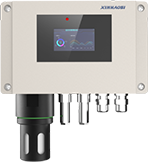
Collaborating with leading industrial safety, manufacturing, and distribution corporations to build safer environments worldwide.
























Stay updated with our technical exhibitions, international trade summits, and next-generation product releases.
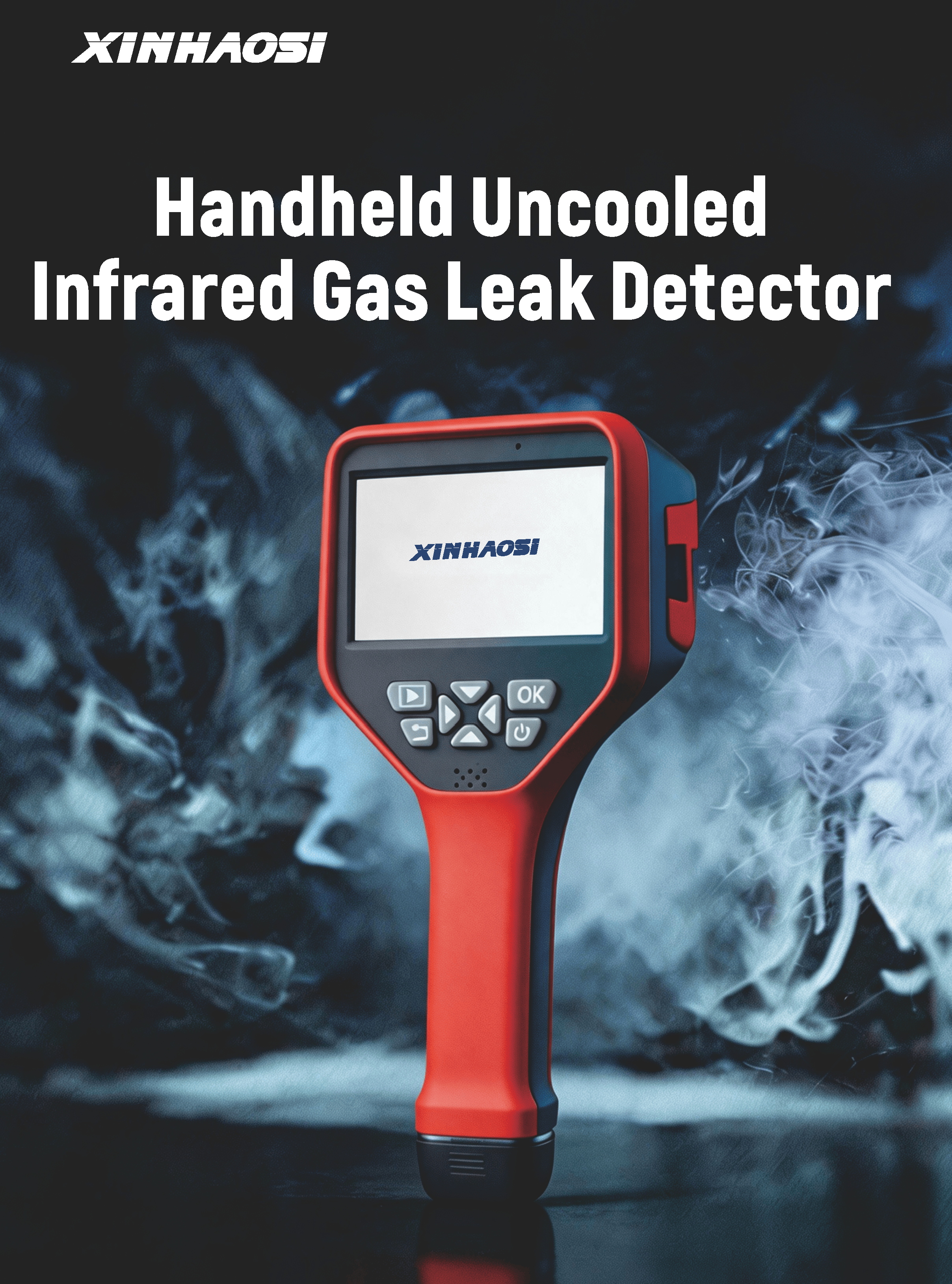
Featuring dual-technology fusion, rapid response, and long-range non-contact detection, our new portable detector raises safety standards for chemical processing, cold chain logistics, and gas utilities.
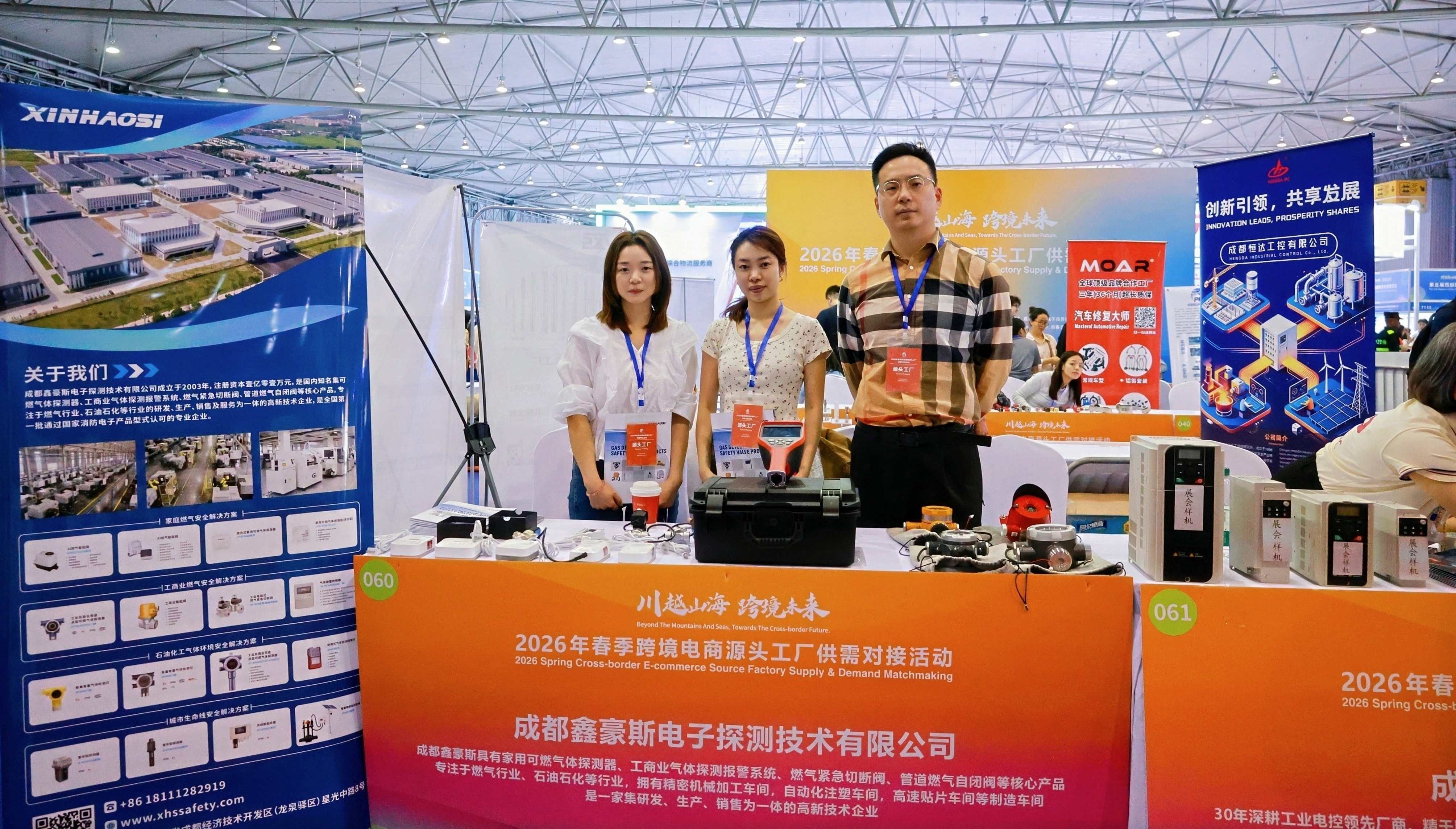
Our participation in Chengdu brought together international procurement agents and distribution managers, creating new avenues for product localization and technical collaboration across global markets.

This event helped strengthen industrial ties and expand our distribution networks in Southeast Asian markets, allowing us to deliver certified safety equipment to infrastructure projects in the region.
Find answers to common questions about technical specifications, sizing variables, and physical operating limits of solenoid actuators.
The total force output of a solenoid is determined by the magnetic flux density generated within its core, expressed by the equation F = (B² * A) / (2 * μ₀), where B is magnetic flux density, A is core cross-sectional area, and μ₀ is air permeability. A larger solenoid frame allows for a thicker core (increasing area A) and accommodates more copper wire turns (increasing B). Consequently, larger solenoid sizes generate significantly higher holding and pulling forces compared to smaller models operating under equivalent currents.
Operating a solenoid generates heat due to resistance in the copper windings (I²R losses). If a solenoid is active for long periods (continuous duty), it must be large enough to radiate this heat into the environment. Using an undersized solenoid for continuous duty can lead to overheating and breakdown of the wire insulation. For applications requiring small footprints, intermittent-duty solenoids can be used, provided they are allowed to cool down between activations.
Tubular solenoids feature a solid steel cylindrical housing that encloses the coil. This design creates a closed magnetic path with minimal flux leakage, resulting in higher efficiency and greater pull force over longer strokes. Additionally, the tubular enclosure provides better physical protection and heat dissipation compared to open-frame solenoids, making them suitable for high-demand industrial and automotive environments.
As copper wire heats up, its electrical resistance increases. At higher temperatures, this resistance limits the current flow through the coil under a constant voltage supply (I = V/R). Because magnetic force is proportional to current, a hot solenoid will generate less force than a cold one. In critical systems, designers must account for this drop in force at high temperatures, or use constant-current drivers to keep current levels stable.
We provide a range of customization options, including specialized plunger connections, custom coil winding configurations for different voltages, high-temperature wire insulation classes, and corrosion-resistant plating. We also supply custom mounting brackets and electrical connectors to simplify integration into your existing systems.
Explore our industrial-grade gateway systems, low-power solenoid actuators, and household combustible gas detectors.