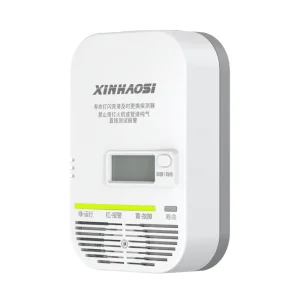
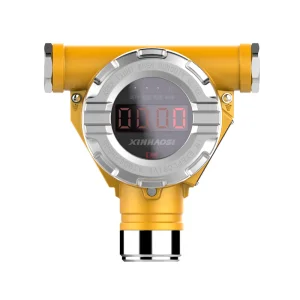
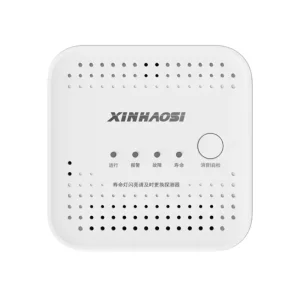
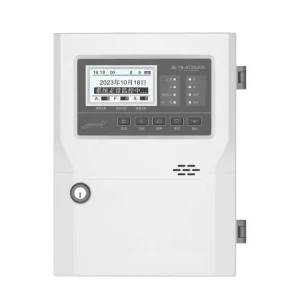
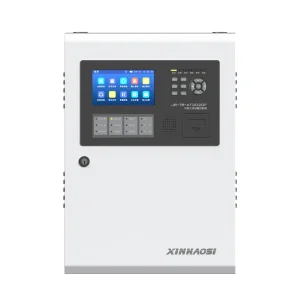
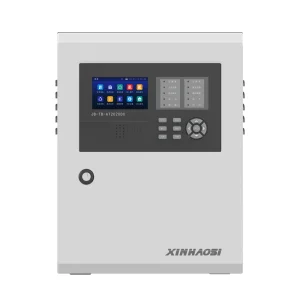
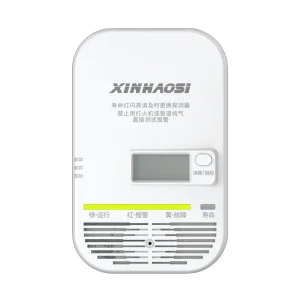
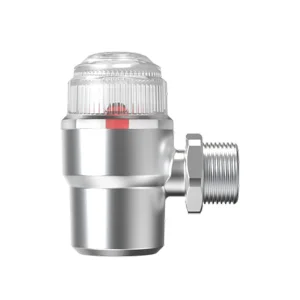
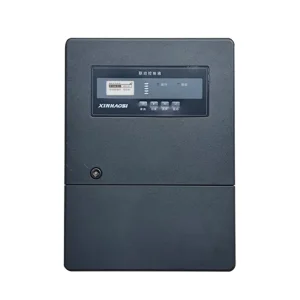
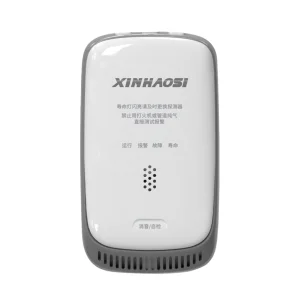
Engineered for absolute reliability under hazardous conditions. Explore our premier range of detectors and emergency shut-off elements.
Founded in 2003, Xinhaosi has established itself as one of the most authoritative and influential brands in the global gas safety and control valve manufacturing industry. We dedicate our engineering capabilities to safeguarding the operations of heavy chemical plants, the safety of modern smart cities, and the absolute peace of mind for residential sectors worldwide. By utilizing cutting-edge automated production matrices and state-of-the-art laboratory testing systems, we deliver safety elements designed for tomorrow's complex environments.
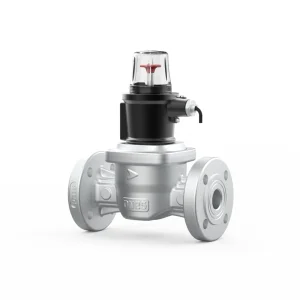
Within functional safety architectures (IEC 61508/SIL standards), "Valve 1" defines the primary emergency shut-off valve (ESV) within a gas loop safety system. It acts as the final control element, working in unison with digital controllers and ambient sensing arrays to terminate flow in milliseconds under critical alarm states.

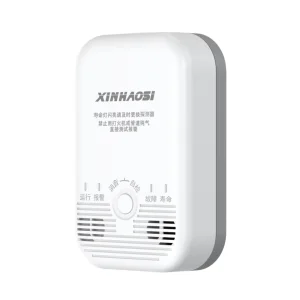
Our detectors use uncooled infrared and catalytic combustion principles to accurately detect gas concentrations below lower explosive limits (LEL).
Integration of high-grade gas solenoid valves that physically isolate lines under high pressure, preventing flammable media dispersion.
Engineered for hazardous locations, our controllers, and valves meet global standards for explosion-proof safety containment.
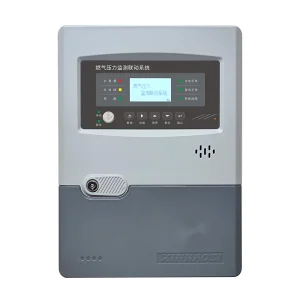
Features digital industrial buses (Modbus RS485, CAN, Ethernet) to enable telemetry, status monitoring, and remote valve operation.
Understanding functional safety parameters, material compliance, and validation loops for international engineering organizations.

For engineering, procurement, and construction (EPC) firms, the choice of safety valves cannot be compromised. The term "Valve 1" represents the front-line mechanical barrier that mitigates explosive hazards. Sourcing managers look beyond basic catalog parameters to evaluate critical factors, such as:
Modern procurement strategies avoid sourcing independent safety components. Instead, they specify integrated safety loops. A typical safe loop relies on an explosion-proof gas detector linked to an intelligent logic controller, which directly operates the fast-closing "Valve 1" solenoid valve. If gas concentration levels exceed a pre-set threshold (typically 10% to 25% LEL), the controller de-energizes the solenoid. This allows the valve to shut off the gas flow in less than 500 milliseconds, mitigating risk before it escalates.
Xinhaosi offers fully verified systems that simplify engineering designs and guarantee component compatibility, meeting the strict procurement guidelines of international markets.
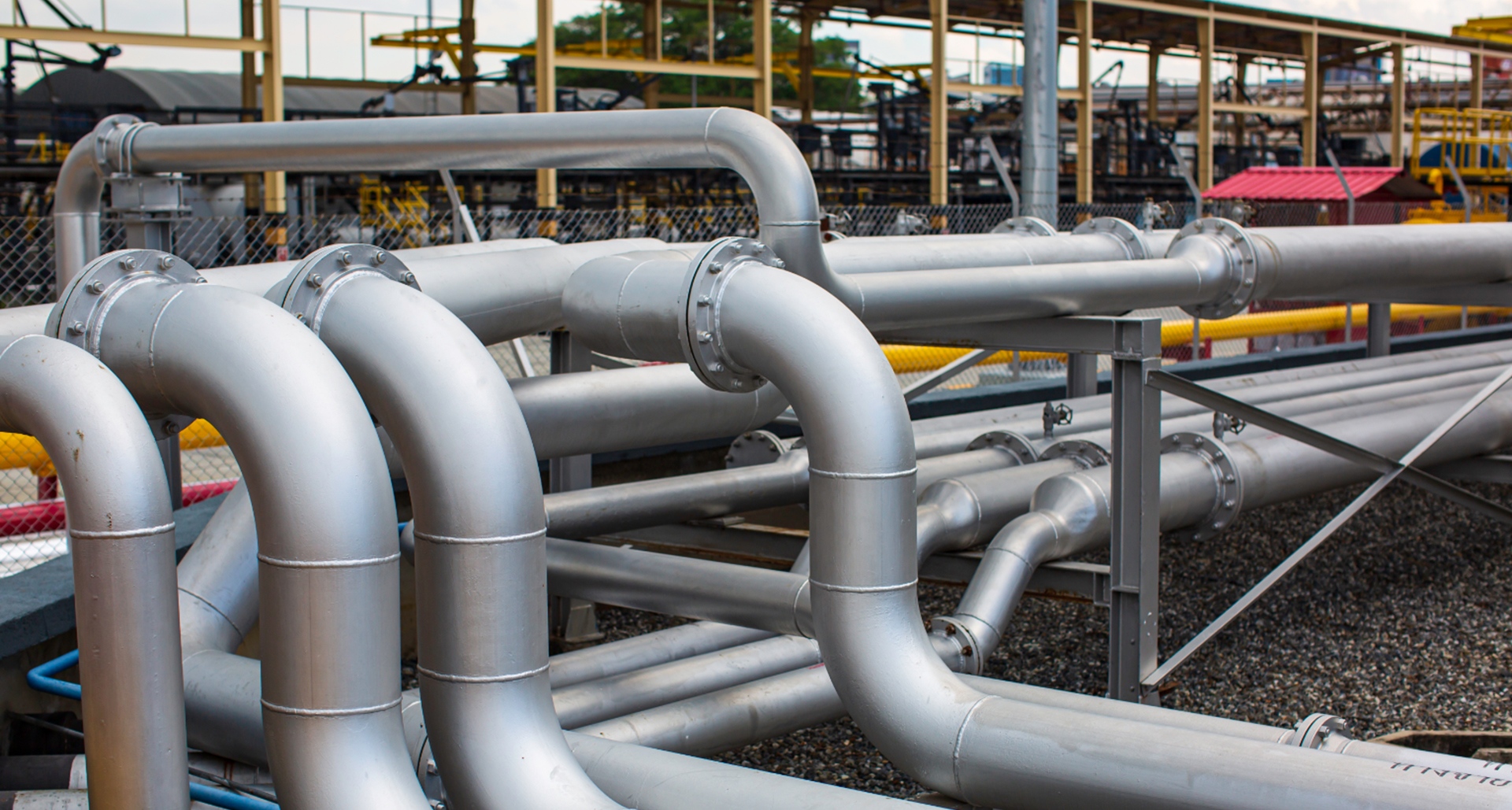
From urban distribution to heavy petrochemical plants, our systems deliver reliability when it matters most.
Industrial operations involve volatile chemical processes that require explosion-proof detection systems. In these environments, GTYQ series detectors monitor storage yards, process areas, and pipelines. In the event of a leak, they signal the system controller to close the primary Valve 1 solenoid valves, preventing catastrophic gas ignition.
Municipal gas distribution utilities manage vast pipe networks that transport methane and liquefied petroleum gas (LPG) under high pressure. These systems require monitoring at pressure regulation stations and city gates. Our telemetry-enabled controllers track flow pressures and valve positions in real-time, allowing operators to isolate pipeline segments remotely.
In modern residential and commercial settings, our JT series detectors and XF3 series solenoid valves offer essential protection. These systems integrate into building management networks, automatically closing gas lines when leaks are detected. They also signal extraction hoods to ventilate the space and alert building personnel.
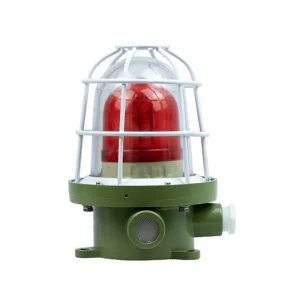
Our solutions include explosion-proof audible and visual alarms (e.g., BJX and BBJ series) that provide warning in noisy industrial areas. Combined with gas pressure transmitters, they form a complete safety network that protects lives and physical plant infrastructure.
The next step in safety: Integrated intelligence, zero-drift sensing, and smart diagnostic valves.
Traditional electrochemical and catalytic sensors are prone to sensor poisoning and calibration drift over time. Xinhaosi is addressing this by incorporating uncooled infrared (IR) gas detection technology. By monitoring specific hydrocarbon absorption bands, these sensors identify gas leaks at distance without physical contact, ensuring high stability in challenging conditions.
Emergency shut-off valves typically remain open for long periods. This static condition can lead to mechanical sticking due to contaminants in the gas flow. Our technical roadmap introduces smart solenoid valves that perform automatic partial-stroke testing (PST). These diagnostic routines cycle the valve briefly to verify movement without interrupting the gas supply, confirming operational readiness.
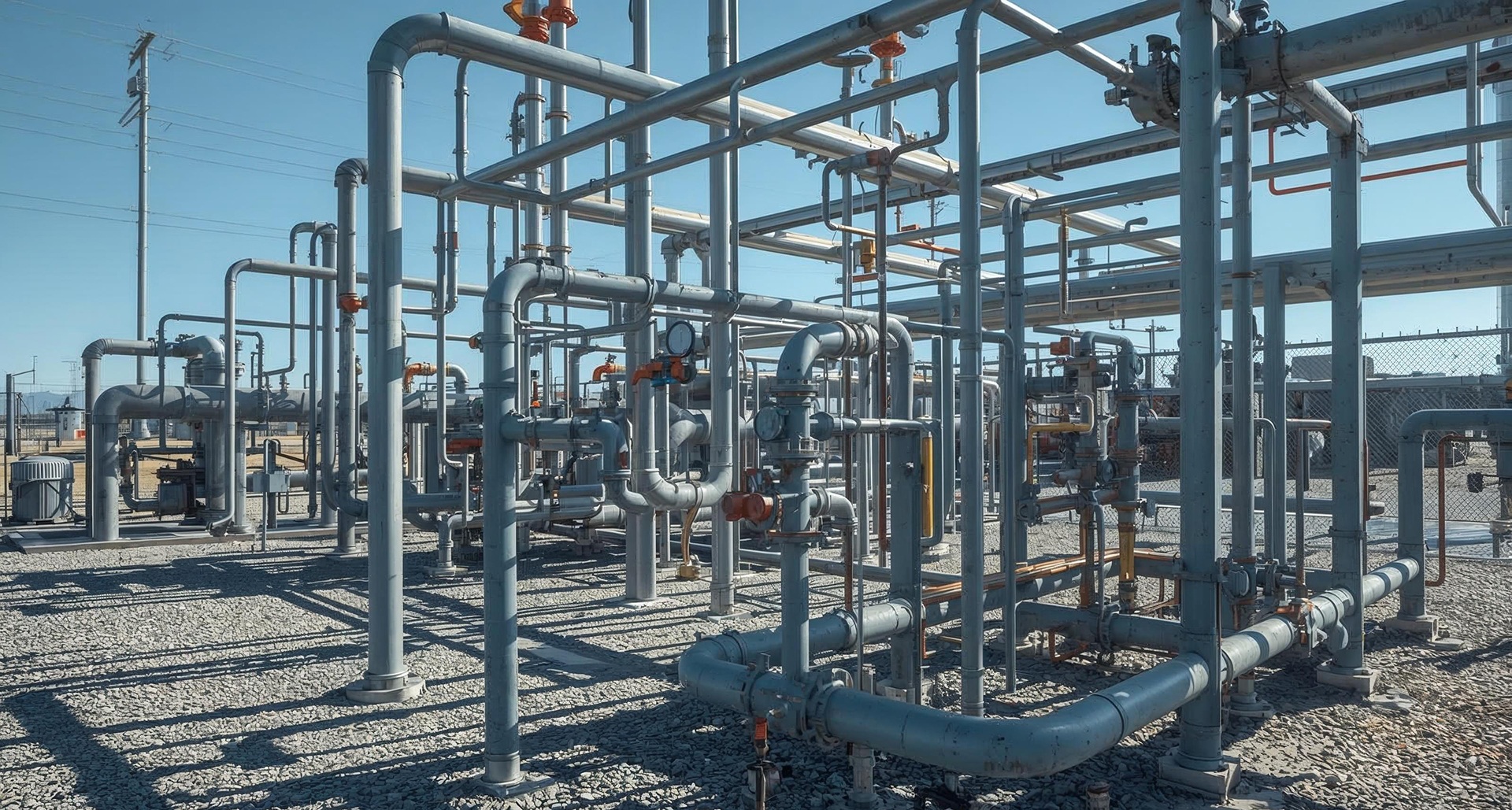
Our research and development efforts are focused on integrating safety loops into industrial IoT networks. Our target specifications for next-generation systems include: response times under 200 milliseconds, built-in wireless mesh connectivity, and self-powering solar systems for remote pipelines.
Approved by leading certification bodies and trusted by global enterprises for reliable protection.
























Follow the latest updates on detection technologies and industry standards from Xinhaosi.
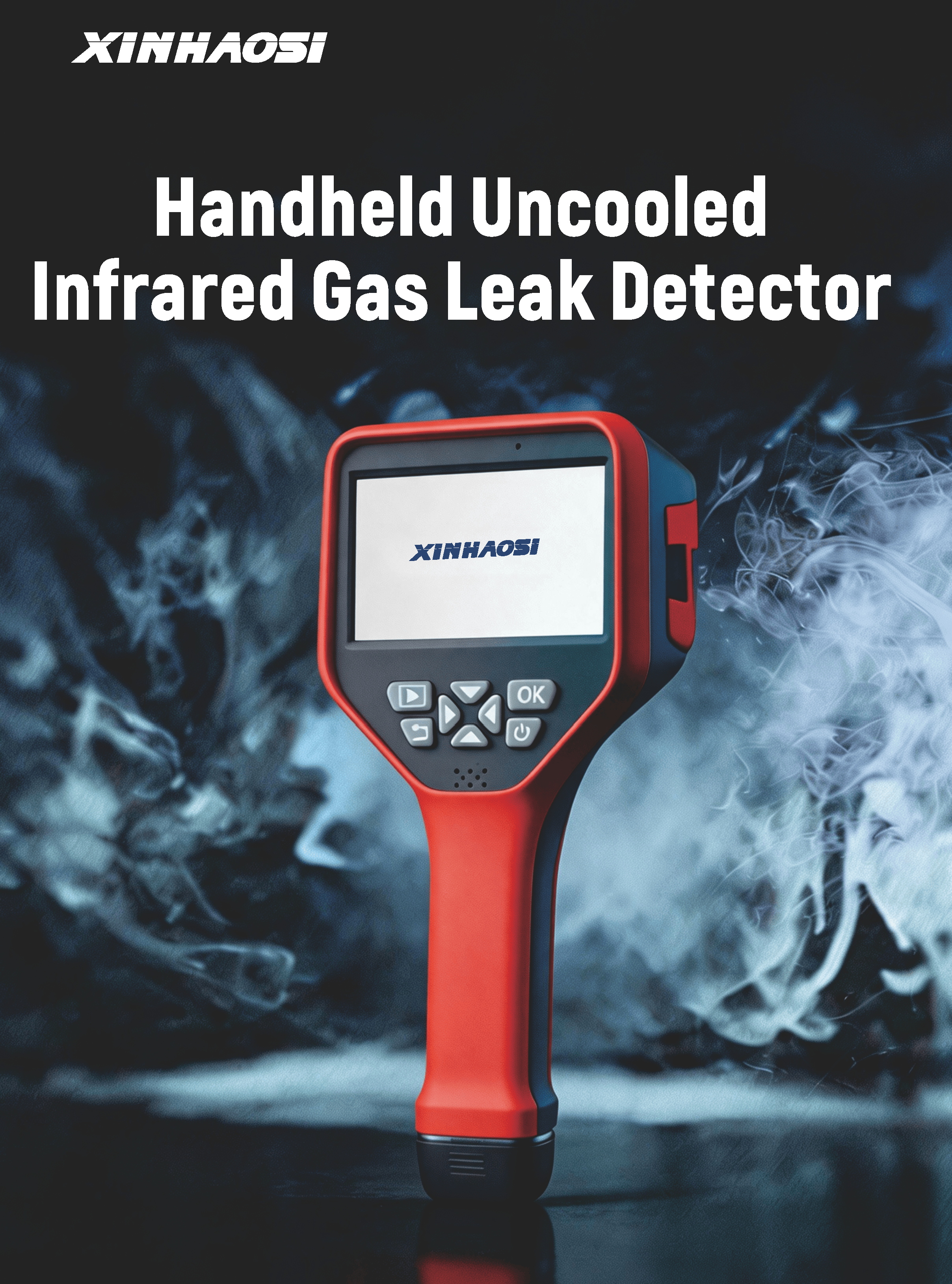
Xinhaosi Electronic Detection Technology Co., Ltd. has officially launched its new Handheld Uncooled Infrared Gas Leak Detector. This model features dual-technology fusion, rapid response, and long-range non-contact detection, improving safety across petrochemical, refrigeration, and industrial gas applications.
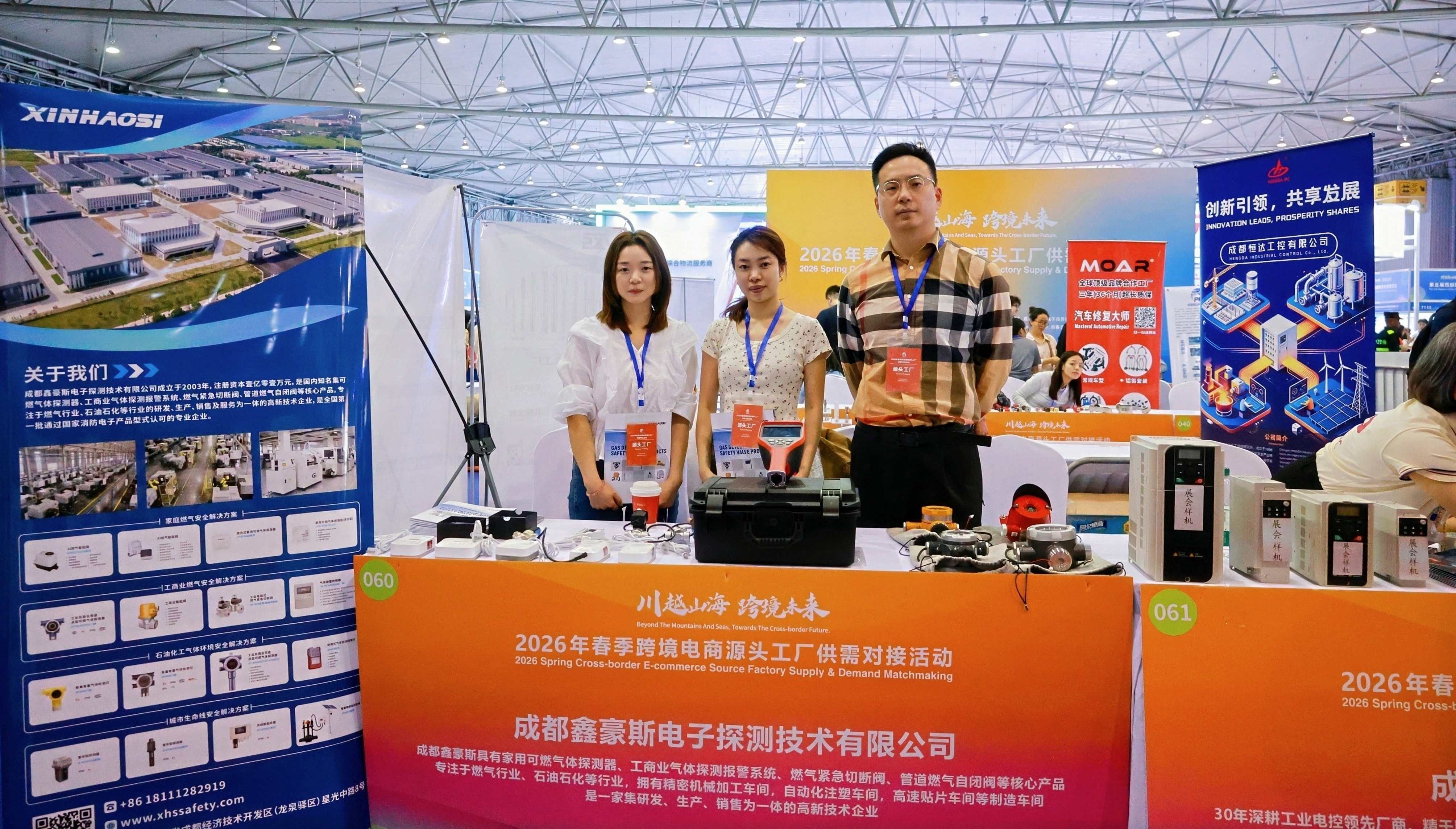
Xinhaosi recently participated in the 5th Western China Cross-Border E-Commerce Expo in Chengdu. The event connected platforms, global buyers, and manufacturers, establishing new opportunities for international trade and business development.
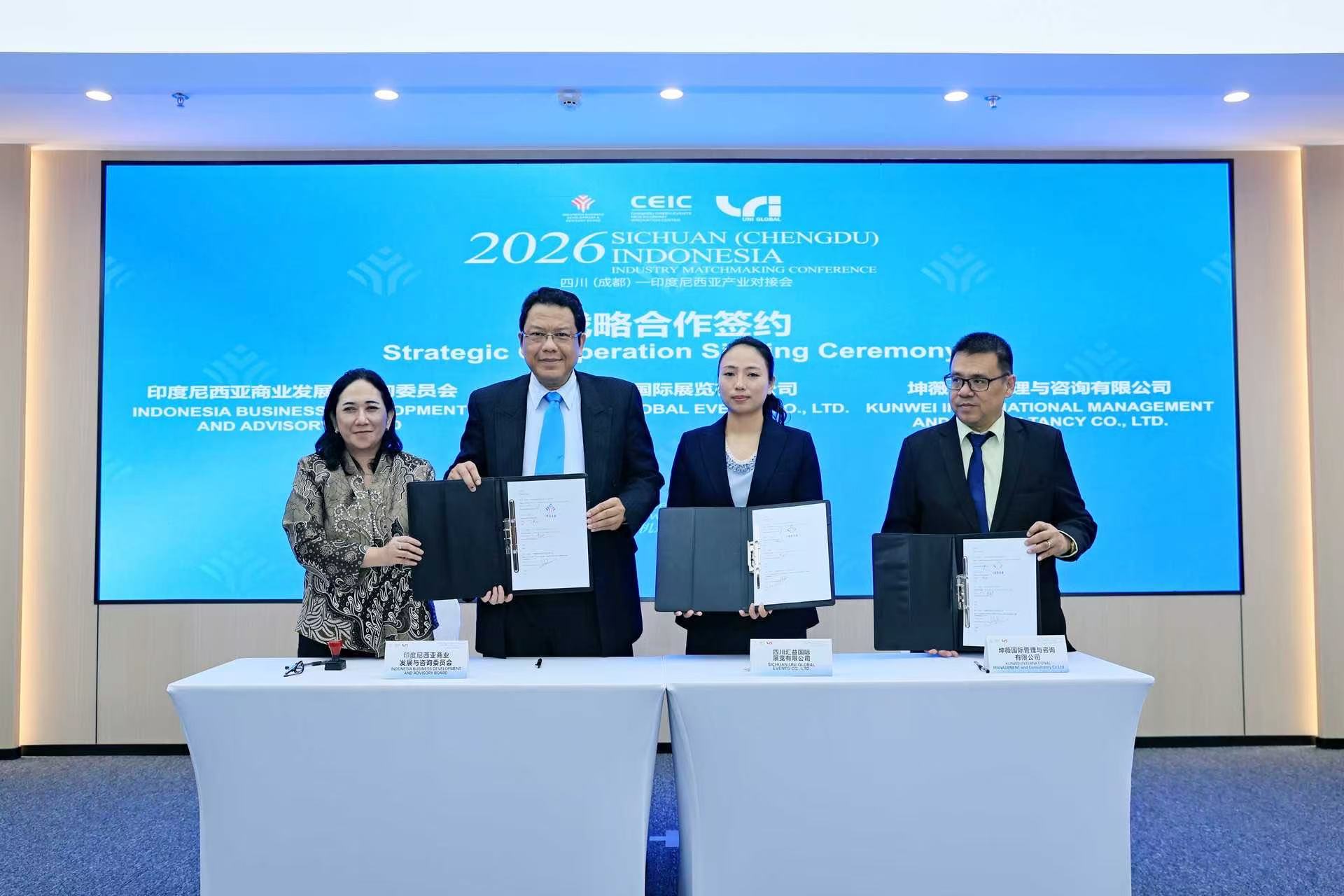
Xinhaosi participated in the 2026 Sichuan (Chengdu) – Indonesia Industry Matchmaking Conference. The conference brought together industry representatives from China and Indonesia to discuss industrial partnerships and expand commercial operations in Southeast Asia.
Answers to common questions regarding valve selection, certifications, and safety integration.
Select components built for high durability, certified compliance, and seamless integration.