

Technical Whitepaper: Engineering Next-Generation Gas Flow Control
Deep-dive engineering analysis of solenoid valve safety integration, local municipal networks, and strict ATEX compliance protocols.
1. Macro Global Industrial Context: Why Solenoid Integration Matters
As smart cities expand and petrochemical processes grow in complexity, the safe management of combustible gases has transitioned from a basic structural code requirement to a core component of critical safety architecture. Worldwide, over 40% of hazardous situations in processing units and municipal structures are attributed to gas leakage. These events result from standard pipe degradation, seismic shifting, or unexpected system pressure surges.
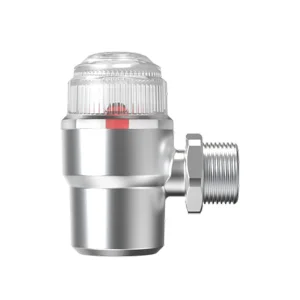
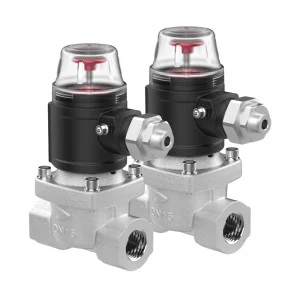
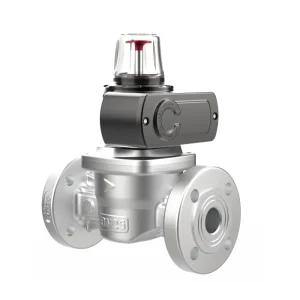
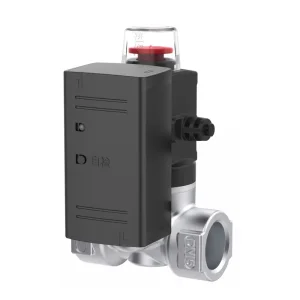
An industrial safety loop requires two distinct functional stages to operate effectively: fast, highly accurate detection followed by immediate, fail-safe isolation. While electronic sensors alert control rooms, the physical control of media relies on heavy-duty, fast-acting mechanisms like the KT-XF5 and XF3III Series Normally Open Industrial Gas Solenoid Valves. In the event of a system alert, these valves shut off the gas stream at the source, preventing further fuel supply to potential ignition points.
2. Industrial Valve Architecture: The Core Principles of "Normally Open" Safety Valves
Unlike standard industrial water flow valves, gas shut-off valves must operate reliably during emergency power losses. Xinhaosi manufactures Normally Open (NO) Gas Solenoid Valves for several key reasons:
- Continuous Power Efficiency: Normally open valves do not require continuous electrical power to stay open. This prevents continuous thermal coil stress, lowers operating temperatures, and extends the service life of components.
- Pulse-Triggered Closing: Closing is initiated by a brief electrical pulse (typically 24VDC, discharged from the interlock box). The electric pulse releases a high-tension spring, causing the valve plate to drop and shut off flow instantly.
- Manual Reset Feature: Once closed, the valve cannot be opened by restoring power or through software commands. It requires a physical manual reset at the valve itself. This mechanism forces personnel to investigate the root cause of the leak and ensure the environment is safe before reopening the gas supply.
3. Engineering Specifications and Material Performance
Industrial installations require rugged materials that resist oxidation and structural fatigue. The valve bodies are cast from premium aluminum alloy or hot-forged brass, keeping weight down while maintaining pressure ratings up to 100 kPa (1 bar) for industrial low-pressure distribution systems. Inside, high-performance sealing materials like NBR (Nitrile Butadiene Rubber) or FKM (Viton) ensure gas-tight closure across wide temperature variations (-20°C to +60°C), preventing downstream pressure creep.
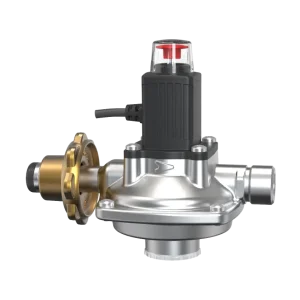
For household applications, lightweight versions of these valves run on dry batteries. These systems work alongside gas detectors (like the JT-AT2013A) to provide reliable home safety, even during blackouts.
4. Global Regulatory Compliance and E-E-A-T Verification
Industrial safety equipment must meet strict regional certification requirements. Operating in hazardous environments requires strict compliance with explosion-proof standards, such as ATEX and IECEx. Classifying devices for Zone 1 or Zone 2 locations ensures safe operation in environments with volatile air-gas mixtures.
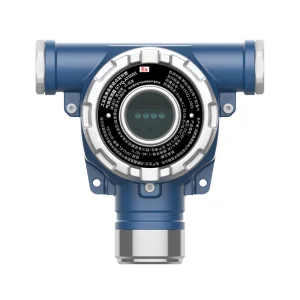
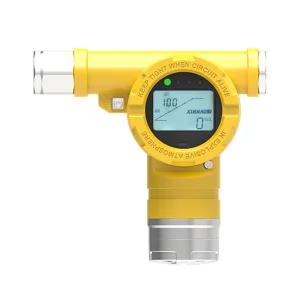
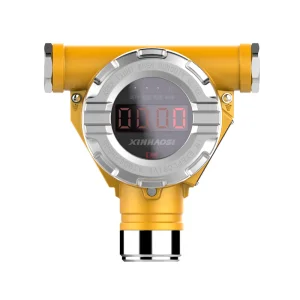
Our GTYQ-AT0505/d and GTYQ-AT0501 explosion-proof combustible gas detectors are housed in heavy-duty cast aluminum enclosures. These enclosures isolate internal electric arcs from the surrounding environment. In parallel, our output devices (such as the AT0321X/AT0322X series) isolate control signals. This isolation prevents electrical faults from traveling down the signal line and creating ignition risks at the valve location.