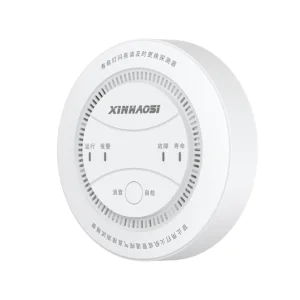
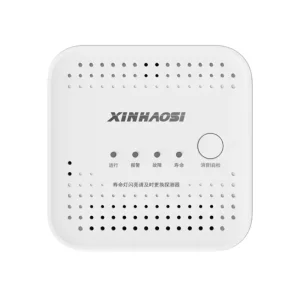
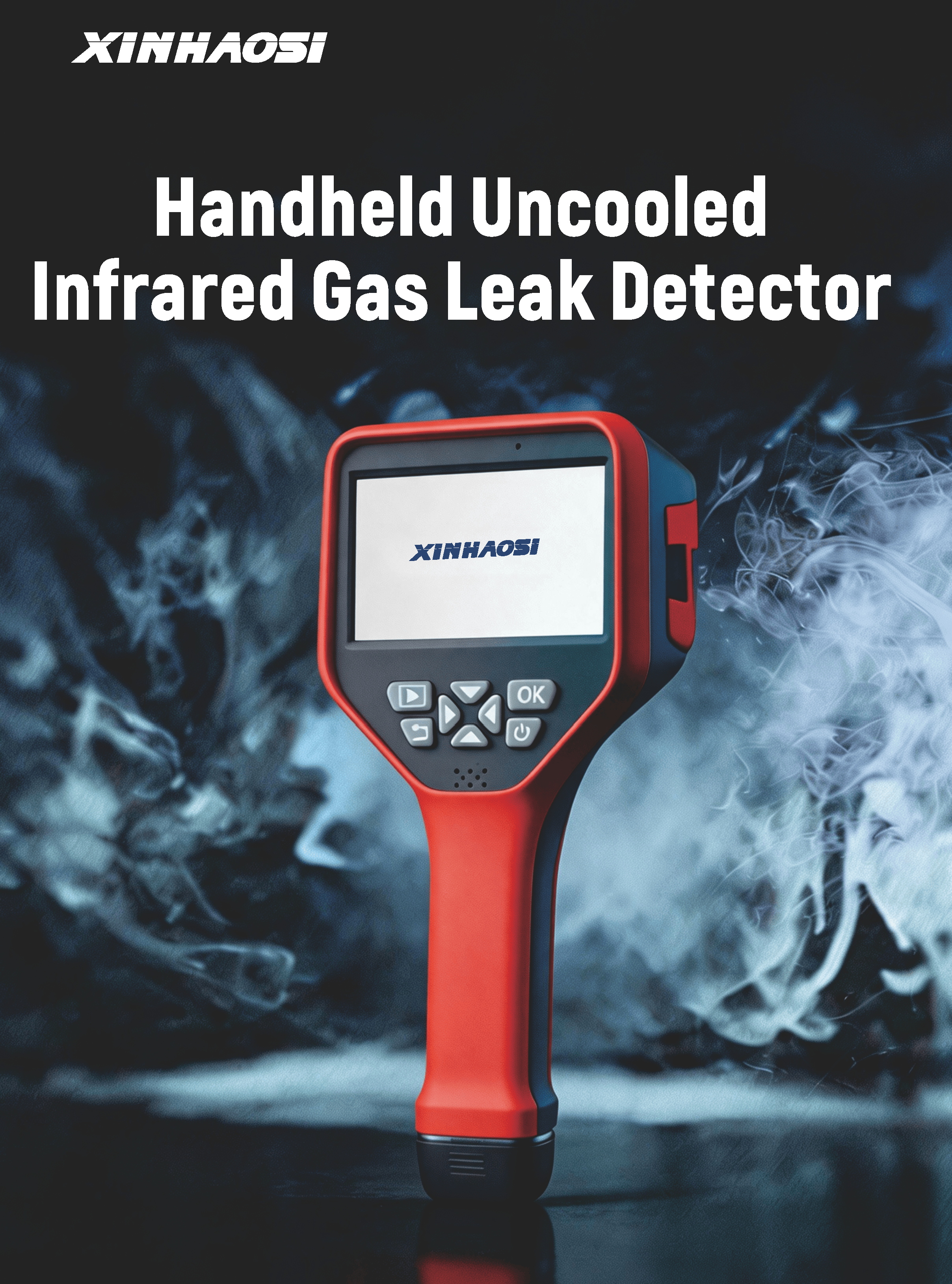
Explore our premium grade stationary detection devices, controllers, and localized monitoring stations built for extreme environments.
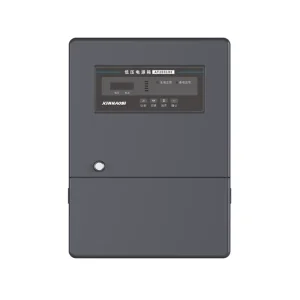
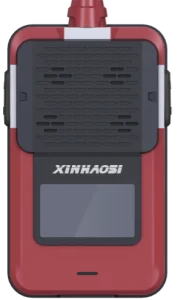
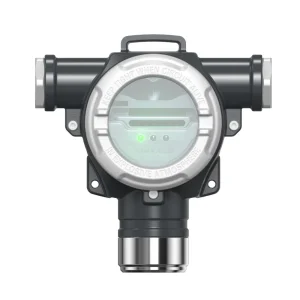
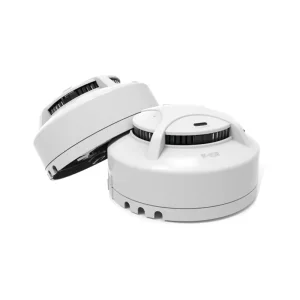
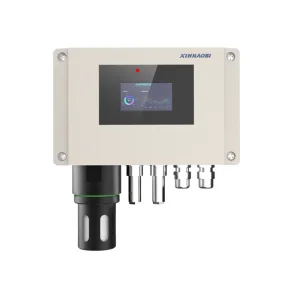
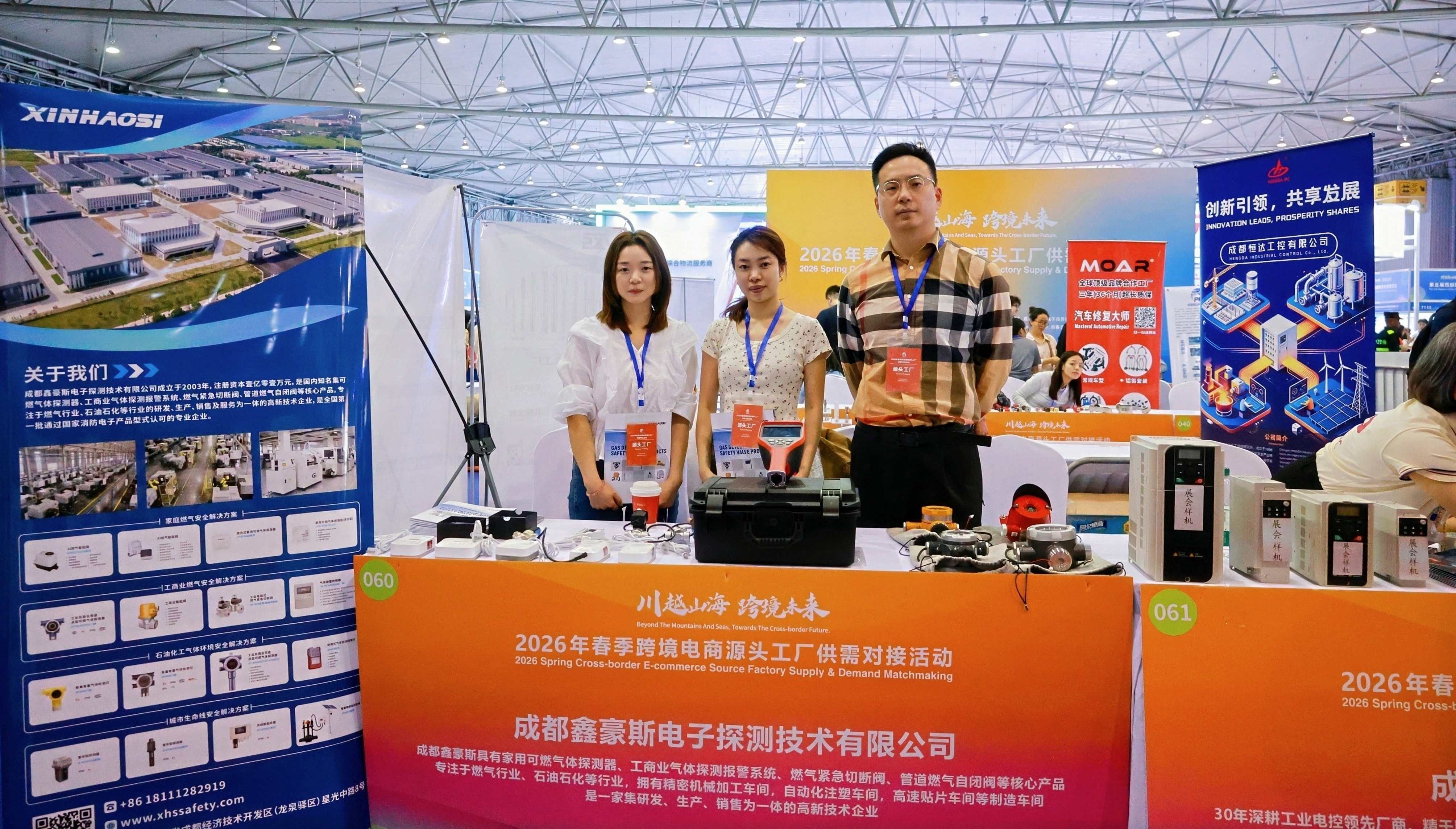
Founded in 2003, Xinhaosi is one of the most influential and reliable brands in the gas safety industry. We provide customer-focused products and services to safeguard the safe operation of every factory, the comfort of every city, and the peace and happiness of every home. Powered by cutting-edge production systems and technology, we deliver more advanced, intuitive, and precise gas safety solutions for shaping a safer future world.
Oxygen depletion and enrichment present quiet but highly lethal risks across various heavy industries. Under OSHA and global safety rules, any confined space or industrial environment must maintain active oxygen levels between 19.5% and 23.5% vol. Our engineering division designs state-of-the-art oxygen detection instruments that deploy advanced electrochemical and paramagnetic cell technologies, providing fast, error-free monitoring and long-term calibration stability.

Custom design, engineering validation, and high-volume production customized to meet international procurement standards.
We support multiple standard industrial interfaces including 3-wire/4-wire 4-20mA, Modbus RS485 RTU, HART protocols, and wireless technologies (LoRaWAN, NB-IoT, Bluetooth) to fit seamlessly into DCS or SCADA systems.
Configured with heavy-duty cast aluminum or 316 Stainless Steel options. All designs meet explosion-proof ratings (Ex d IIC T6 Gb / Ex ia IIC T4 Ga), ensuring protection in hazardous refinery zones.
From casing colors, logo printing, and localized software interfaces, we help global distributors build their own brands with reliable, pre-certified gas sensing hardware.
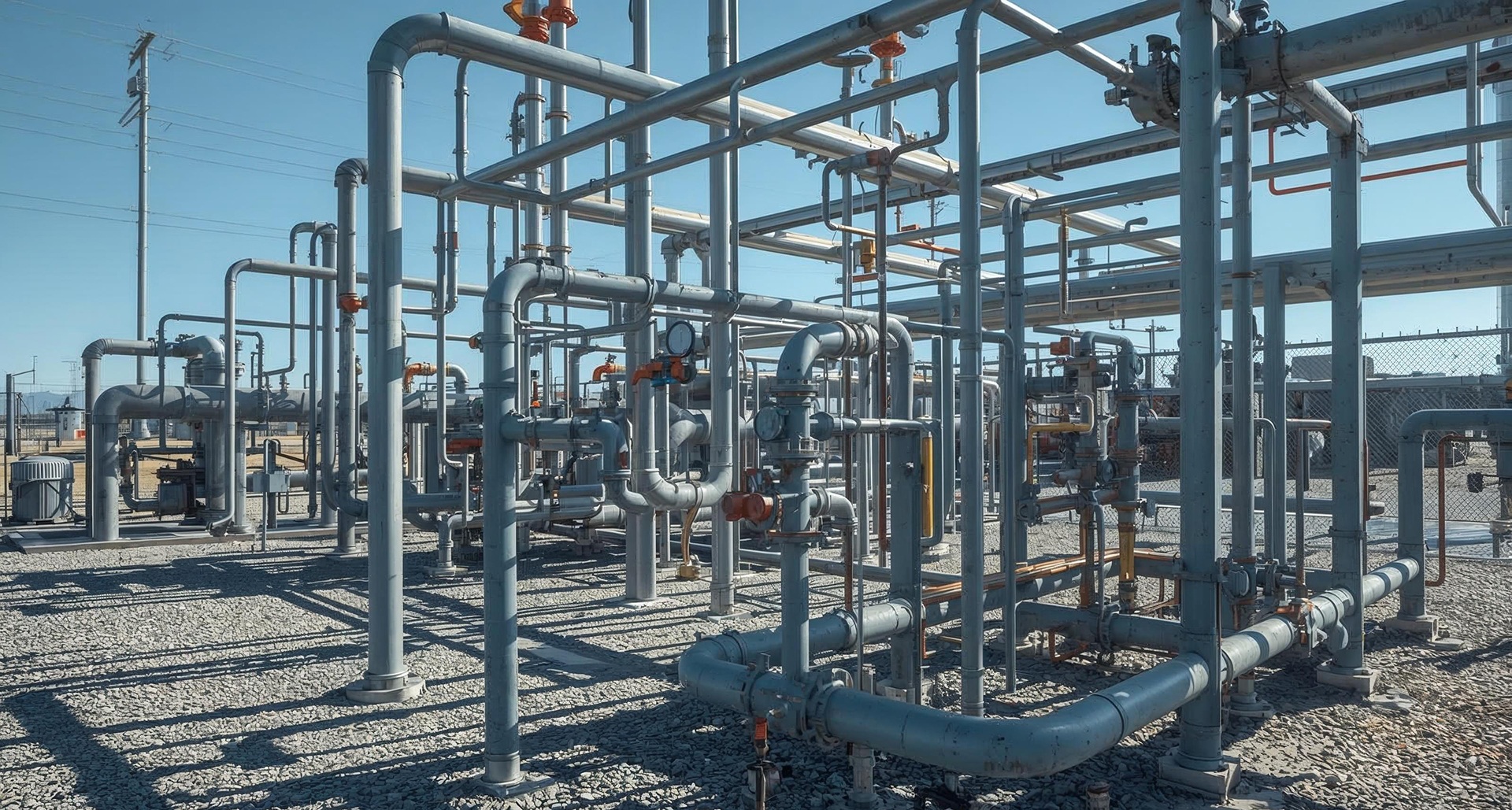
Our production facilities utilize modern automation to deliver consistency at scale. By integrating advanced production execution software, we maintain real-time monitoring over the entire product assembly cycle—from raw sensor components to final explosion-proof sealing and multi-point calibration.
Unmatched Calibration Integrity: Standard factory calibration utilizes high-precision automated gas mixing chambers. Every O2 sensor is calibrated with target balance gases at multiple concentration points (e.g., 0% vol, 12% vol, 20.9% vol, and 30% vol) across varying ambient temperatures. This minimizes temperature and humidity drifts, assuring reliability in hot tropical climates or freezing maritime environments.
Our vertical integration inside China's primary tech hubs guarantees raw component safety, shielding global procurement agents from supply delays. This direct-from-factory setup offers premium quality at competitive costs, ideal for large infrastructure builds, petrochemical expansions, or mining sites.
Transitioning from consumable components to solid-state, long-life, smart gas detection systems.
Traditional lead-anode sensors deteriorate within 1-2 years. Our new roadmap focuses on environment-friendly, lead-free electrochemical oxygen sensors. These systems boast operational lifespans exceeding 5 years, meeting strict RoHS rules.
Deploying advanced optical sensors utilizing oxygen-sensitive dyes. Laser light triggers fluorescence, and the decay rate directly corresponds to oxygen concentration. Zero drift, zero consumption, and zero damage from acid gases.
Our upcoming transmitters incorporate microcontrollers with AI-based algorithms. These continuously assess humidity, temperature, and atmospheric pressure deviations to automatically adjust the baseline calibration, eliminating false alarms.
Next-gen transmitters communicate via edge-mesh grids. If a localized sensor registers a hazardous drop, it immediately triggers safety routines in adjacent units, building dynamic safety networks.
Customized sensor configurations engineered for specialized, high-stakes industrial operations.
Oxygen depletion represents an ever-present danger in tunnels, shafts, and deep mines. Portable devices like the XM314 with fall detection and SOS alarms ensure emergency monitoring for underground personnel.
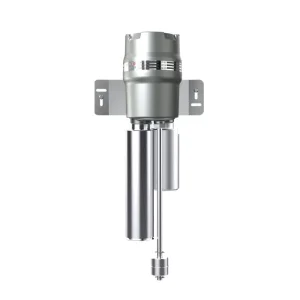
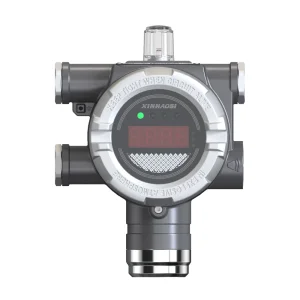
Explosion hazards require high mechanical integrity. Stationary transmitters like the GTYQ-XP4000B combine flameproof housing with precise sensing cells, reliably monitoring safety in flammable gas zones.
Liquid nitrogen, helium, and argon can quickly displace ambient oxygen if a leak occurs. Installing dedicated wall-mounted O2 detectors linked with ventilation fans provides immediate safety in cold storage or testing facilities.
Providing precision safety instrumentation across critical public, household, and industrial networks.
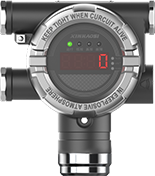
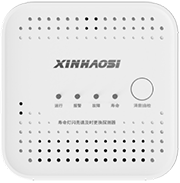
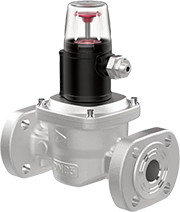
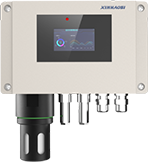
We utilize advanced electronic detection technology to make unknown gas leak risks clear and visible.
With two decades of industry deployment, we realize that gas leaks are unpredictable, invisible, and highly dangerous. That is why our "X" research roadmap stands for cutting-edge sensing technology—converting risk into readable data. Through our products, we provide facility operators with clear, early warnings to protect lives and infrastructure.

Global industrial safety depends on strict regulatory compliance. At Xinhaosi, we design all oxygen monitoring systems to meet or exceed key international standards, ensuring smooth integration at any plant site:
We support our global distribution partners with localized documentation, including technical datasheets, CAD drawings, step-by-step calibration guides, and certification packages to satisfy local safety inspectors.
Empowered by technology. Full-chain integration. Comprehensive protection, shaping the safety industry with intelligence.
Learn About Our SolutionsGet professional technical insights regarding industrial oxygen sensors, calibration, and plant safety protocols.
The lifespan varies by sensor type. Standard lead-anode electrochemical sensors typically operate for 1.5 to 2 years, as the lead anode degrades over time. Our premium lead-free electrochemical sensors and solid-state paramagnetic sensors last 5+ years, providing significantly lower maintenance costs.
For critical safety setups, we recommend bump testing every 3 to 6 months and a full calibration every 6 to 12 months. Calibrating with clean ambient air (20.9% vol O2) and pure nitrogen (0% vol O2) ensures accuracy and prevents sensor drift.
Under OSHA guidelines, the low-alarm limit is set at 19.5% vol to warn of oxygen depletion. A critical low alarm is set at 18.0% vol, which requires immediate evacuation. For enriched environments, the high alarm is set at 23.5% vol to prevent high flammability risks.
Yes, but they require specialized configurations. Electrochemical sensors are susceptible to freezing at temperatures below -20°C. For cryogenic monitoring (e.g., liquid nitrogen storage), we deploy sensors equipped with internal thermal regulators or paramagnetic sensors rated down to -40°C.
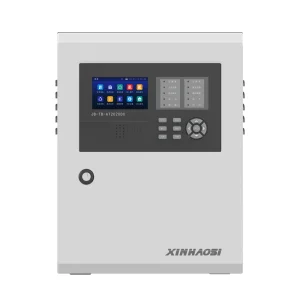
A dedicated safety controller like the JB-TB-AT2020DX consolidates inputs from multiple field transmitters. It provides reliable processing, manages warning relays, and triggers safety measures like automated exhaust fans or emergency shut-off valves independently from the primary PLC.
Stay tuned for the latest updates from Xinhaosi & the Industry.
Collaborating with leading industrial brands to deploy dependable gas safety solutions.
























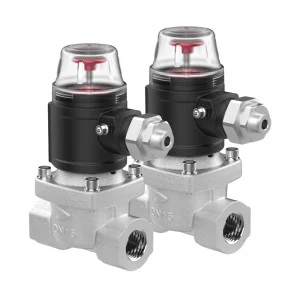
Explore our consumer products, solenoid valves, pressure monitors, and secondary factory-direct solutions.