Precision Instrumentation
Industry Insights & Trends
The global demand for high-reliability portable gas sensors is undergoing a massive shift driven by stricter occupational safety laws, rapid urbanization, and the modernization of chemical and processing facilities. Today, portable gas detectors are no longer isolated, reactive beepers. They have transformed into sophisticated, smart nodes within broader industrial Internet of Things (IIoT) ecosystem architectures. Sensors must operate in harsh, volatile atmospheres, delivering highly accurate, real-time concentrations of combustible gases, toxic compounds, and oxygen levels.
Micro-Electro-Mechanical Systems (MEMS) represent the future of portable gas detection. Traditional sensor modules are often constrained by size, power requirements, and recovery times. OEM factories are increasingly adapting MEMS-based semiconductor and catalytic gas sensing arrays. These elements consume up to 90% less energy than conventional sensors, making them optimal for compact, handheld personal monitors that require a battery life exceeding 24 hours on a single charge. Furthermore, MEMS configurations facilitate multi-gas arrays inside a single sensor housing, allowing workers in confined spaces to detect carbon monoxide, hydrogen sulfide, methane, and oxygen variations concurrently.
Modern industrial sites demand dynamic data visualization. Portable gas detectors are now standardizing communication interfaces such as Bluetooth Low Energy (BLE), LoRaWAN, and cellular NB-IoT. By linking portable devices to cloud dashboards via central gateways, safety managers can trace field personnel locations and instantly receive localized telemetry reports during critical leak incidents. When a sensor measures gas concentrations surpassing safe exposure thresholds, alert signals are synchronized across personal, local, and cloud interfaces to initialize automated mitigation responses—such as cutting off valves or activating mechanical exhaust systems.
Factory 4.0 Standardizations
In the gas safety market, manufacturing consistency is paramount. China has transitioned from a volume-centric assembly floor into a high-technology automation hub driven by Industry 4.0 principles. At Xinhaosi's state-of-the-art facilities, automated production lines integrate sensor fabrication, calibration, aging chambers, and strict validation modules into one seamless pipeline.
Reliable gas safety devices require absolute calibration traceabilities. China-based OEM factories employ robotic gas calibration setups where sensors are exposed to exact, computer-controlled concentrations of target gases (e.g., CO, H2S, CH4) in dynamic environments. Every manufactured sensor unit undergoes multi-point environmental profiling across fluctuating temperatures (-40°C to +70°C) and relative humidity levels (10% to 95% RH) to eliminate zero-point drift and secure linear sensor responses. Automated optical inspection (AOI) and X-ray imaging guarantee the structural integrity of explosion-proof enclosures and PCB assemblies, securing compliant SIL-2 configurations.
By establishing strong relationships with semiconductor, chemical, and metal casting suppliers, advanced OEM plants maintain continuous production flows regardless of volatile international supply chains. Domestic SMT (Surface Mount Technology) cleanrooms facilitate rapid customization cycles. Whether clients demand specific gas-sensing elements, unique communication protocols, or custom enclosure dimensions, our engineering pipelines execute rapid prototyping within weeks, allowing international partners to quickly capitalize on emerging market dynamics.
Comprehensive Solutions
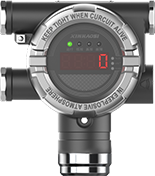
Safety First from Precision Sensing
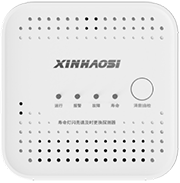
Home Safety from Gas Monitoring
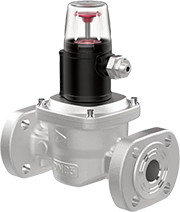
Protecting from the Source
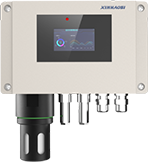
Smart Sensing for Urban Gas
Founded in 2003, Xinhaosi is one of the most influential and reliable brands in gas safety industry. We provide customer-focused products and services to safeguard the safe operation of every factory, the comfort of every city, the peace and happiness of every home. Powered by cutting‑edge production systems and technology, we deliver more advanced, intuitive, and precise gas safety solutions for shaping a safer future world.
We utilize advanced electronic detection technology to make unknown gas leak risks clear and visible. Our engineering team combines physical gas detection with optical and thermal monitoring systems to cover safety vulnerabilities across multi-industry environments.
More About Us
 Empowered Gas Safety Systems
Procurement Guidelines
Purchasing professional-grade gas monitors requires navigating a complex landscape of safety codes and hardware constraints. Global procurement officers face distinct regulatory and operational considerations when evaluating OEM manufacturing pipelines.
A gas sensor is only as good as its certifications. Standard industrial monitors must conform to rigorous regional guidelines depending on their deployment area:
OEM factories like Xinhaosi maintain consistent quality structures to meet these diverse compliance systems, delivering compliant housing components, PCB assemblies, and barrier circuits.
A sensor that operates in a dry, cold chemical storage facility in Northern Europe may fail if deployed directly in a humid offshore platform off the coast of Southeast Asia. OEM designs must accommodate localized environmental factors:
Empowered by technology, we integrate sensor components, control units, visual-audio alarms, and automatic shut-off valves into unified safety loops.
Full-chain integration, Comprehensive protection, Shaping the future with intelligence.
Technical Support
Lifespans vary depending on the chemical sensing mechanism. Electrochemical sensors (used for CO, H2S, and O2) generally last 2 to 3 years. Catalytic bead combustion sensors (for combustible gases) last 3 to 5 years. Solid-state and NDIR (Non-Dispersive Infrared) sensors can operate effectively for over 5 to 8 years under ideal conditions. Regular calibration intervals and proper filter replacements help maximize sensor longevity.
We recommend a daily "bump test" before use to verify sensor response and alarm activation. Full instrument calibration should be performed every 3 to 6 months using certified calibration gas cylinders. This mitigates sensor drift caused by environmental contaminants, high temperatures, and chemical exposure.
Yes, our manufacturing facility designs customized multi-gas PCB arrays. We can integrate catalytic, electrochemical, and photoionization (PID) sensors into a single portable housing. This enables users to monitor up to 4 or 5 different target gas concentrations (e.g., LEL, CO, H2S, O2, VOCs) simultaneously on a unified interface.
Devices deployed in Zone 0 must be intrinsically safe (Ex ia). This requires limiting the electrical and thermal energy of the circuitry to levels below those that could ignite a volatile mixture. Key design features include optocoupler isolation, current-limiting resistors, transient voltage suppressors, and robust electrostatic discharge (ESD) resistant plastic enclosures.
Carbon monoxide is a heavy byproduct of vehicle combustion in enclosed parking structures. Devices like the AT2004BIV-CO continuously monitor carbon monoxide levels. By linking detectors to building automation systems via RS485 Modbus or BACnet, ventilation fans can be activated only when CO levels rise. This process maintains safety standards while reducing energy costs compared to continuous fan operation.
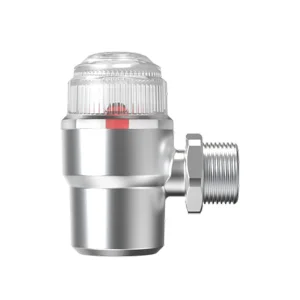
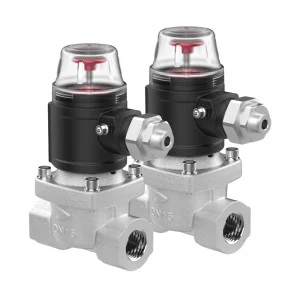
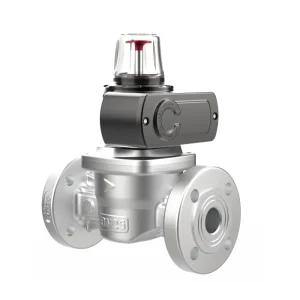
Normally open gas solenoid valves (such as the XF3III and KT-XF5) remain open under standard operating conditions without consuming electrical power. When a connected gas detector detects a leak, it outputs an electrical pulse to close the valve instantly. The valve remains closed until it is manually reset, preventing gas from leaking back into the environment during power outages or system maintenance.
Corporate Activities
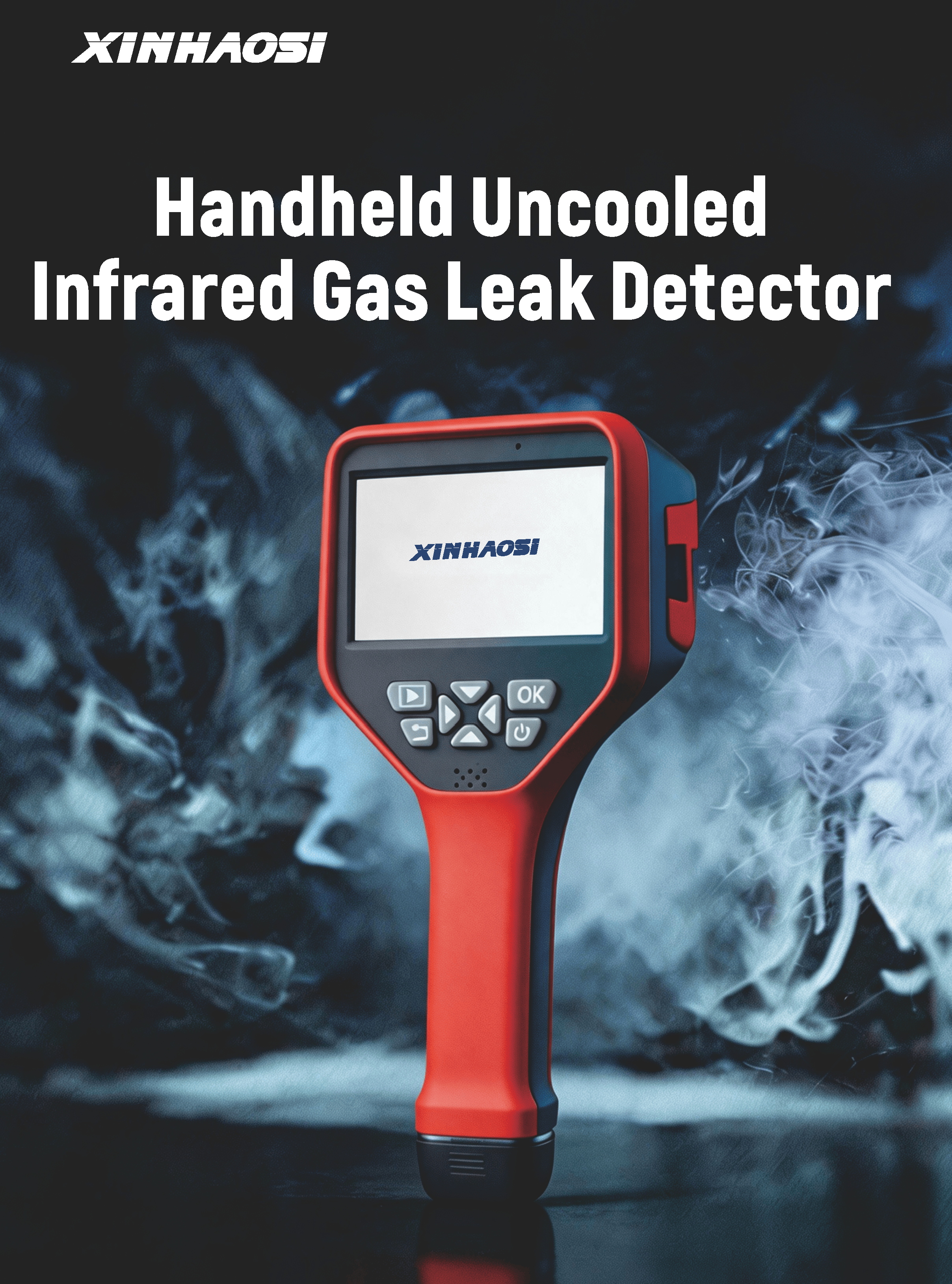
Xinhaosi Electronic Detection Technology Co., Ltd. officially launched its new Handheld Uncooled Infrared Gas Leak Detector, featuring dual-technology fusion, ultra-fast response, and long-distance non-contact detection to enhance safety and efficiency in petrochemical, refrigeration, natural gas and industrial safety scenarios.
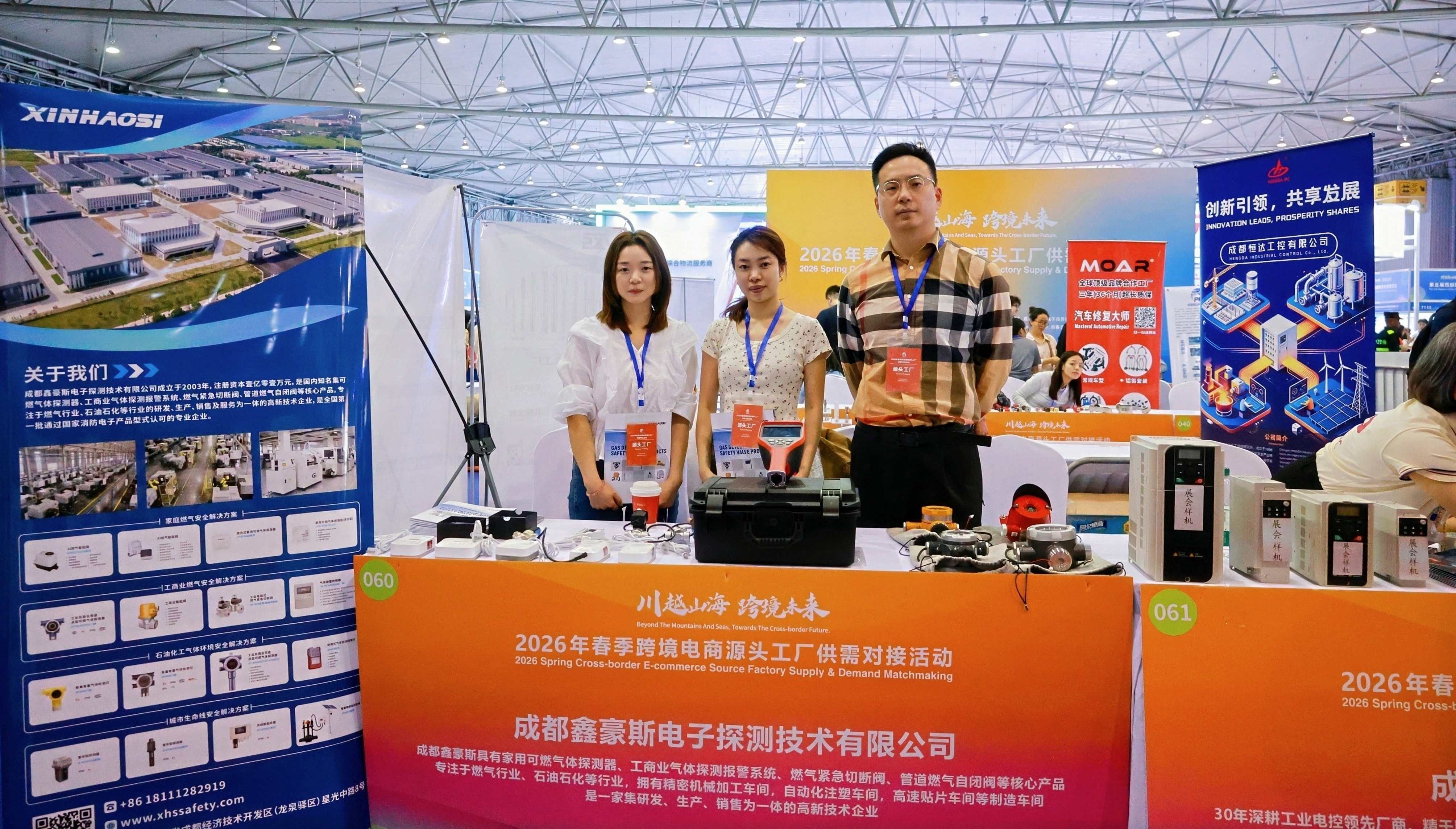
XINHAOSI recently participated in the 5th Western China Cross-Border E-Commerce Expo held in Chengdu. The event brought together cross-border e-commerce platforms, global buyers, manufacturers, and supply chain companies, creating new opportunities for international business cooperation and overseas market development.

XINHAOSI recently participated in the 2026 Sichuan (Chengdu) – Indonesia Industry Matchmaking Conference held in Chengdu. The event gathered enterprises and industry representatives from China and Indonesia to strengthen industrial cooperation and explore new business opportunities in Southeast Asia.
Hardware Components