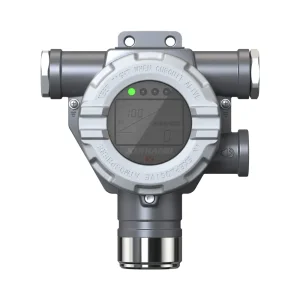
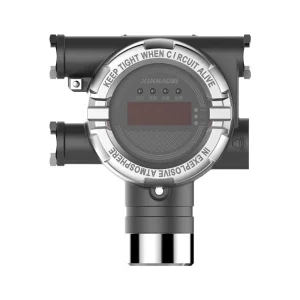
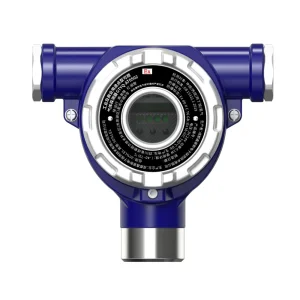
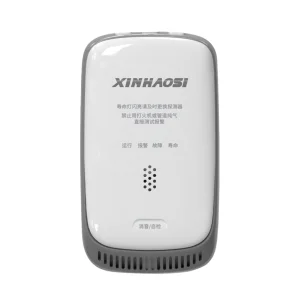
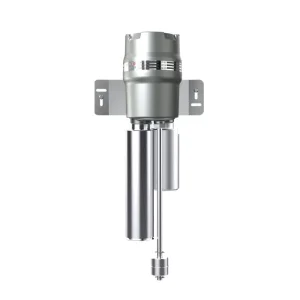
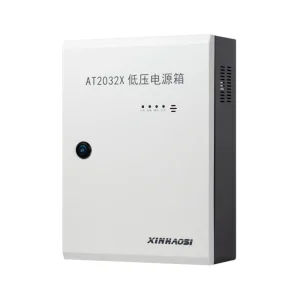
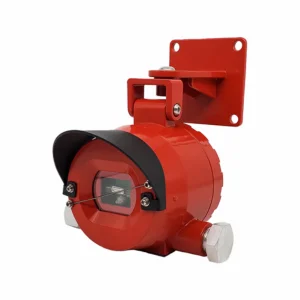
Featured Products Showcase (Part I)
Global Market Analysis
In contemporary industrial automation, the role of high-performance power solenoids and solenoid-driven mechanisms is expanding rapidly. From safety-critical shutoff valves to precision automotive subassemblies, modern systems demand absolute reliability under harsh conditions. OEM power solenoids act as the primary kinetic interface between electronic control logic and mechanical flow pathways, making their structural integrity and electrical characteristics paramount.
Historically, Western industrial markets relied heavily on localized component vendors. However, with the rapid maturation of precise electromagnetic simulation software, high-speed automated coil winding, and computer-controlled testing arrays, Chinese factories have emerged as dominant global centers of competence. This shift is not merely driven by unit-cost optimization, but by the massive systemic efficiency advantages realized through integrated industrial ecosystems.

Brand Identity & Technological Capability

Founded in 2003, Xinhaosi is one of the most influential and reliable brands in the gas safety industry. We provide customer-focused products and services to safeguard the safe operation of every factory, the comfort of every city, and the peace and happiness of every home. Powered by cutting-edge production systems and technology, we deliver more advanced, intuitive, and precise safety and valve activation solutions for shaping a safer world.
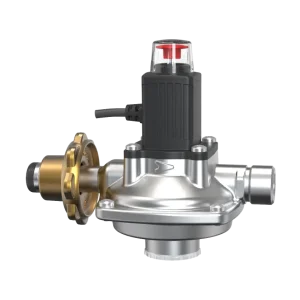
By integrating advanced electronic detection technology, we make unknown gas leak risks visible and addressable before they lead to catastrophic failures. The interface between our industrial-grade detection instruments and the physical emergency gas isolation is typically executed by our dedicated, fast-acting gas shutoff solenoid valves.
Learn More About Our Capabilities
We utilize advanced electronic detection technology to make unknown gas leak risks clear, visible, and automatically controllable from source to consumer.
System Architecture & Segments
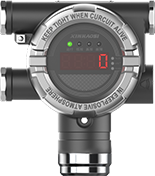
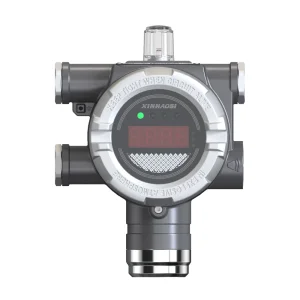
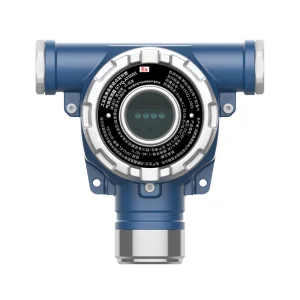
Precision sensing arrays combined with ATEX-certified warning systems for heavy industrial and chemical complexes.

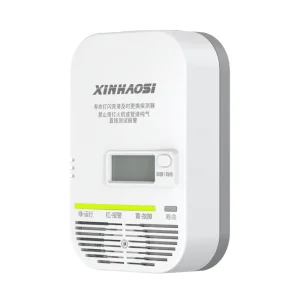
Intelligent, easy-to-integrate home defense systems preventing dangerous gas concentrations at point-of-use.
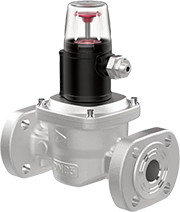
Fast mechanical isolation to cut off dangerous flammable flows from the source within milliseconds.
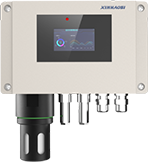
Smart monitoring and remote shut-off solenoid configurations for municipal utilities and residential grids.
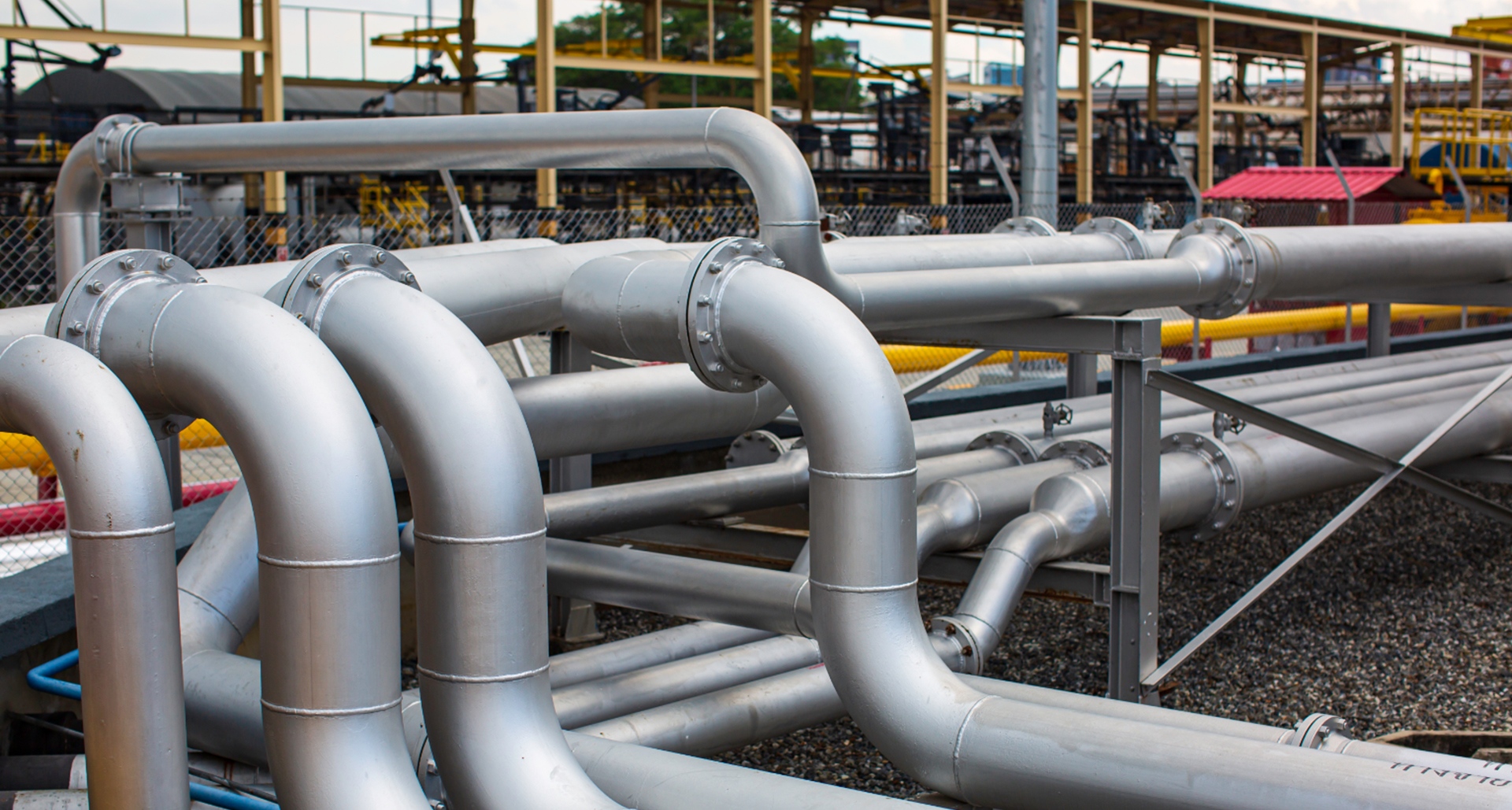
Inside an industrial power solenoid, the conversion of electrical energy to mechanical work rests on electromagnetic force laws. The magnitude of the mechanical pull (or push) force is determined by:
F = (N × I)² × μ₀ × A / (2 × g²)
Where F is the force, N is the number of coil turns, I is the current, μ₀ is the permeability of free space, A is the cross-sectional pole area, and g is the air gap distance between the armature and pole piece.
To optimize this formula for heavy duty and low power consumption, our factories utilize premium high-permeability magnetic materials such as silicon iron alloys or pure electrical steel (with low residual magnetism to prevent sticking). The copper windings are treated with Class H insulation coatings, permitting continuous temperature operation up to 180°C without risk of insulation breakdown.
Procuring power solenoids and safety components from China offers significant structural advantages:
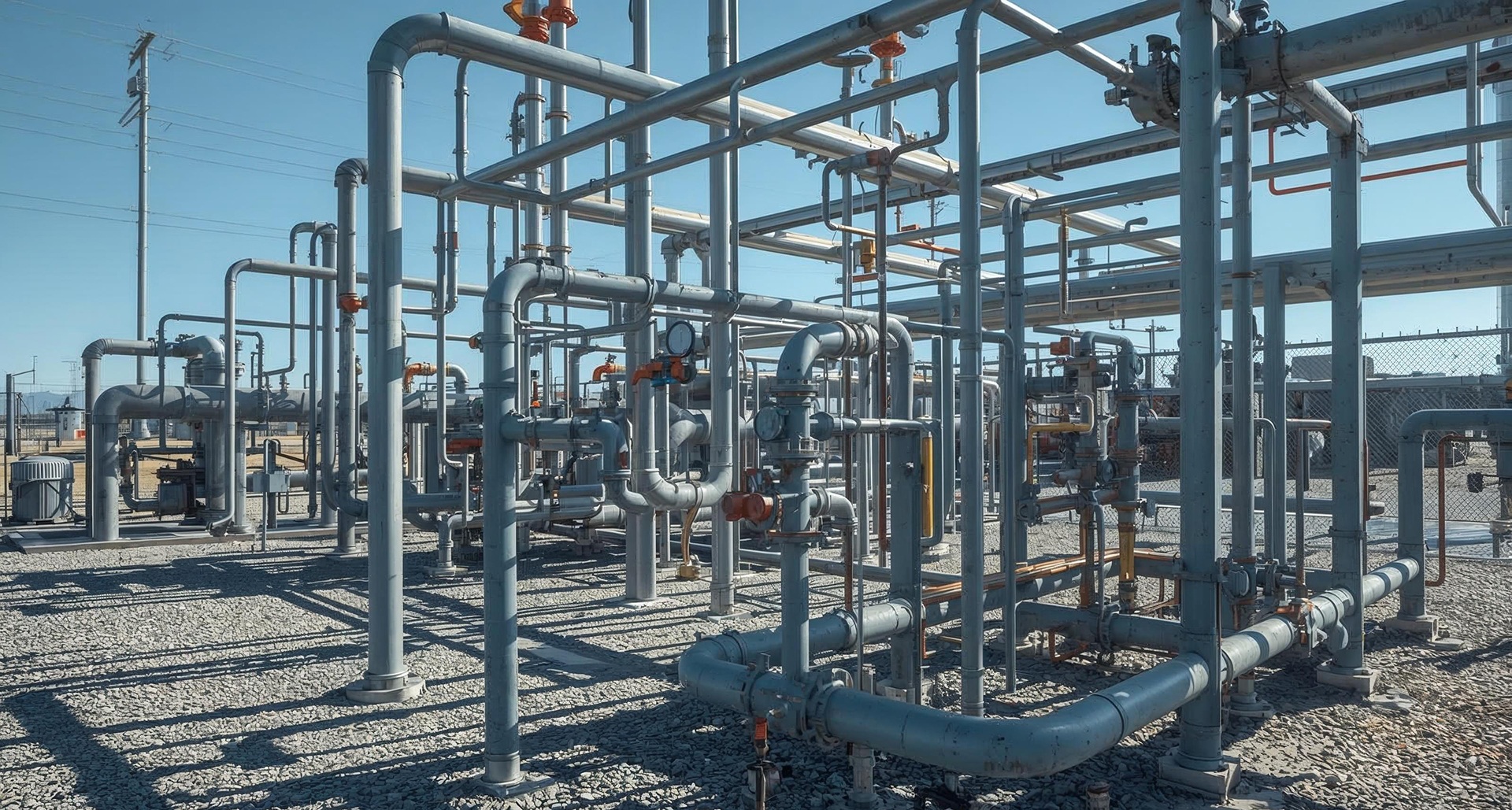
Connecting detection metrics with electromechanical shutoffs: Safe systems rely on sensor networks feeding data to real-time PLC arrays that handle solenoids for instantaneous circuit isolation.
In chemical processing facilities, refineries, and coal gasification chambers, combustible gas build-ups represent immediate explosion risks. Here, explosion-proof detectors (such as the GTYQ-XP4000B and GTYQ-AT0501) monitor concentration percentages. If gas presence exceeds user thresholds, the master control panel cuts off current to the safety solenoid, causing the valve to drop instantly and lock downstream flow.
Urban natural gas distribution lines require smart control frameworks. For institutional buildings and apartment complexes, gas flow boxes are coupled with household leak detectors (like the JT-AT2013A series) and smart power control panels. Any localized pipe breach prompts the system to trip the main building shut-off valve via a quick pulse solenoid, protecting lives and property.
Thermal power applications depend on rapid combustion control loops. Solenoid valves are situated directly on the fuel supply line. During emergency shutdowns or power failures, the lack of current to the solenoid instantly triggers dual-safety seal isolation valves, preventing raw gas from filling hot furnace chambers and avoiding destructive thermal events.
Industrial Integration
























Corporate Updates
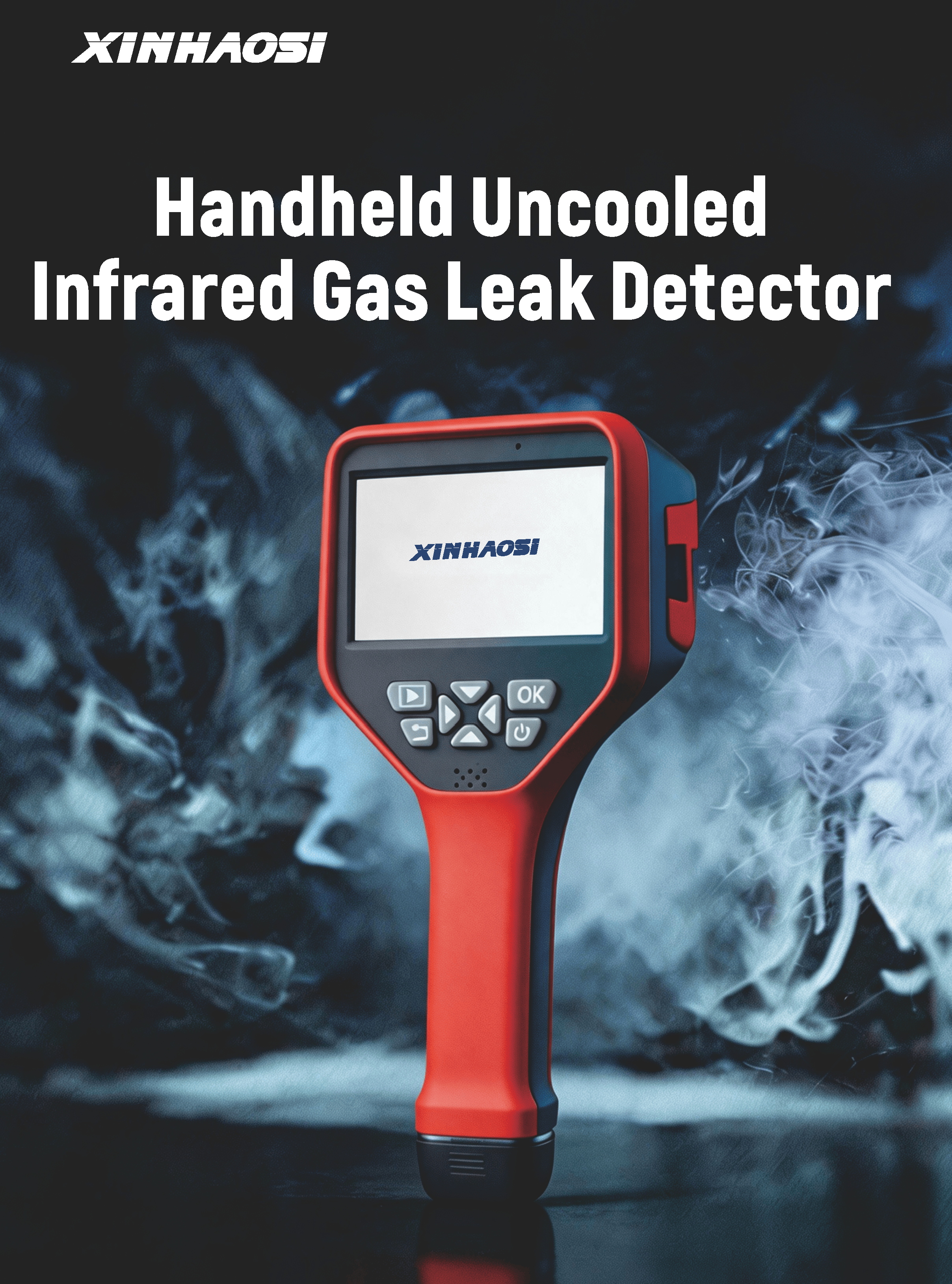
Xinhaosi Electronic Detection Technology Co., Ltd. officially launched its new Handheld Uncooled Infrared Gas Leak Detector, featuring dual-technology fusion, ultra-fast response, and long-distance non-contact detection to enhance safety.
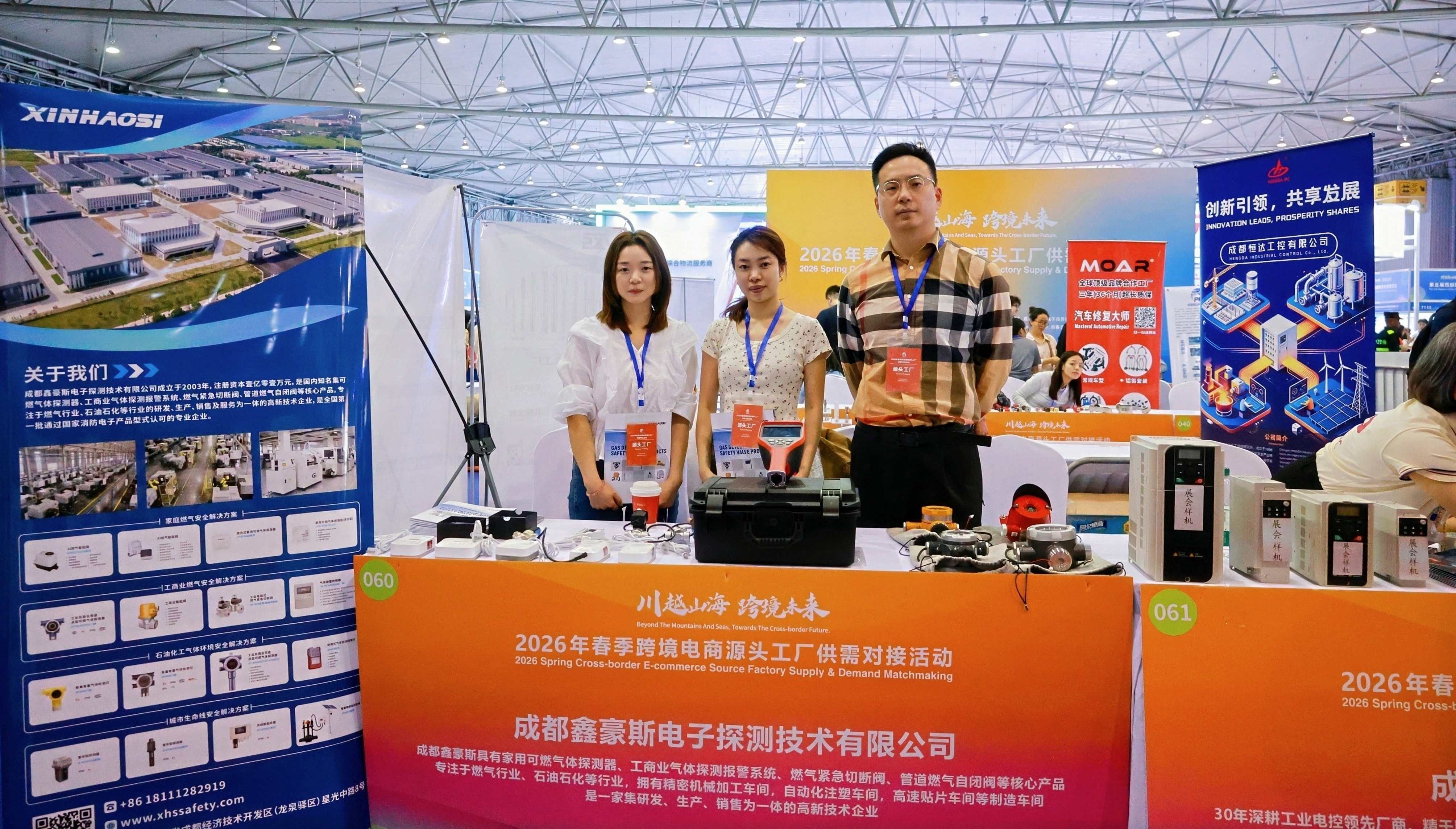
XINHAOSI recently participated in the expo held in Chengdu, connecting with cross-border e-commerce networks, international buyers, and global supply chain systems.

Gathering enterprises to build strategic networks across Southeast Asian markets and expanding our industrial safety product distribution channels abroad.
Technical Reference
Industrial-grade power solenoids are built using high-purity electrolytic copper for the coils, insulated with Class H or Class N resins. The core and armature housings are made from high-permeability soft magnetic steel alloys with low carbon profiles to reduce magnetic hysteresis and ensure fast drop-out behavior. Valve bodies are typically cast in brass, ductile iron, or cast aluminum depending on chemical compatibility.
Explosion-proof solenoids (such as those matching Ex d IIc T6 ratings) feature rugged metallic enclosures designed to contain internal sparks or small explosions without letting them spark ignition in surrounding flammable gases. Internal wiring tolerances are tighter, and surface temperature rises are kept low to prevent ignition on hot surfaces.
Shutoff systems must drop out immediately when triggered. Dynamic testing measures coil discharge characteristics and transient magnetic flux decay times. This ensures that the physical shut-off valve closes in under one second to stop gas supply during critical line ruptures.
Procurement teams should verify duty cycles (continuous vs. intermittent), coil insulation classification, sealing compounds (like NBR, FKM, or Viton depending on the fluid chemistry), IP ratings, design compliance approvals (CE, UL, ATEX), and the manufacturer's quality test protocols.
Direct-acting solenoids pull the seal disc up from the seat using magnetic force alone. They operate from zero differential pressure up to their maximum limit. Pilot-operated valves use the system line pressure to move the diaphragm. They require a minimum pressure drop across the ports to open and close effectively.
Featured Products Showcase (Part II)