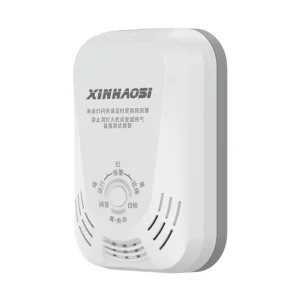
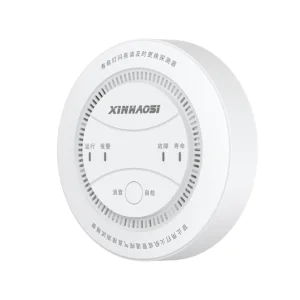
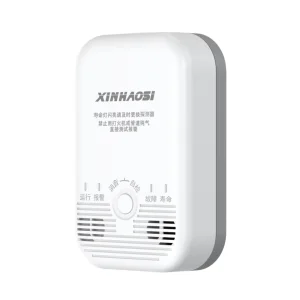
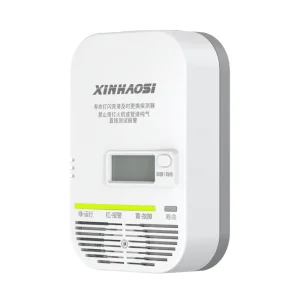
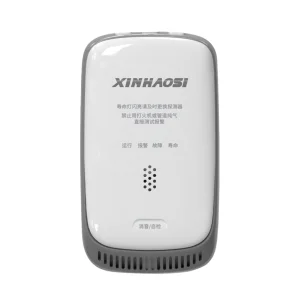
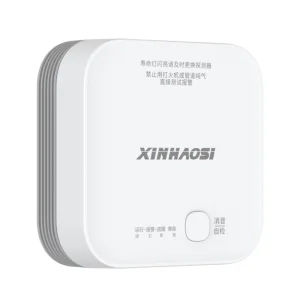
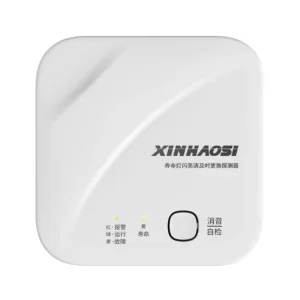
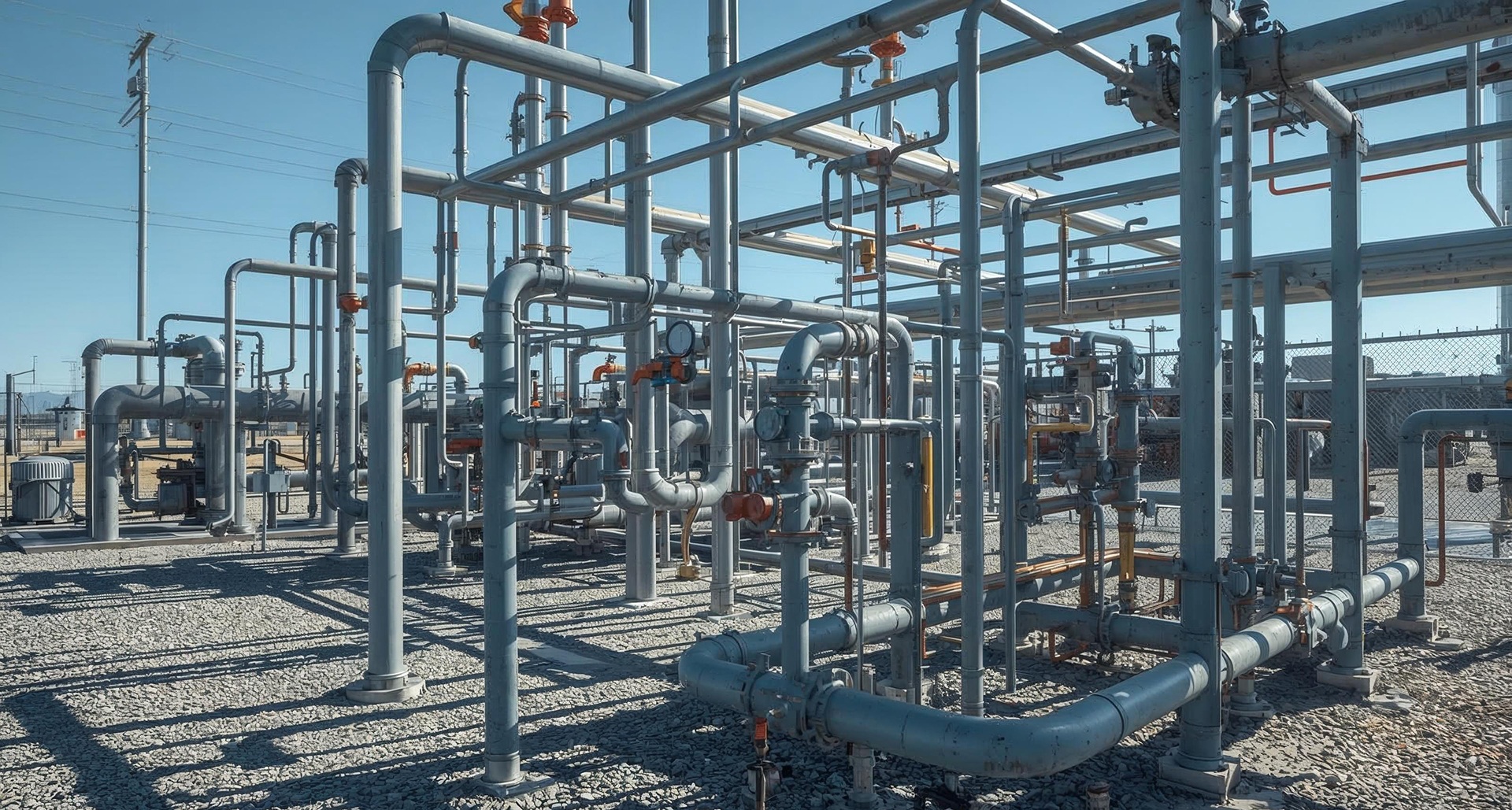
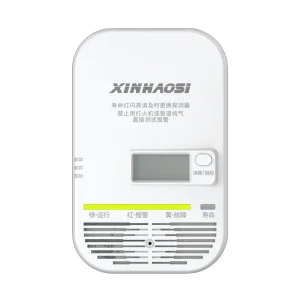
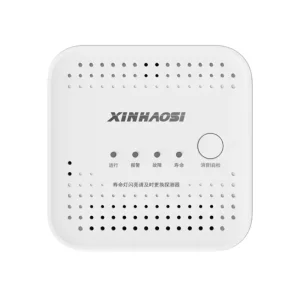
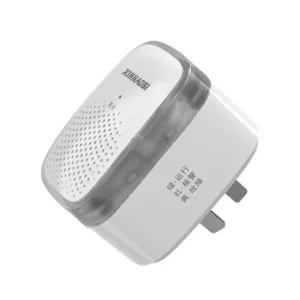
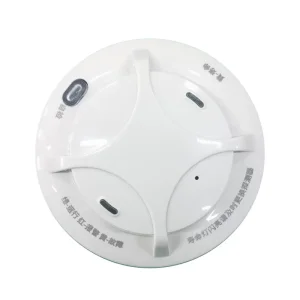
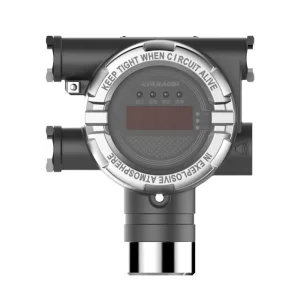
Advanced residential gas detectors configured for Egypt's municipal pipelines and LPG specifications.
With the massive expansion of the domestic natural gas network across Egypt's governorates—catalyzed by the colossal Zohr Gas Field production and government initiatives like the Decent Life (Hayah Karima) project—millions of Egyptian households are transitioning from traditional LPG cylinders to piped natural gas (NG).
This structural shift demands robust security protocols. Urban centers such as Cairo, Giza, Alexandria, and Port Said are witnessing high-density residential developments where a single undetected gas leak can cause catastrophic structural failures. Consequently, importing high-caliber, certified household gas detectors and solenoid shut-off valves has transitioned from a premium choice to a national safety standard enforced by regional municipal authorities.
Deploying gas detectors in Egypt involves managing specific local environmental factors. Devices must withstand high ambient temperatures during hot Mediterranean summers and resist airborne desert dust and sand particles that can bypass standard filters and clog sensor components, leading to false negatives or early sensor decay.
Furthermore, gas pressure fluctuations in long-distance pipelines and local distribution hubs require safety solutions that combine intelligent detection with automated physical shut-off. This is why our household detectors feature built-in relay outputs that connect directly to automated solenoid valves, stopping gas flow at the main valve the moment a leak is detected.
Deploying advanced gas safety solutions utilizing IoT, anti-drift algorithms, and long-life catalytic beads.
Global dynamics show an increasing demand for dual detectors targeting both carbon monoxide (CO) and combustible gases (Methane/LPG) simultaneously, preventing both slow toxicity hazards and sudden explosive events.
Modern detectors interface with Tuya, Zigbee, and WiFi networks, pushing immediate notifications to smartphones or central command centers in Egypt's smart districts (e.g., the New Administrative Capital).
Equipped with thermal self-compensation algorithms, our catalytic sensors adjust threshold values in real-time, preventing device drift caused by fluctuating kitchen moisture or high temperatures.
Robust engineering options designed to address unique deployment requirements across Egypt's residential complexes.
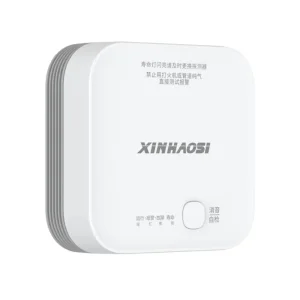
We utilize advanced electronic detection technology to make unknown gas leak risks clear and visible.


Founded in 2003, Xinhaosi is one of the most influential and reliable brands in the gas safety industry.
We provide customer-focused products and services to safeguard the operations of factories, cities, and homes. Powered by advanced production systems and technology, we deliver reliable, precise gas safety solutions for a safer future.
Learn More About Our Factory ScaleComprehensive protection and intelligent integration across industrial, commercial, and residential networks.
Detection Systems - Safety First from Precision Sensing
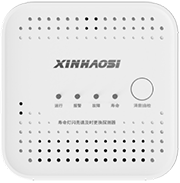
Gas Detectors - Home Safety from Gas Monitoring
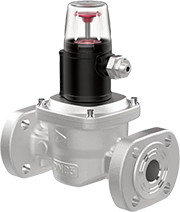
Gas Solenoid Valves - Protecting from the Source
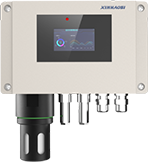
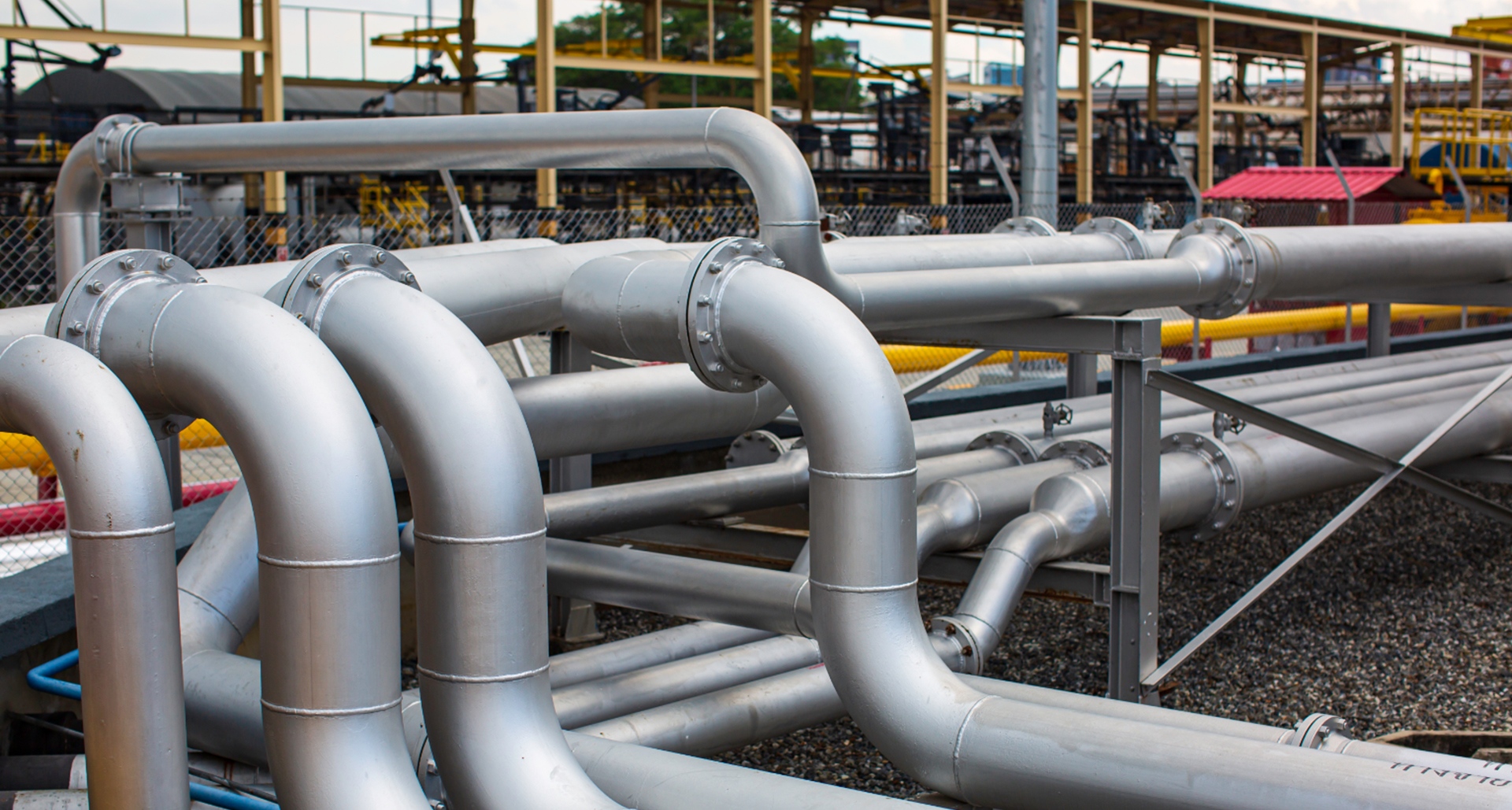
Distribution & Monitoring - Smart Sensing for Urban Gas
Engineered to adapt to distinct geographic environments and energy pipelines.
Integrating wired and wireless smart gas alarm panels within apartment compounds. Systems connect directly to local emergency panels and shut off natural gas valves instantly if a leak occurs.
Specialized anti-corrosion components designed for humid and saline marine climates. Dual-layer dustproof filters keep electrochemical sensors clean and precise.
Targeting Bottled LPG (Liquefied Petroleum Gas), which is heavier than air. Systems are configured for lower wall installation to catch leaks quickly near the floor.
Explore our full product lineup, combining OEM flexibility with reliable manufacturing quality.
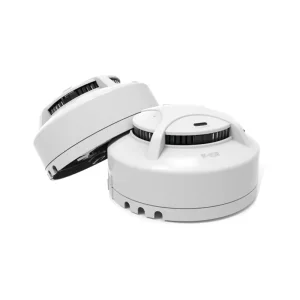
Collaborating with leading global energy distributors, municipal gas providers, and construction conglomerates.
























Stay informed about product launches, exhibitions, and gas safety developments from Xinhaosi.
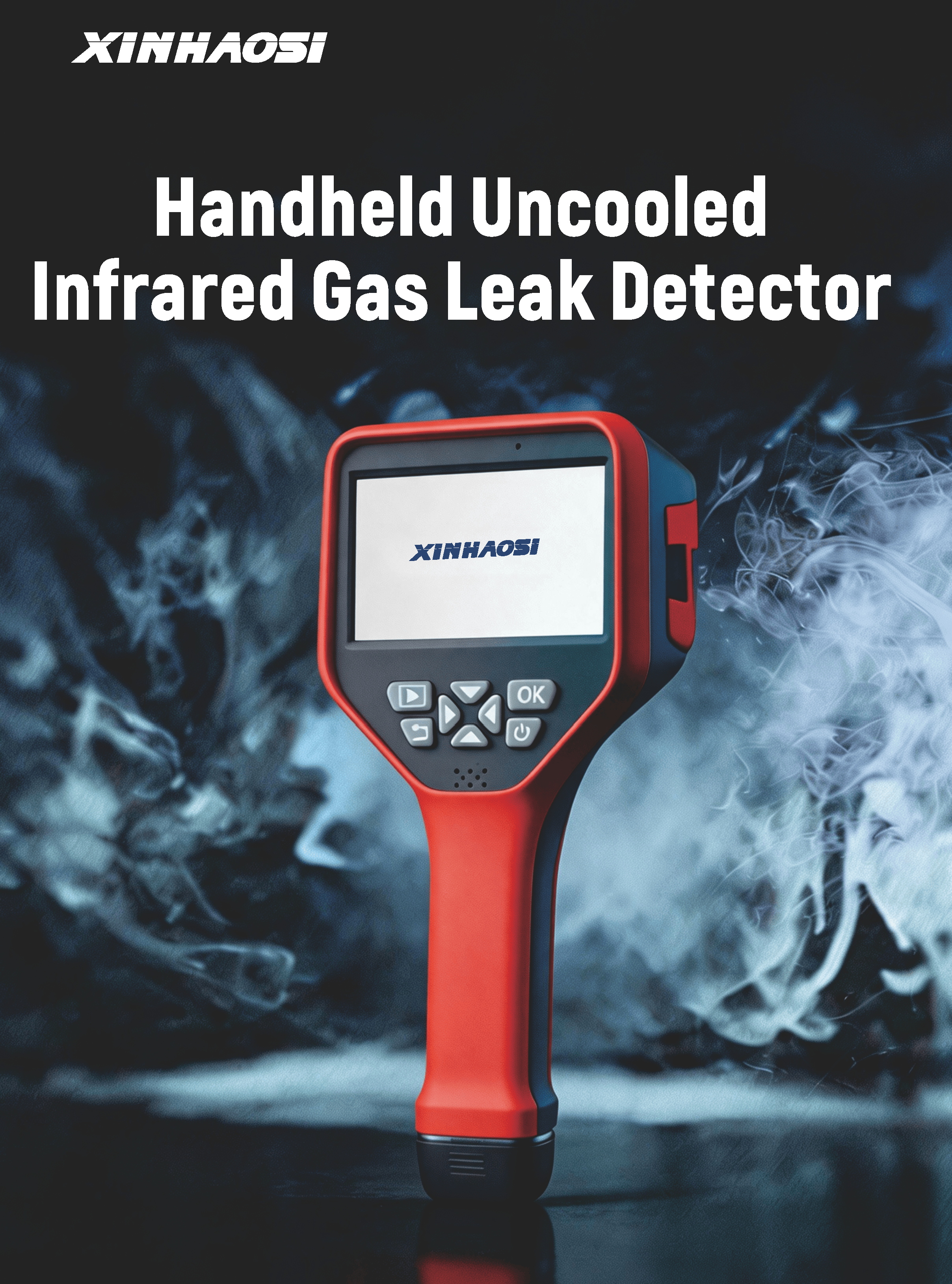
Xinhaosi Electronic Detection Technology Co., Ltd. officially launched its new Handheld Uncooled Infrared Gas Leak Detector, featuring dual-technology fusion, ultra-fast response, and long-distance non-contact detection to enhance safety and efficiency in petrochemical, refrigeration, natural gas and industrial safety scenarios.
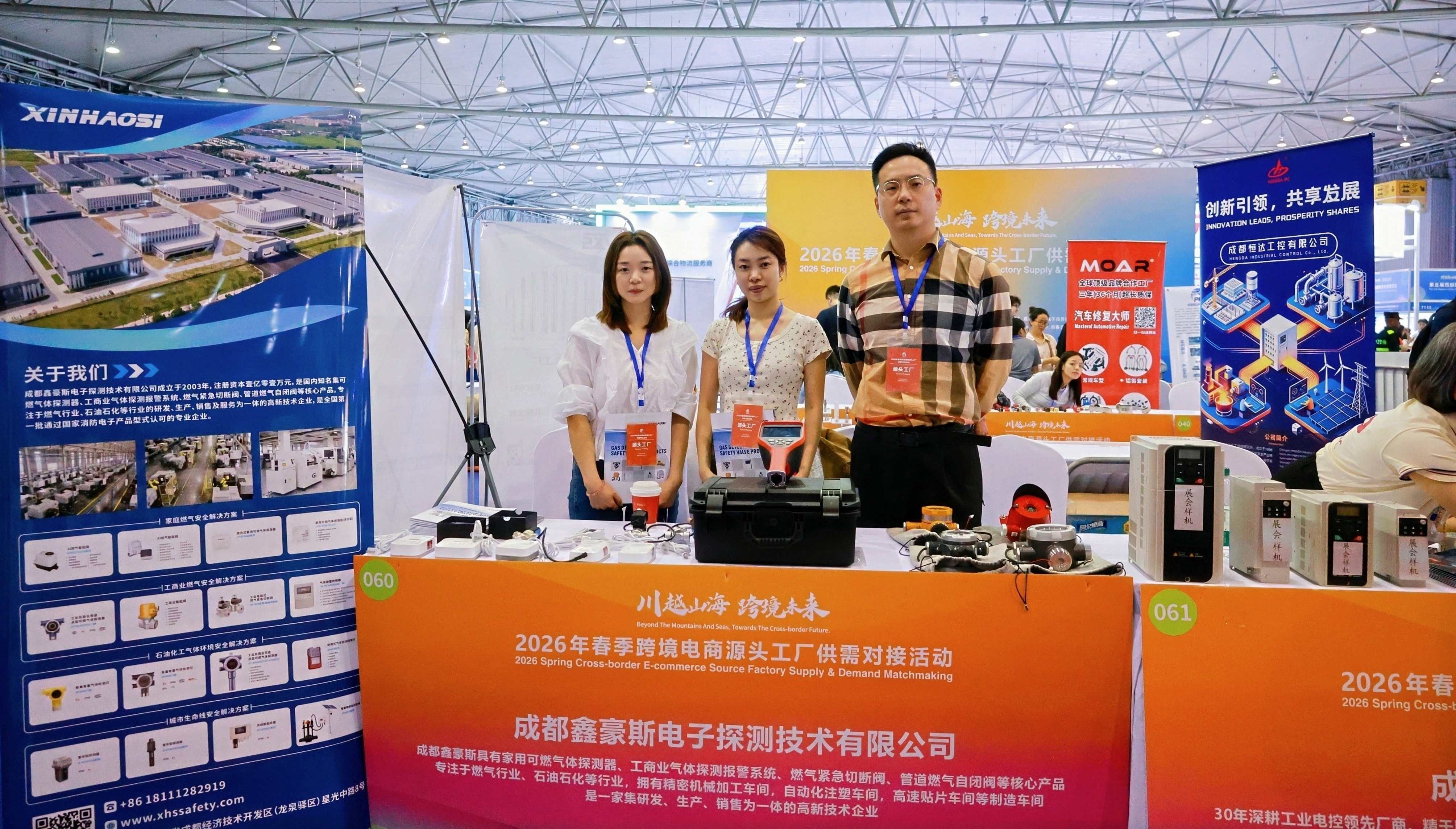
XINHAOSI recently participated in the 5th Western China Cross-Border E-Commerce Expo held in Chengdu. The event brought together cross-border e-commerce platforms, global buyers, manufacturers, and supply chain companies, creating new opportunities for international business cooperation and overseas market development.

XINHAOSI recently participated in the 2026 Sichuan (Chengdu) - Indonesia Industry Matchmaking Conference held in Chengdu. The event gathered enterprises and industry representatives from China and Indonesia to strengthen industrial cooperation and explore new business opportunities in Southeast Asia.
Technical guidance regarding imports, installation, and compliance for the Egyptian market.
Our household and commercial gas detectors comply with major international directives including CE, EN 50194, and UL 1484. These standards are recognized by the Egyptian Organization for Standardization & Quality (EOS) and the Civil Defense administration for import and installation approvals.
Since Methane is lighter than air, natural gas detectors must be installed on the wall within 30 cm of the ceiling. LPG is heavier than air, so LPG sensors must be installed within 30 cm of the floor to catch gas accumulating at lower levels.
Our devices feature integrated microchip-driven temperature compensation to prevent thermal drift. They also include specialized fine-mesh filters that protect the internal catalytic beads from fine sand and dust particles, maintaining sensor accuracy in arid environments.
Yes. Most models feature built-in output relays or pulse outputs designed to connect directly with solenoid shut-off valves. When the gas level hits the alarm threshold (typically 5% to 10% LEL), the detector sends an electrical pulse to shut the valve, cutting off the gas supply before a hazard develops.
Whether you require OEM/ODM modifications, specific compliance documents, or project-scale quotes, our safety experts are ready to assist.
Send Inquiry Now