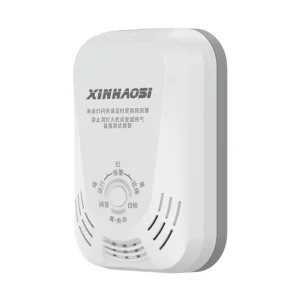
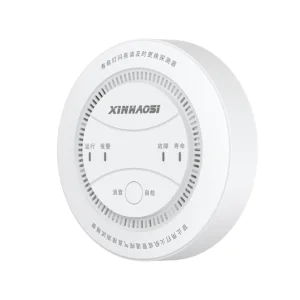
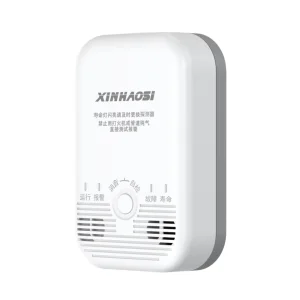
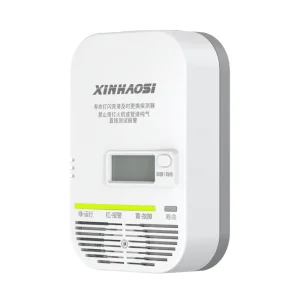
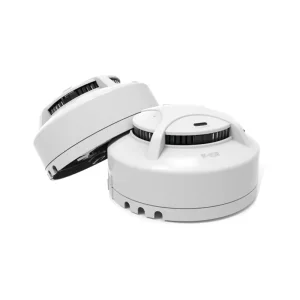
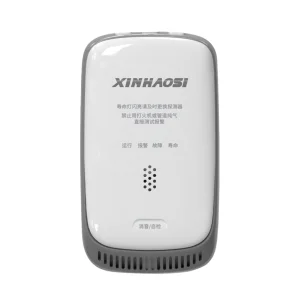
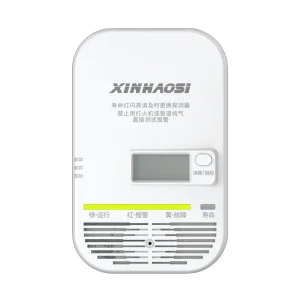
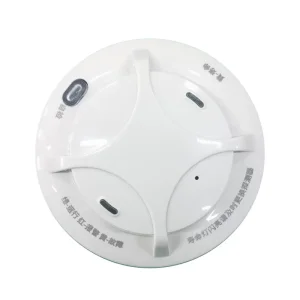
Advanced residential gas alarm systems certified to meet Boston safety ordinances and local building codes.
A Whitepaper on Methane Detection, Carbon Monoxide Control, and Building Code Compliance in Metro Boston
The City of Boston, containing some of the oldest residential and commercial infrastructure in the United States, presents a unique set of challenges for gas safety and leak detection. From the historic brownstones of the Back Bay and Beacon Hill to the wood-framed triple-deckers of Dorchester, Roxbury, and East Boston, older building designs feature legacy piping, structural voids, and natural draft ventilation systems. These physical factors significantly affect how combustible gases (such as natural gas/methane and liquefied petroleum gas/propane) accumulate and disperse.
In New England's extreme seasonal temperatures, structural settling and soil shifting put mechanical stress on gas service lines. Boston's aging underground gas distribution infrastructure, managed by major local utilities, has undergone extensive pipe replacement programs. However, secondary service lines entering residential cellars and historical crawl spaces remain vulnerable. Gas migration from street leaks through soil pathways into basements is a well-documented phenomenon in Metro Boston, necessitating the installation of highly sensitive, industrial-grade residential combustible gas detectors.
Regulatory Compliance Note: In Massachusetts, carbon monoxide alarms and gas safety installations must conform to the Massachusetts State Sanitary Code, the Massachusetts State Building Code (780 CMR), and the Massachusetts Comprehensive Fire Safety Code (527 CMR 1.00), which incorporates elements of NFPA 720 and the emerging NFPA 715 standards for fuel gas detection.
Under Massachusetts law, every residential dwelling unit that contains fossil-fuel burning equipment or incorporates an enclosed garage must be equipped with approved carbon monoxide alarms. While CO alarms have been legally mandated for years, the deployment of combustible gas detectors (detecting methane, propane, and butane) is rapidly becoming the standard for modern residential safety, aligned with the NFPA 715 guidelines.
Unlike carbon monoxide, which has a density similar to air, natural gas (principally methane) is lighter than air and rises rapidly. It tends to pocket near ceilings and in roof voids. Propane, on the other hand, is heavier than air and pools in low-lying areas, basements, and sump pumps. Our engineering department designs sensors specifically calibrated to these physical realities, ensuring that household alarms installed in Boston homes provide early warning long before gas concentrations reach the Lower Explosive Limit (LEL).
As a leading developer and manufacturer of gas safety instruments, we utilize three primary sensor architectures, each optimized for specific operating environments:
Proprietary filter technology prevents sensor degradation from common household chemicals, aerosols, and cooking fumes, reducing false alarms.
Direct communication links to automatic gas shut-off valves, immediately closing the gas supply upon leak detection.
Microcontroller-driven analytics dynamically track temperature and humidity variations to eliminate environmental sensor drift.
Integrating sensors with mechanical shut-offs and central controllers for holistic building safety.
In the dense urban fabric of Boston, gas safety systems must be highly contextual. Our product lines target several distinct installation environments:
Older houses with balloon-frame construction allow gas leaks from basement meters or pipes to travel undetected inside walls to upper stories. In these settings, a standalone battery-operated detector is insufficient. We recommend an integrated network of hardwired or interconnected gas alarms with battery backup. By placing detectors near basement utility entry points and top-floor residential spaces, landlords ensure comprehensive building safety.
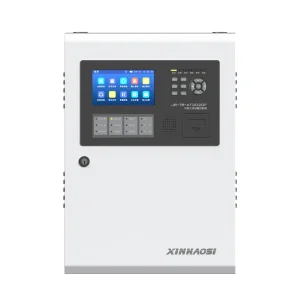
In Downtown Boston, the Seaport District, and Back Bay, modern residential complexes feature centralized HVAC, underground parking, and localized gas cooking lines. For these structures, we supply addressable gas alarms that integrate directly into the building's Fire Alarm Control Panel (FACP) or Building Management System (BMS). Using our centralized controllers like the JB-TB-AT2020F, facility managers can monitor LEL and PPM levels in real time across hundreds of points.
Enclosed municipal parking garages throughout Metro Boston must comply with strict ventilation standards to prevent the accumulation of toxic vehicle exhaust. Our specialized detectors, including the AT2004BIV-CO series, monitor ambient CO concentrations and automatically cycle ventilation fans when thresholds are exceeded. This saves electricity while maintaining safe carbon monoxide levels.
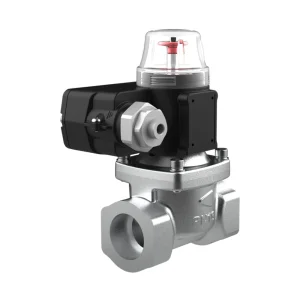
In Cambridge, Longwood, and Boston's industrial zones, high-throughput labs and commercial kitchens require automated emergency shut-offs. When combined with our solenoid valves (like the XF5III series), our gas detectors create a fail-safe mechanism: the moment a leak is detected, the solenoid valve cuts the gas supply at the source. This prevents accumulation and potential ignition.
Our technological roadmap focuses on integrating gas alarms into the broader Internet of Things (IoT) and Smart City frameworks. We are developing low-power, long-range wireless protocols (LoRaWAN, NB-IoT, and Zigbee) directly within our detector units. For Boston's municipal efforts to reduce gas leak emissions and combat greenhouse gases, this means future installations can automatically report low-level residential and commercial gas leaks directly to building owners and municipal utilities via cellular or mesh networks.
In addition, we are incorporating machine learning calibration profiles into our microcontrollers. These algorithms analyze baseline sensor drift over years of operation, adjusting trigger sensitivity dynamically to compensate for aging without requiring manual calibration. This lowers maintenance costs for large-scale property management groups across Massachusetts.
Future Ready Gas Safety Systems
Founded in 2003, Xinhaosi has established itself as an influential and reliable brand in the global gas safety industry. We provide customer-focused products and services to safeguard the operations of every factory, the comfort of every city, and the peace of mind of every home. Powered by advanced production systems and sensing technology, we deliver reliable, precise gas safety solutions for a safer future.
Our mission is to combine electronic detection technology with heavy-duty mechanical engineering, making gas leak risks visible and manageable.

Explore our complete range of certified household and commercial gas detection devices.
Stay updated with our global exhibition presence and international technology milestones.
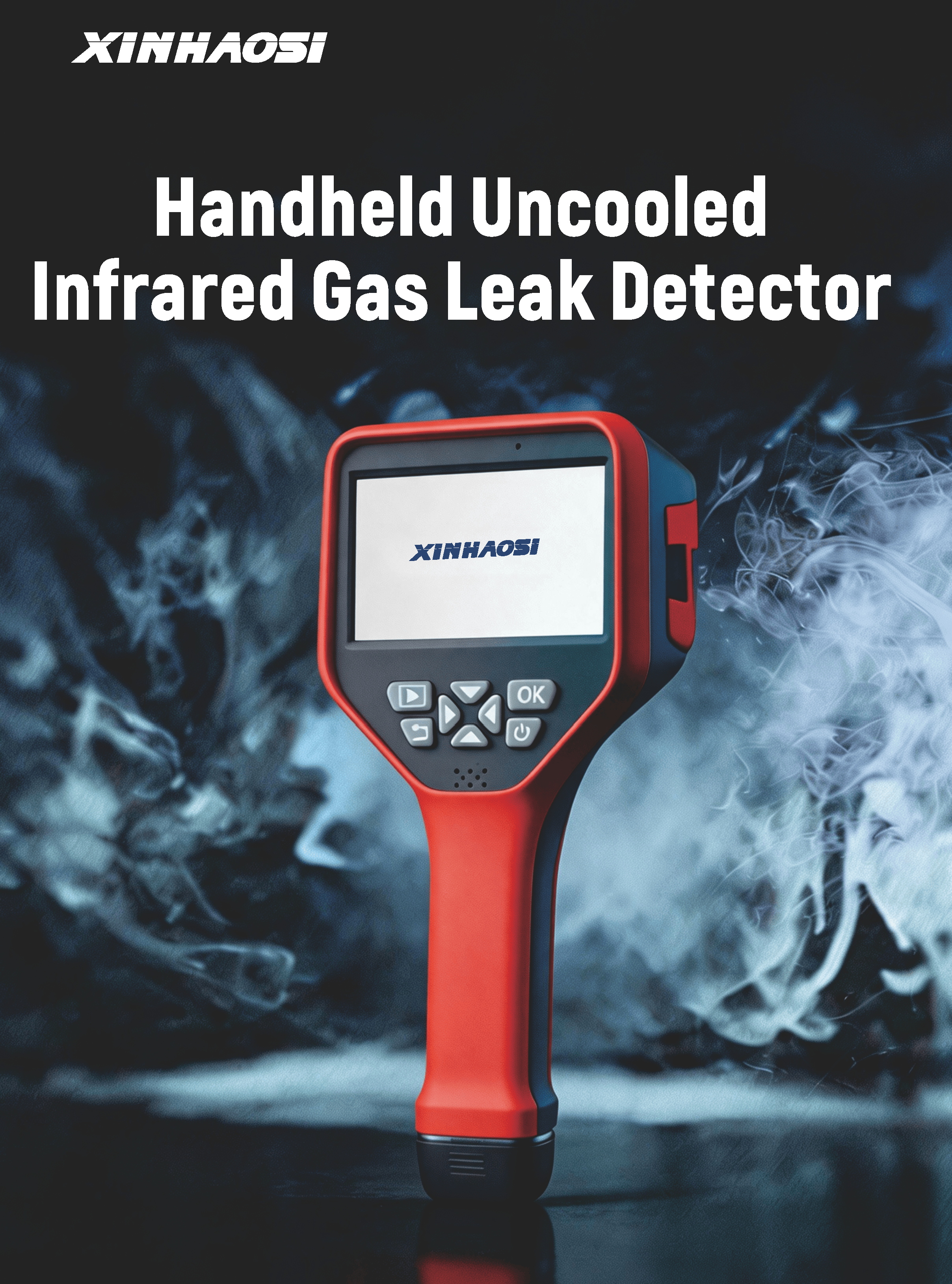
Featuring dual-technology fusion, ultra-fast response, and long-distance non-contact detection to enhance safety in petrochemical and natural gas environments.

Connecting with global supply chain networks to improve distribution channels and localized service delivery for North American markets.

Expanding global commercial footprints, building relationships with overseas utility operators, and showing localized safety systems.
Answers to common questions regarding local code compliance, installation, and detector specifications.
Trusted by industrial organizations, municipal suppliers, and real estate developers worldwide.






Whether you require custom housing labels, private-label designs, or volume shipments for a commercial retrofit in Metro Boston, our engineering team is here to assist.