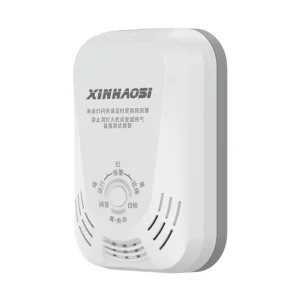
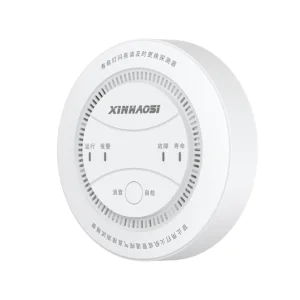
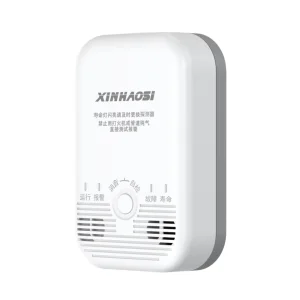
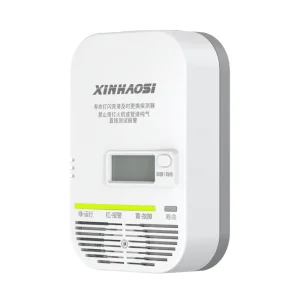
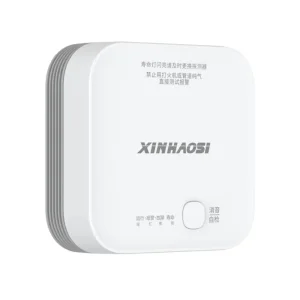
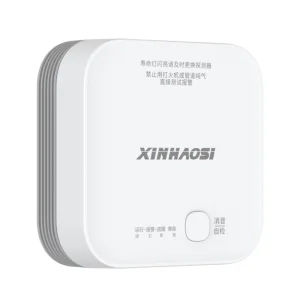
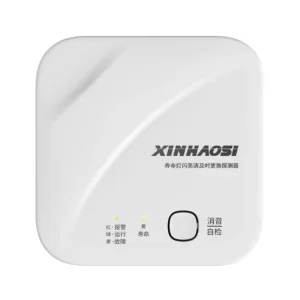
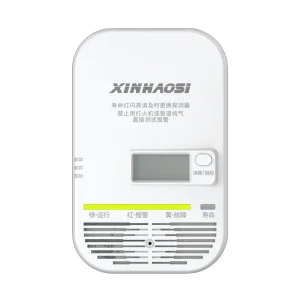
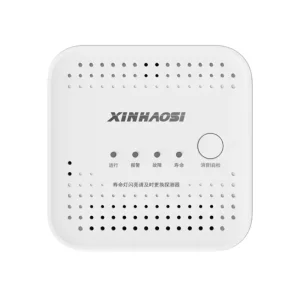
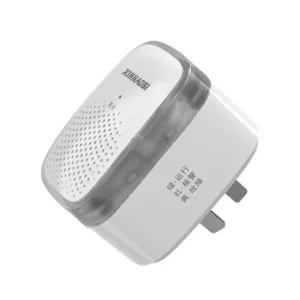
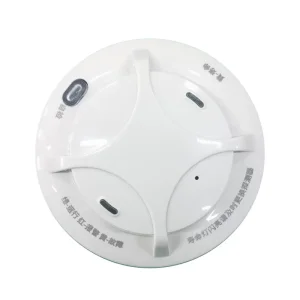
Discover high-precision combustible gas detectors designed to meet standard household requirements in Southern Africa.
Namibia is undergoing a steady transformation in energy usage. Across expanding urban hubs like Windhoek, Swakopmund, and Walvis Bay, Liquefied Petroleum Gas (LPG) has transitioned from an optional backup fuel to a mainstream energy source for home cooking, domestic water heating, and hospitality services. This transition introduces safety risks: gas leaks inside poorly ventilated spaces can lead to catastrophic damage before sensory detection occurs.
Further, the country’s growth in key sectors—specifically mining, marine logistics, and the nascent green hydrogen projects in the Karas region—spurs the need for high-integrity detection devices. As urban density increases, regional distributors face stringent safety demands from homeowners, insurance companies, and regulatory frameworks aligned with Southern African standards.
Unlike standard models, our systems integrate auto-calibration algorithms. This prevents false alarms triggered by dust and coastal salinity in areas like Walvis Bay—ensuring consistent, long-term stability.

From domestic kitchens to complex urban distribution networks, we mitigate hazards through precision sensing.
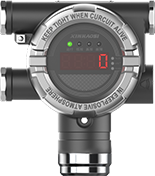
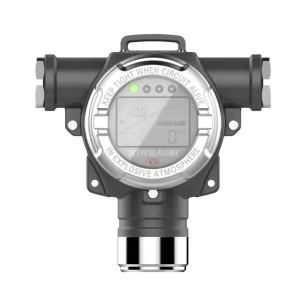
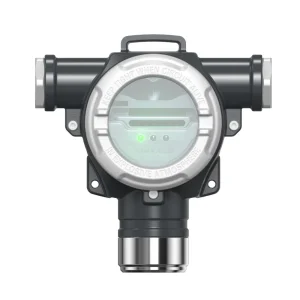
Safety First from Precision Sensing. Built for mining and high-risk production sites.
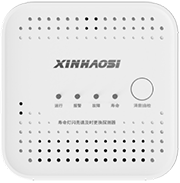
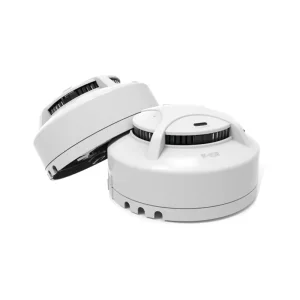
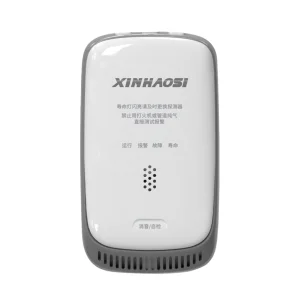
Home Safety from Gas Monitoring. Early warnings for propane, butane, and natural gas.
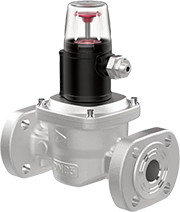
Protecting from the Source. Interlocks with alarm units to shut down gas flow automatically.
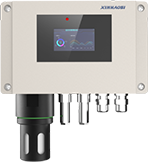
Smart Sensing for Urban Gas. End-to-end telemetry and IoT safety management.
Xinhaosi’s production model relies on advanced Industry 4.0 systems, combining automated SMT placement, robotic calibration chambers, and real-time Quality Management Systems (QMS). Our focus on automated assembly ensures high-precision sensor alignment, minimizing component failure rate across production cycles.
For importers and wholesale buyers in Namibia, this automation yields concrete commercial benefits: high consistency in bulk batches, quick order turnaround, and cost optimization. In addition, our manufacturing setup maintains a dual-supply system for key semiconductor components, ensuring stable lead times even during global supply line constraints.
Founded in 2003, Xinhaosi has grown into an influential and reliable brand in the gas safety industry. We provide customer-focused products and services to safeguard industrial facilities, commercial hubs, and residential projects worldwide. Powered by precision manufacturing and sensing technologies, we deliver advanced, intuitive, and accurate safety systems designed to prevent gas leak hazards.
With our integrated design-to-delivery capabilities, we help Namibian safety distributors transition from passive alarms to preventative, real-time safety monitoring.


Engineered to perform in challenging environments—from underground parkades to coastal industrial plants.
Importing electronic safety products into Namibia requires compliance with regional safety frameworks, including the South African Bureau of Standards (SABS) and the Namibia Standards Institution (NSI). Our manufacturing plants align with international baselines like CE, RoHS, and EN 50291 (the European standard for carbon monoxide and combustible gas alarms in domestic premises).
Each unit undergoes computer-controlled gas exposure tests. This ensures the hot-wire or electrochemical sensor responds at the designated Lower Explosive Limit (LEL) range (typically 5% to 10% LEL for methane/propane) to prevent false alerts.
Tested against heat and high humidity, our detectors operate reliably in coastal microclimates (like Walvis Bay) as well as the hot, arid interiors of central Namibia.
Built-in output relays connect directly to gas shut-off valves. In an emergency, the system automatically isolates the main LPG supply, providing active mitigation.
Namibia’s tourism economy relies heavily on lodges, boutique hotels, and guesthouses. In these environments, LPG heating systems are common. Our multi-zone gas monitoring panels link domestic and commercial detectors to central security stations, enabling early hazard detection and management.
Collaborating with global supply networks to deliver certified safety products.
























Explore our complete range of certified detectors for residential, commercial, and OEM applications.
The safety industry is shifting from standalone buzzers to integrated IoT systems. Our roadmap targets three main areas to support modern infrastructure requirements:
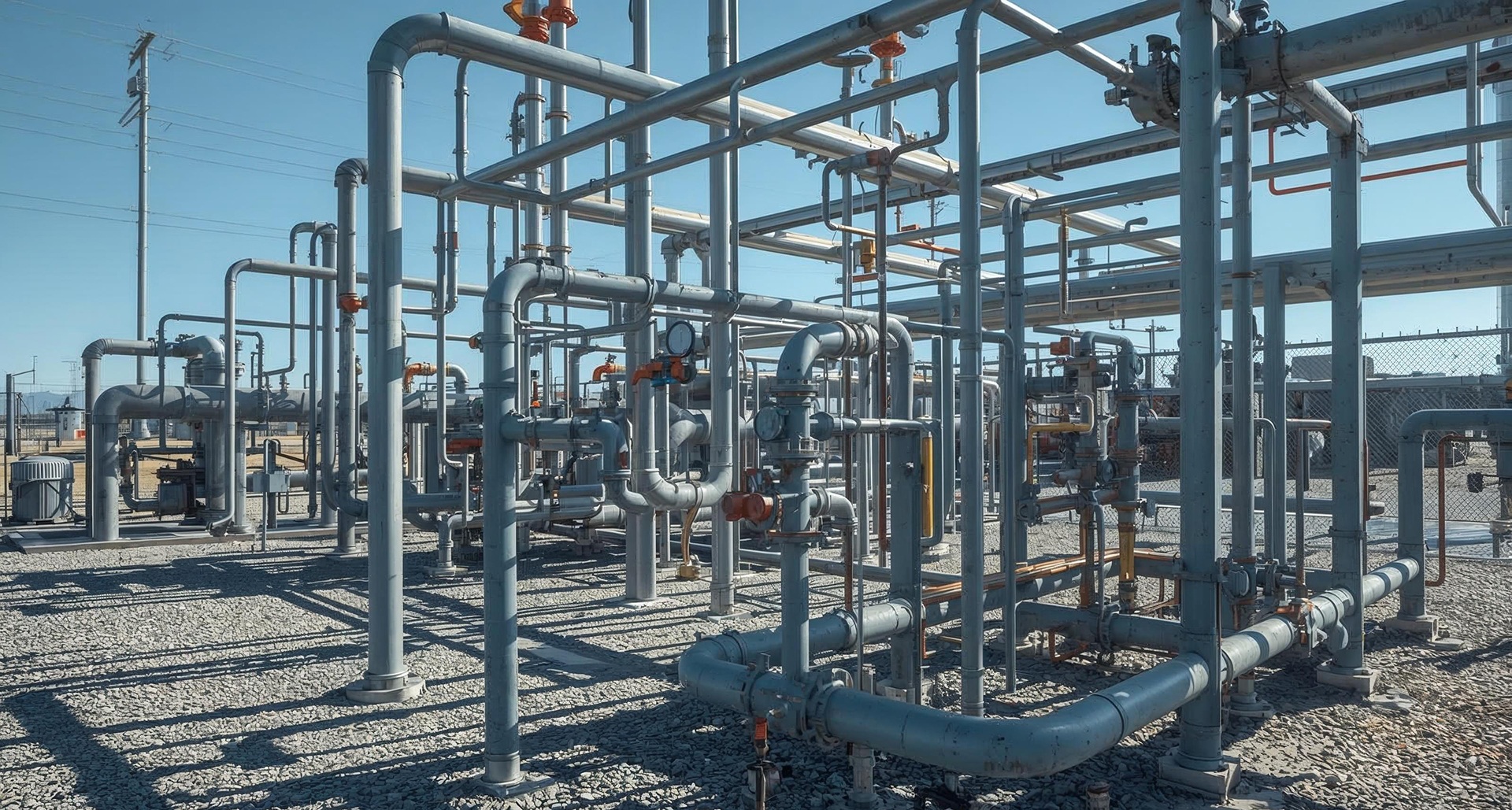
We support bulk sourcing, customized configurations, and shipping routes to Walvis Bay Port.
We provide customizable alarm limits, localized language labels, and modified power supply options (220V AC, 12V-24V DC) to suit regional wiring requirements.
Our logistics team handles export documentation, hazardous materials certifications, and container shipping directly to the Port of Walvis Bay, ensuring reliable delivery.
We supply calibration certificates, test reports, and product datasheets required by Namibian customs and regional safety regulators.
Stay informed with the latest updates from Xinhaosi and the global gas safety sector.
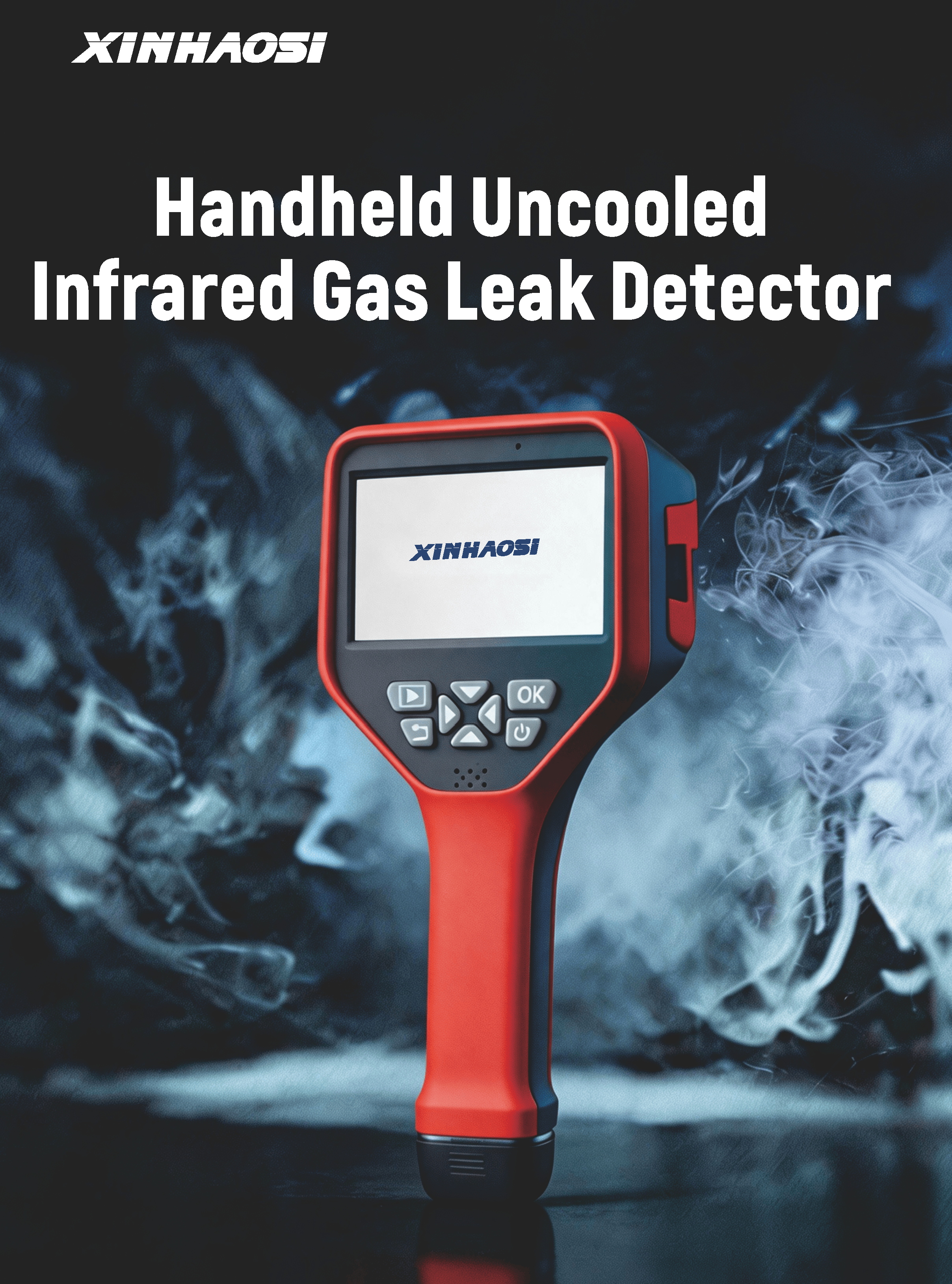
Featuring dual-technology fusion and long-distance, non-contact detection to enhance safety in industrial and municipal environments.
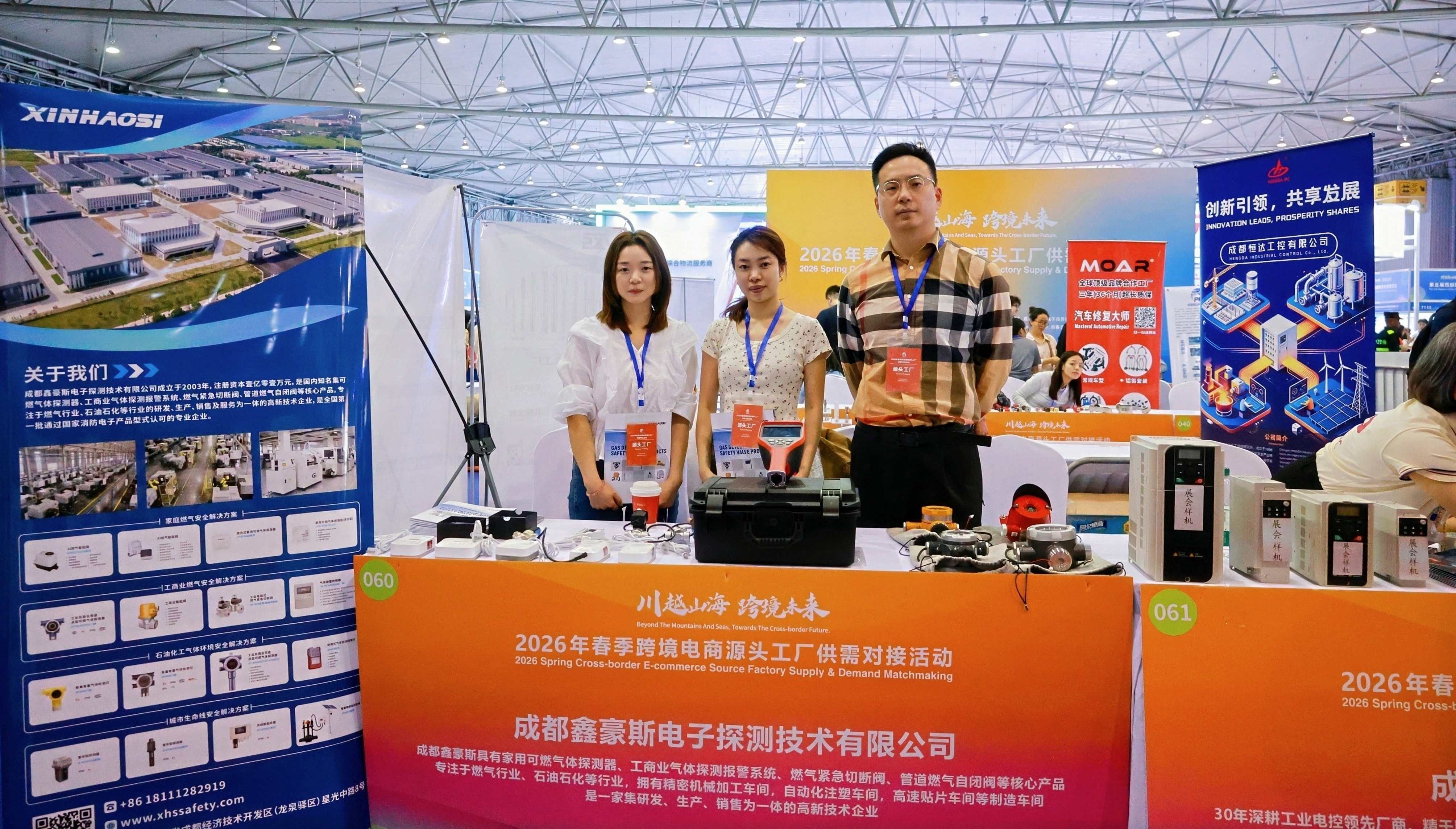
Connecting with global buyers and trade networks to expand distribution and product availability across key export markets.

Engaging with industry representatives to strengthen partnerships and explore industrial safety opportunities in emerging markets.
Common technical questions regarding combustible gas safety systems, installation, and compliance.
Generally, catalytic bead sensors have an operational life of 3 to 5 years, depending on ambient dust, humidity, and exposure to cleaning chemicals. We recommend replacement after 5 years of continuous use to maintain detection accuracy. Self-diagnostic models will flash an error signal once the sensor reaches its end-of-life threshold.
LPG (propane/butane) is heavier than air. LPG detectors must be installed close to the floor—typically within 30 cm of the ground and near the gas appliance. Natural gas (methane) is lighter than air, so methane detectors must be installed within 30 cm of the ceiling.
Yes, high salinity and humidity in coastal areas (such as Swakopmund and Walvis Bay) can cause corrosion on sensor pins and circuitry. Our detectors feature conformal-coated PCBs to protect components from moisture and salt-induced degradation.
Shipping times from our factories in China to the Port of Walvis Bay generally range from 30 to 45 days, depending on shipping schedules and transshipment routes. We provide export clearance documents, ocean bills of lading, and packaging lists for customs clearance.
Yes. Many of our models (such as the JT-AT2004BII Bus-type) feature output relays (normally open/normally closed) or RS485 communication ports. These connect to external security alarms, building management systems (BMS), or smart home controllers.
Partner with a specialized gas safety manufacturer. Contact us for bulk pricing, OEM specifications, and shipping details to Windhoek, Swakopmund, and Walvis Bay.