
Description
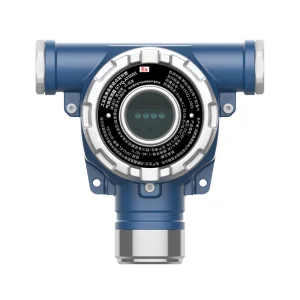
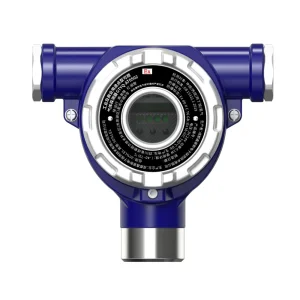
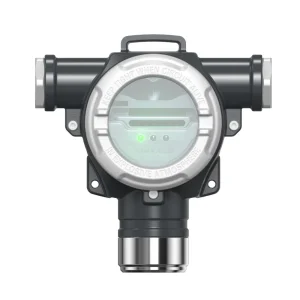
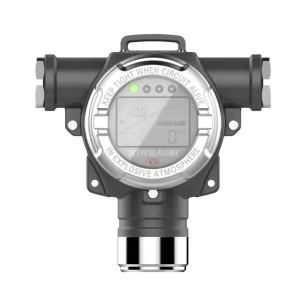
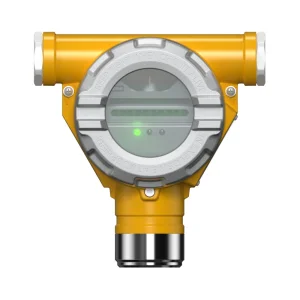
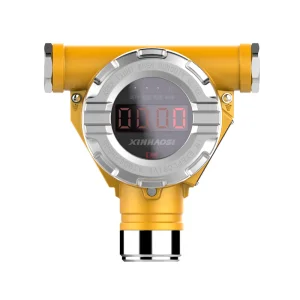
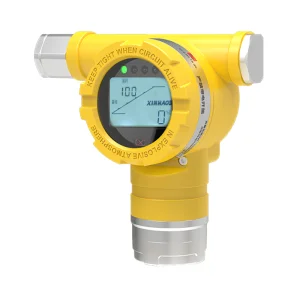
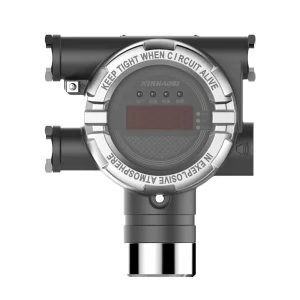
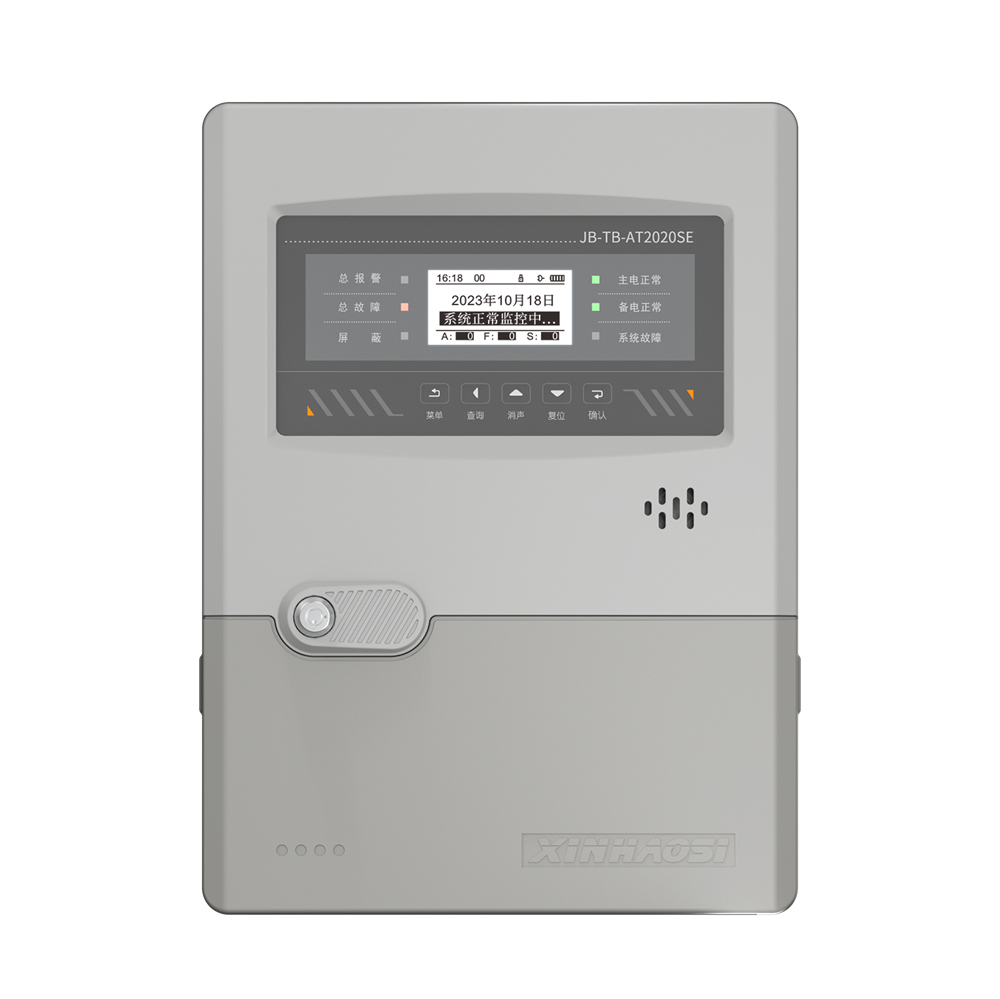
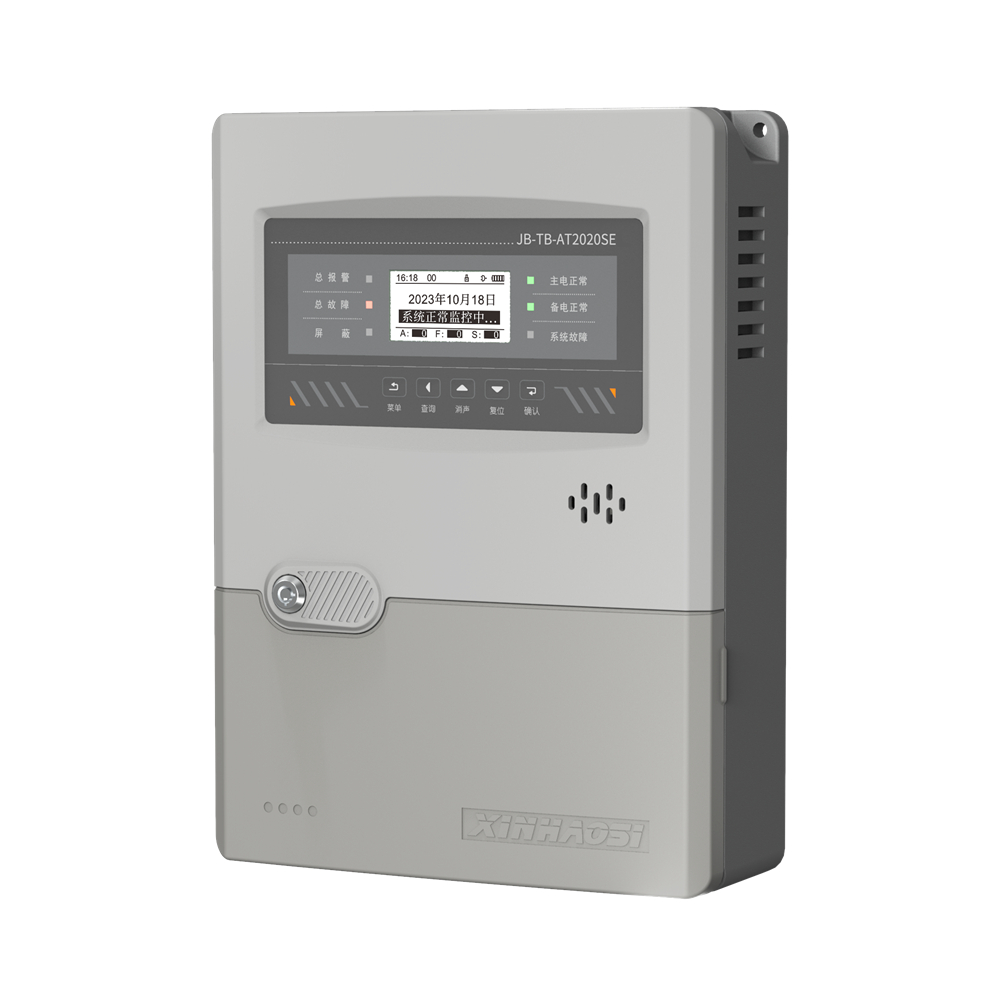
Gas Detector Controller is a compact and lightweight gas monitoring device specially designed for small-space applications such as small workshops, laboratories and equipment rooms. It is equipped with a user-friendly Chinese/English LCD display, which supports switching between two languages for easy debugging and operation, and can clearly display the installation location of each device, greatly simplifying on-site management and maintenance work. With a lightweight and portable enclosure made of high-quality V0-rated flame-retardant material, it not only has excellent safety performance but also is durable, capable of adapting to various harsh small-space environments. The device supports XBUS 2/4 wire protocol, which enables easy and flexible wiring, reducing the difficulty and cost of on-site installation. Built-in RS485 and TTL ports are compatible with multiple mainstream communication protocols, facilitating seamless connection with other monitoring equipment. Unlike other models in the series, it has a built-in IoT module for direct IoT transmission, eliminating the need for additional configuration of wireless equipment, which is perfect for small-scale scenarios that require simple installation, convenient operation and reliable real-time gas monitoring.
🖥️
Bilingual LCD Display
Chinese/English switchable display for easy debugging and on-site management.
🔥
V0-Rated Flame-Retardant Enclosure
High-quality, durable material built for harsh small-space environments.
🔌
XBUS 2/4 Wire Protocol
Flexible wiring support reduces installation difficulty and costs.
📡
Built-in IoT Module
Direct IoT transmission with no extra wireless equipment needed.
🔗
RS485 & TTL Ports
Compatible with multiple mainstream communication protocols for seamless integration.
🏢
Designed for Small Spaces
Ideal for workshops, laboratories, and equipment rooms requiring reliable monitoring.
Frequently Asked Questions
Q
What types of environments is the JB-TB-AT2020SE Gas Detector Controller best suited for?
The JB-TB-AT2020SE is specifically designed for small-space applications, including small workshops, laboratories, and equipment rooms. Its compact and lightweight design, combined with a V0-rated flame-retardant enclosure, makes it well-suited for environments that require reliable and safe gas monitoring in confined or limited spaces.
Q
Does the controller support both Chinese and English language display?
Yes. The controller features a 2.2" dot matrix LCD display that supports both English and Chinese languages. Users can switch between the two languages at any time, making it convenient for on-site debugging, operation, and maintenance by both local and international teams.
Q
What communication protocols does the JB-TB-AT2020SE support?
The device supports XBUS (2/4 wire) and HBUS (4 wire) communication protocols for connecting compatible detectors. In addition, it is equipped with built-in RS485 and UART_TTL interfaces, making it compatible with multiple mainstream communication standards for easy integration with other monitoring equipment and host computer systems.
Q
Is a separate IoT device or wireless module required for remote monitoring?
No. Unlike other controllers in the series, the JB-TB-AT2020SE includes a built-in IoT module that enables direct wireless data transmission without the need to configure or purchase any additional wireless equipment. Optional NB and 4G wireless transmission modes are also available to suit various connectivity requirements.
Q
How many detectors can be connected to this controller, and what is the maximum transmission distance?
The JB-TB-AT2020SE supports up to 8 detector channels. The maximum transmission distance between the controller and connected detectors is 1,500 meters, providing considerable flexibility for installation layouts even in larger small-scale facilities.
Q
What are the relay output specifications, and can the output type be adjusted?
The controller features two built-in groups of passive relay outputs, each supporting DC 24V/2A or AC 220V/1A. The output type can be configured as either Hold or Pulse mode, offering flexibility to match the requirements of various alarm devices and connected systems on-site.