1 / 3

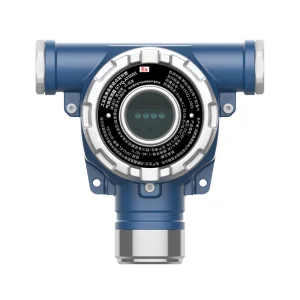
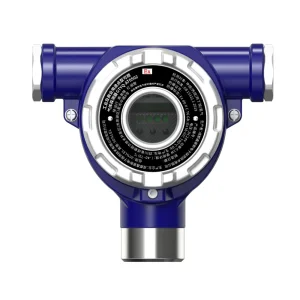
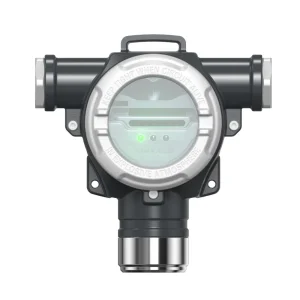
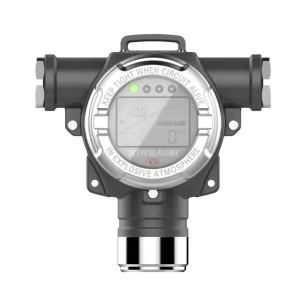
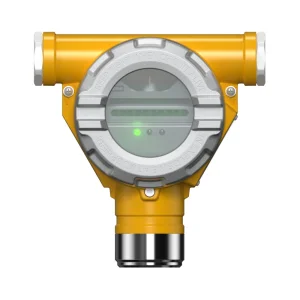
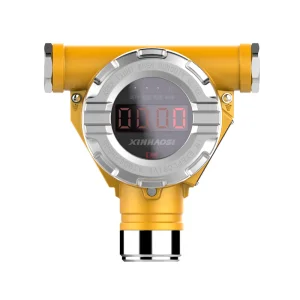
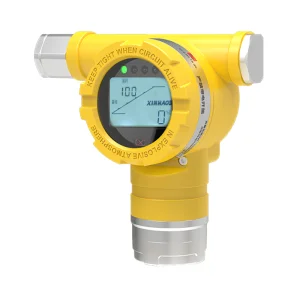
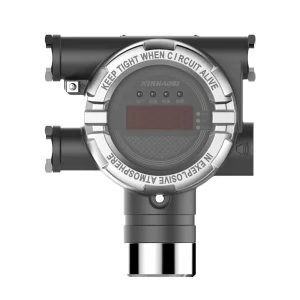
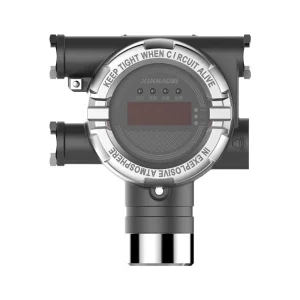
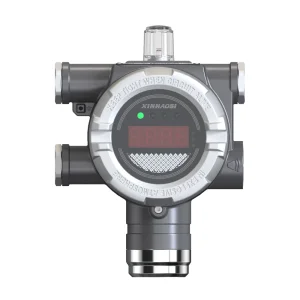
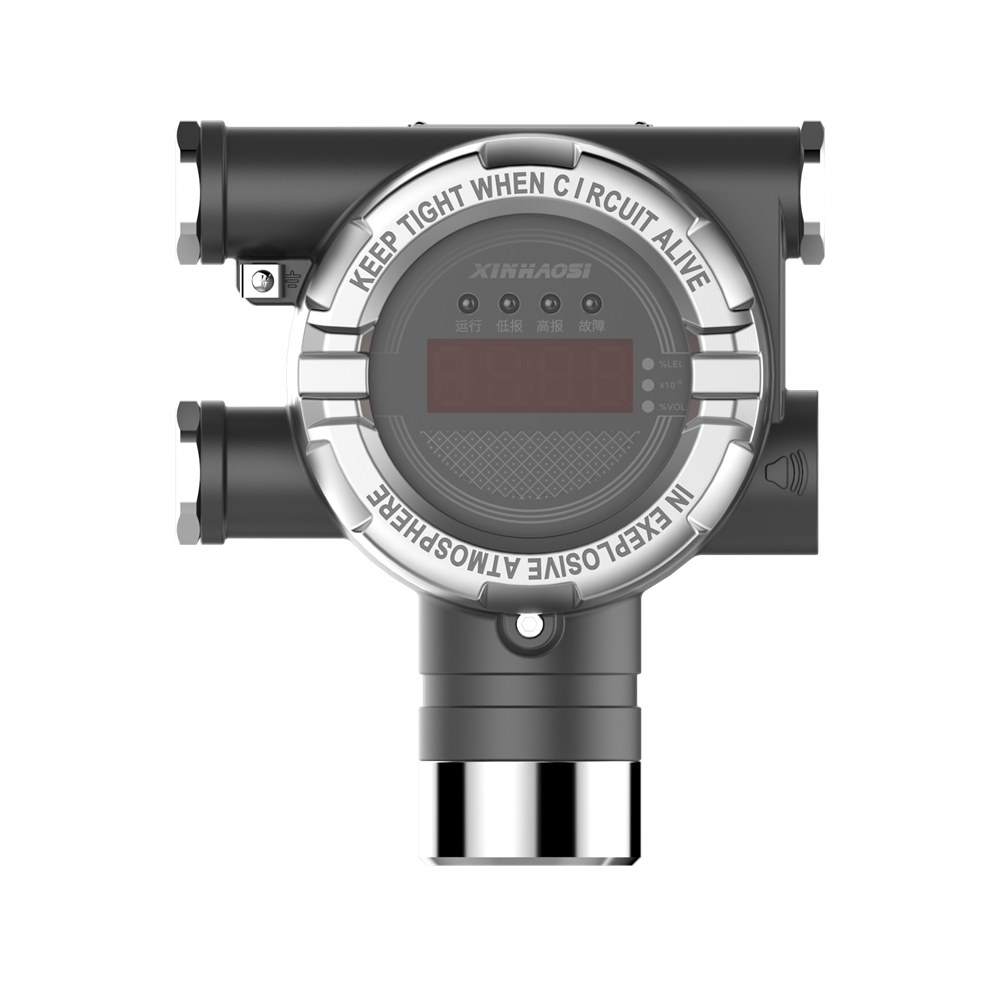
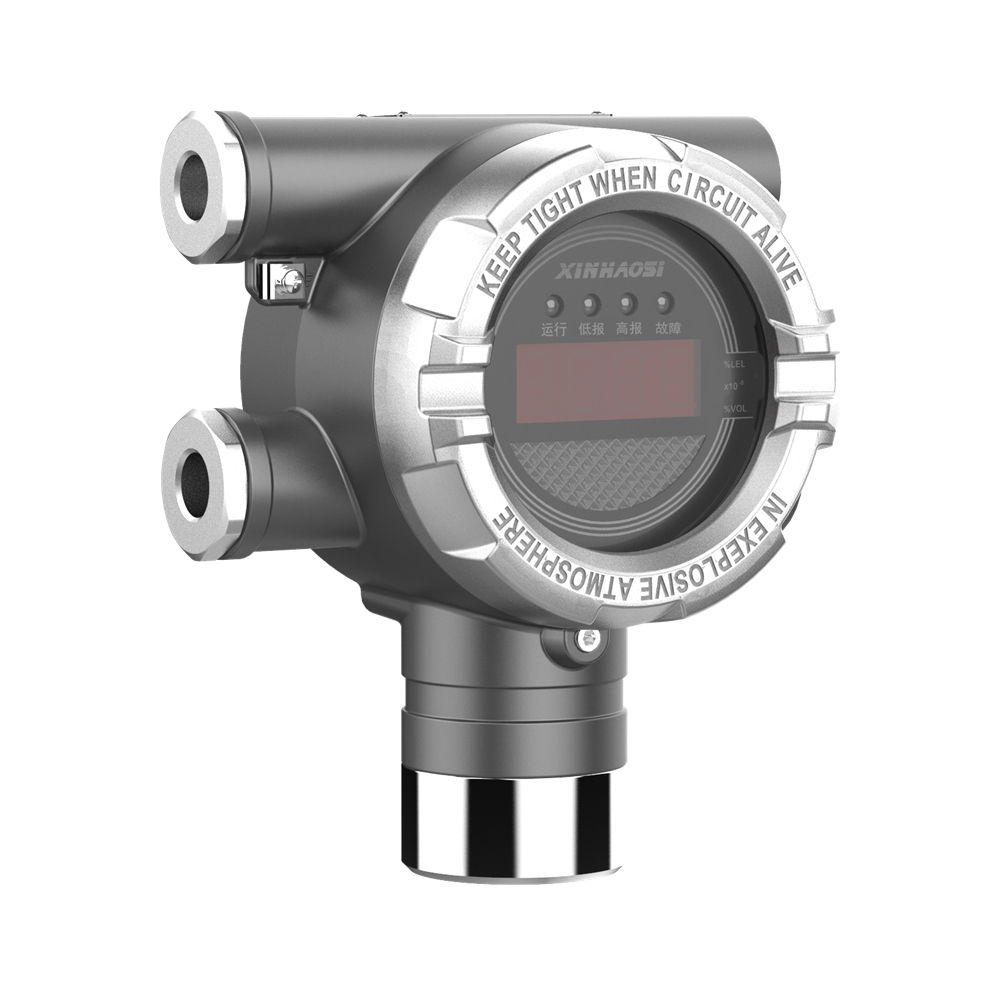
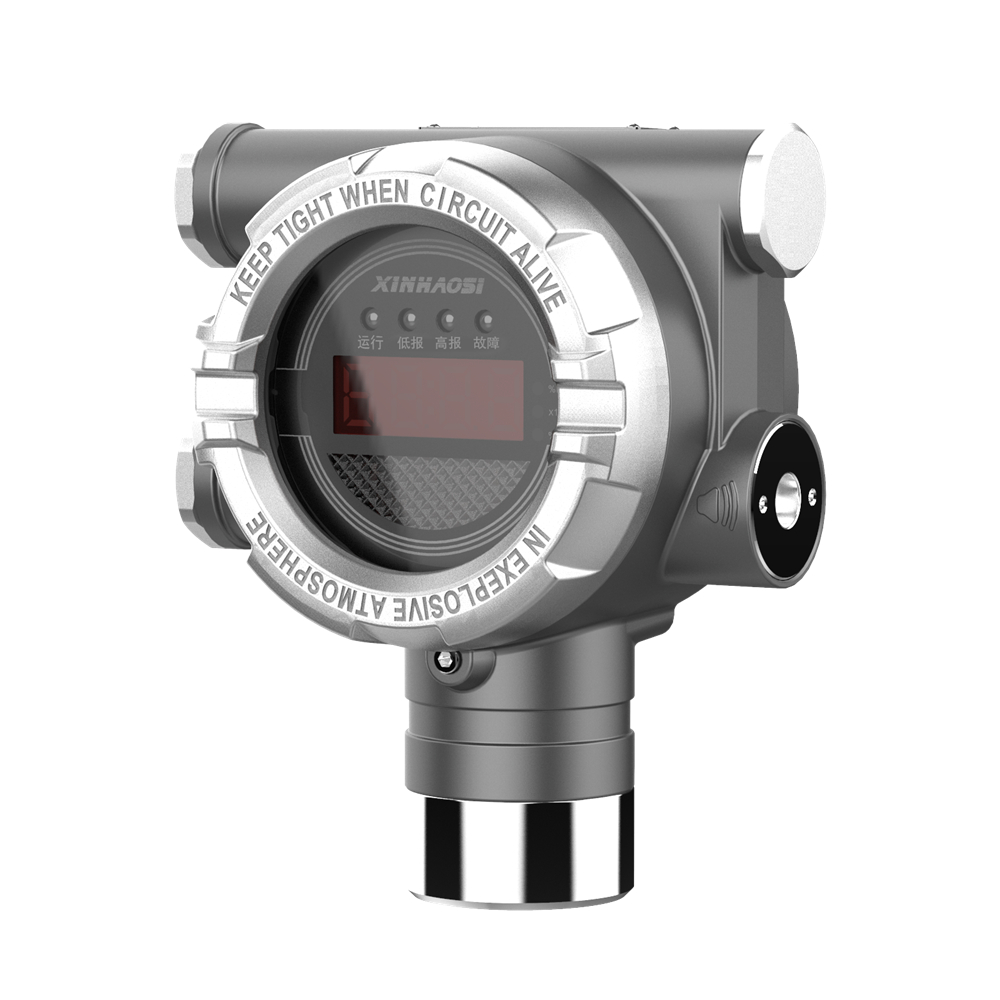
The XP4000 is a high-performance explosion-proof multi-gas detector tailored for intelligent monitoring of oxygen, toxic gases and VOCs in complex industrial scenarios. It features a robust explosion-proof and dust-ignition-proof structure, complying with global safety regulations for hazardous area equipment. Different from the dual-wire design of the XP3000, this model uses a three-wire terminal structure, making wiring more standardized and suitable for large-scale systematic deployment. The digital sensing module supports calibration-free on-site replacement, ensuring detection stability and reducing maintenance downtime. With an IP66 ingress protection rating, it adapts to severe industrial environments with high dust, humidity and temperature changes. It is equipped with a high-brightness digital tube display, ensuring clear readings even in poor lighting conditions. A standard expansion interface is integrated, supporting 4-20mA, HART, RS485 and relay output, enabling flexible access to different monitoring and control systems. It also provides dual independent relay outputs with separate high and low alarm functions, supporting graded alarm and linkage control. This model serves as a core component for intelligent safety systems, widely used in petrochemical, pharmaceutical, environmental monitoring and other industries requiring high-standard multi-gas detection.
| Model | XP4000 |
| Measuring gas | Oxygen / Toxic / VOC gases |
| Measuring method | Electrochemical / Infrared / PID / Semiconductor |
| Measuring Range | Depend on sensor type |
| Response time | Depend on sensor type |
| Operation mode display | Normal / High Alarm / Low Alarm / Trouble LED |
| Measuring value display | Digital tube |
| Power | 24V DC |
| Alarm signal output | Light and sound alarm output, 50mA |
| Output signal | HBUS 2/4 wire |
| Relay output | Two-channel adjustable relay output |
| Conduit connection | Standard: 3xM26x1.5P | Option: FPT 3/4", NPT 3/4" |
| Mounting type | Wall / Pole / Ceiling mount |
| Operating temperature |
Infrared: -40°C ~ +70°C Electrochemical: -20°C ~ +50°C PID: -20°C ~ +55°C |
| Operating humidity | 5 to 95% RH (Non-condensing) |
| Housing Material | Aluminum alloy |
| Dimensions | 172(W) x 161(H) x 79(D) mm |
| Explosion Proof | Ex db IIC T6 Gb |
| Certification | Refer to technical documentation |
| Sensor Type | Measuring Gas | Molecular Formula | Measuring Range | Operating Temperature | Typical Life | Response Time |
|---|---|---|---|---|---|---|
| Infrared Type | Combustible gases | / | 3-100%LEL | -40 ~ +70°C | 60 month | <30sec / 90% scale |
| Carbon dioxide | CO₂ | 0~2%vol | -40 ~ +70°C | 60 month | <45sec / 90% scale | |
| Nitrous oxide | N₂O | 0-1000ppm | -40 ~ +70°C | 60 month | <45sec / 90% scale | |
| Electrochemical Type | Carbon Monoxide | CO | 0-50 ppm | -20°C ~ +50°C | 24 month | <10sec / 90% scale |
| Hydrogen Sulfide | H₂S | 0-20ppm | -20°C ~ +50°C | 24 month | <12sec / 90% scale | |
| Sulfur dioxide | SO₂ | 0-20ppm | -20°C ~ +50°C | 24 month | <10sec / 90% scale | |
| Ammonia | NH₃ | 0-100ppm | -20°C ~ +50°C | 24 month | <50sec / 90% scale | |
| Oxygen | O₂ | 0~30%vol | -20°C ~ +50°C | 24 month | <15sec / 90% scale | |
| Formaldehyde | CH₂O | 0-2ppm | -20°C ~ +50°C | 24 month | <15sec / 90% scale | |
| Chlorine | Cl₂ | 0-5ppm | -20°C ~ +50°C | 24 month | <25sec / 90% scale | |
| Bromine | Br₂ | 0-5ppm | -20°C ~ +50°C | 24 month | <60sec / 90% scale | |
| Hydrogen chloride | HCl | 0-15ppm | -20°C ~ +50°C | 24 month | <30sec / 90% scale | |
| Hydrogen Fluoride | HF | 0-7ppm | -20°C ~ +50°C | 18 month | <30sec / 90% scale | |
| Hydrogen Bromide | HBr | 0-10ppm | -20°C ~ +50°C | 24 month | <70sec / 90% scale | |
| Hydrogen Cyanide | HCN | 0-3ppm | -20°C ~ +50°C | 24 month | <10sec / 90% scale | |
| Nitrogen Dioxide | NO₂ | 0-20ppm | -20°C ~ +50°C | 24 month | <20sec / 90% scale | |
| Nitric oxide | NO | 0-20ppm | -20°C ~ +50°C | 24 month | <30sec / 90% scale | |
| Silane | SiH₄ | 0-15ppm | -20°C ~ +50°C | 24 month | <60sec / 90% scale | |
| Ethylene oxide | C₂H₄O | 0-20ppm | -20°C ~ +50°C | 24 month | <25sec / 90% scale | |
| Vinyl chloride | C₂H₃Cl | 0-10ppm | -20°C ~ +50°C | 24 month | <90sec / 90% scale | |
| Carbon disulfide | CS₂ | 0-5ppm | -20°C ~ +50°C | 24 month | / | |
| Acrylonitrile | C₃H₃N | 0-2ppm | -20°C ~ +50°C | 24 month | <30sec / 90% scale | |
| Carbonyl chloride (phosgene) | COCl₂ | 0-1ppm | -20°C ~ +50°C | 24 month | <30sec / 90% scale | |
| *Photoionization (PID) Type | Volatile organic compounds | VOCs | 0-2000ppm | -40 ~ +60°C | 12 month | <5sec / 90% scale |
| Semiconductor Type | Organic combustible vapors | / | 0~2000ppm | -40 ~ +60°C | 36 month | / |
| Freon and halogenated compounds | / | 0~2000ppm | -40 ~ +60°C | 36 month | / |
*The specific range of the PID sensor for detecting different gases needs to be determined according to different situations.
Q What are the main types of gases detected by the XP4000?
The XP4000 is designed to monitor Oxygen (O₂), a wide range of toxic gases (such as Carbon Monoxide, Hydrogen Sulfide, Ammonia, Chlorine, etc.), and Volatile Organic Compounds (VOCs) in complex industrial settings.
Q How does the wiring system of the XP4000 differ from the XP3000?
Unlike the dual-wire design of the XP3000, the XP4000 utilizes a standardized three-wire terminal structure. This structure helps standardize wiring installations, making it highly suitable for large-scale systematic industrial deployments.
Q Is on-site calibration required when replacing the sensing modules?
No, the digital sensing module of the XP4000 supports calibration-free on-site replacement. This ensures stable detection, simplifies the maintenance process, and greatly reduces operations downtime.
Q What signal outputs and interface options does the XP4000 provide?
It features a standard expansion interface supporting 4-20mA, HART, RS485, and relay output. It also includes dual independent relay outputs with dedicated high and low alarm functions for graded linkage control systems.
Q What environments is the XP4000 suited for?
With its robust aluminum alloy construction, IP66 ingress rating, and Ex db IIC T6 Gb explosion-proof certification, the XP4000 is built to withstand harsh conditions with high dust levels, extreme moisture, and severe temperature fluctuations.
Q What sensor technology options are available for different application needs?
Depending on the targeted gas, users can equip the detector with Infrared (IR) sensors for combustible gases and CO₂; Electrochemical sensors for precise toxic gas detection; PID sensors for ppb-to-ppm level VOC detection; or Semiconductor sensors for cost-effective broad-spectrum organic vapor monitoring.