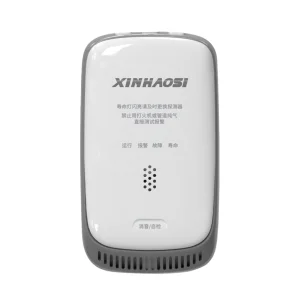
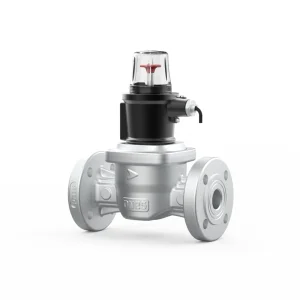
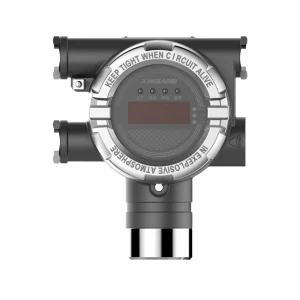
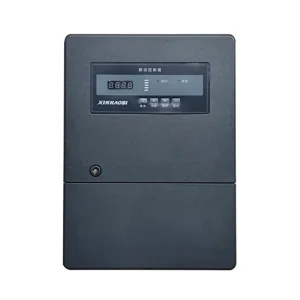
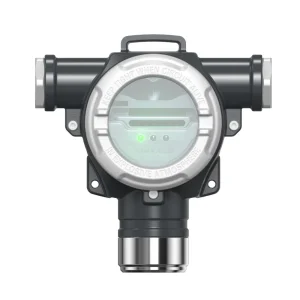
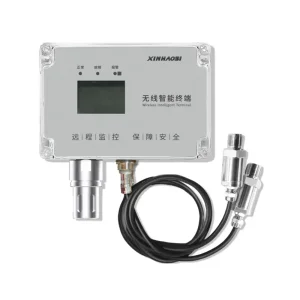
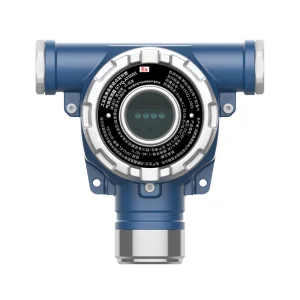
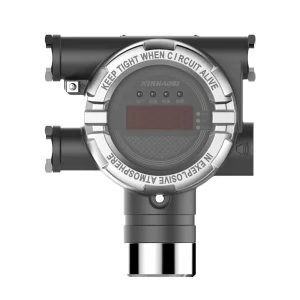
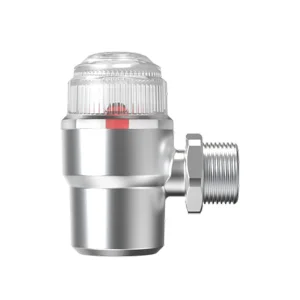
Explore our premium range of gas detection modules, low-voltage power boxes, wireless intelligent terminals, and industrial-grade safety components engineered to seamlessly integrate with 120V Solenoid Valve networks.

Years of Industrial Excellence
Helium Leak-Tested Valves
Safety Integrity Capability
Global Exporting Territories
In modern industrial fluid automation and safety shut-off systems, the 120v solenoid valve serves as a critical actuator. Utilizing 120V AC power—the standard distribution voltage across North American and international grid infrastructures—these valves convert electrical energy directly into mechanical force. This enables instantaneous control over the flow of explosive gases, steam, water, and volatile chemicals.
When engineering emergency response networks, system designers prioritize the 120V configuration due to its optimal balance between high electromotive force and standard installation compatibility. It eliminates the need for auxiliary step-down power transformers, reducing overall system complexity, potential failure points, and installation costs.
From direct-acting designs to pilot-operated assemblies, selecting the appropriate valve requires careful consideration of fluid dynamics, minimum operating differential pressures, and explosive classification ratings to ensure lifetime dependability.

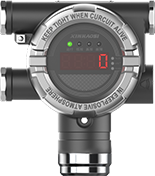
Detection Systems & Safety First from Precision Sensing

Gas Detectors & Home Safety from Gas Monitoring
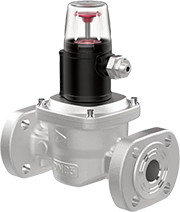
Gas Solenoid Valves & Protecting from the Source
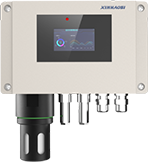
Distribution & Monitoring & Smart Sensing for Urban Gas
An in-depth analysis of the evolving technological standards, procurement frameworks, and macro integration architectures guiding global engineering decisions.
Modern 120v solenoid valves are no longer isolated mechanical components. The industry is moving rapidly toward integrating continuous feedback loops, diagnostic sensors, and digital bus communication protocols (such as Modbus or HART). This enables predictive maintenance algorithms to monitor coil impedance, internal temperature, and operating cycles, dramatically reducing unplanned system downtime.
For applications requiring valves to remain open or closed for extended periods, standard AC coils generate significant heat and consume excessive energy. The integration of electronic "peak-and-hold" circuits represents a major shift. The valve is energized with a brief 120V AC peak pulse to change state, then automatically scales down to a lower holding current, cutting energy usage by up to 85%.
With global transitions toward eco-friendly fuels and hydrogen blends, the chemical compatibility of solenoid valves is undergoing strict revisions. Sourcing lead-free brass, high-integrity 316L stainless steel, and specialized fluoroelastomer (FKM) or EPDM seals ensures long-term resistance to embrittlement, molecular leakage, and mechanical decay under demanding process parameters.
Enterprise procurement professionals are shifting focus from simple unit costs to Total Cost of Ownership (TCO) and long-term compliance verification. Sourcing a high-performance 120v solenoid valve requires rigorous manufacturer auditing across three main categories:
Future Ready
X is the intersection of invisible hazards and cutting-edge resolution. We utilize advanced electronic detection technology to make unknown gas leak risks clear and visible, providing real-time situational awareness for complex facilities.
Founded in 2003, Xinhaosi is one of the most influential and reliable brands in the gas safety industry. We provide customer-focused products and services to safeguard the safe operation of every factory, the comfort of every city, the peace and happiness of every home. Powered by cutting‑edge production systems and technology, we deliver more advanced, intuitive, and precise gas safety solutions for shaping a safer future world.
More About Us

A typical high-quality safety loop integrates sensing, control, and actuation into a unified protective shield. In commercial kitchens, chemical plants, and municipal gas operations, relying on manual valves during a hazard is insufficient. We design and deliver end-to-end safety systems that protect your assets autonomously:
Step 1: Detection: High-precision combustible gas detectors (such as our JT-AT2005 or residential/commercial units) continuously monitor environmental air. If gas concentrations exceed predefined safety levels (e.g., 10% LEL), they immediately flag an alarm.
Step 2: Command: The detection node transmits a signal to an interlock control box or centralized panel. The panel coordinates the emergency response by flashing sirens, sending remote telemetry updates, and interrupting power channels.
Step 3: Shutoff: The control box triggers the 120v gas solenoid valve (such as the XF3 Series normally-opened safety shutoff valve), cutting off fuel lines at the source in under 50 milliseconds. This proactive loop eliminates safety blindspots, containing hazards before they escalate.
Solutions
Empowered by technology, Full-chain integration, Comprehensive protection, Shaping the future with intelligence.
More About SolutionsBuilding trusted alliances with leading entities worldwide to deliver safer environments and compliant municipal, commercial, and industrial gas distribution networks.
























Meeting code requirements across international borders while providing fast, reliable engineering assistance.
Navigating global regulatory landscapes requires manufacturers to construct safety systems that strictly comply with local rules. Our 120V AC systems and solenoid configurations align with international standards:
To reduce shipping times and assist project designers, we maintain application engineering hubs globally. Our field engineers can review CAD schematics, perform sizing calculations, and help select the correct pressure ratings. This local support minimizes design errors, keeps project approvals on track, and coordinates localized spare parts distribution to prevent maintenance delays.
Detailed answers to technically demanding questions regarding selection, wiring, operation, and lifetime performance of 120v solenoid valves.
Stay tuned for the latest updates from Xinhaosi & the Industry.
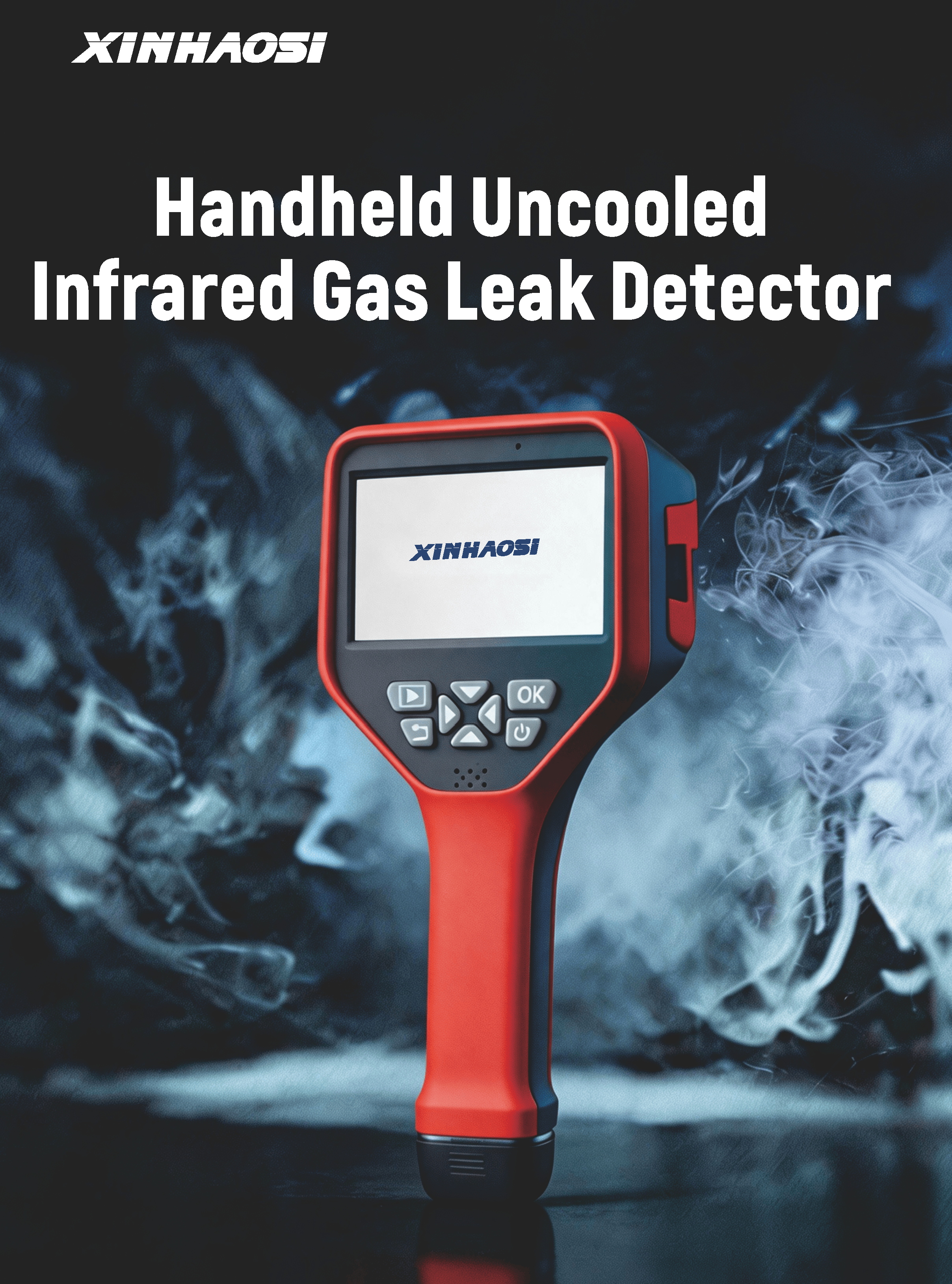
Xinhaosi Electronic Detection Technology Co., Ltd. officially launched its new Handheld Uncooled Infrared Gas Leak Detector, featuring dual-technology fusion, ultra-fast response, and long-distance non-contact detection to enhance safety and efficiency in petrochemical, refrigeration, natural gas and industrial safety scenarios.
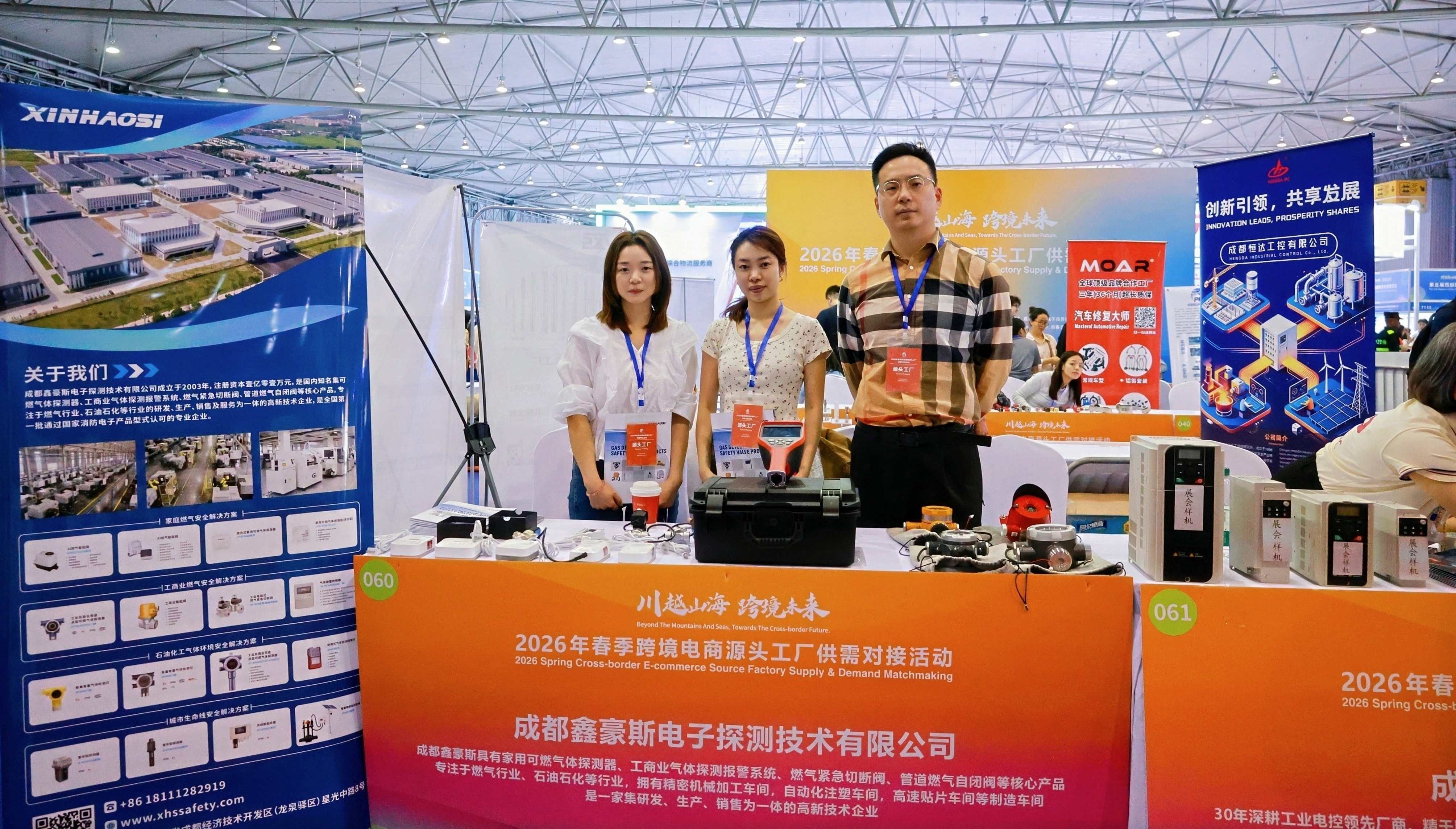
XINHAOSI recently participated in the 5th Western China Cross-Border E-Commerce Expo held in Chengdu. The event brought together cross-border e-commerce platforms, global buyers, manufacturers, and supply chain companies, creating new opportunities for international business cooperation and overseas market development.

XINHAOSI recently participated in the 2026 Sichuan (Chengdu) – Indonesia Industry Matchmaking Conference held in Chengdu. The event gathered enterprises and industry representatives from China and Indonesia to strengthen industrial cooperation and explore new business opportunities in Southeast Asia.
Explore our industrial range of gas solenoid valves, oxygen monitoring detectors, explosion-proof units, and interlock control components designed for professional fluid management.