Engineered to prevent leaks, monitor system pressures, and secure automated production environments.
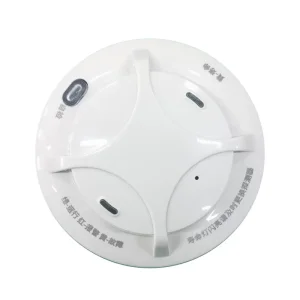
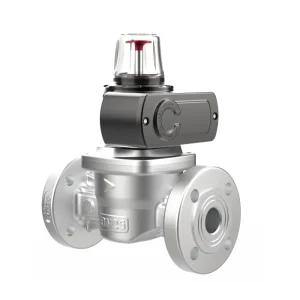

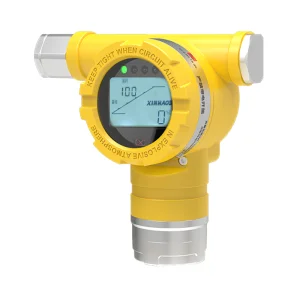
In complex commercial heating, petrochemical extraction, municipal distribution, and large-scale industrial manufacturing, gas flow management is a cornerstone of operational safety and efficiency. A 2-inch gas valve (DN50) serves as a vital junction control unit. Operating at this pipe scale demands precise pressure attenuation, tight bubble shutoff capabilities, and compatibility with automated emergency response systems.
Procuring these systems involves looking beyond general mechanical specifications. Modern energy transition strategies mandate that safety valves support aggressive pressure ranges, withstand extreme thermal cycles, and adapt to corrosive media. By integrating cutting-edge materials science with intelligent sensing technologies, modern factories ensure process reliability, protect personnel, and maintain compliance with stringent environmental standards.
This whitepaper offers a comprehensive look at global supply chain requirements, technical specifications, and the engineering frameworks that make modern gas safety systems possible.

Understanding critical engineering metrics and global compliance pathways for commercial gas valve supply chains.
For high-pressure lines, procurement teams rely on cast steel (WCB), forged carbon steel (A105), or premium stainless steel (CF8M/316). These choices minimize the risk of stress corrosion cracking. Internal trim elements must meet NACE MR0175/ISO 15156 standards when exposed to sour gas (H2S).
Valves must interface with modern Distributed Control Systems (DCS) or safety-instrumented systems (SIS). Electromagnetic solenoid actuation dominates emergency shutdown valves (ESDVs), while heavy-duty industrial burners use pneumatic or electric actuators for modulated control.
To safely manage flammable media, valves must hold international certifications. These include API 6D for pipeline configurations, API 607 / ISO 10497 for fire-safe performance, and ATEX/IECEx certifications for electrical components in hazardous locations.

Founded in 2003, Xinhaosi has established itself as an authoritative leader in the gas safety industry. By leveraging advanced electronic detection technology, we make hidden hazards and complex gas leak dynamics completely visible. This capability allows plants to transition from reactive maintenance to proactive risk mitigation.
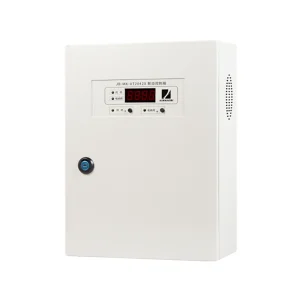
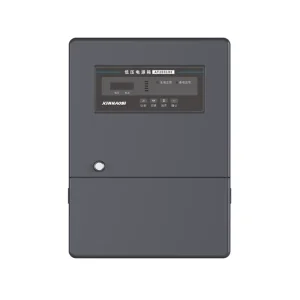
We deliver highly integrated safety ecosystems. These combine precise municipal gas sensors, industrial gas solenoid valves, and interlock control panels, helping protect infrastructure around the globe. Our advanced manufacturing systems ensure every 2-inch valve and gas sensor meets strict performance tolerances.
Combining mechanical valves with digital sensing architectures to safeguard high-risk environments.
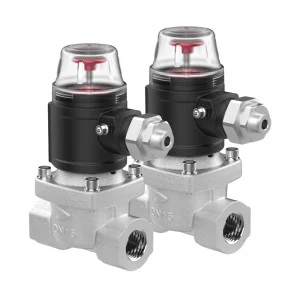
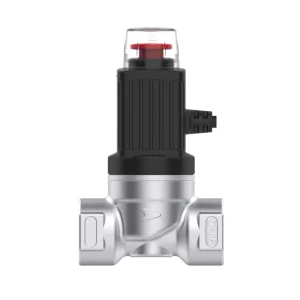
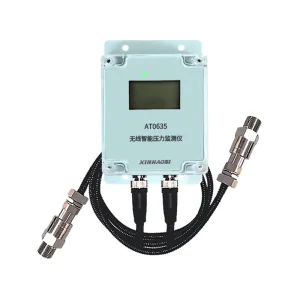
City gas grids demand high safety margins. Our DN50 (2-inch) valves serve as emergency shutoff units at district gateways. They link directly to smart pressure monitors and remote gas detectors, cutting off supply lines immediately if a pressure drop or pipe rupture is detected.
Large commercial facilities require fast-closing valves on boiler gas trains. Our 2-inch normally open solenoid valves respond in less than a second to signals from household/commercial combustible gas detectors. This rapid response helps prevent gas accumulation in closed boiler halls.
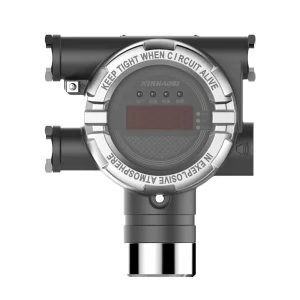
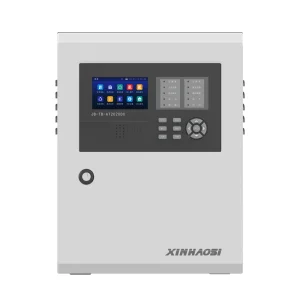
Petrochemical and steel processing plants generate heavy vibrations and handle corrosive gases. Our explosion-proof detectors (such as the GTYQ-XP3000 and GTQ-XP4000) pair with heavy-duty control panels to shut down local gas mains before concentrations reach lower explosive limits (LEL).
The international flow control landscape is evolving to support cleaner energy carrier gases. To keep pace, our technology roadmap emphasizes smart capabilities and hydrogen compatibility:
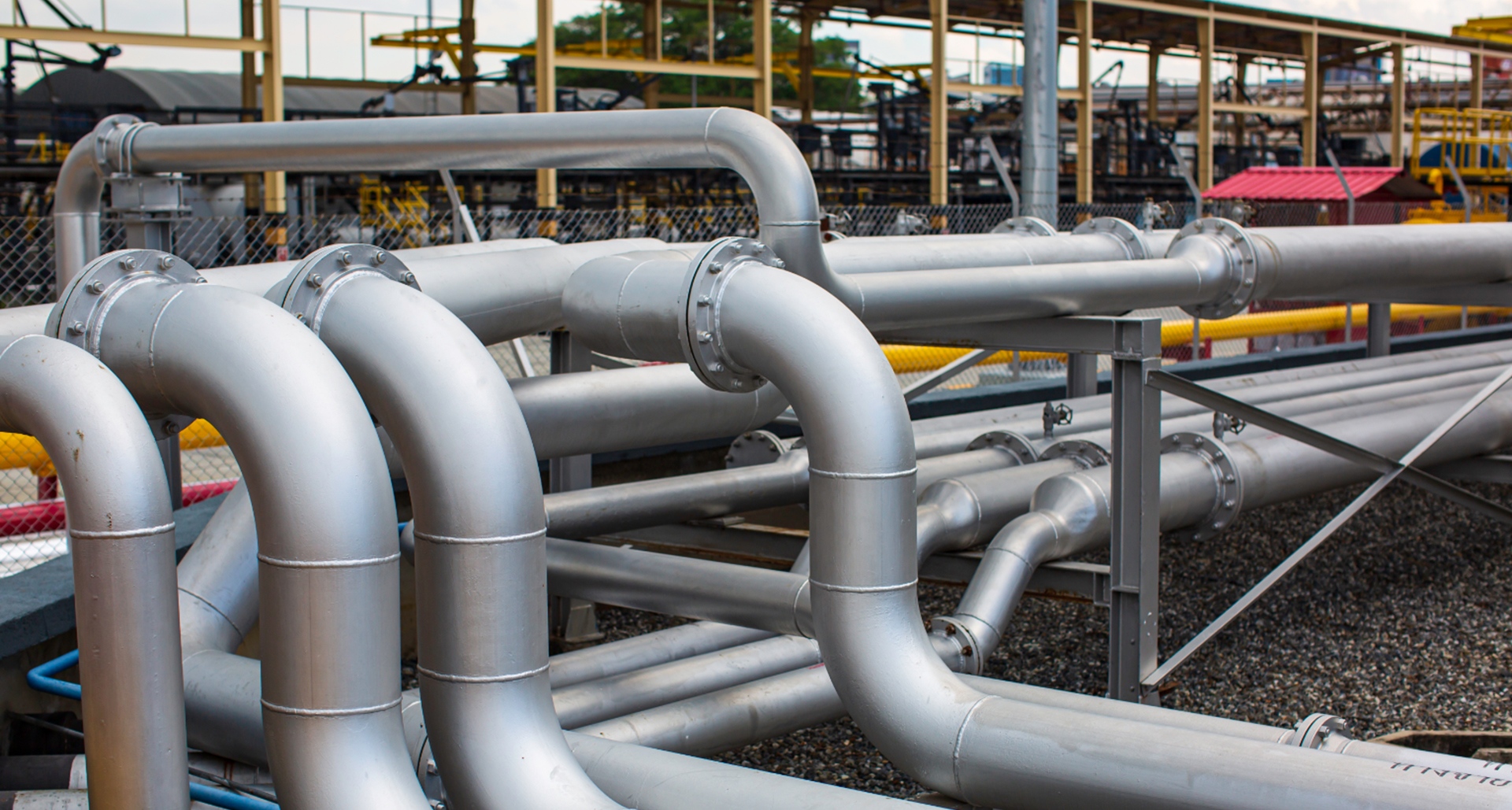
Providing regional assistance, certified compliance documentation, and system design advice worldwide.
In high-hazard process industries, safety functions rely on SIL (Safety Integrity Level) ratings. Our valves and controllers undergo failure mode effects and diagnostic analyses (FMEDA) to ensure they meet rigorous safety standard targets.
We work with regional integration partners to offer swift setup assistance, valve maintenance, and calibration training. This helps ensure your local operations align with national safety protocols.
Every industrial gas valve is shipped with standard mill test certificates (EN 10204 3.1). These documents detail chemical composition and mechanical testing results, helping procurement teams confirm material authenticity.
Detailed technical answers for pipeline engineers, procurement managers, and plant safety leads.
Trusted by industrial operators, engineering firms, and municipal gas authorities worldwide.






Stay informed on the latest product launches and international gas safety regulations.
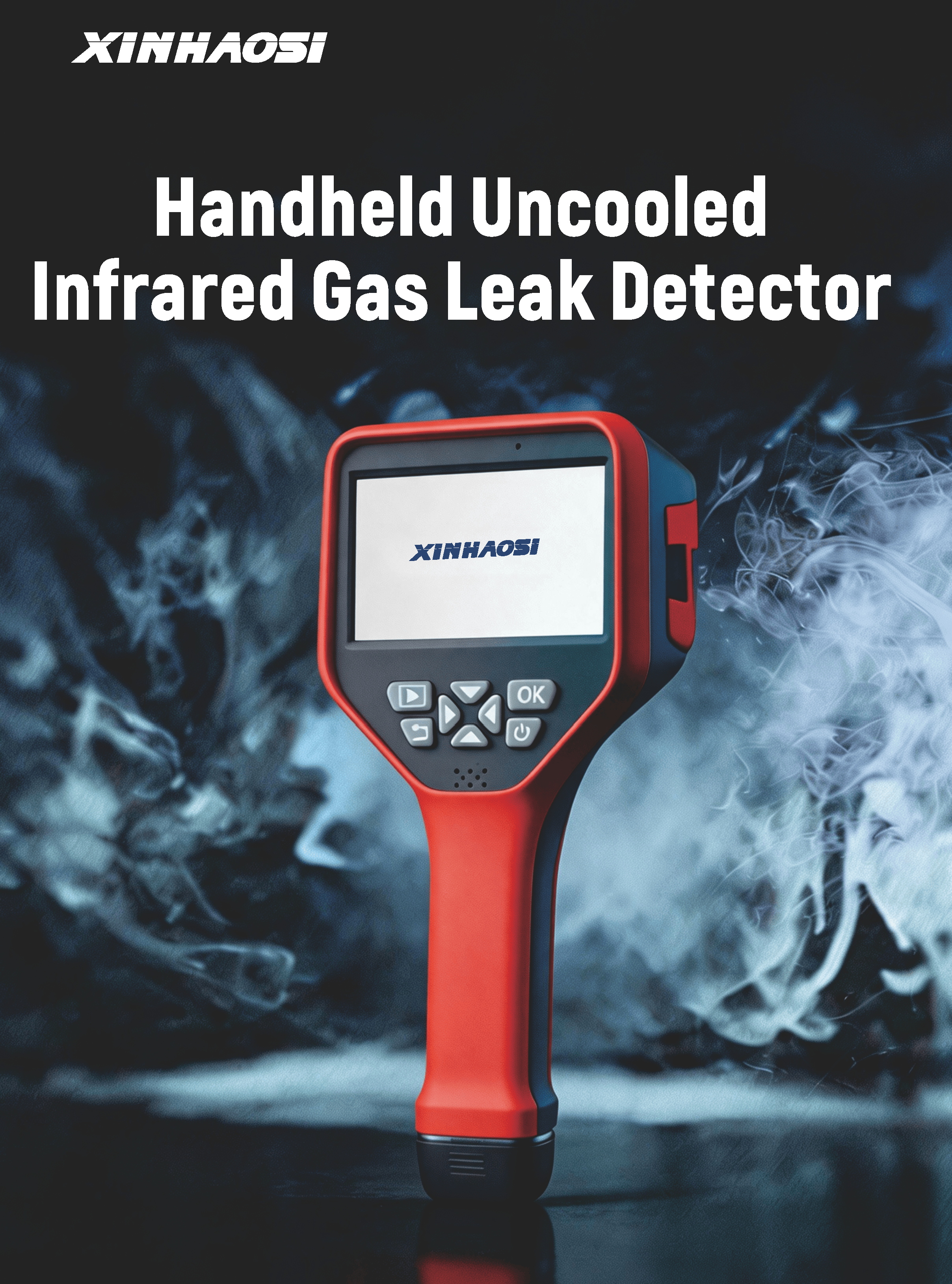
Featuring dual-technology fusion, ultra-fast response times, and long-range non-contact detection, our new handheld unit boosts safety and inspection efficiency in petrochemical, refrigeration, and municipal natural gas plants.
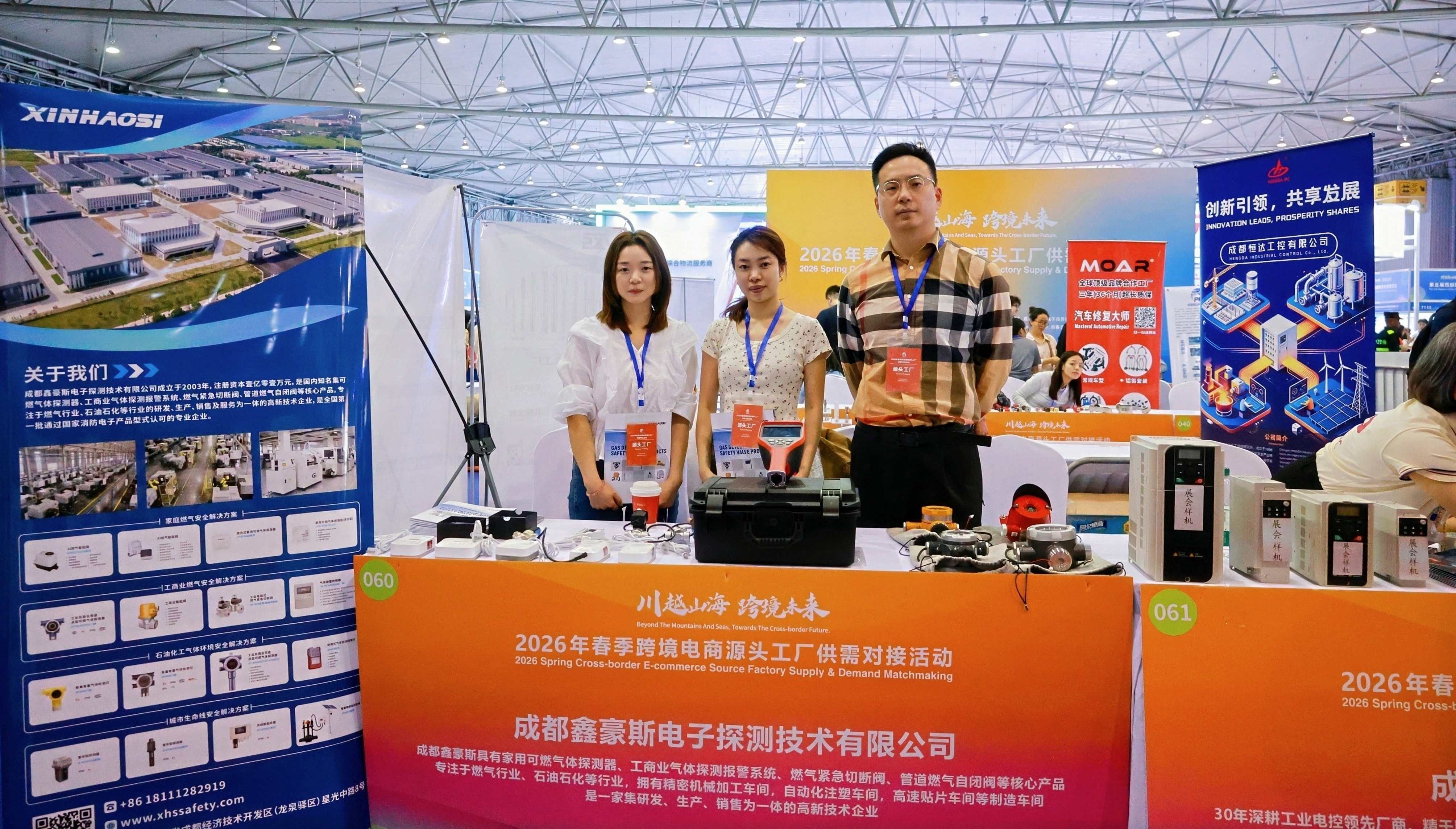
The Chengdu expo connected international buyers, industrial equipment manufacturers, and global supply chain specialists, opening new avenues for global engineering projects and partnerships.

We joined industrial leaders in Chengdu to discuss energy transition strategies and municipal safety infrastructure projects in fast-growing Southeast Asian markets.
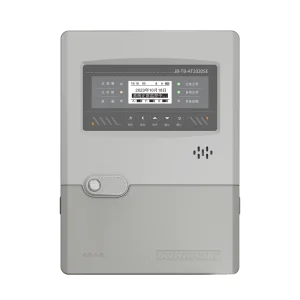
High-grade monitoring systems and interlock panels to complete your safety shutdown loop.