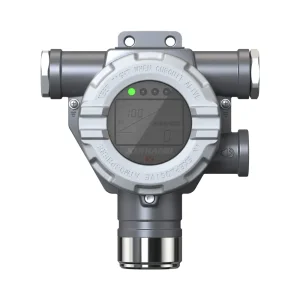
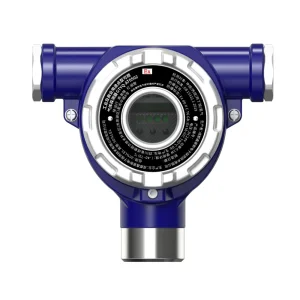
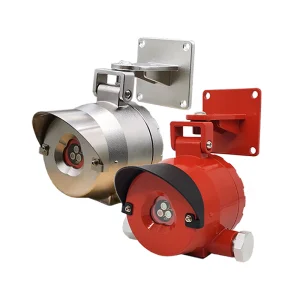
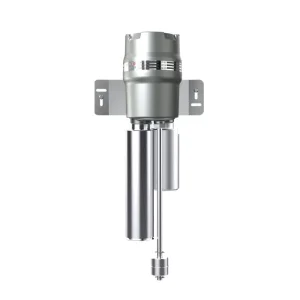
Explore our highly integrated field instrumentation manufactured in compliance with ISO9001 and explosion-proof regulatory directives.
क्लोरीन/Chlorine (Cl₂) is one of the most widely manufactured chemical agents worldwide, yet it presents severe toxicity profiles requiring high-integrity industrial safety supervision.
Chlorine gas is highly reactive, yellowish-green, and heavier than air, posing immediate asphyxiation and lung trauma hazards. High-precision chlorine gas detectors are legally mandated in locations handling Cl₂. Current OSHA permissible exposure limits (PEL) are tightly set at 0.5 ppm to ensure worker safety.
With massive growth across the chlor-alkali sector, municipal wastewater engineering, and agricultural synthesis pipelines, the requirements for functional gas detection networks are surging. Emerging micro-sensor modules integrate with legacy SCADA platforms to minimize total cost of ownership.
Industrial clients prioritize factories offering proven test certifications (ATEX, IECEx, SIL2). Our engineering standard focuses on zero-drift architectures and long-term chemical cell viability in extreme operational temperature zones.
A comparative look at standard gas sensing methodologies deployed across high-risk manufacturing sites.
| Target Gas | Primary Sensor Technology | Typical Range | Response Time (T90) | Typical Application Area |
|---|---|---|---|---|
| Chlorine (Cl₂) | 3-Electrode Electrochemical Cell | 0 - 10 / 20 ppm | < 30 seconds | Water Treatment Plants, Pulp Mills, Chlor-alkali |
| Combustible Gas (CH₄, C₃H₈) | Catalytic Bead / Infrared (IR) | 0 - 100% LEL | < 15 seconds | Refineries, Heavy Industries, Household Safety |
| Hydrogen Sulfide (H₂S) | Electrochemical Cell | 0 - 100 ppm | < 30 seconds | Petrochemical Refining, Sewer Monitoring |
| Carbon Monoxide (CO) | Electrochemical Cell | 0 - 500 ppm | < 25 seconds | Boiler Rooms, Urban Domestic Facilities |
Founded in 2003, Xinhaosi is one of the most influential and reliable brands in gas safety industry. We provide customer-focused products and services to safeguard the safe operation of every factory, the comfort of every city, the peace and happiness of every home. Powered by cutting-edge production systems and technology, we deliver more advanced, intuitive, and precise gas safety solutions for shaping a safer future world.
We utilize advanced electronic detection technology to make unknown gas leak risks clear and visible. Our continuous development ensures the preservation of environmental health and commercial capital equipment integrity globally.

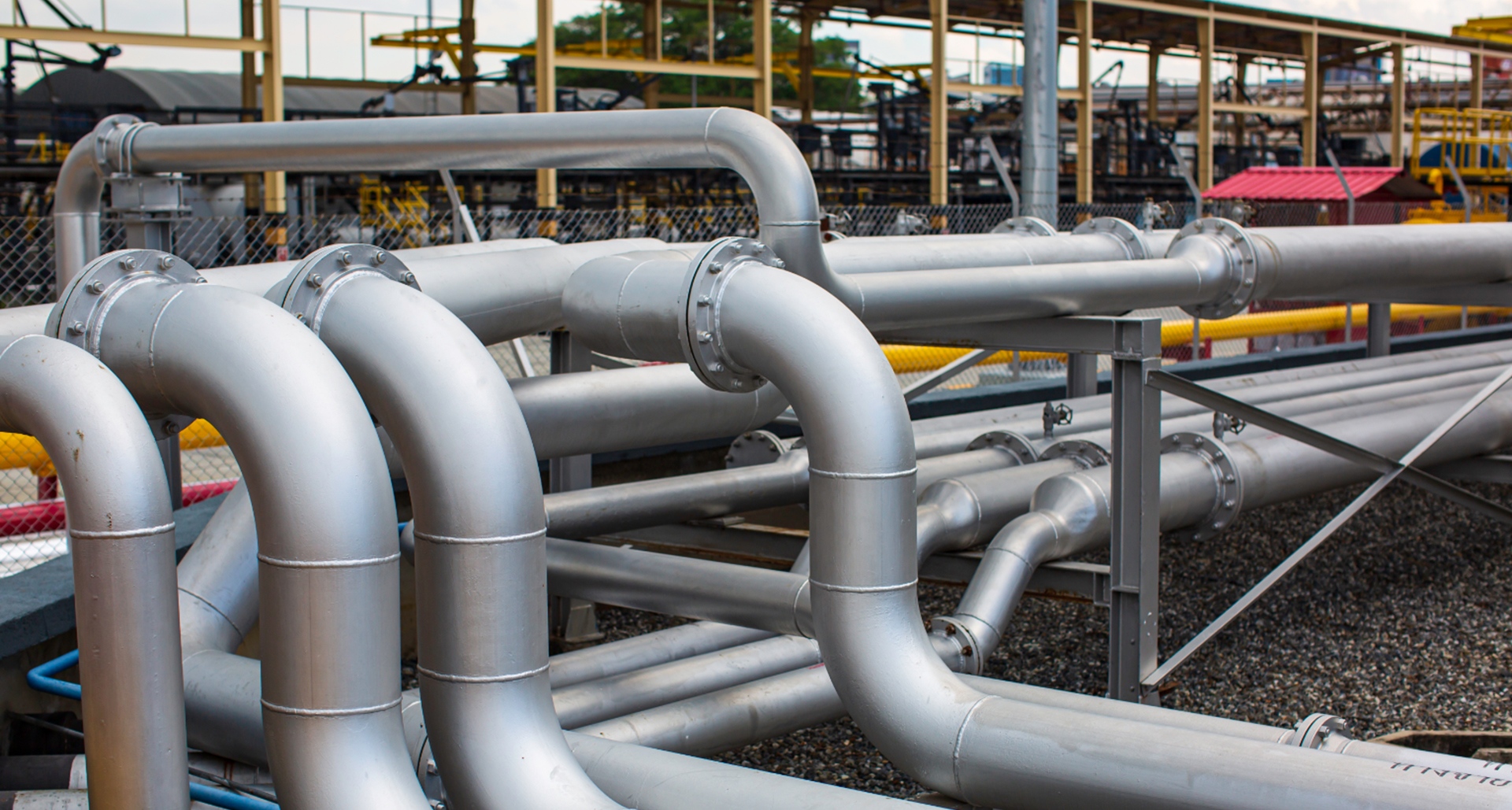
The transition from mechanical analog components to cloud-enabled intelligent electrochemical sensing.
Traditional liquid electrolyte sensors suffered from accelerated evaporation in dry regions. Today, factories leverage dry electrolyte architectures with high mechanical stability, preventing sensor leakage and sensor drift over 24-month operational periods.
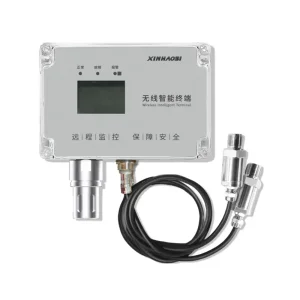
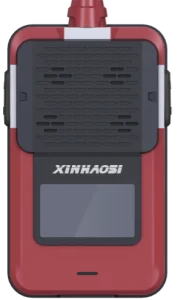
Through modern frameworks such as the GT-AT0636 Series Wireless Intelligent Terminal, plants run gas monitors on low-power mesh networks. This reduces overall structural installation overhead by removing heavy copper wire trenches.
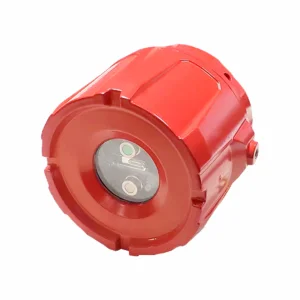
By blending UV flame scanning alongside toxic gas electrochemical signals, our control platforms handle industrial hazard vectors instantaneously, lowering reaction thresholds to < 10s.
Empowered by technology. Full-chain integration, Comprehensive protection, Shaping the future with intelligence. Our complete hardware configurations bridge point sensors directly to remote safety valves.
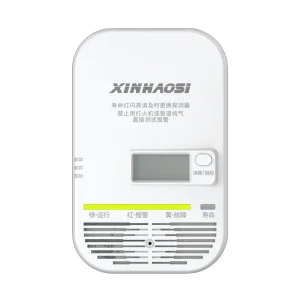
Smart Sensing solutions tailored to municipal transmission lines.
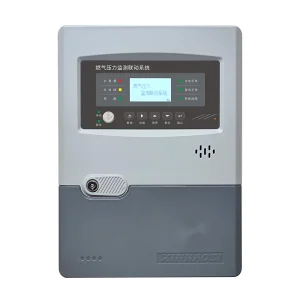
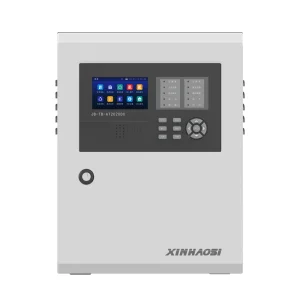
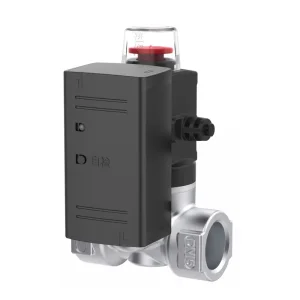
Fail-safe controllers executing automated gas line closures.
How and where to safely install fixed and portable chlorine monitoring devices to comply with national safety codes.
Chlorine is highly used as a bactericide. Gas monitors should be mounted near chlorinator valves and chemical storage rooms, 30cm above the floor because chlorine is heavier than air and sinks to low points.
Bleaching operations release traces of Cl₂. Corrosion-proof housing (such as robust IP66/IP67 rated enclosures) is absolutely vital to protect the detector's internal circuit board from acidic degradation.
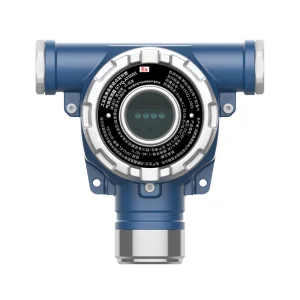
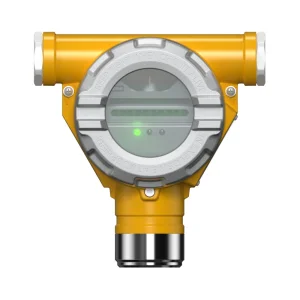
Electrolysis zones require complete system isolation. Explosion-proof designs (ATEX Zone 1 rated transmitters like the GTYQ-AT0501) prevent local ignition risks during sudden gas releases.
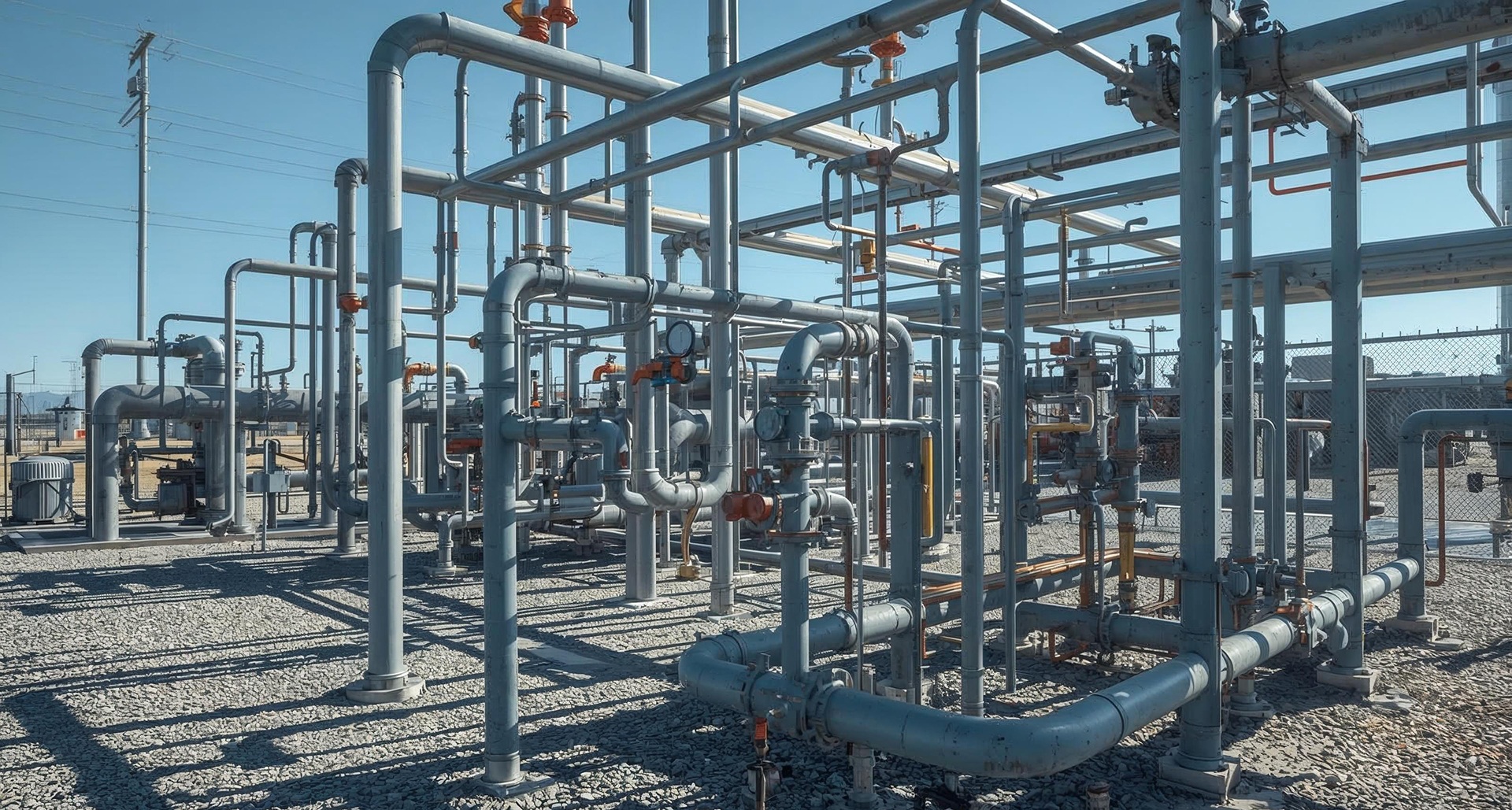
Robust engineering options for challenging petrochemical and industrial environments.
Providing custom industrial gas sensing integration across our global client infrastructure.








Stay tuned for the latest updates from Xinhaosi & the Industry.
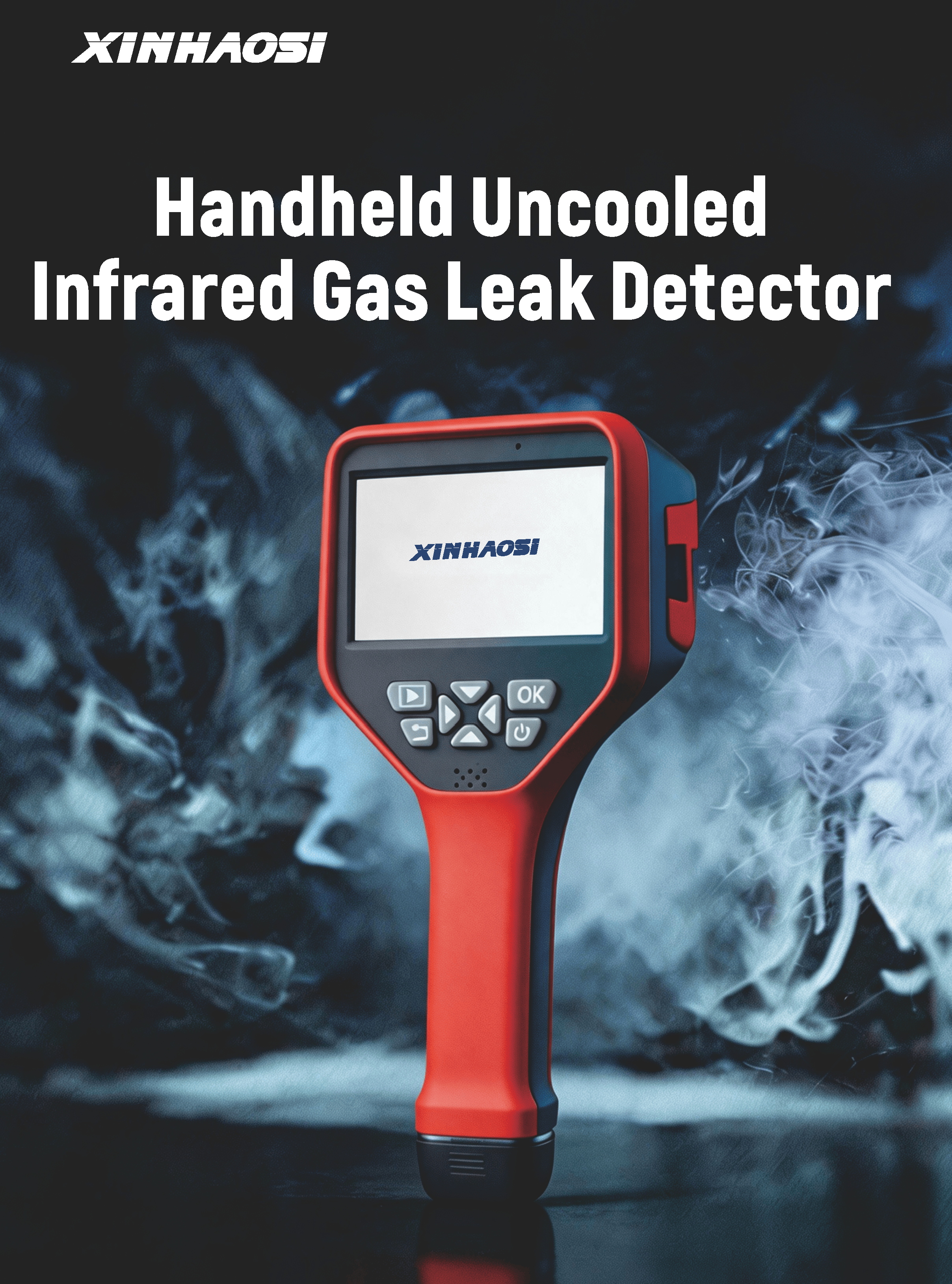
Xinhaosi Electronic Detection Technology Co., Ltd. officially launched its new Handheld Uncooled Infrared Gas Leak Detector, featuring dual-technology fusion, ultra-fast response, and long-distance non-contact detection to enhance safety and efficiency in petrochemical, refrigeration, natural gas and industrial safety scenarios.
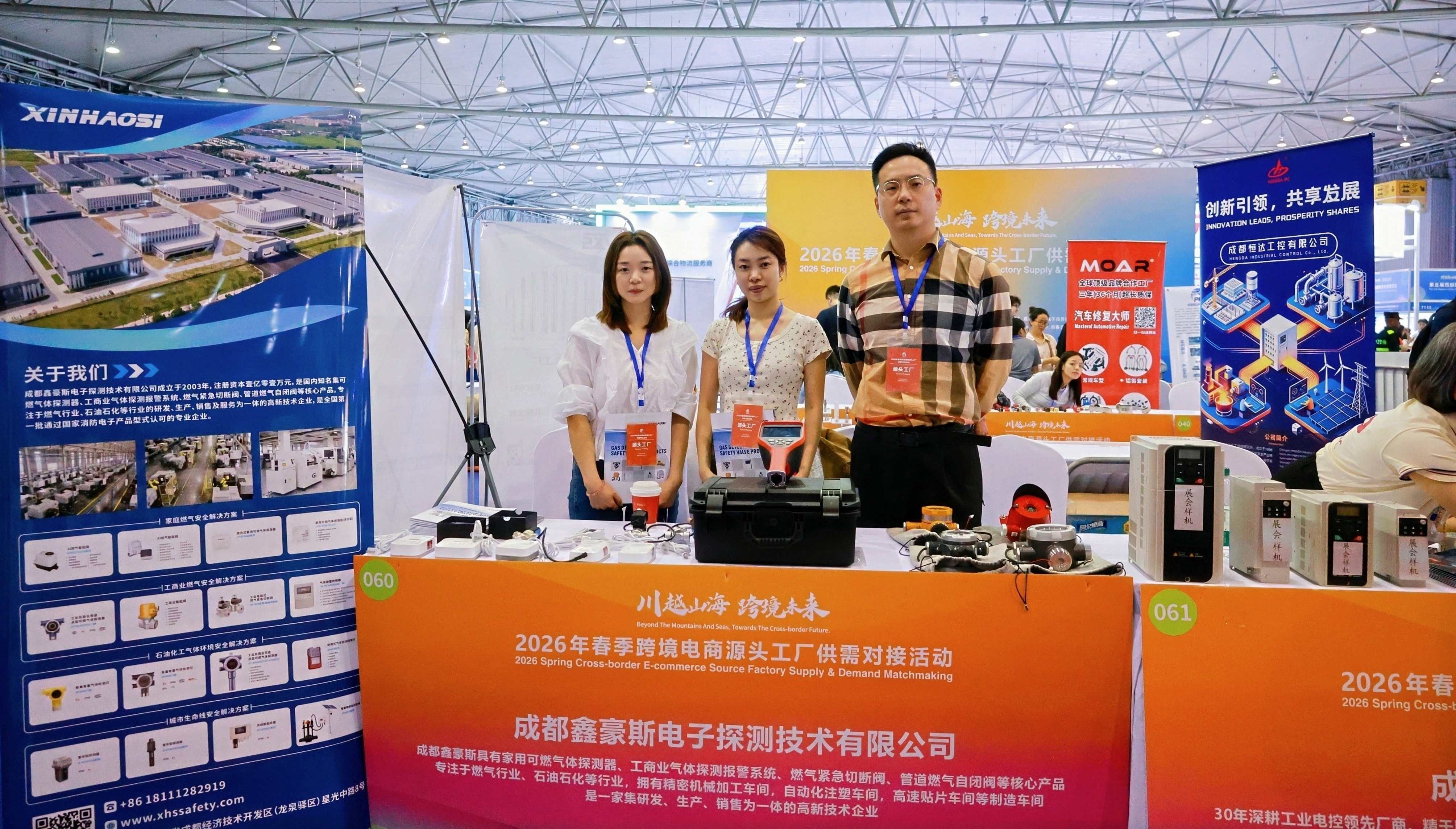
XINHAOSI recently participated in the 5th Western China Cross-Border E-Commerce Expo held in Chengdu. The event brought together cross-border e-commerce platforms, global buyers, manufacturers, and supply chain companies, creating new opportunities for international business cooperation and overseas market development.
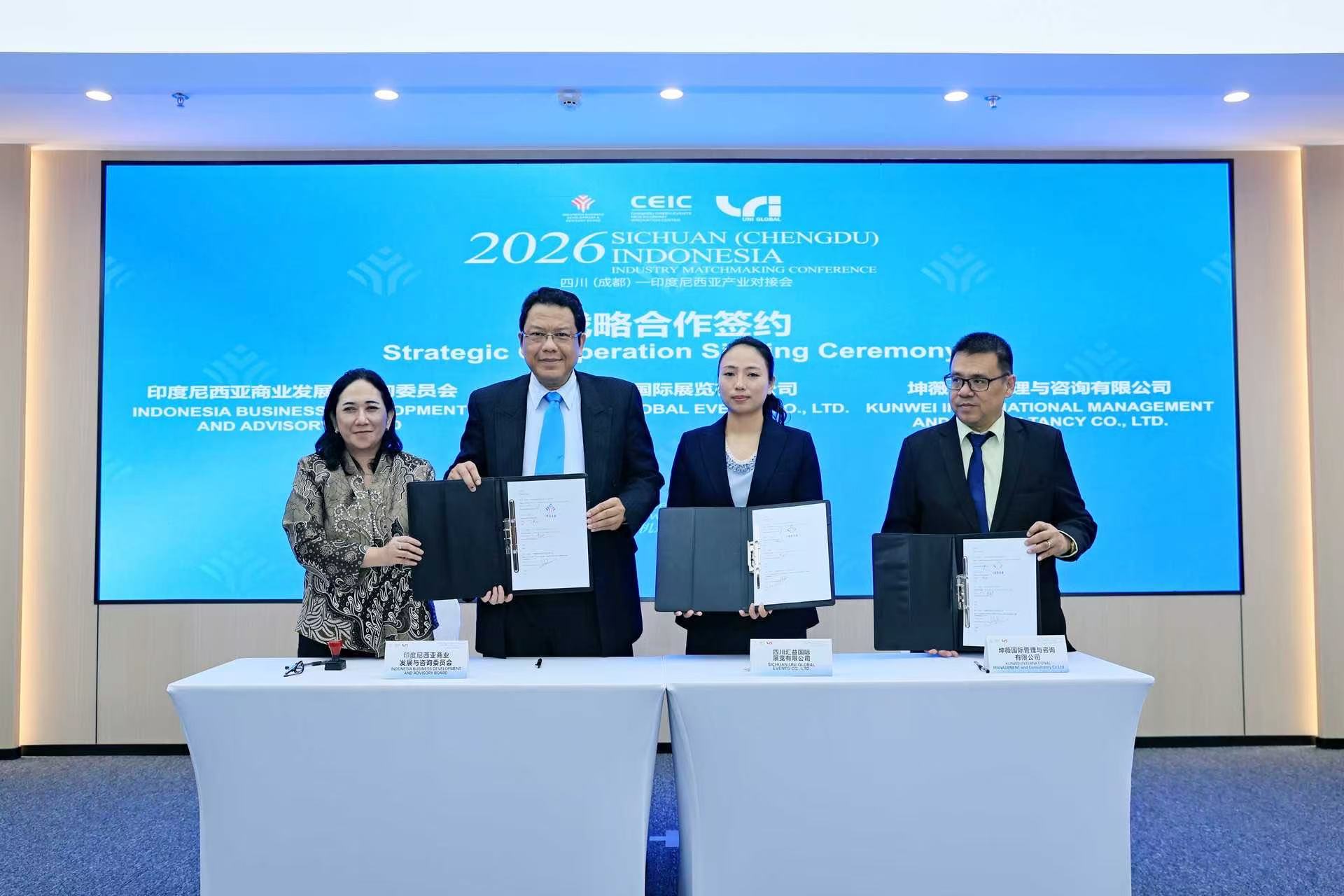
XINHAOSI recently participated in the 2026 Sichuan (Chengdu) – Indonesia Industry Matchmaking Conference held in Chengdu. The event gathered enterprises and industry representatives from China and Indonesia to strengthen industrial cooperation and explore new business opportunities in Southeast Asia.
Providing clear, authoritative engineering answers regarding chlorine sensor deployment, calibration, and hazard compliance.