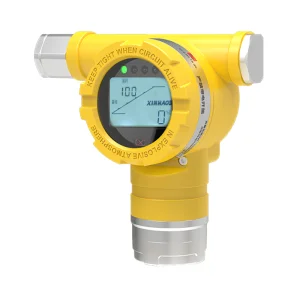
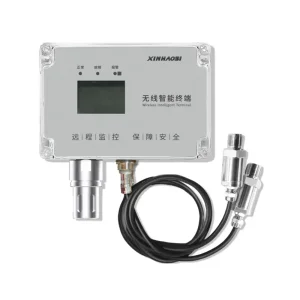
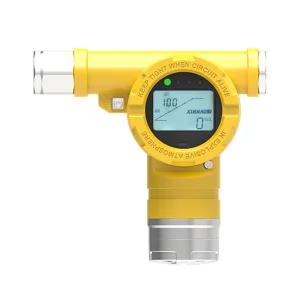
Explore our flagship, highly-certified combustible gas alarms, controllers, and smart shut-off safety systems engineered for zero-failure protection.
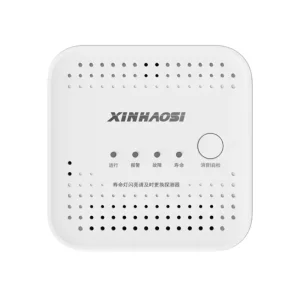
In modern industrial manufacturing and urban municipal management, combustible gas management represents one of the most critical safety vectors. Founded in 2003, Xinhaosi has established itself as one of the most influential, technologically advanced, and reliable brands in the global gas safety industry. Our primary objective is to safeguard every facility, optimize the comfort of modern smart cities, and protect residential developments through robust, failsafe monitoring technologies.
Our operational philosophy dictates that "X" represents not only the unknown threats of fugitive toxic and explosive gases, but also the dynamic evolution of safety barriers. By utilizing advanced multi-channel electronic detection, infrared imaging, and cloud-linked IoT configurations, we make latent risks visible, controllable, and manageable before they manifest into catastrophic events.
Over the past two decades, we have continuously reinvested in R&D to improve sensor calibration stability, reduce response times (T90), and achieve stringent international certifications, ensuring that our clients receive gas safety systems that deliver undisputed reliability.


Our fully integrated solutions connect gas leak sensing with automatic line isolation and remote telemetry to minimize human error and downtime.
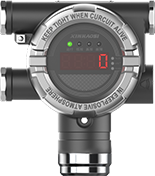
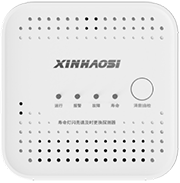
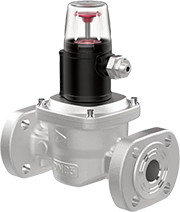
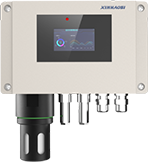
Our commitment to rigorous design parameters, precision calibration, and zero-compromise validation defines our E-E-A-T background.
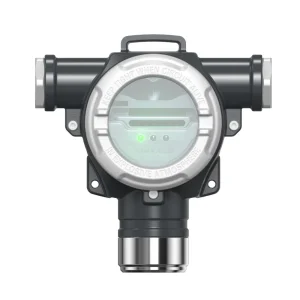
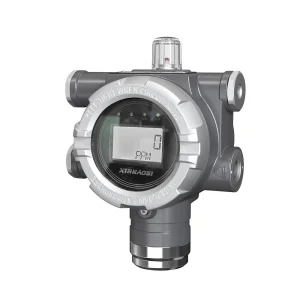
In safety critical operations, relying on a single gas alarm configuration can introduce systemic failure points. As professional combustible gas alarm manufacturers, we design systems that combine multiple detection principles depending on the target environment:
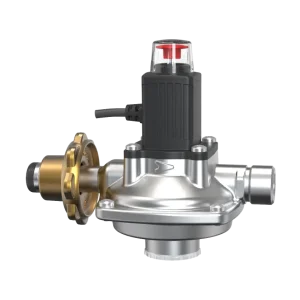
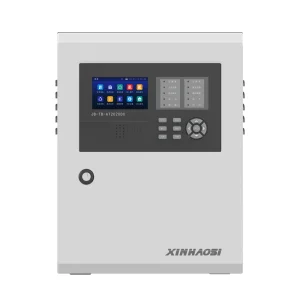
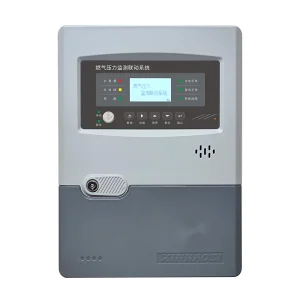
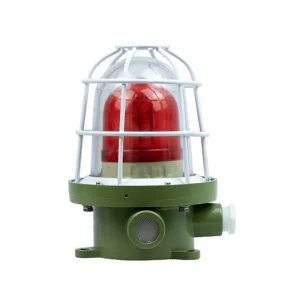
Furthermore, our advanced control units like the JB-TB-AT2020DX Gas Detector Controller act as localized safety nodes, evaluating multiple 4-20mA or RS485 Modbus RTU signals simultaneously. When threshold limits (Low alarm 20% LEL, High alarm 50% LEL) are crossed, integrated relays immediately trigger visual-acoustic systems, drop-out solenoid shut-off valves, and activate ventilation fans to prevent accumulation and ignition.
Every commercial application demand is governed by regional safety acts. In Europe, compliance with the ATEX Directive 2014/34/EU and EN 50194 is mandatory. In North America, UL 1484 (household) and UL 2075/UL 2013 (commercial/industrial) dictate sensor life, response latency, and electromagnetic compatibility parameters.
Our manufacturing and assembly lines utilize automated, trace-gas mixed calibration chambers that guarantee that each manufactured unit ships with certified deviation limits under +/-3% LEL. This rigorous quality control underpins the safety clearances required by global contractors, petrochemical yards, and metropolitan residential projects.
Key Application Spheres:

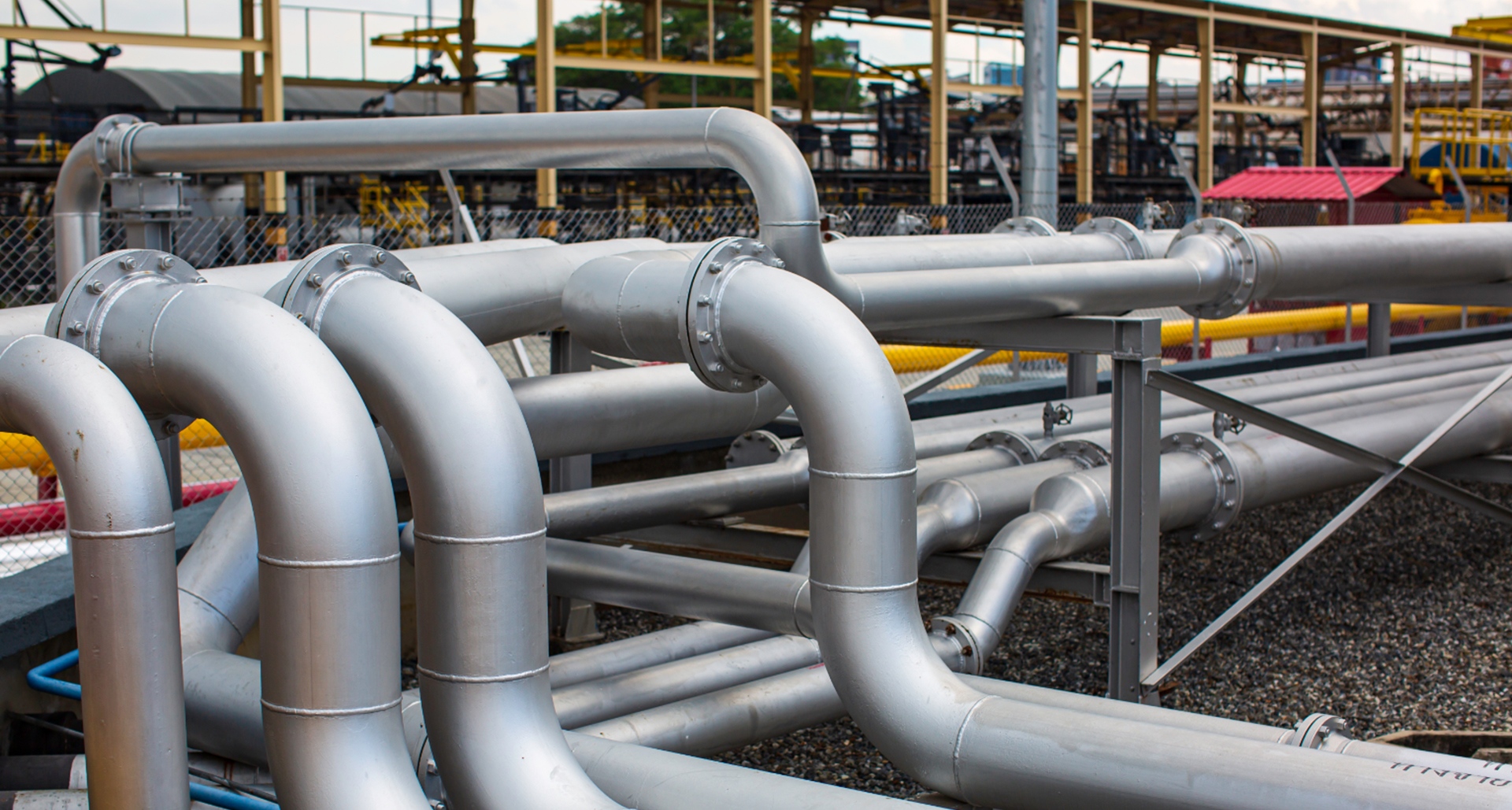
The next evolutionary step in industrial gas protection involves moving away from point-source detection to wide-area dynamic imaging. Relying solely on localized sensors means a gas plume must physically reach the sensor head to trigger an alert. In outdoor installations with high crosswinds, plumes can bypass point detectors entirely.
To address this critical security gap, Xinhaosi recently launched our new Handheld Uncooled Infrared Gas Leak Detector. This system employs optical gas imaging (OGI) technology, utilizing uncooled microbolometer cores to capture spectral absorption bands of fugitive gases in real time. It enables facility operators to identify leaks from safe distances without contact, mapping exact leak plumes on integrated visual displays.
Simultaneously, we are embedding predictive AI models into our central controllers. By evaluating historic sensor baseline fluctuations, humidity fluctuations, and pressure trends, the system can predict sensor degradation and trigger predictive maintenance tickets, ensuring zero downtime for critical safety systems.
Deep insights addressing the design, installation, calibration, and maintenance of modern combustible gas safety networks.
Trusted by top-tier industrial projects, municipal groups, and commercial builders globally.
























Stay tuned for the latest technology updates, product launch details, and trade show highlights from Xinhaosi.
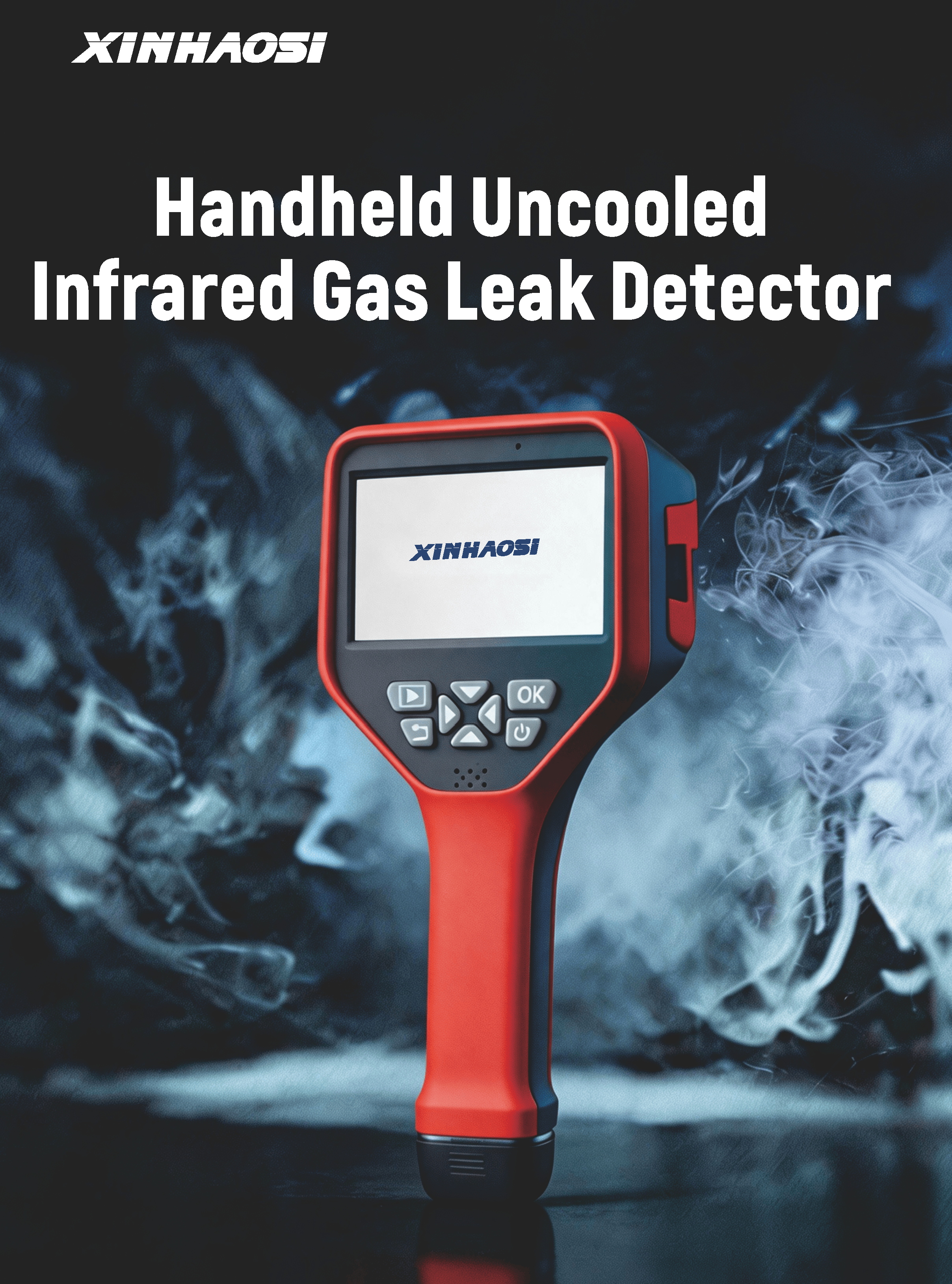
Xinhaosi Electronic Detection Technology Co., Ltd. officially launched its new Handheld Uncooled Infrared Gas Leak Detector, featuring dual-technology fusion, ultra-fast response, and long-distance non-contact detection to enhance safety and efficiency in petrochemical, refrigeration, natural gas and industrial safety scenarios.
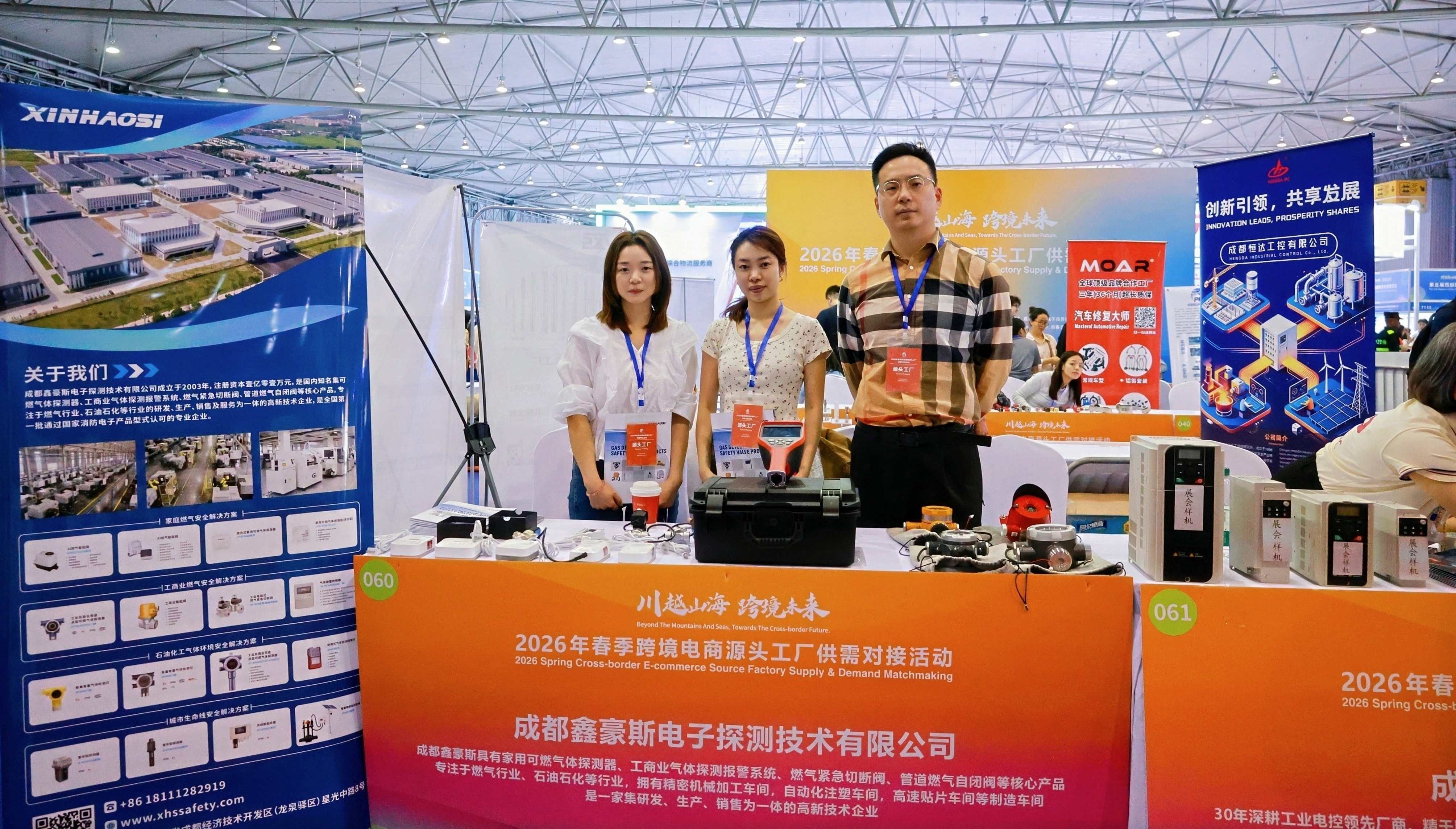
XINHAOSI recently participated in the 5th Western China Cross-Border E-Commerce Expo held in Chengdu. The event brought together cross-border e-commerce platforms, global buyers, manufacturers, and supply chain companies, creating new opportunities for international business cooperation and overseas market development.

XINHAOSI recently participated in the 2026 Sichuan (Chengdu) – Indonesia Industry Matchmaking Conference held in Chengdu. The event gathered enterprises and industry representatives from China and Indonesia to strengthen industrial cooperation and explore new business opportunities in Southeast Asia.
Browse our full range of explosion-proof monitors, safety alarm transmitters, and custom pressure regulators.