Factory-direct safety monitoring solutions certified for hazardous areas and domestic infrastructure protection.
Navigating compliance, sensor lifespans, and safety valve integrations in global energy distribution networks.
In industrial manufacturing, municipal infrastructure, and residential construction, the integrity of gas delivery systems is paramount. Even minor gas leaks pose catastrophic threats to human life, asset integrity, and the environment. As a leading manufacturer in the gas safety domain, Xinhaosi is committed to providing premium, certified gas detection machinery and smart safety valves. Our products are engineered to identify, isolate, and mitigate risks long before they escalate into hazardous events.
To meet the demands of modern gas systems, gas detection equipment must transition from reactive sensing to proactive, IoT-enabled environmental monitoring. This shift relies on integrating high-precision sensing technologies, including electrochemical, catalytic bead, metal oxide semiconductors (MOS), and Non-Dispersive Infrared (NDIR) sensors. Each technology plays a critical role in sensing combustible gases (such as methane, propane, and butane), toxic gases (such as carbon monoxide), and industrial compounds.

For global procurement officers, EPC contractors, and OEM distributors, choosing the right manufacturer is about more than sourcing hardware; it is about building a reliable supply chain. Sourcing from our state-of-the-art Chinese manufacturing facilities offers a competitive advantage. We combine high-volume production capabilities, strict compliance with international standards (ATEX, CE, RoHS, SIL), and a robust R&D framework that drives product improvement.
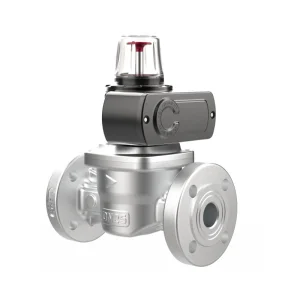
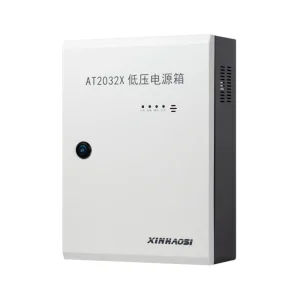
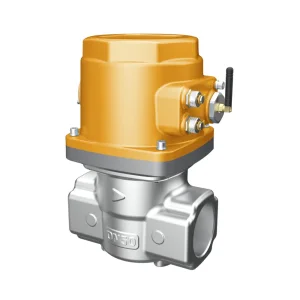
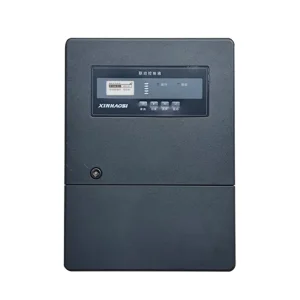
From our digital-twin-optimized production floor to our automated environment-testing chambers, we guarantee every unit is calibrated to perform in harsh industrial environments. Our specialized solutions, including the JB-MK-AT2041X Interlock Control Box and the BT-XF5 Series Industrial Gas Solenoid Valves, work together to provide automated isolation barriers that shut off gas flow the instant a leak is confirmed.
How we translate invisible threats into actionable telemetry, safeguarding environments since 2003.

The letter "X" stands at the center of our safety philosophy. In engineering, "X" represents variables and unknown hazards—the silent buildup of colorless, odorless gas that poses risk to industrial environments. In security, "X" stands for advanced protection. It represents the intersection of electronic sensing, smart algorithms, and automatic hardware isolation.
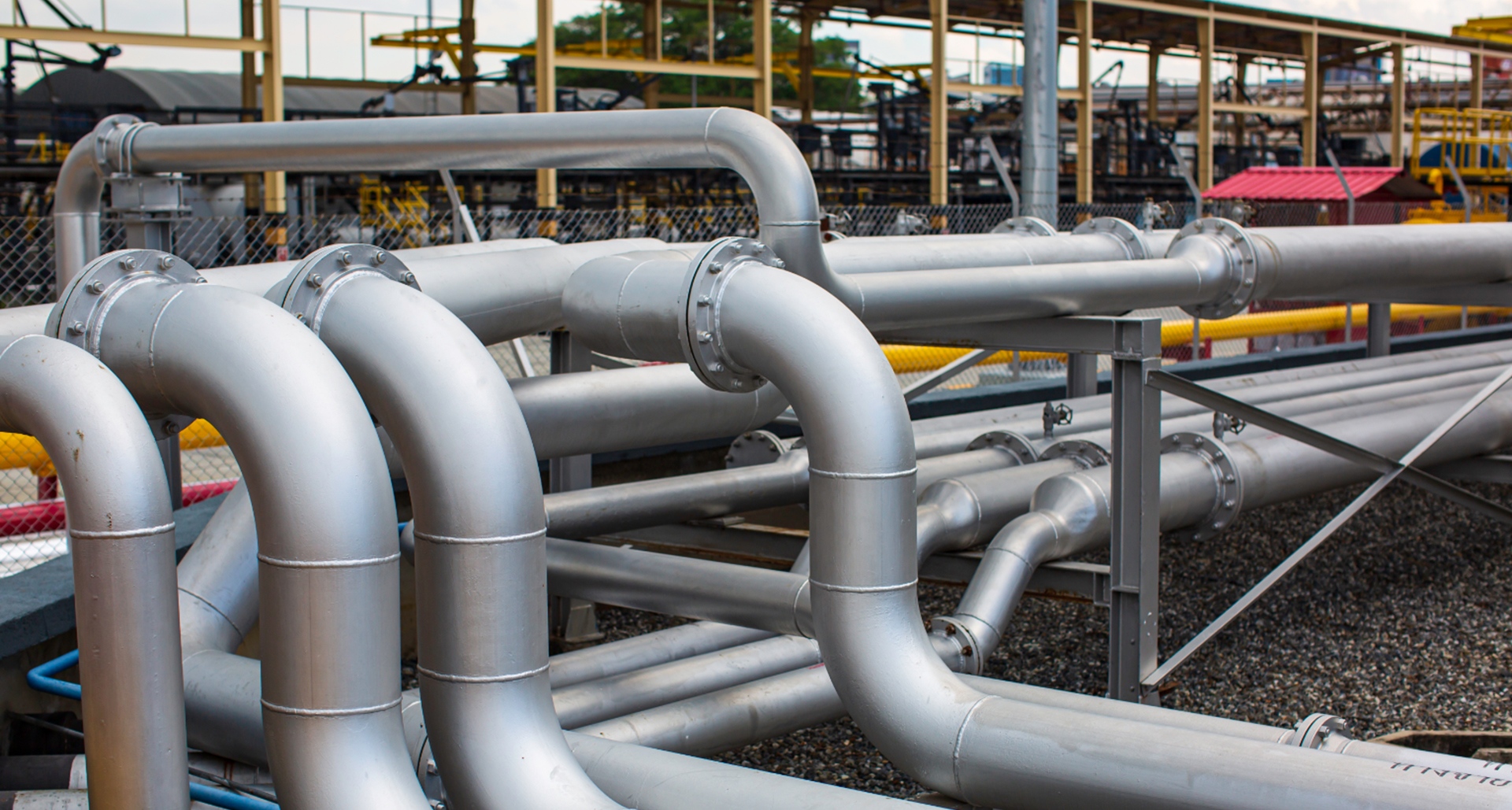
Founded in 2003, Xinhaosi Electronic Detection Technology Co., Ltd. has grown to become one of China's most trusted manufacturers of gas safety systems. For over two decades, our engineering teams have worked to turn unknown risks into visible, manageable data. Our integrated product lines protect industrial facilities, urban utilities, commercial venues, and residential homes worldwide.
Our facilities feature SMT automated assembly lines, high-precision laser welding, and dynamic environmental simulation chambers. This infrastructure ensures every sensor module achieves long-term stability with minimal baseline drift.
How our manufacturing ecosystem delivers premium technology at a competitive total cost of ownership.
From early-stage PCB prototyping and precision plastic injection molding to die-cast aluminum sensor enclosures and solenoid valve assembly, we keep all core production stages in-house. This vertical integration allows us to enforce strict quality control and maintain predictable lead times.
Sensor drift is a common point of failure for gas detection systems. Our factory uses automated calibration rigs that expose sensors to precise concentrations of target gases under controlled temperatures and humidity levels. This ensures accuracy and minimizes false alarms out of the box.
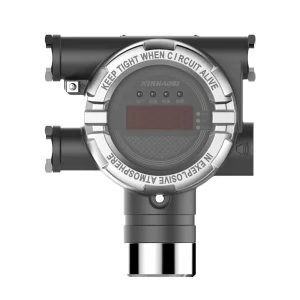
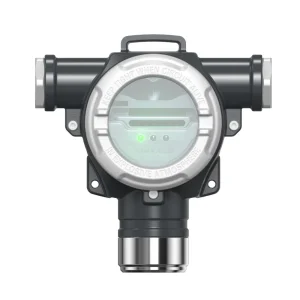
We manufacture to international standards, including CNEx, ATEX, and CE. Our explosion-proof products, like the GTYQ-XP3000 series, are built using heavy-duty cast aluminum or stainless-steel housings. They are designed to withstand industrial conditions and hazardous atmospheres without failure.
Tailored gas safety architectures designed to safeguard diverse high-risk environments.
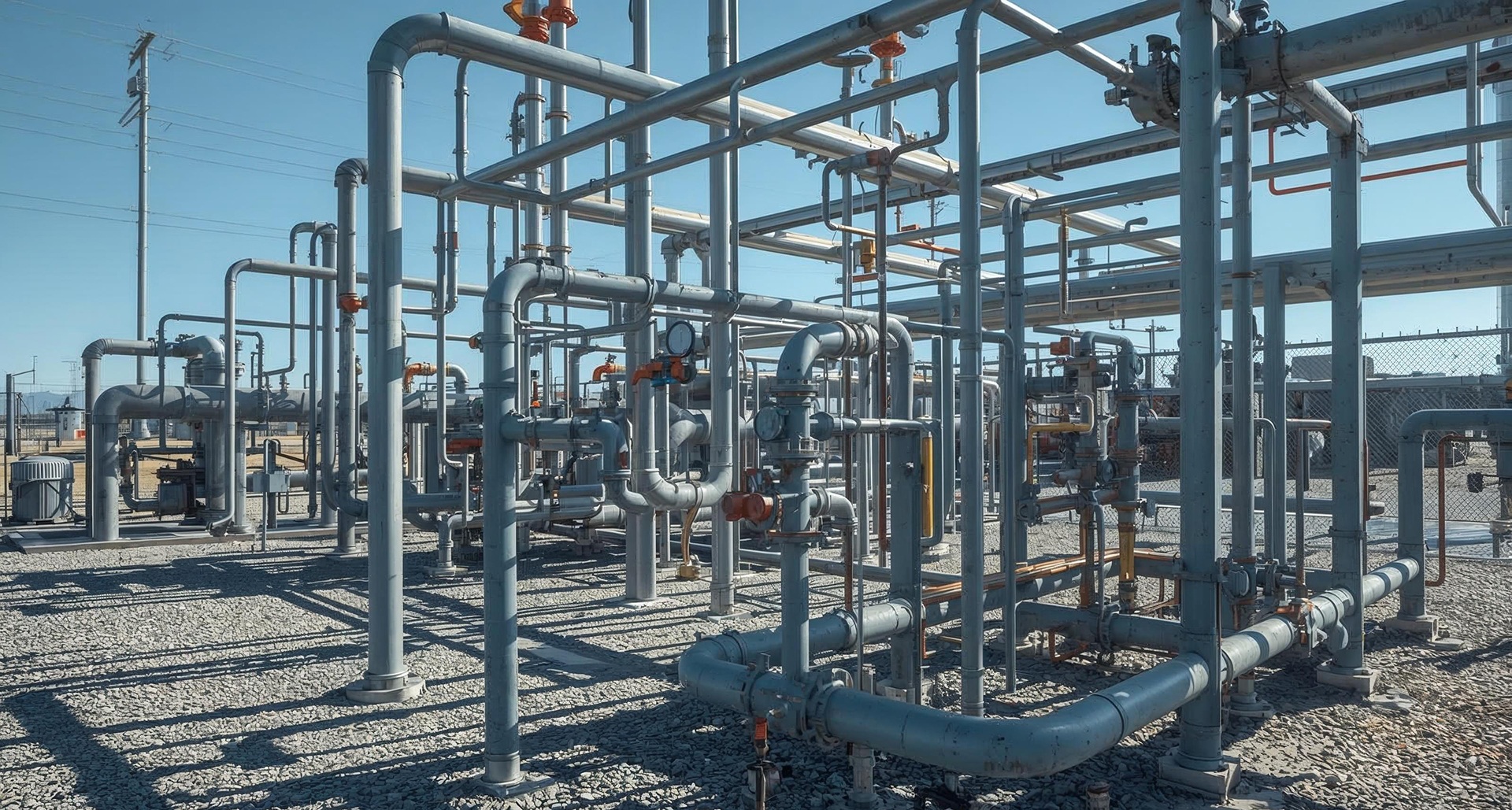
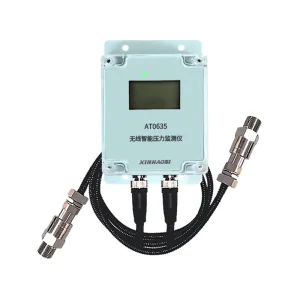
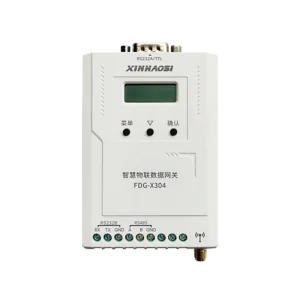
Modern cities rely on dense underground natural gas pipelines. Even small leaks can collect in utility tunnels, creating explosion hazards. Our municipal solutions combine wireless pressure monitoring terminals (such as the AT0635 Series Wireless Smart Pressure Monitor) and centralized data gateways (like the FDG-X304 Gateway) to upload telemetry data directly to municipal SCADA networks. This enables early detection and fast dispatch of maintenance crews.
Chemical processing facilities require explosion-proof monitoring systems. In these environments, detectors must resist corrosive vapors, extreme vibration, and moisture. Our explosion-proof detectors (like the GTYQ-AT0501 and GTQ-XP4000) use catalytic bead and electrochemical sensors housed in rugged Ex d class enclosures. These units link directly to automated safety systems, shutting down gas flow via solenoid valves when leaks are detected.
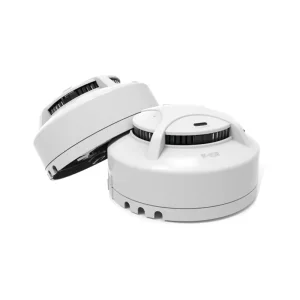
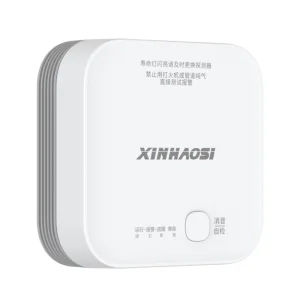
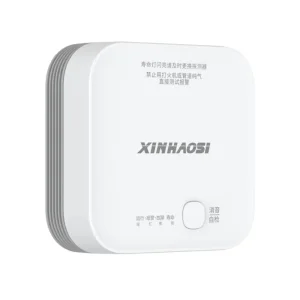
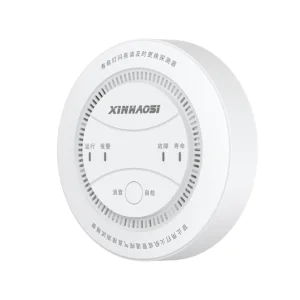
Residential safety requires reliable, low-maintenance hardware. Our domestic gas detectors, including the JT-AT2008 and JT-AT2018/2028/2058 Series, use metal oxide semiconductor sensors calibrated specifically for methane and LPG. These detectors feature simple, plug-and-play designs and connect to home automation systems. In the event of a leak, they trigger alarms and signal smart shut-off valves to isolate the gas supply instantly.
Underground parking structures require continuous monitoring for carbon monoxide (CO) buildup from vehicle exhaust. The AT2004BIV-CO Carbon Monoxide Gas Detector is designed specifically for commercial garages. These detectors interface with building ventilation systems to activate exhaust fans based on gas levels. This demand-controlled ventilation approach ensures occupant safety while optimizing energy use.
A practical checklist for engineering firms, distributors, and supply chain managers evaluating gas safety equipment.
Sourcing gas line leak detection equipment for complex infrastructure projects requires careful evaluation of technical and compliance criteria. To assist procurement managers, our engineering team has compiled a list of core considerations when selecting a manufacturing partner:
Ensure the sensor type matches the target gas and environment. For methane (CH₄) and liquefied petroleum gas (LPG), catalytic bead sensors offer cost-effective, reliable monitoring, while NDIR sensors provide long-term stability and resistance to chemical poisoning. For carbon monoxide (CO) and hydrogen sulfide (H₂S), electrochemical sensors are preferred for their high selectivity and sensitivity in parts-per-million (PPM) ranges.
Hardware installed in explosive atmospheres must hold relevant certifications, such as ATEX (Europe), IECEx (Global), or UL (North America). The ingress protection (IP) rating should match environmental conditions: IP65 is suitable for indoor commercial areas, while IP66 or IP67 ratings are required for outdoor, high-humidity, or marine environments.
To support modern industrial telemetry, detectors should interface seamlessly with existing automation infrastructure. Look for support for standard communication protocols: analog output signals (4-20mA), digital interfaces (RS485 Modbus RTU), and wireless options (NB-IoT, LoRaWAN, or ZigBee) for remote pipelines.
The initial purchase price represents only a portion of the total cost of ownership (TCO). Factor in sensor replacement intervals (typically 2–3 years for electrochemical, 3–5 years for catalytic, and 5+ years for NDIR), calibration frequency requirements, and ease of field service. Choosing a manufacturer that offers pre-calibrated, hot-swappable sensor modules simplifies maintenance and reduces downtime.
Technical answers to key questions about gas detection systems and safety compliance.
Catalytic bead sensors detect combustible gases through oxidation, which changes the resistance of a platinum wire coil. They are cost-effective and responsive, but they can experience drift and are susceptible to poisoning by compounds like silicones or sulfur. Non-Dispersive Infrared (NDIR) sensors measure the absorption of infrared light at specific wavelengths. NDIR sensors are highly stable, resistant to poisoning, and perform well in oxygen-deficient environments, but they have a higher initial hardware cost.
An explosion-proof (Ex d) housing is designed to contain any internal explosion that might occur if combustible gas enters the enclosure and ignites. The heavy-duty aluminum or stainless-steel walls, along with engineered threaded joints, cool and vent internal combustion gases before they can ignite explosive mixtures in the surrounding atmosphere.
Detectors identify leaks, but they cannot stop the gas flow. An emergency gas shut-off solenoid valve provides active mitigation. When the detector or control panel identifies a leak that exceeds a preset safety limit, it sends an electrical impulse to the valve. This releases a spring-loaded seal, stopping gas flow at the inlet before the gas concentration can reach its Lower Explosive Limit (LEL).
For typical industrial installations, we recommend performing a physical verification (bump test) every 3 to 6 months, and a full calibration at least once a year. High-risk environments or exposures to sensor poisons may require more frequent maintenance to ensure ongoing accuracy and safety compliance.
The FDG-X304 Intelligent Data Gateway aggregates data from local gas detectors and pressure monitors via RS485 or wireless networks. It translates local protocols into TCP/IP data, uploading system status to central control rooms or cloud monitoring platforms. This enables real-time tracking, automated alert routing, and predictive maintenance scheduling across large geographical areas.
Trusted by utility companies, industrial plants, and commercial developers worldwide.








Recent developments in our safety technologies and regional partnerships.
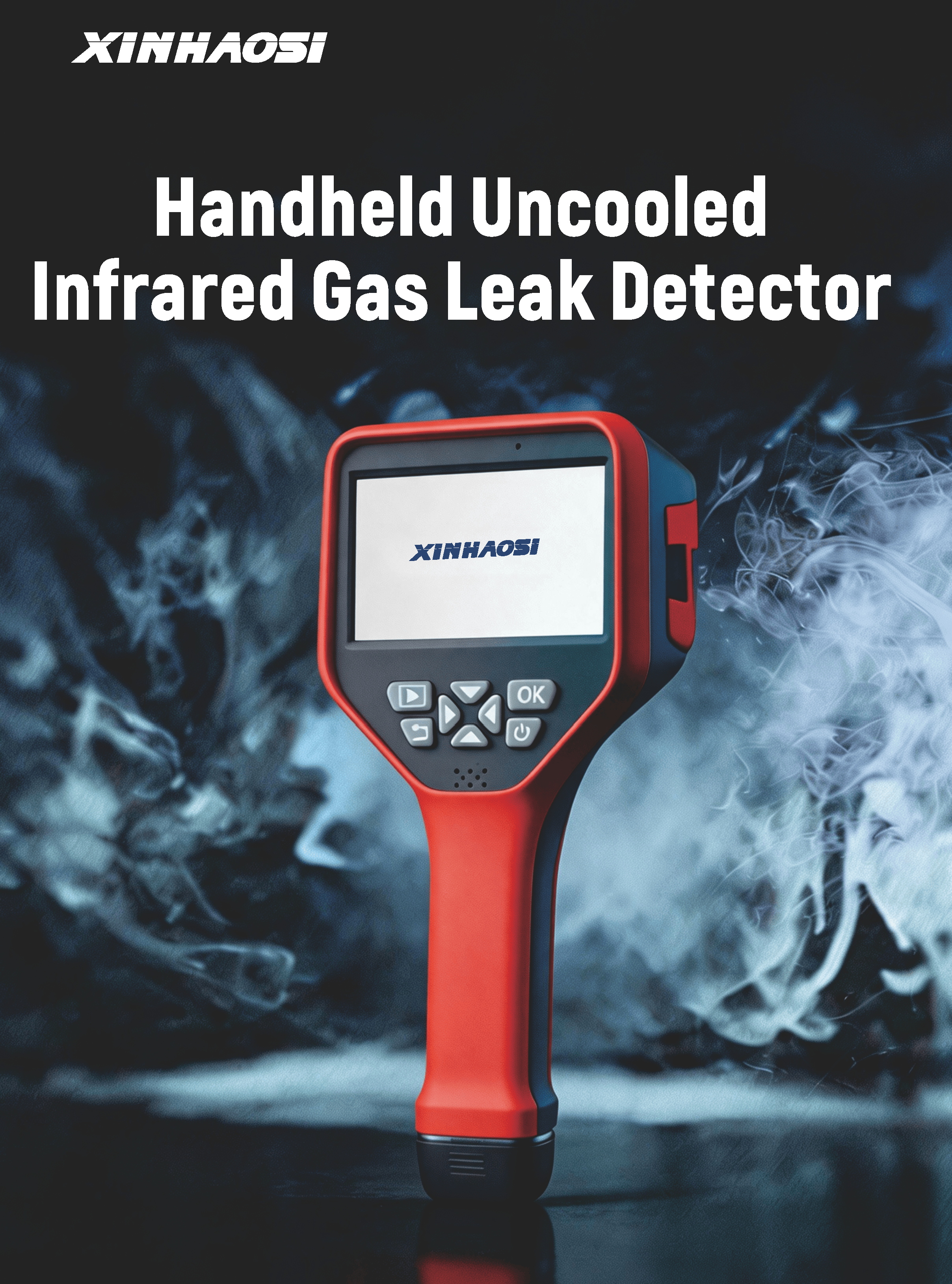
Xinhaosi Electronic Detection Technology Co., Ltd. has officially launched a new Handheld Uncooled Infrared Gas Leak Detector. Featuring dual-technology fusion, rapid response times, and non-contact detection, this unit improves safety and diagnostic efficiency in petrochemical, refrigeration, and urban natural gas operations.
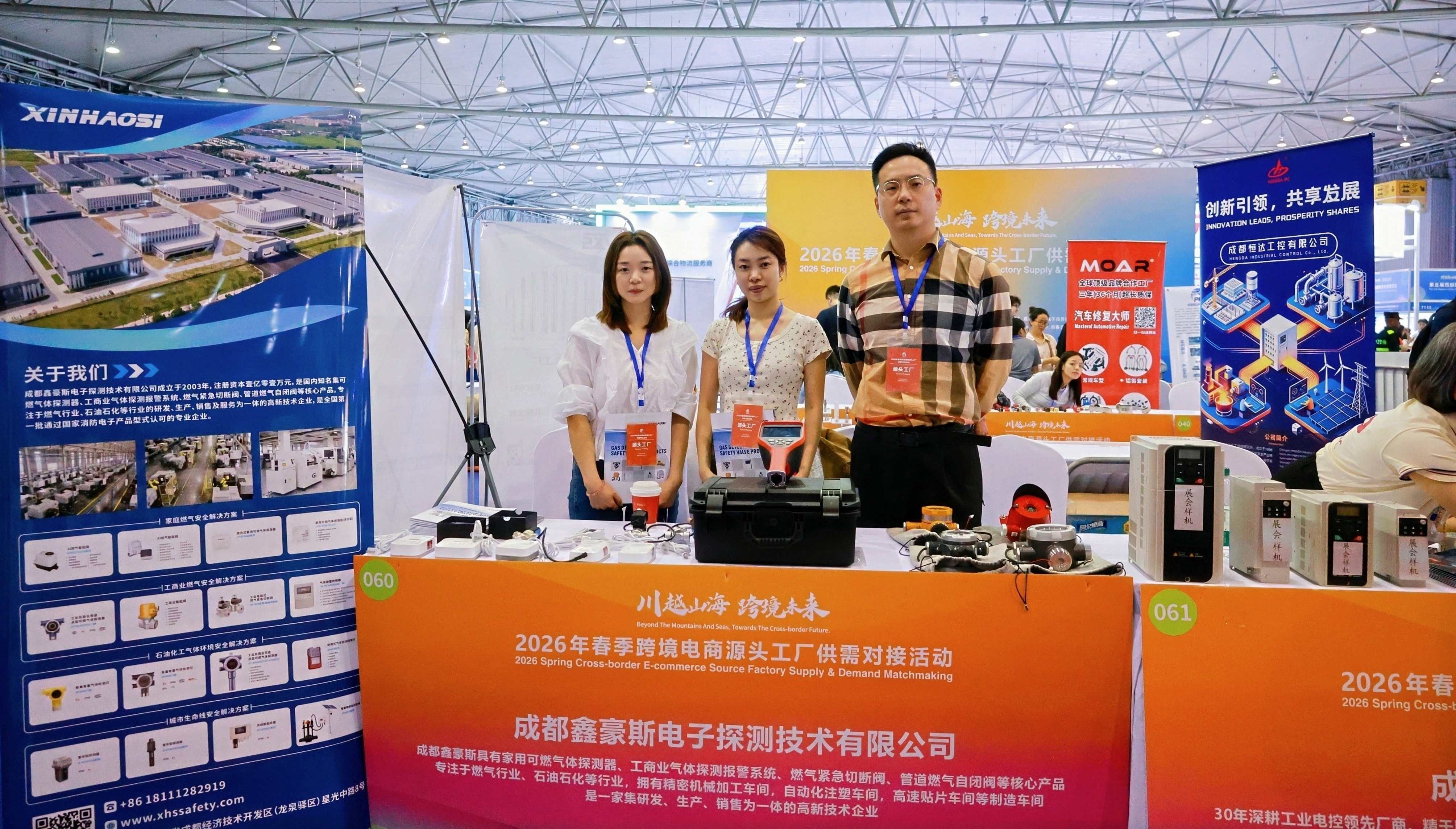
Xinhaosi recently participated in the 5th Western China Cross-Border E-Commerce Expo in Chengdu. The event connected international platforms, global buyers, and manufacturers, opening up new opportunities for industrial distribution partnerships and global supply agreements.
We took part in the 2026 Sichuan-Indonesia Industry Matchmaking Conference in Chengdu. Meeting with regional trade delegates and utility representatives allowed us to outline deployment models for our smart gas safety systems across Southeast Asia.
Essential support components: controllers, solenoid safety valves, and wireless terminals for industrial and domestic networks.