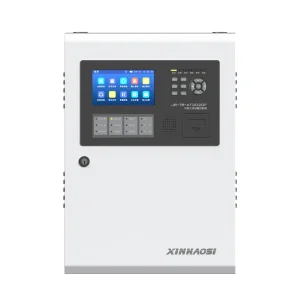
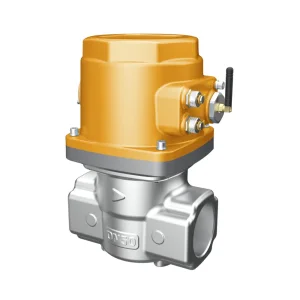
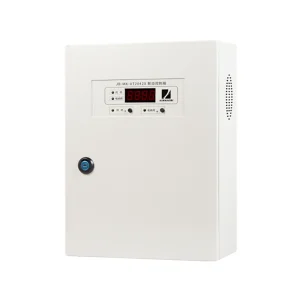
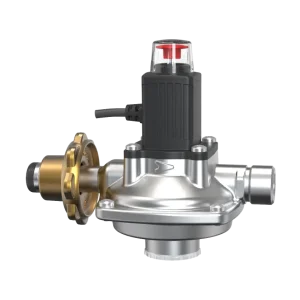
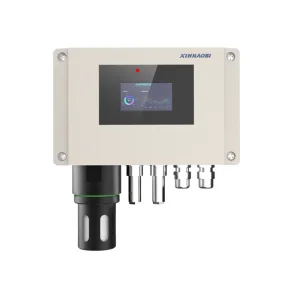
Explore our elite portfolio of high-precision combustible detectors, terminal control systems, and automated safety interfaces engineered for fail-safe site integrity.

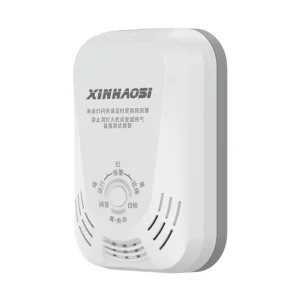
As global industrial facilities expand and safety requirements tighten, traditional catalytic bead and electrochemical sensors are increasingly falling short. Modern commercial infrastructures demand gas safety technologies that offer long-term reliability without constant maintenance. This shift has driven the universal adoption of Non-Dispersive Infrared (NDIR) and open-path infrared gas detectors.
Unlike electrochemical and semiconductor alternatives, IR gas detectors do not require direct exposure to gas-reacting reagents, rendering them immune to sensor poisoning by silicones, halides, or hydrogen sulfide. They operate on the principle of infrared absorption: target gases block specific wavelengths of IR light, which is measured relative to a reference wavelength. This physical reaction ensures a consistent baseline, minimal drift, and an extended operational lifetime exceeding 10 to 15 years.
Unlike catalytic sensors, IR technology is completely unaffected by common chemical contaminants, eliminating the risk of unannounced field failures.
With an average life span of over a decade, NDIR systems drastically reduce total cost of ownership by eliminating frequent cell replacement cycles.
Because IR relies on optical light absorption rather than chemical combustion, it operates perfectly in inert, oxygen-deficient environments.
Modern engineering demands higher accuracy, faster response times, and lower false alarm rates. The latest industrial IR gas detectors utilize a dual-source, dual-wavelength optical configuration to dynamically compensate for environmental variables such as temperature shifts, dust accumulation, and water vapor interference.
The core detection chemistry hinges on the Beer-Lambert Law, where the ratio of transmitted light is correlated to gas concentration levels. In the hydrocarbon spectrum, the 3.3μm absorption line is monitored for fast identification of methane, propane, and butane leaks. For carbon dioxide safety applications, the 4.26μm absorption wavelength provides highly specific, zero-cross-sensitivity gas detection.
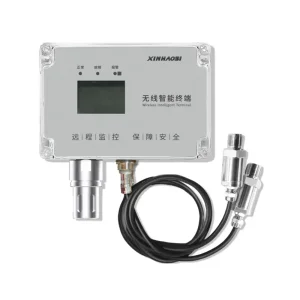
Looking to the future, optical gas detection is moving toward tunable diode laser spectroscopy (TDLAS) and enhanced uncooled microbolometer cores. By integrating edge AI algorithms directly into terminal interfaces (such as our wireless intelligent gateway systems), units can actively map baseline drift, isolate localized false-positive spikes, and communicate anomalies via secure industrial IoT networks (LoRaWAN, NB-IoT, and Modbus protocol platforms).
Utilizing advanced electronic detection technology to make unknown gas leak risks clear and visible.


Founded in 2003, Xinhaosi is one of the most influential and reliable brands in the gas safety industry. We provide customer-focused products and services to safeguard the safe operation of every factory, the comfort of every city, and the peace and happiness of every home. Powered by cutting‑edge production systems and technology, we deliver more advanced, intuitive, and precise gas safety solutions for shaping a safer future world.
Empowered by technology, full-chain integration, and comprehensive protection. We shape the future with intelligence, helping industrial facilities transition to fully autonomous hazard mitigation systems.
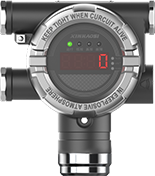

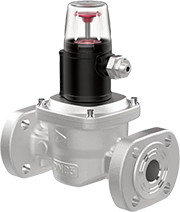
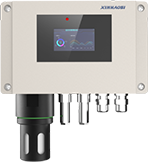

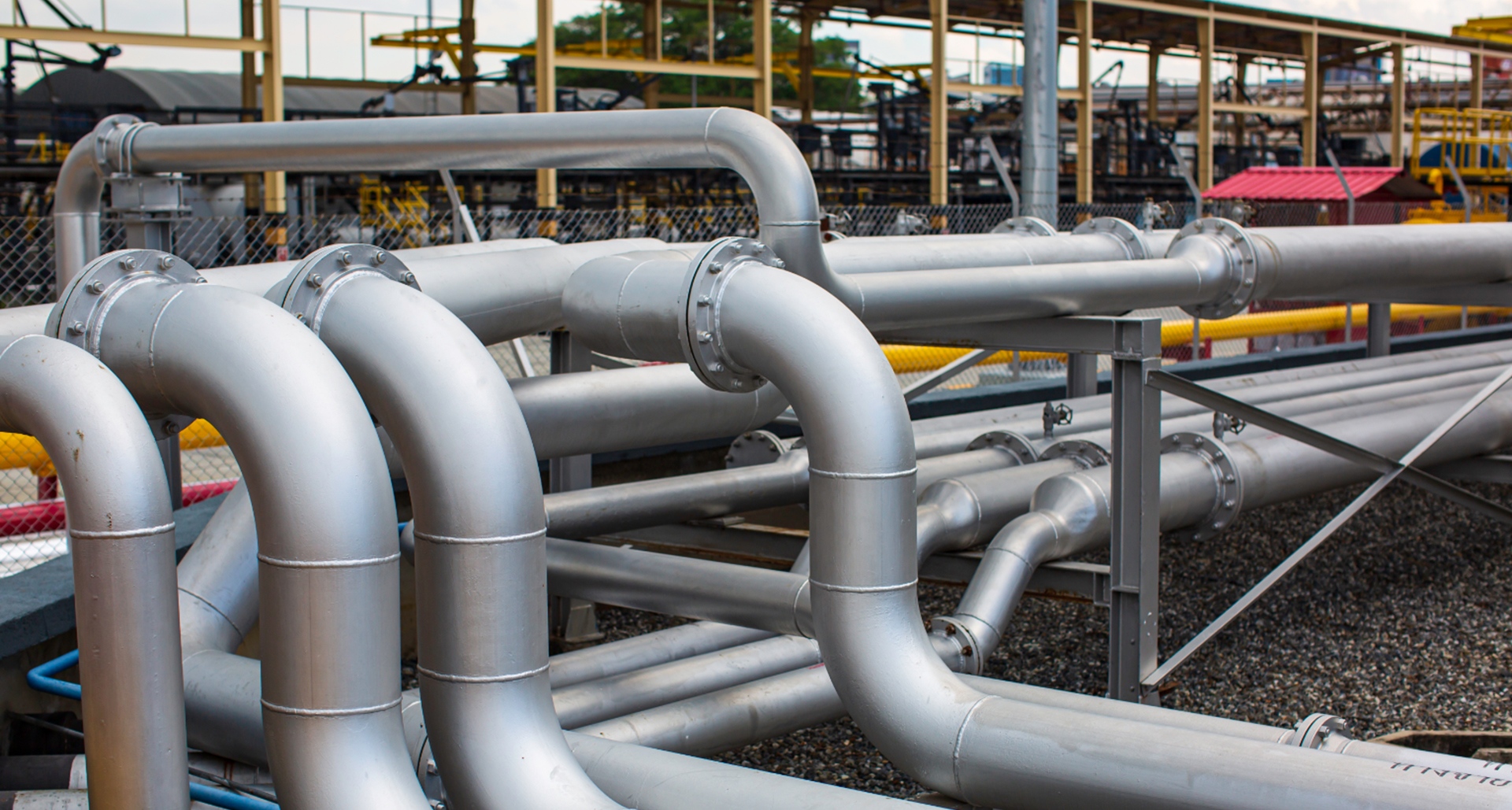
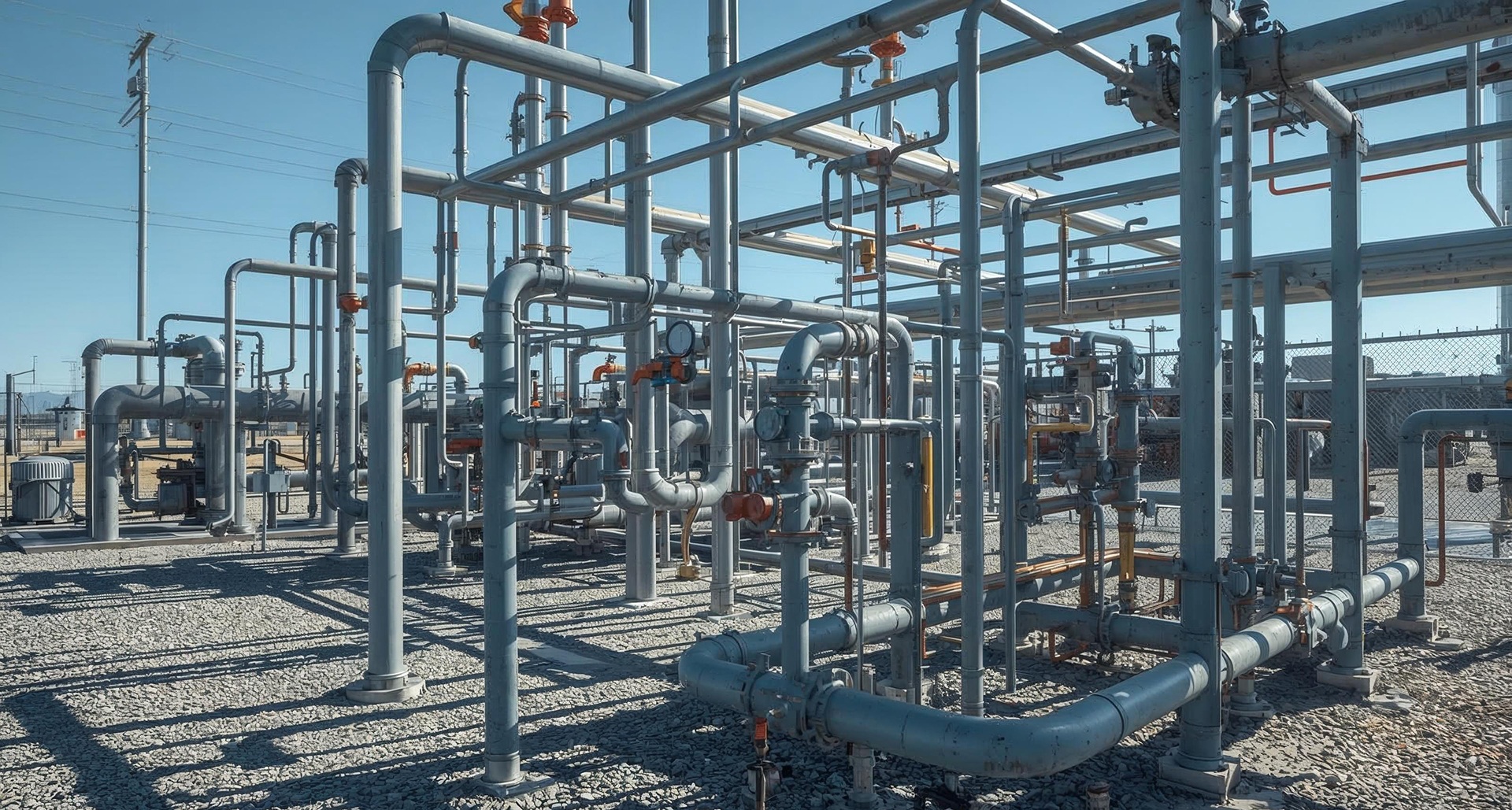
As a leading Chinese manufacturer and factory in the gas safety sector, our operations combine raw material accessibility, automated assembly, and strict quality control. The manufacturing ecosystem in China allows for real-time adjustments and localized components sourcing, meaning we maintain stable lead times even during global supply chain disruptions.
Key facets of our factory's competitive manufacturing matrix include:
Our production facilities utilize automated SMT (Surface Mount Technology) assembly lines and climate-controlled robotic calibration chambers, ensuring high uniformity across batches.
We provide full-spectrum engineering customization, from custom sensor enclosures and circuit board designs to customized firmware communication protocols.
Every detector undergoes multi-point gas calibration, environmental chamber testing (ranging from -40°C to +70°C), and vibration stress screenings to meet global regulatory requirements.
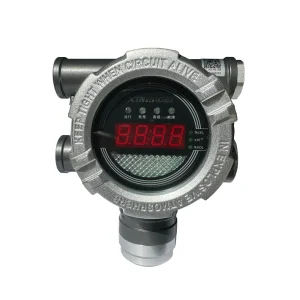
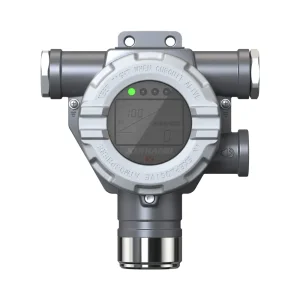
In midstream and downstream petrochemical refineries, ambient conditions are highly corrosive and prone to extreme temperature swings. Heavy hydrocarbons can coat traditional catalytic detectors, rendering them blind. Our explosion-proof NDIR detectors (such as the GTYQ-AT0602) provide stable LEL combustible monitoring without deterioration, operating reliably in Class I, Division 1 hazardous environments.
Refrigerated spaces demand continuous monitoring of fluorinated gases (F-gases) and ammonia. Low temperatures degrade the electrolyte paste in electrochemical gas cells. By contrast, specialized NDIR sensors function down to -40°C, providing quick alarm triggers that minimize gas loss, lower operational costs, and safeguard workers.
As cities expand underground gas infrastructure, monitoring potential build-ups in utility vaults becomes critical. These spaces lack active venting, meaning oxygen levels can fall. Under oxygen-depleted conditions, catalytic beads cannot burn combustible gases to read the LEL. Our intelligent wireless battery-powered detectors monitor methane build-ups optical-path style, reporting data via LoRaWAN directly to the municipal control room.
Deploying gas safety systems requires meeting strict global certifications. Our manufacturing pipeline holds ISO 9001 quality credentials, and our industrial detectors are certified to international standards including ATEX, IECEx, UL, and SIL-2 safety levels.
To support our global distributors and end-users, we offer robust technical support, including:
 May 09, 2026
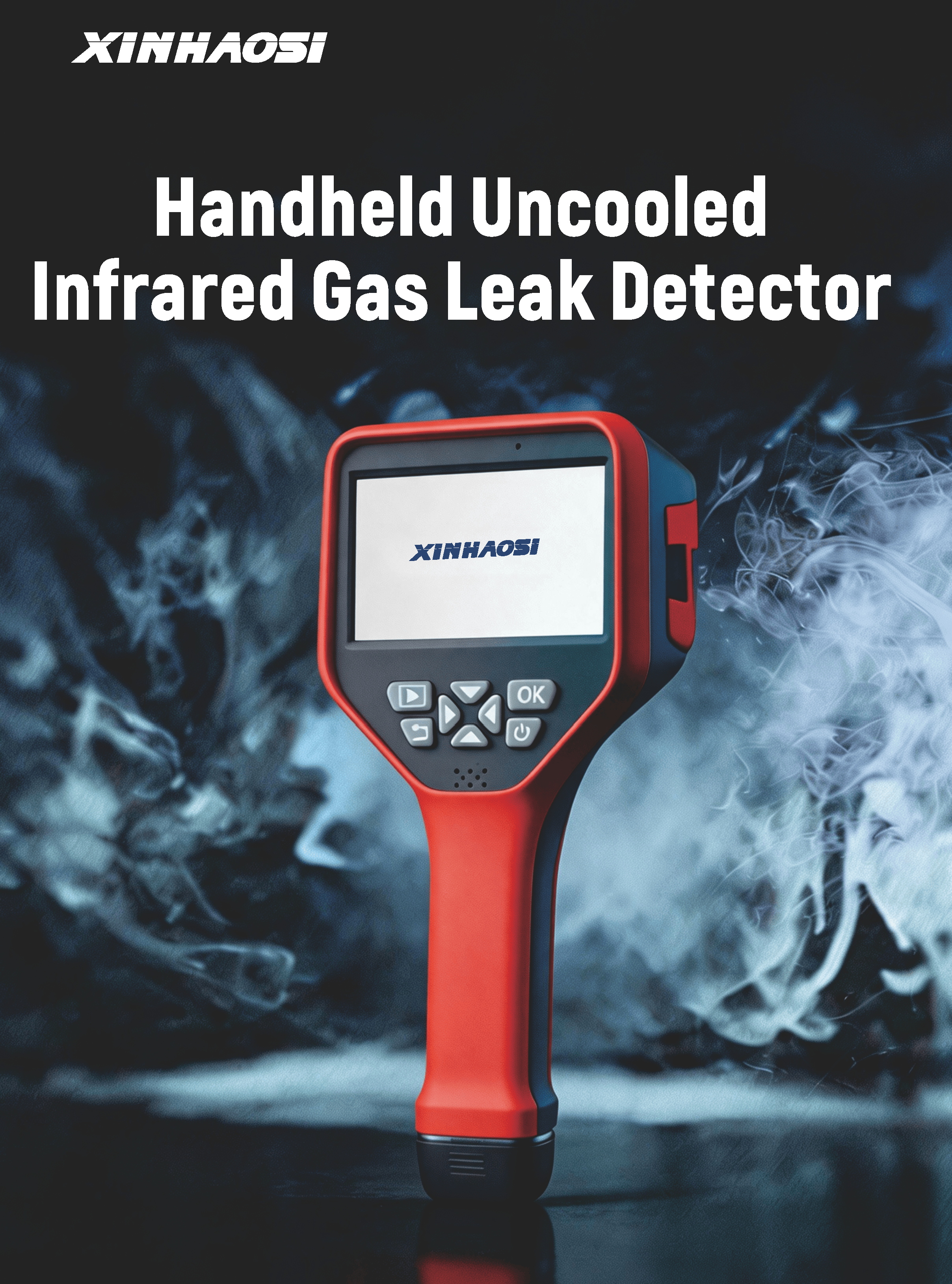
Featuring dual-technology fusion, ultra-fast response, and long-distance non-contact detection to enhance safety in petrochemical, refrigeration, and natural gas scenarios.
 May 08, 2026
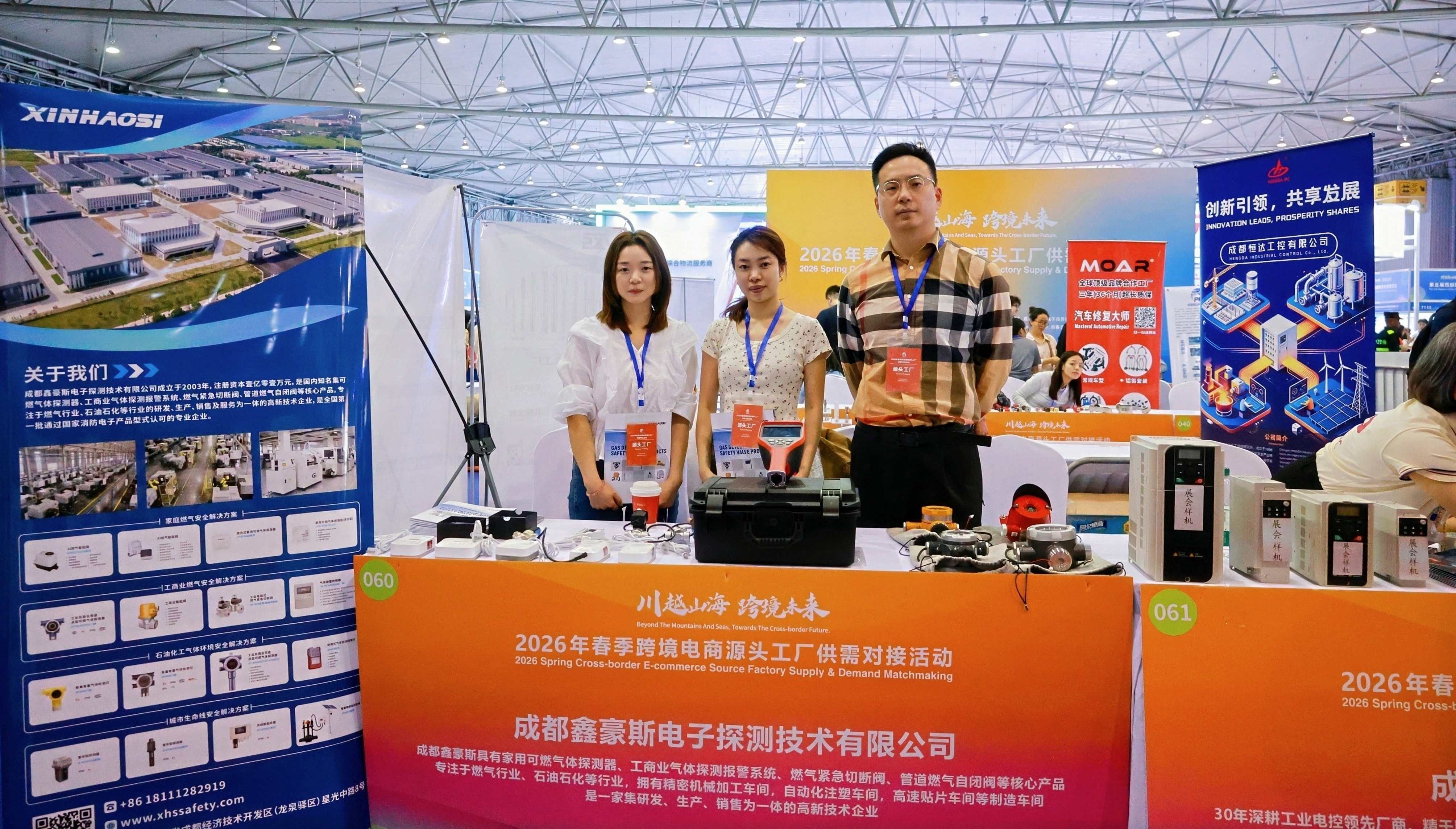
The event brought together cross-border e-commerce platforms, global buyers, and manufacturers, opening new opportunities for international cooperation.
 May 08, 2026
XINHAOSI participated to strengthen industrial cooperation and explore new business opportunities in Southeast Asia.
























Get expert technical answers regarding installation guidelines, sensor chemistry comparison, and optimization principles.
Infrared detectors do not suffer from sensor poisoning, which typically occurs when catalytic sensors are exposed to silicones, lead, phosphates, or chlorinated hydrocarbons. Additionally, IR sensors do not require oxygen to operate and offer a much longer operational life, reducing replacement frequency and long-term costs.
A dual-wavelength optical path uses a target wavelength (absorbing the target gas, e.g., 3.3μm for hydrocarbons) and a reference wavelength (where no gas absorption occurs). If dust, moisture, or optical fogging limits the light intensity, both detectors experience the same drop, allowing the processor to isolate physical gas concentrations from environmental factors.
No. Industrial environments require explosion-proof casing (such as Ex d or Ex ia ratings), IP66/IP67 ingress ratings to handle moisture and rain, and heavy-duty certifications (e.g., ATEX, IECEx, and SIL-2). Residential detectors are designed for climate-controlled spaces and would degrade quickly under harsh field conditions.
Because IR optical components are highly stable, physical drift is minimal. Most manufacturers recommend verifying calibration every 6 to 12 months, compared to catalytic systems which require testing every 1 to 3 months. This difference leads to significant savings in labor and calibration gas costs.
No. Hydrogen is a homonuclear diatomic molecule, meaning it does not absorb infrared radiation. To monitor hydrogen leaks, you must use catalytic beads, electrochemical cells, or specialized semiconductor detectors.
SIL stands for Safety Integrity Level, part of the IEC 61508 standard. A SIL-2 rating indicates that the safety instrumented function (SIF) has a probability of failure on demand (PFD) between 1% and 0.1%, ensuring reliable operation in high-risk zones.
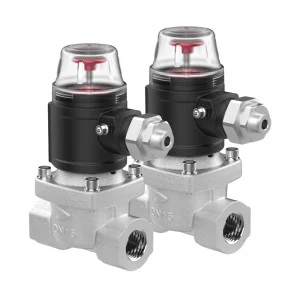
When a gas detector (such as the GTYQ-AT0601) registers gas levels that exceed safety thresholds, it sends a signal to a central controller or directly to a smart valve (like our industrial AI solenoid valves). The valve automatically cuts off the gas supply at the source to prevent fires or explosions.
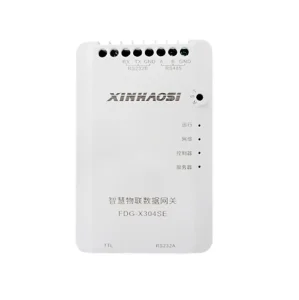
Yes. Utilizing robust industrial wireless protocols (such as sub-GHz or cellular bridges), the gateway processes sensor inputs with sub-second latency, routing high-priority alarm states to local sirens, PLC cabinets, and cloud-based asset monitors.
We offer custom branding, modified enclosure materials for acidic environments, custom output protocols (Modbus, BACnet, 4-20mA), custom sensor ranges, and tailored calibration certificates to meet specific regional regulations.
Gas density changes with temperature, which can alter IR absorption rates. High-quality detectors resolve this by integrating an internal temperature sensor, using a micro-controller to offset baseline drift and ensure accuracy from -40°C to +70°C.
Integrate your detection systems with robust shut-off valves and wireless gateways to build a responsive safety framework.