
Next-Generation Gas Detection, Flame Sensing, and Automated Shutdown Systems for Global Industrial, Commercial, and Residential Safety. Trusted Since 2003.
Explore our certified gas leak detection instruments, underground shaft monitors, and safety shut-off solenoid valves. Engineered in our state-of-the-art facility for immediate risk mitigation.
In the realm of industrial gas operations, hazard vectors are often unseen until they reach a critical threshold. Founded in 2003, Xinhaosi has dedicated over two decades to neutralizing these blind spots. We utilize advanced electronic detection technology to make unknown gas leak risks clear, quantifiable, and visible.
As one of the most influential and reliable brands in the global gas safety industry, we provide customer-focused products and services to safeguard the operations of large-scale chemical plants, municipal urban gas networks, commercial spaces, and millions of homes worldwide. Our unified engineering stack delivers integrated solutions that close the safety gap between detection and mechanical mitigation.

 Electronic Gas Sensing Precision
Empowered by proprietary sensor technology and full-chain system integration, Xinhaosi mitigates risks at the source, offering robust coverage across diverse operational layouts.
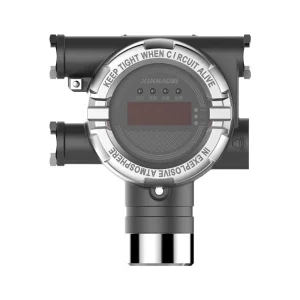
Fixed toxic/combustible detectors integrated with catalytic and infrared sensor nodes for rugged environments like oil, gas, and chemical storage.
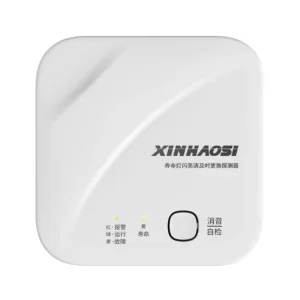
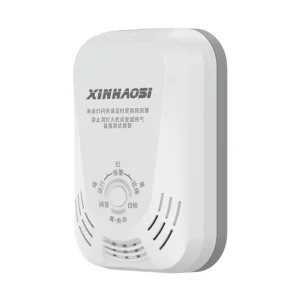
Smart, low-voltage kitchen gas alarms calibrated for propane/butane (LPG) and methane, offering sound, light, and solenoid signal outputs.
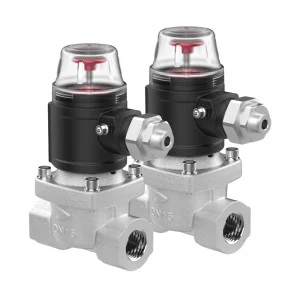
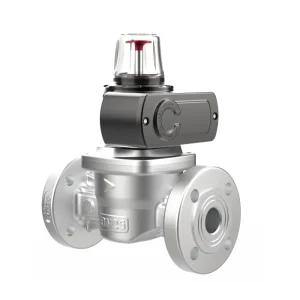
Normally open, pulse-tripped cast aluminum and brass gas valves that shut down supply instantly when a leak threshold is reached.
Telemetry systems and IoT-enabled RTUs for real-time municipal pipeline integrity, pressure management, and atmospheric hazard mapping.
Document Ref: WP-2026-XHAOSI-01 | Target Audience: System Engineers, Safety Directors, Procurement Officers, Regulatory Auditors
The safety matrix of modern petrochemical processing, gas storage, and municipal distribution infrastructures relies on continuous, accurate gas sensing. Liquefied Petroleum Gas (comprising predominantly commercial propane and butane mixtures) possesses unique thermodynamic profiles that increase its risk potential relative to lighter-than-air methane. Since LPG has a gas density greater than air (approximately 1.5 to 2.0 times, depending on mixture composition), released gases do not disperse upward; instead, they pool in low-lying areas, utility ducts, cable trenches, and underground shafts. This accumulation behavior makes the deployment of high-accuracy sensors located at correct height thresholds critical.
A comprehensive macro-industry gas safety strategy must integrate three key functional zones:
Selecting the appropriate sensor technology is the core decision for any system architect. The choice is primarily governed by environmental conditions, the presence of potential sensor poisons, target gas selectivity, and target service lifespan.
Operating via catalytic oxidation, catalytic bead sensors burn trace quantities of combustible gas on an active bead, raising its temperature and altering its resistance within a Wheatstone bridge circuit. These sensors are highly cost-effective, detect a broad spectrum of flammable gases, and perform exceptionally well in ambient temperature ranges. However, they require a minimum level of oxygen (typically >10%) to operate reliably and are subject to poisoning by silicones, lead, phosphates, and chlorinated hydrocarbons, which degrade the catalytic surface over time.
NDIR sensors utilize the specific infrared absorption characteristics of hydrocarbon molecules (typically measured at wavelengths around 3.3 to 3.4 microns). Because they operate optically without direct chemical reactions, NDIR sensors are completely immune to sensor poisoning, can function in oxygen-deficient or inert atmospheres, and display superior long-term stability with minimal calibration drift. They are ideal for high-risk industrial zones, tank farms, and deep shafts where maintenance access is highly restricted.
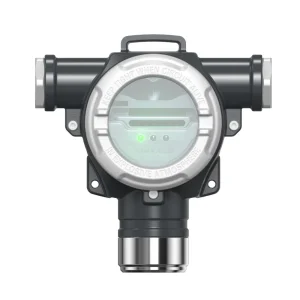
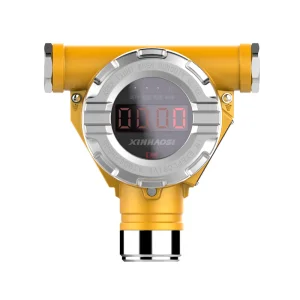
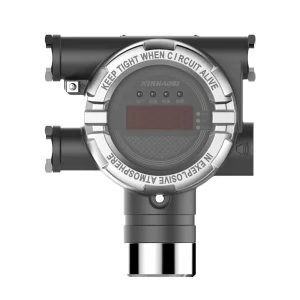
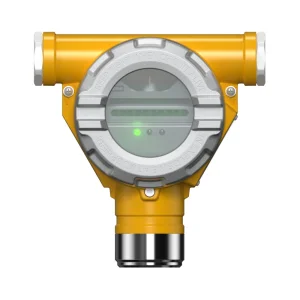
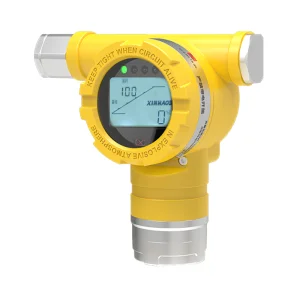
Xinhaosi engineers and manufactures both sensor classes in-house. Our explosion-proof detectors (e.g., GTYQ-AT0505/d and GTYQ-XP4000) are designed with modular transmitter headers, allowing quick swap-out operations during routine calibration or technology upgrades.
In critical process industries, safety claims must be verified by recognized, independent third parties. Compliance with global regulations ensures that our equipment functions reliably under explosive and challenging environmental conditions.
Ex d IIC T6 Gb Explosion-Proof Classification: Our industrial detector range features flameproof (Ex d) enclosures designed to withstand an internal explosion of gas-air mixtures without propagating the ignition flame to the external surrounding explosive atmosphere. This is vital for Zone 1 and Zone 2 hazardous areas, where flammable gas mixtures are likely or occasionally present during normal operations.
Functional Safety (IEC 61508 / SIL 2 Compliance): When integrated within an industrial emergency shutdown loop, the gas detection system must comply with Safety Integrity Level (SIL) standards. The GTYQ and JB-TB-AT2020S series are audited to meet SIL 2 requirements, ensuring a Probability of Failure on Demand (PFD) low enough to guarantee safe plant shutdowns.
Residential Standards: EN 50194 & UL 1484: For commercial kitchens and residential housing projects, compliance with regional safety codes is non-negotiable. Our residential alarm products (JT-AT2009 and JT-AT2004A series) incorporate intelligent microprocessors to filter out false alarms caused by cooking vapors or alcohol sprays, while conforming fully to the performance testing protocols of EN 50194 (Europe) and UL 1484 (North America).
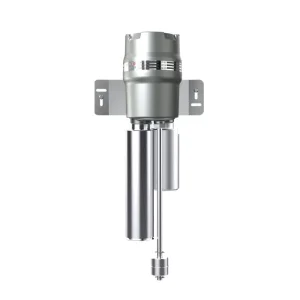
Utility tunnels and deep underground chambers are highly vulnerable to methane seepage and LPG pooling. Our AT0605 Underground Shaft Combustible Gas Monitor is engineered specifically with IP66 ingress protection and an active diffusion chamber. It maintains detection integrity under continuous high humidity, extreme temperatures, and stagnant airflows, passing real-time concentrations back to surface-level SCADA systems.
Commercial cooking facilities process large quantities of LP gas under high pressure. If a burner flame extinguishes or a flexible hose fails, immediate gas accumulation occurs. By linking our JT-AT2004A Household/Commercial Detectors with the XF3III normally opened industrial gas solenoid valves, commercial facilities create a failsafe shutdown loop. The detector's internal relay triggers a high-current pulse to the valve within 0.5 seconds of detection, mechanical closure terminates the gas supply at the main header, and manual reset ensures gas flow cannot resume until the leak has been diagnosed and cleared.
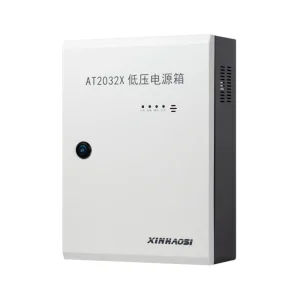
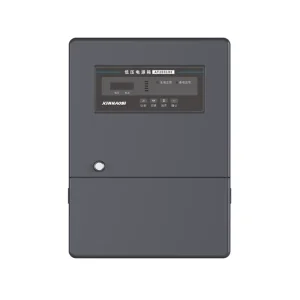
Large-scale petrochemical plants require absolute precision. The GTYQ-XP4000 transmitter monitors outdoor storage yards and processing equipment. Fitted with temperature-compensated digital transmitters, it operates within an ambient range of -40°C to +70°C. Designed to run on a stable 24VDC system powered by central distribution boxes like the AT2032X Low Voltage Power Box, it guarantees continuous monitoring even during grid switchover events.
The transition from passive alarms to active hazard intelligence defines our technical roadmap. Traditional sensors require gas molecules to physically touch the active sensor element to generate a signal, resulting in a detection delay depending on environmental wind speed and direction.
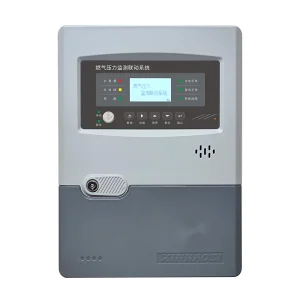
In May 2026, Xinhaosi announced the launch of its Handheld Uncooled Infrared Gas Leak Detector. This technology leverages uncooled infrared detector arrays to visually image gas plumes from distances of up to 50 meters, enabling operators to inspect valves, pipe flanges, and overhead manifolds in real time without entering hazardous zones. Furthermore, we are integrating predictive analytics into our municipal controllers (JB-TB-AT2020S series). By processing history curves and subtle baseline shifts, the controller can identify micro-leaks or gradual seal degradation weeks before they trigger standard LEL alarms, shifting operations from reactive response to predictive maintenance.
Stay tuned for the latest updates from Xinhaosi & the Industry.
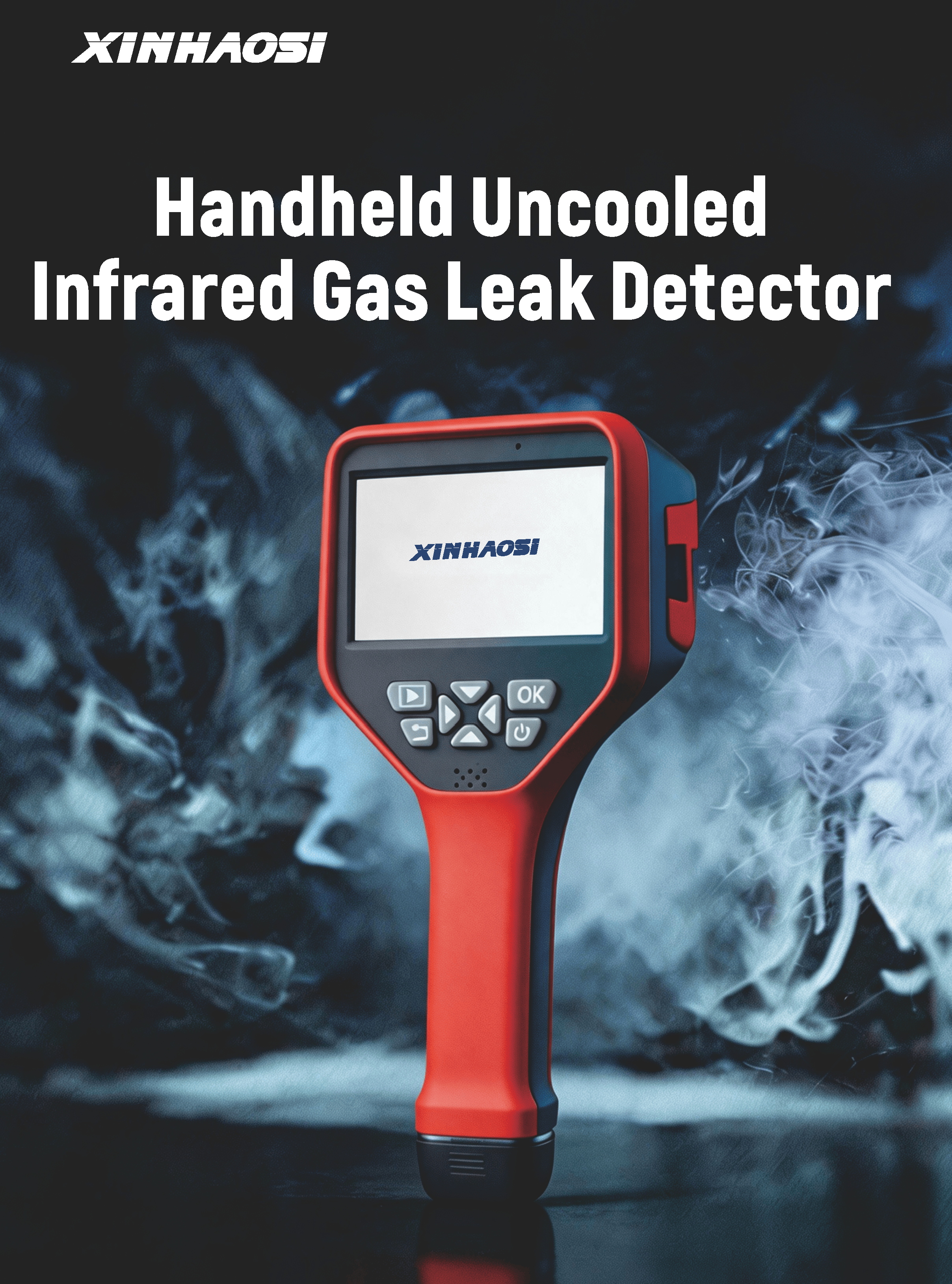
Xinhaosi Electronic Detection Technology Co., Ltd. officially launched its new Handheld Uncooled Infrared Gas Leak Detector, featuring dual-technology fusion, ultra-fast response, and long-distance non-contact detection to enhance safety and efficiency in petrochemical, refrigeration, natural gas and industrial safety scenarios.
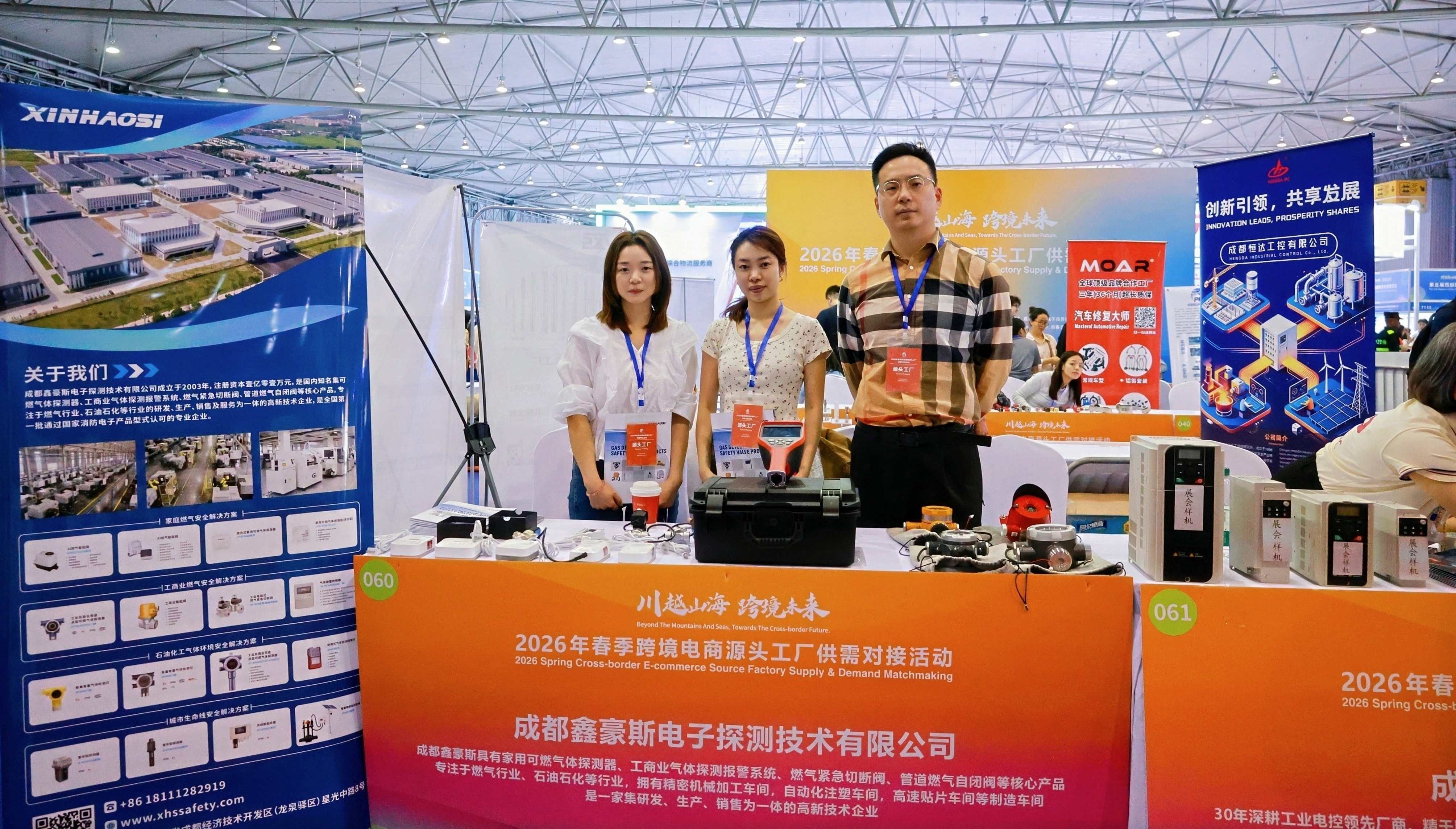
XINHAOSI recently participated in the 5th Western China Cross-Border E-Commerce Expo held in Chengdu. The event brought together cross-border e-commerce platforms, global buyers, manufacturers, and supply chain companies, creating new opportunities for international business cooperation and overseas market development.

XINHAOSI recently participated in the 2026 Sichuan (Chengdu) – Indonesia Industry Matchmaking Conference held in Chengdu. The event gathered enterprises and industry representatives from China and Indonesia to strengthen industrial cooperation and explore new business opportunities in Southeast Asia.
Trusted by top utility systems, industrial developers, and commercial project managers globally.
























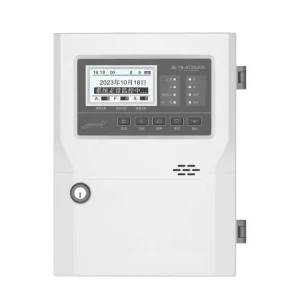
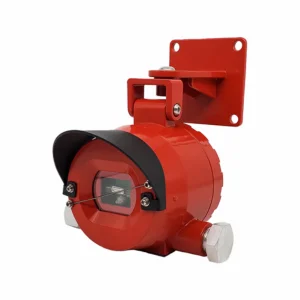
Industrial gas safety relies on stable power supplies, central monitoring controllers, and fast flame detectors. Check our auxiliary safety line designed for 24/7 continuous operations.
Get expert answers on system integration, compliance, and product maintenance.