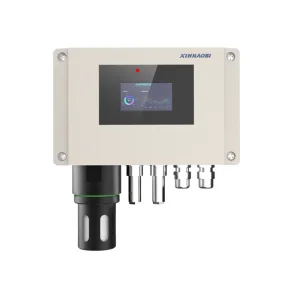
Explore our premium grade gas detection systems, emergency shut-off valves, and regulators designed for critical failure mitigation.
Liquefied Petroleum Gas (LPG) is a critical source of fuel globally, utilized extensively across manufacturing plants, commercial establishments, and residential spaces. However, due to its heavy nature and high density relative to air, leaked LPG tends to collect in low-lying areas, presenting catastrophic fire and explosion risks if not monitored. Therefore, the implementation of High-Quality LP Gas Safety Valves, integrated alongside reliable gas detection networks, represents the foundation of zero-hazard structural planning.
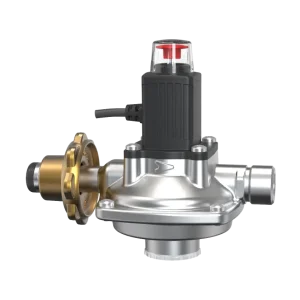
Modern safety protocols require active safety components, including automatic shut-off solenoid valves and regulators. These elements are designed to sever gas flow instantly upon detecting pressure anomalies or combustible concentration leaks. Our engineering framework bridges the gap between passive hardware components and active micro-electronic controls, achieving responsive safety shut-offs in under 0.3 seconds.
"Security is not a feature; it is the fundamental core of gas grid sustainability."

Years of R&D Heritage (Est. 2003)
Solenoid Shut-off Response Time
Leak & High-Pressure Factory Tested
Explosion Proof Certification Standards
A closer look at regulatory requirements, IoT pressure tracking, and specialized field use-cases.
Industrial operations are moving away from manual check-valves toward IoT-enabled safety infrastructure. Procurement teams in the EU and NA demand certified Ex d II T6 explosion-proof ratings, SIL 2 safety levels, and smart wireless monitoring loops.
Utilizing high-precision automated assembly lines and advanced sensor validation technologies, our plants deliver cost-effective and dependable solutions. Strict quality checks eliminate leakage, structural deformities, and calibration drifts.
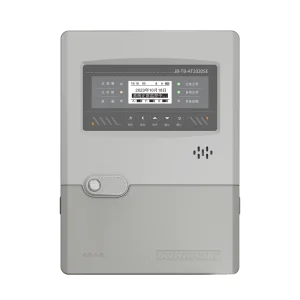
Our safety valves align with household, commercial, and industrial gas detector controllers. In the event of a gas leak detection, the central panel sends a pulse to the solenoid valve, instantly isolating gas supply lines.

Founded in 2003, Xinhaosi has established itself as an authoritative manufacturer in the global gas safety landscape. We utilize electronic sensing, smart pressure monitoring, and advanced solenoid engineering to manage risks before they escalate.
Our comprehensive system solutions guard industrial facilities, municipal distribution grids, and homes across dozens of countries. By streamlining production lines and emphasizing component validation, we offer reliable protection to our partners worldwide.
Strict adherence to ISO 9001 and international safety certifications.
Delivering specialized hardware solutions to worldwide markets.
Providing custom system integrations for chemical processing, urban distribution, and commercial applications.
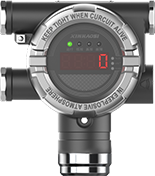
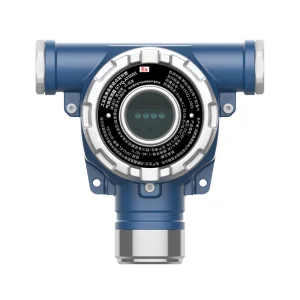
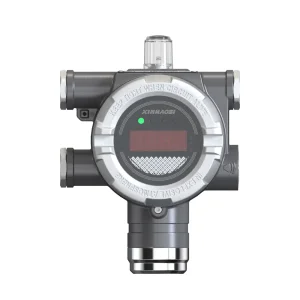
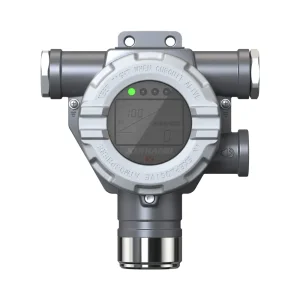
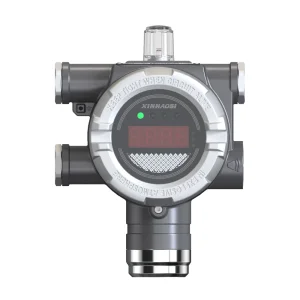
Precision sensing arrays designed for challenging process environments.

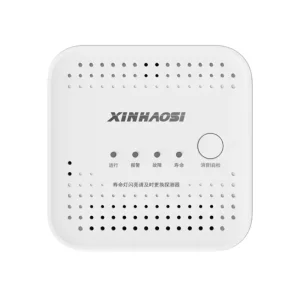
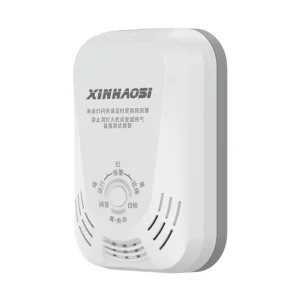
Compact, high-accuracy gas detection for residential properties.
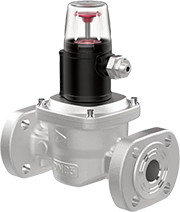
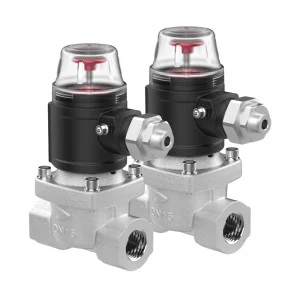
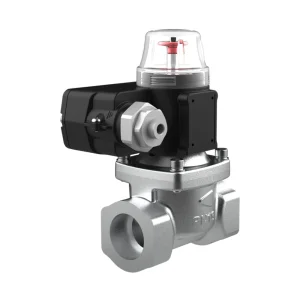
Normally open and normally closed emergency shut-off valves.
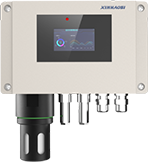
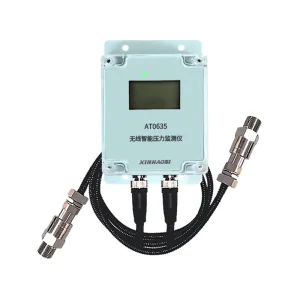
Intelligent pipeline tracking to safeguard city distribution networks.
How our gas safety systems function under varying field conditions.
High-volume kitchens run continuously under hot, greasy conditions. Safety compliance dictates that gas supply lines cut off automatically if sensors detect a build-up of combustible gases.
Applied Solution: XF3III/XF5III Solenoid Valves paired with JT-AT3068 Combustible Gas Detectors.
Industrial refineries operate in highly combustible atmospheres where a single spark can cause major incidents. Explosion-proof housing and resilient components are critical requirements.
Applied Solution: GTYQ-AT0501 Explosion Proof Detectors and AT0635 Wireless Smart Pressure Monitors.
Explore our industrial-grade smart sensors, wireless pressure transmitters, and multi-channel system controllers.
A reference table for engineers, systems integrators, and procurement directors evaluating LPG safety systems.
| Parameter / Metric | Industrial Gas Solenoid Valves | Explosion Proof Gas Detectors | Smart Wireless Monitors |
|---|---|---|---|
| Standard Connection Sizes | DN15, DN20, DN25, DN50, DN100 Flanged | G1/2 External Thread / NPT 3/4 | M20*1.5 External Thread / Custom |
| Response Speed | < 0.3 seconds (Emergency Trip) | T90 < 30 seconds (Catalytic Combustion) | Sampling rate up to 10Hz |
| Ingress Protection Rating | IP65 / IP67 Fully Encapsulated Coils | IP66 Cast Aluminum Enclosure | IP66 / NEMA 4X Protection |
| Communication Protocol | Pulse Direct Drive / 24V DC Signal | 4-20mA, RS485 Modbus RTU | NB-IoT, LoRaWAN, Zigbee, 4G |
| Hazardous Area Approval | ATEX II 2G Ex mb IIC T4 Gb | Ex d IIC T6 Gb / IECEx Certified | Intrinsically Safe Ex ia IIC T4 Ga |
Clear, direct guidance from our Senior Engineering team to help you navigate technical and installation requirements.
Building safety systems alongside leading corporations and municipal authorities.












Keep track of the latest updates and technical milestones from Xinhaosi and the wider safety sector.
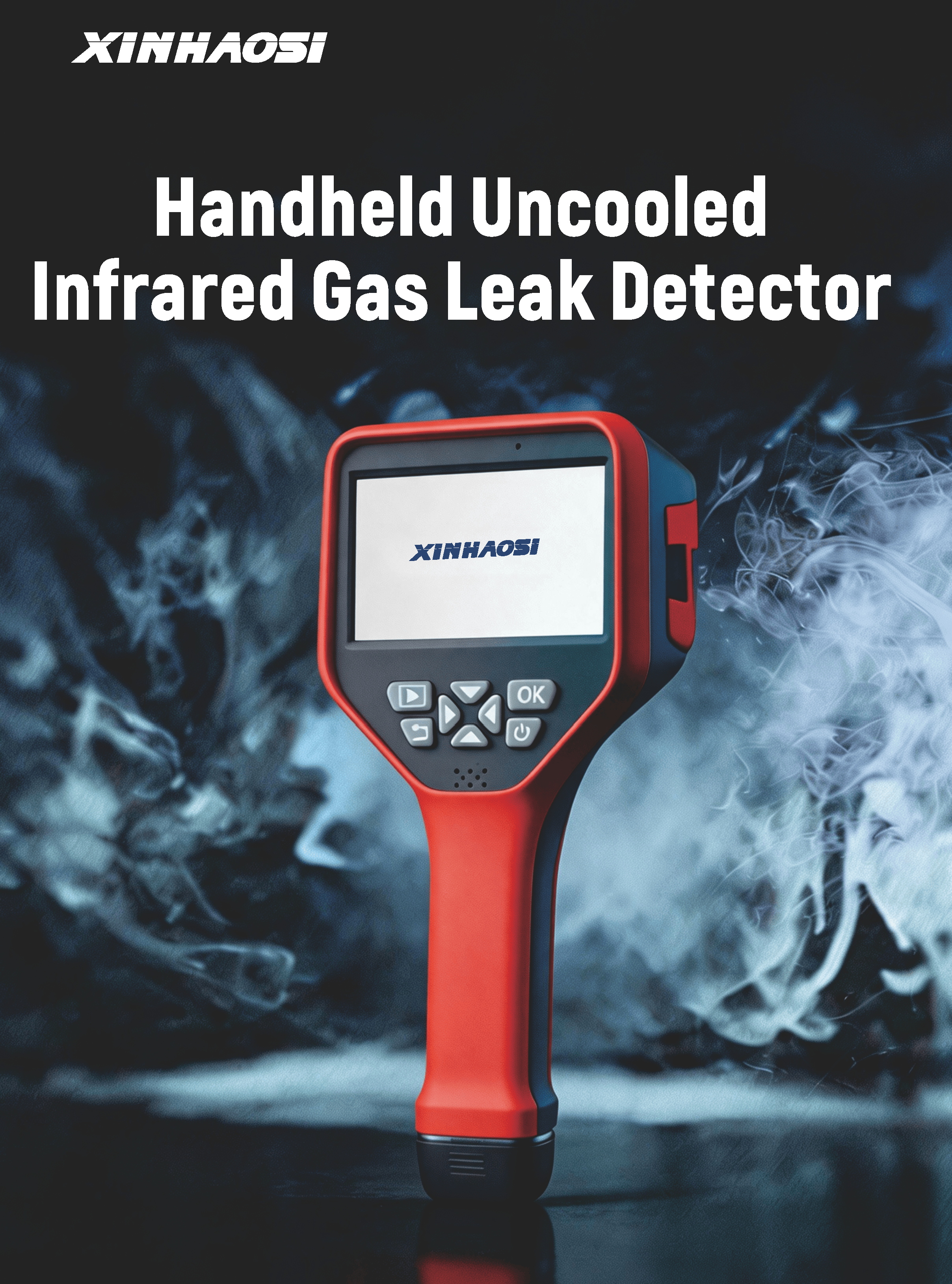
Featuring dual-technology fusion, rapid response times, and long-range non-contact detection to enhance safety across petrochemical and industrial facilities.
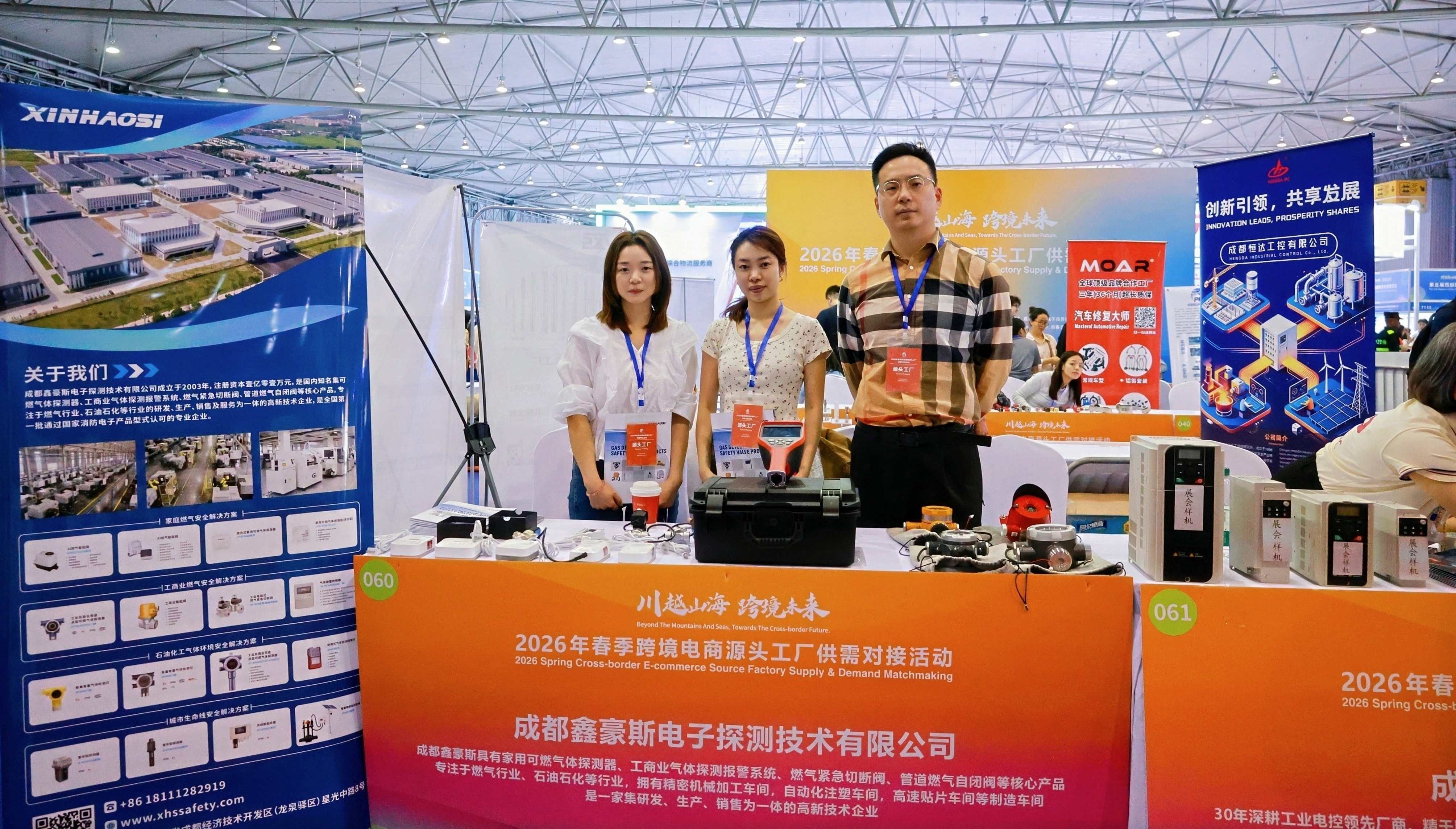
Connecting with international buyers, distributors, and supply chain partners to support and expand our global business relations.

Exploring direct partnerships and local supply configurations to meet the growing demand for safety systems in Southeast Asia.