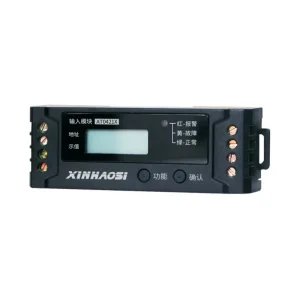
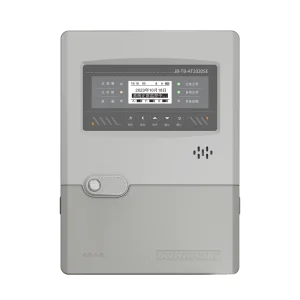
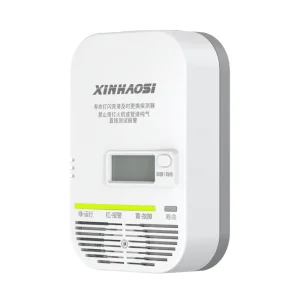
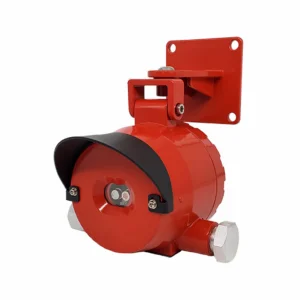
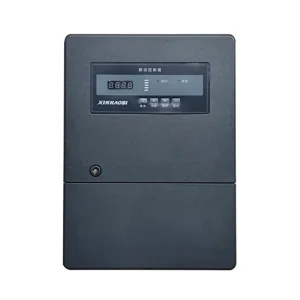
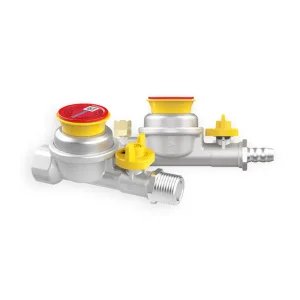
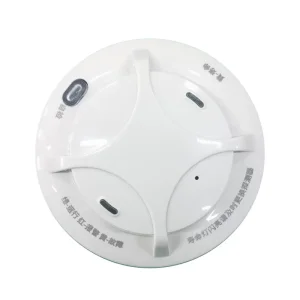
Explore our curated range of industrial-grade explosion-proof detectors, controllers, and gas safety system components.
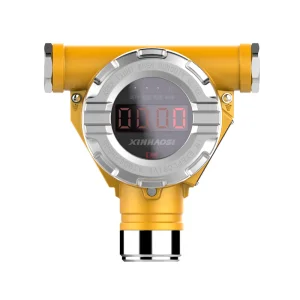
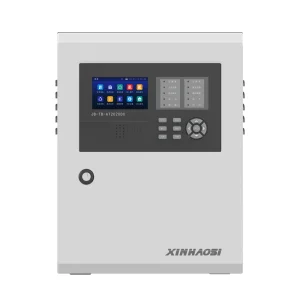
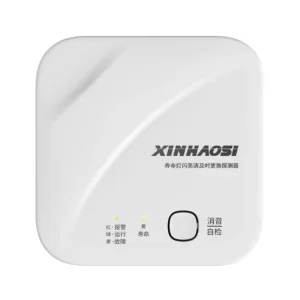
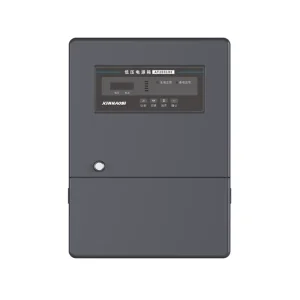
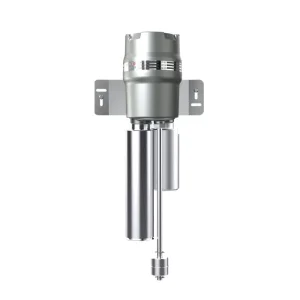
Liquefied Petroleum Gas (LP Gas), comprising mixtures of propane and butane, is a fundamental source of global energy. However, its vaporized state presents extreme flammability risks. In safety instrumented systems (SIS), the LP Gas Solenoid Valve serves as the final control element, functioning as the decisive safety barrier. Operating on electromechanical principles, these solenoids must deliver reliable gas isolation within milliseconds of fault detection, under harsh environmental conditions, and across thousands of duty cycles. This technical whitepaper explores the design architecture, compliance frameworks, smart system integration, and global procurement criteria defining high-quality LP Gas solenoid manufacturing today.


Future Ready Sensing & Control Solutions
Founded in 2003, Xinhaosi has established itself as one of the most influential and reliable brands in the gas safety industry. We leverage advanced electronic detection systems and electromagnetic actuation components to make invisible gas leak risks clear, visible, and immediately manageable.
By designing, engineering, and manufacturing customer-focused safety systems, we secure critical infrastructures: from commercial kitchens and municipal gas pipe hubs to massive petrochemical refinery networks. Powered by Industry 4.0 production environments, we create intuitive, highly precise, and extremely reliable gas safety systems for shaping a safer world.
Learn More About Our Journey →How cutting-edge materials and intelligent diagnostics are changing the face of gas safety valve systems.
Traditional solenoid valves require constant power draw to maintain an open state. The next-generation design path integrates bistable (latching) solenoids and energy-saving hold circuits. These minimize power consumption by up to 90%, preventing heat buildup inside the coil, extending component lifespan, and improving performance in off-grid solar-powered monitoring stations.
As the global energy mix transitions to low-carbon fuels, blending hydrogen into natural gas and LP gas systems is rising. Hydrogen molecules cause metal embrittlement and leakage in standard elastomer seals. Our research focuses on advanced metals (such as 316L stainless steel) and specialized fluorocarbon (FKM) compounds to guarantee zero-leak safety for hydrogen-mixed gas lines.
Integrating embedded sensors within the solenoid housing allows for real-time monitoring of coil temperature, response time, and current draw anomalies. By linking these parameters to an industrial IoT platform, gas companies can predict armature wear or coil breakdown before failure, shifting maintenance from reactive to predictive.
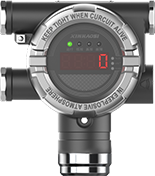
Safety first from precision sensing and automated safety shutdown loops.

Home and residential safety powered by smart gas detection and alert systems.
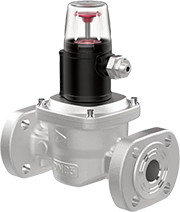
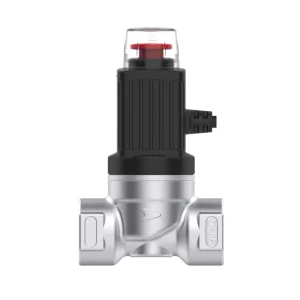
Gas Solenoid Valves. Protecting properties and lives by stopping gas leaks at the source.
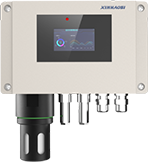
Distribution and monitoring. Advanced sensor telemetry for smart gas networks.
Tailored engineering solutions configured to meet specific hazard criteria across diverse commercial and heavy-duty fields.
In restaurants and hotel kitchens, mechanical wear, heat, and grease pose risks to safety devices. Our solutions integrate gas detectors with automated shut-off solenoid valves. In the event of a leak or fire alarm trigger, the safety system isolates the main gas supply line instantly, preventing explosion risks.
Heavy heating operations need solenoids that can manage high flow rates and high pressures. Our heavy-duty gas solenoid series operates reliably under pressure fluctuations, providing gas containment for furnaces, boilers, and industrial kilns.
Urban gas distribution demands digital control interfaces and long-term durability. Our valves interface with SCADA networks, enabling municipal utility teams to remotely isolate gas supply lines in response to seismic events, pressure drops, or gas leaks.
Operating a modern gas safety production facility requires strict quality control at every phase of assembly. Our production system utilizes automated machining and testing procedures to ensure that each LP Gas Solenoid Valve leaving the assembly floor meets high performance and safety benchmarks.
Precision robotic winding machinery guarantees consistency in solenoid coil turns and resistance values. Automated assembly minimizes human error, ensuring stable performance across large-volume production runs.
To ensure seal integrity, every valve body undergoes helium leak testing. This process detects micro-fissures and seal defects that traditional air-bubble testing methods miss, verifying zero-leak operation.
Each solenoid valve is marked with a unique tracking code. This allows full digital traceability of raw material batches, manufacturing dates, and performance test logs, giving global procurement managers complete supply chain visibility.
Navigating the complex regulatory landscape of explosion-proof certifications and regional compliance guidelines.
Solenoid valves used in hazardous zones must be certified to contain internal explosions without igniting surrounding flammable gases. Our components meet ATEX and IECEx standards, qualifying them for Zone 1 and Zone 2 hazardous areas.
In chemical and industrial plants, valves must integrate with Safety Instrumented Systems (SIS). Our solenoid valves are evaluated to SIL 2 and SIL 3 criteria, verifying high reliability in emergency shut-off applications.
We provide engineering support to assist with regional voltage specifications, customized thread standards (NPT, BSP, ISO), and custom housing materials suited for challenging environmental conditions.
When sourcing LP Gas solenoid valves, procurement teams must evaluate key technical specifications beyond price to ensure long-term installation safety and system reliability.
| Technical Parameter | Critical Requirements | Procurement Impact |
|---|---|---|
| Valve Body Material | Forged Brass or 316 Stainless Steel | Prevents body porosity leaks and ensures corrosion resistance in aggressive atmospheres. |
| Elastomer / Seal Material | NBR, Viton (FKM), or HNBR (for low temp) | Guarantees compatibility with LP Gas compounds and prevents seal degradation. |
| Coil Insulation Class | Class H (up to 180°C heat tolerance) | Prevents electrical insulation breakdown during continuous duty cycles. |
| Explosion Protection | Ex d IIC T4 Gb / Ex mb IIC T4 Gb | Essential for legal compliance and explosion safety in hazardous industrial zones. |
| Reset Operations | Manual or Automatic Reset options | Manual reset ensures human supervision before restarting the gas supply line. |
We work with leading industrial brands and municipal gas suppliers globally to build reliable safety systems.
























Stay updated with the latest technological developments and industry events from Xinhaosi.
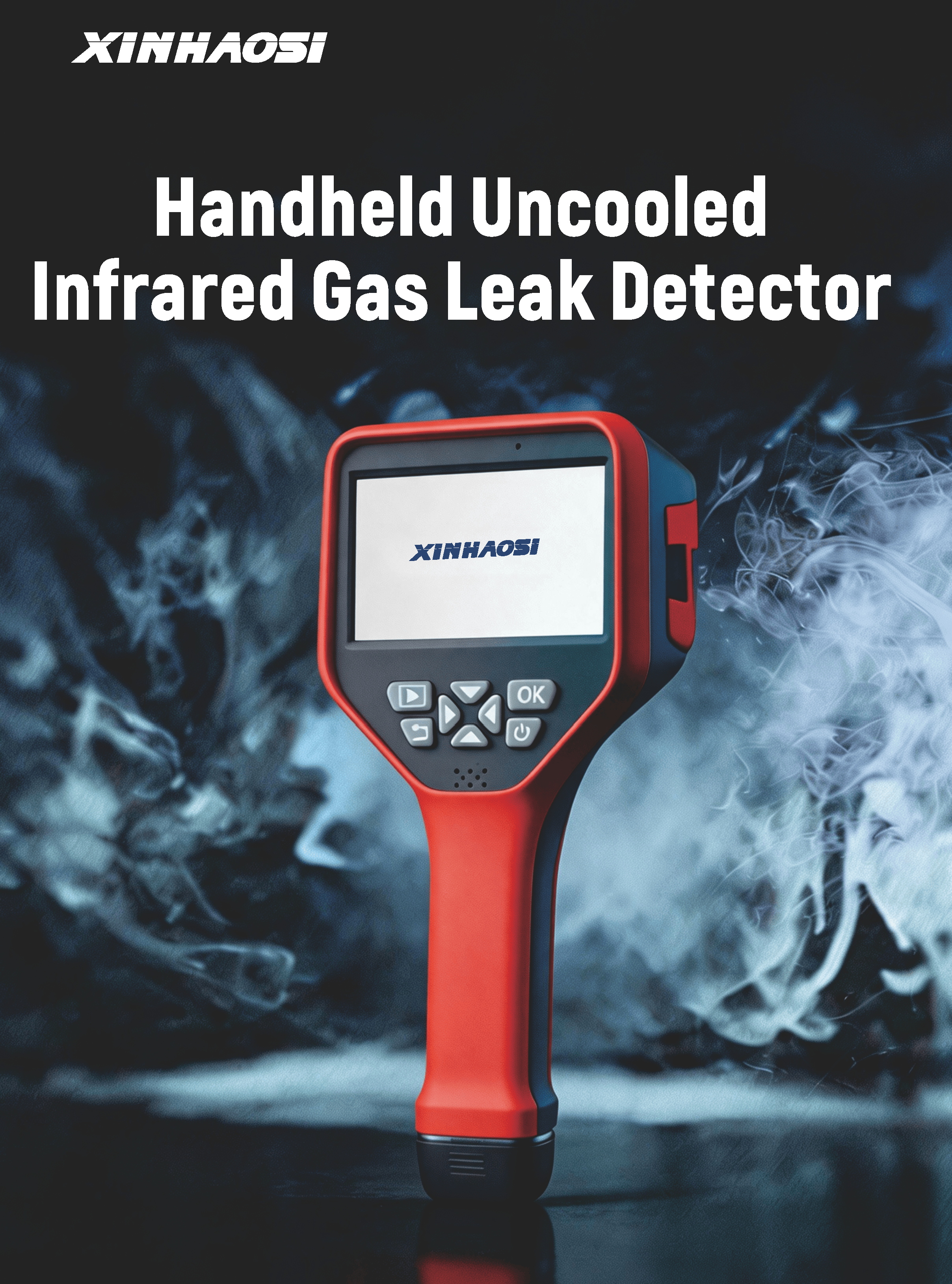
Xinhaosi Electronic Detection Technology Co., Ltd. officially launched its new Handheld Uncooled Infrared Gas Leak Detector, featuring dual-technology fusion, fast response times, and non-contact detection to enhance safety in petrochemical, refrigeration, and natural gas installations.
Read Article →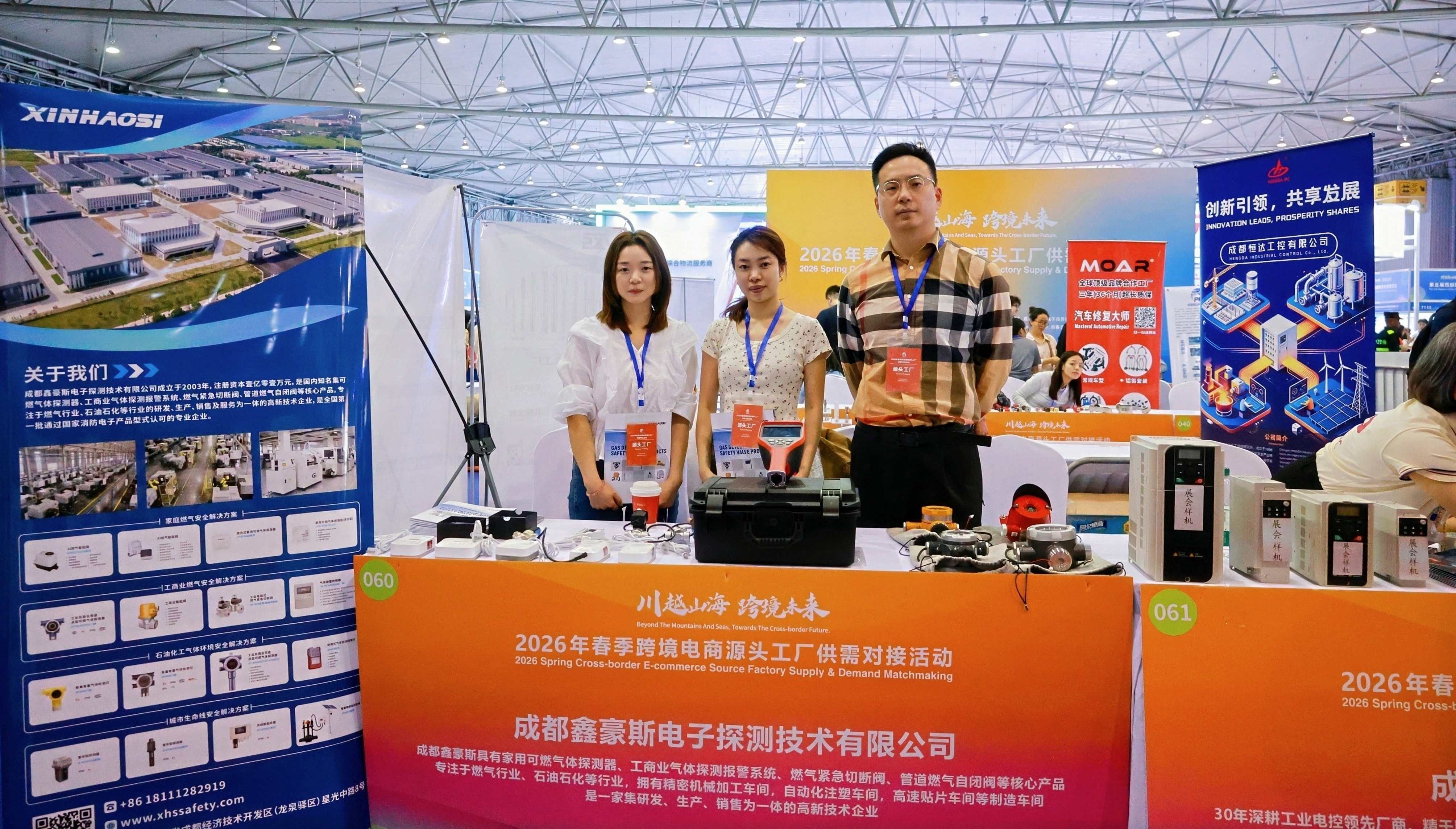
Xinhaosi participated in the 5th Western China Cross-Border E-Commerce Expo held in Chengdu. The event connected platforms, buyers, and manufacturers, opening new opportunities for international trade and overseas safety system projects.
Read Article →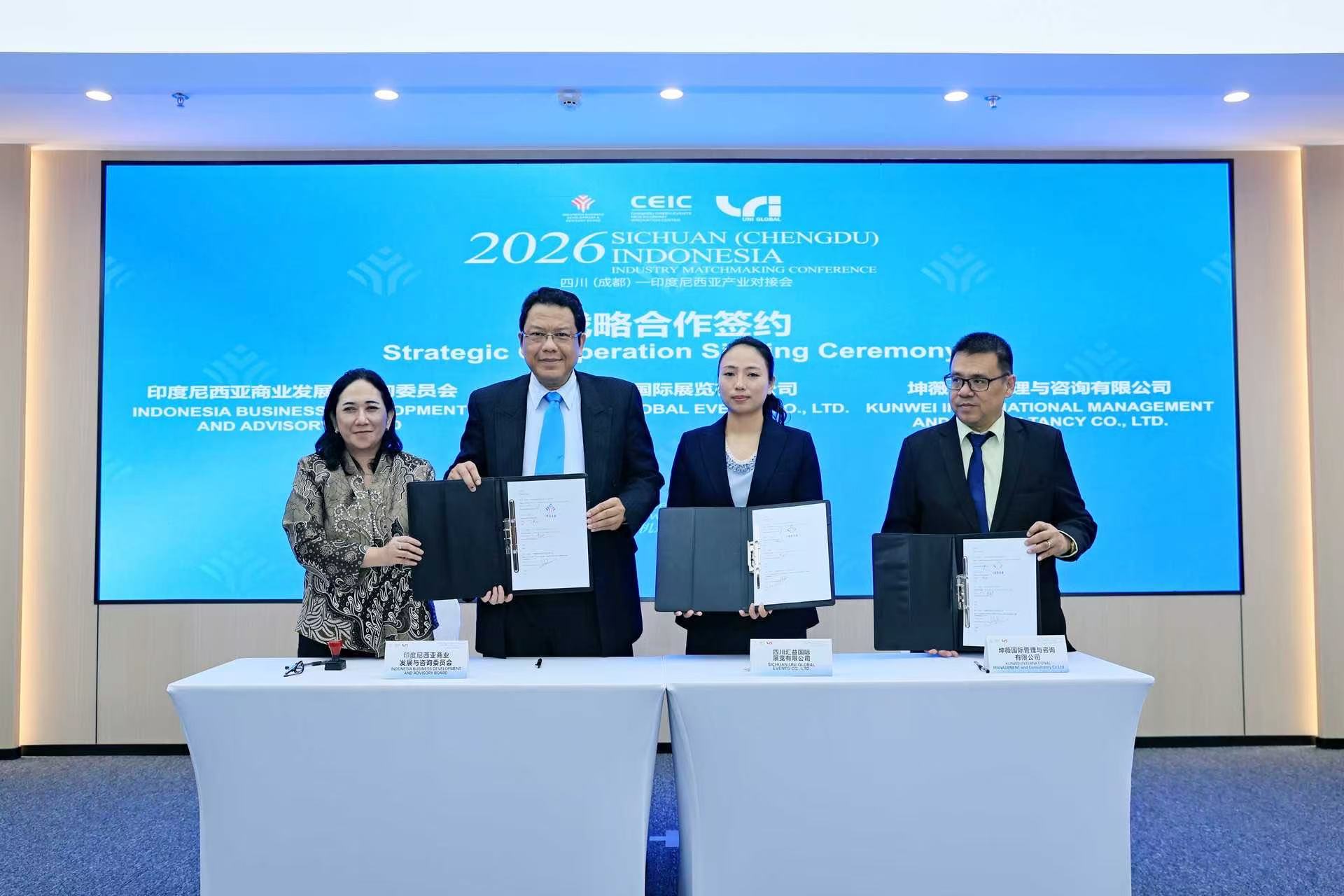
Xinhaosi attended the 2026 Sichuan (Chengdu) - Indonesia Industry Matchmaking Conference in Chengdu. The event brought together regional representatives to strengthen industrial cooperation and develop safety projects in Southeast Asian markets.
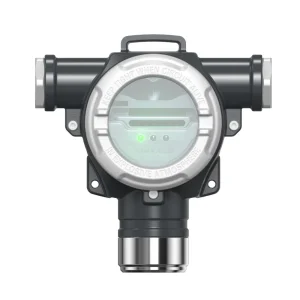
Read Article →Browse our selection of household, commercial, and OEM safety components, including solenoid shut-off units.

Contact our application engineering team today for technical details, dimensional drawings, or project-specific quotations.
Request Engineering Quote