Methane ($CH_4$) is a primary component of natural gas, a crucial fuel source, and one of the most potent greenhouse gases (GHGs) contributing to global warming. With a global warming potential (GWP) 84 times greater than carbon dioxide ($CO_2$) over a 20-year timescale, methane abatement has emerged as a cornerstone of international climate policy. Historically, industrial systems focused primarily on LEL (Lower Explosive Limit) detection for explosion protection. Today's global commercial market requires an integrated approach: simultaneous safety monitoring (LEL levels) and high-sensitivity micro-leakage detection (ppm levels) to meet environmental ESG (Environmental, Social, and Governance) targets.
Across key industrial sectors such as Oil & Gas (upstream extraction, midstream transmission, and downstream refining), Wastewater Treatment, Municipal Gas Networks, and Biogas Plants, continuous monitoring is mandated by stringent regulatory structures. Initiatives like the United Nations Global Methane Pledge (which aims to reduce global methane emissions by 30% by 2030) and the EU Methane Regulation are driving a structural transition from periodic manual walk-through surveys to permanently installed continuous gas leak detection networks. Industrial operators require highly stable, flameproof, and SIL (Safety Integrity Level) certified gas controllers and field transmitters to ensure 100% operational uptime.
Tunable Diode Laser Absorption Spectroscopy offers extreme sensitivity (down to sub-ppm levels) with absolute target gas specificity, preventing cross-interference from other hydrocarbon components. TDLAS represents the gold standard for open-path monitoring and fence-line refinery safety applications.
Widely used for Lower Explosive Limit (LEL) monitoring of combustible gases. The sensors detect methane concentration by measuring the heat generated when methane oxidizes on a catalyst-coated bead. Cost-effective and highly reliable for standard industrial safety zones.
Utilizes specific infrared light absorption properties of methane. NDIR sensors are resilient to catalytic poisons such as silicones, halogenated hydrocarbons, and hydrogen sulfide, ensuring long-term stability and minimal calibration drift in harsh, oxygen-deficient environments.
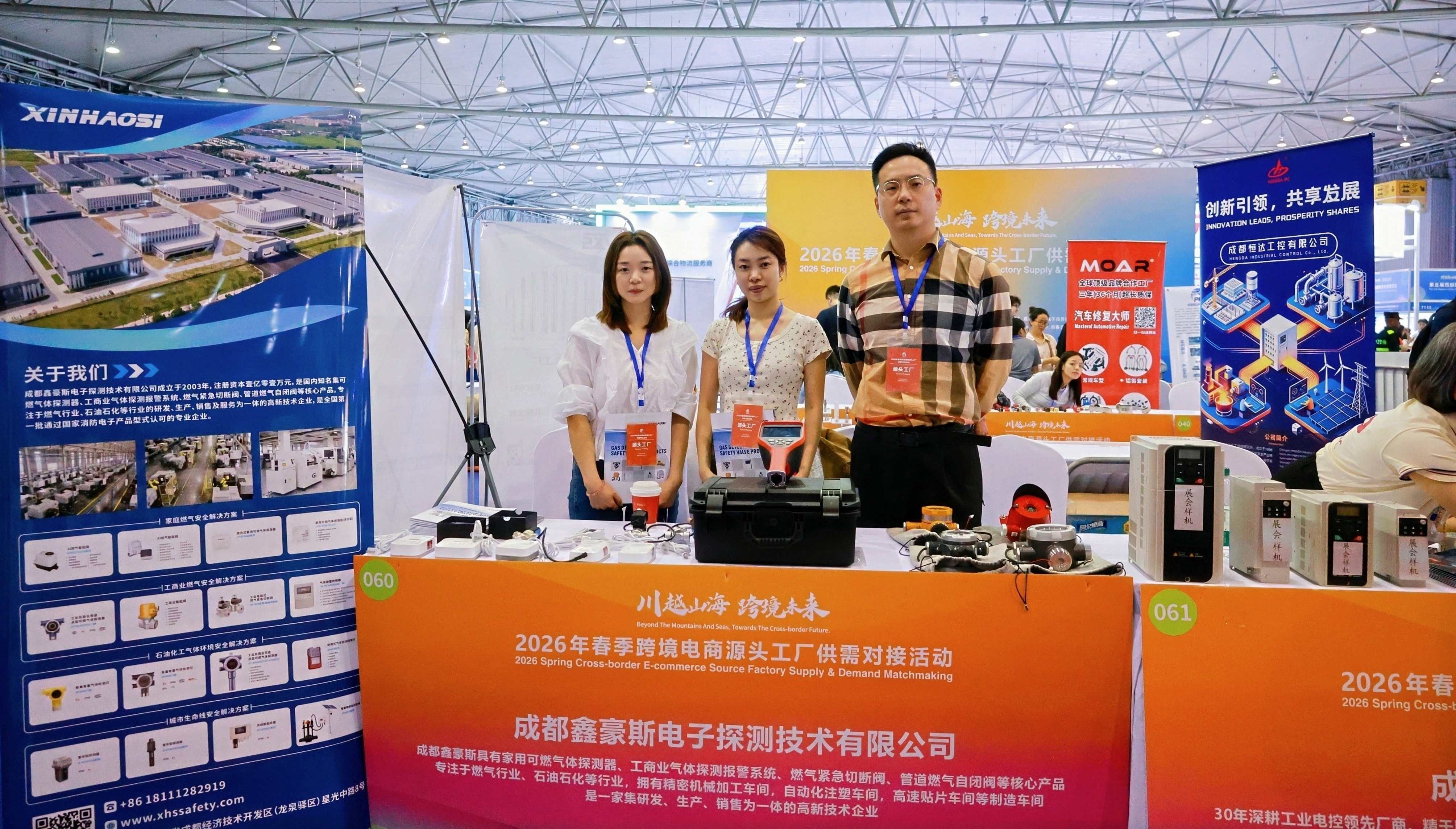
Founded in 2003, Xinhaosi has established itself as one of the most influential and trusted brands in the gas safety industry. Our primary objective is to safeguard every factory floor, protect urban gas distribution lines, and ensure domestic security worldwide. Leveraging advanced electronic detection technologies, we render unknown hazard risks fully visible and manageable.
Powered by intelligent production systems and continuous R&D investments, we deliver reliable, precise, and custom gas safety solutions. Our design team focuses on core sensor calibration, robust casing designs, and low-latency system integration to guarantee responsive, high-performance monitoring under challenging environmental parameters.



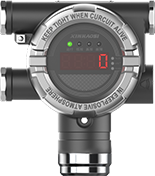
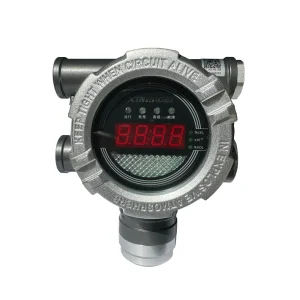
Precision sensing instruments designed for petrochemical, refinery, and power generation infrastructure. Built to withstand high temperatures and vibration.
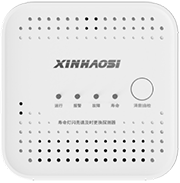
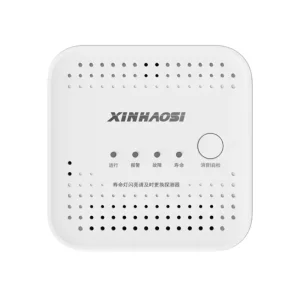
Reliable domestic and light-commercial gas leakage monitoring systems with direct valve-cutoff linkage for high-density residential properties.
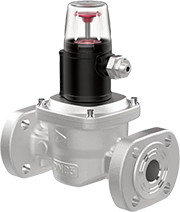
Emergency shutoff solenoids directly integrated with gas leak detection networks. Mitigates explosion risks instantly at the source.
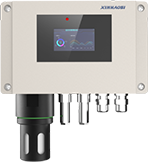
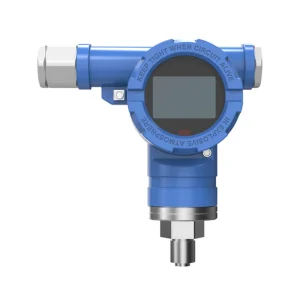
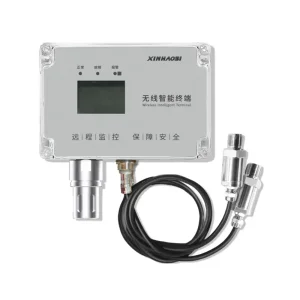
Smart pressure monitors, wireless intelligent terminals, and telemetry devices for city-wide distribution network safety monitoring.
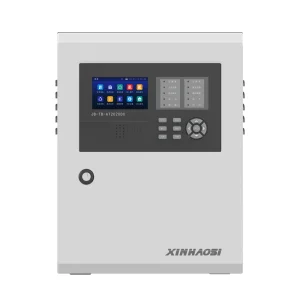
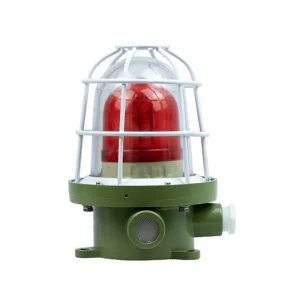
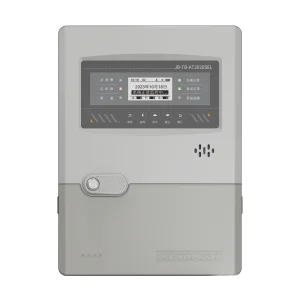
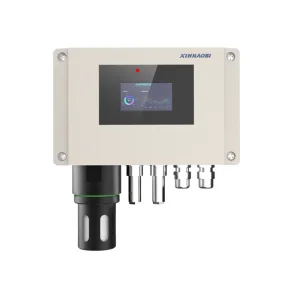
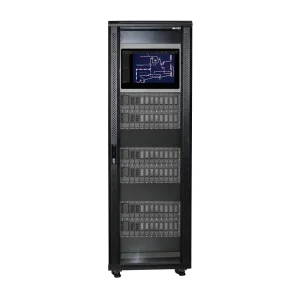
A gas safety system is only as strong as its weakest link. At Xinhaosi, we implement complete monitoring integration: field detectors, transmitter terminals, alarm controllers, and safety valves. When a sensor detects gas concentrations rising above safe thresholds, it communicates instantly with the centralized multi-channel gas controller (e.g., the JB-TB-AT2020DX), which simultaneously triggers audible/visual alarms and activates industrial solenoid valves to isolate the leak area.
Our solutions incorporate Modbus RTU, 4-20mA analog loop, and wireless LoRaWAN / NB-IoT communications, facilitating connection to third-party SCADA systems for real-time remote telemetry and cloud diagnostics.
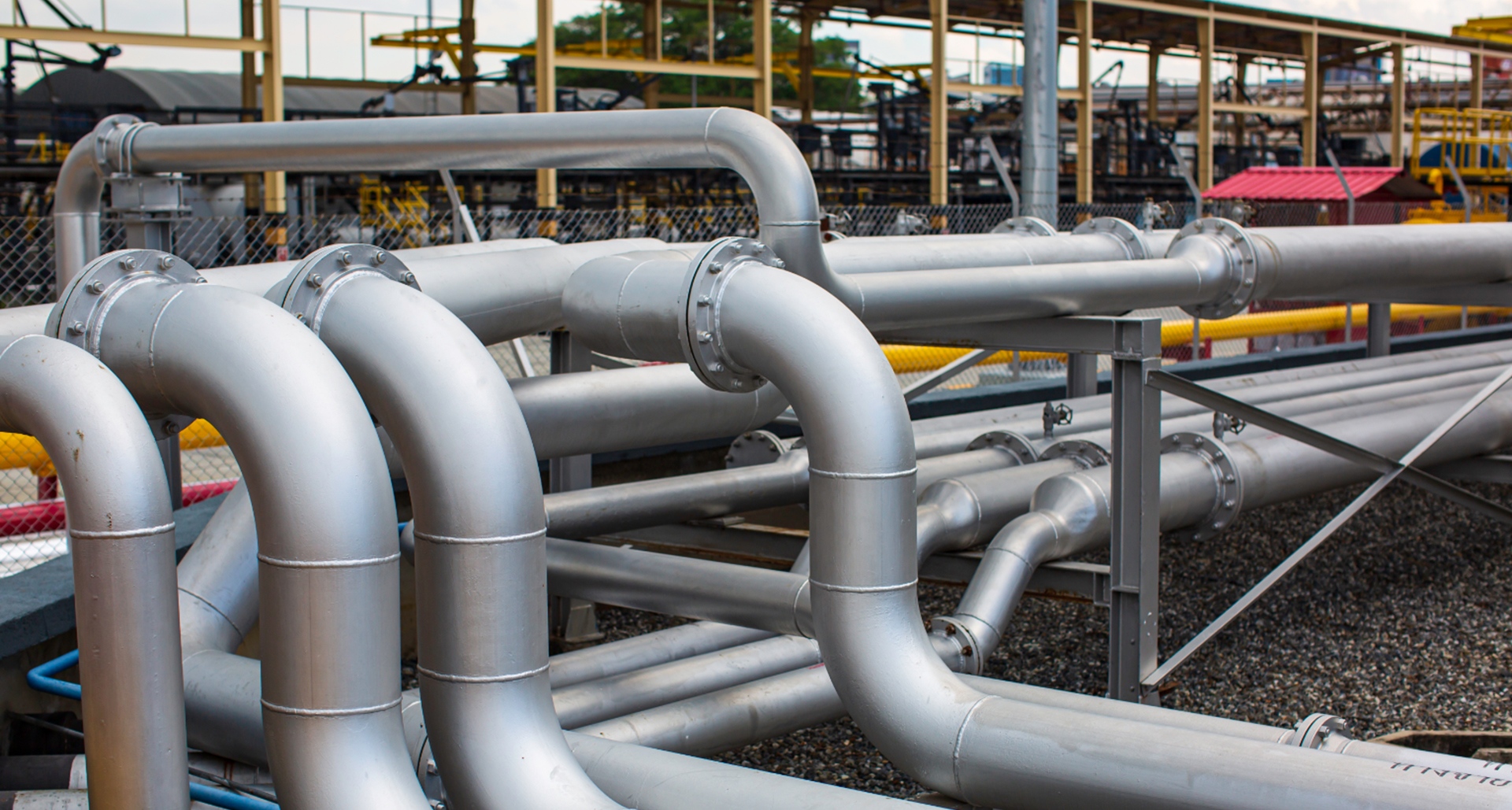
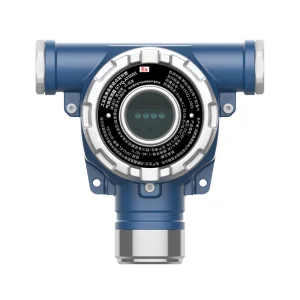
Methane storage infrastructure operates under extremely low temperatures and high pressures. Small mechanical defects in valves, pipe couplings, or storage gaskets can quickly escalate. Our explosion-proof detectors, with durable Ex d IIC T6 ratings, ensure continuous operation in these demanding conditions.
Urban utilities demand low-maintenance, wireless sensor nodes. Using smart, battery-powered pressure and gas monitors, municipal operators can track gas line integrity remotely without heavy wiring expenses, minimizing risks of pocket accumulation in city sewers.
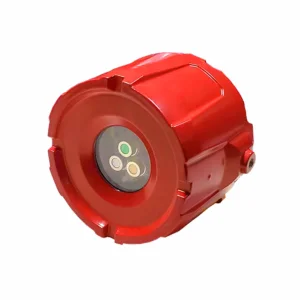
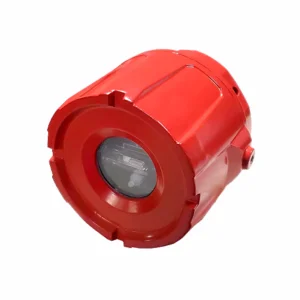
Industrial furnaces and chemical synthesis reactors utilize methane as feedstocks. These areas feature elevated ambient heat and potential toxic gases. Robust optical UV/IR flame detectors run alongside LEL monitors to provide dual-layered safety coverage.
As the industry moves toward autonomous monitoring, our product roadmap is centered around three primary fields:
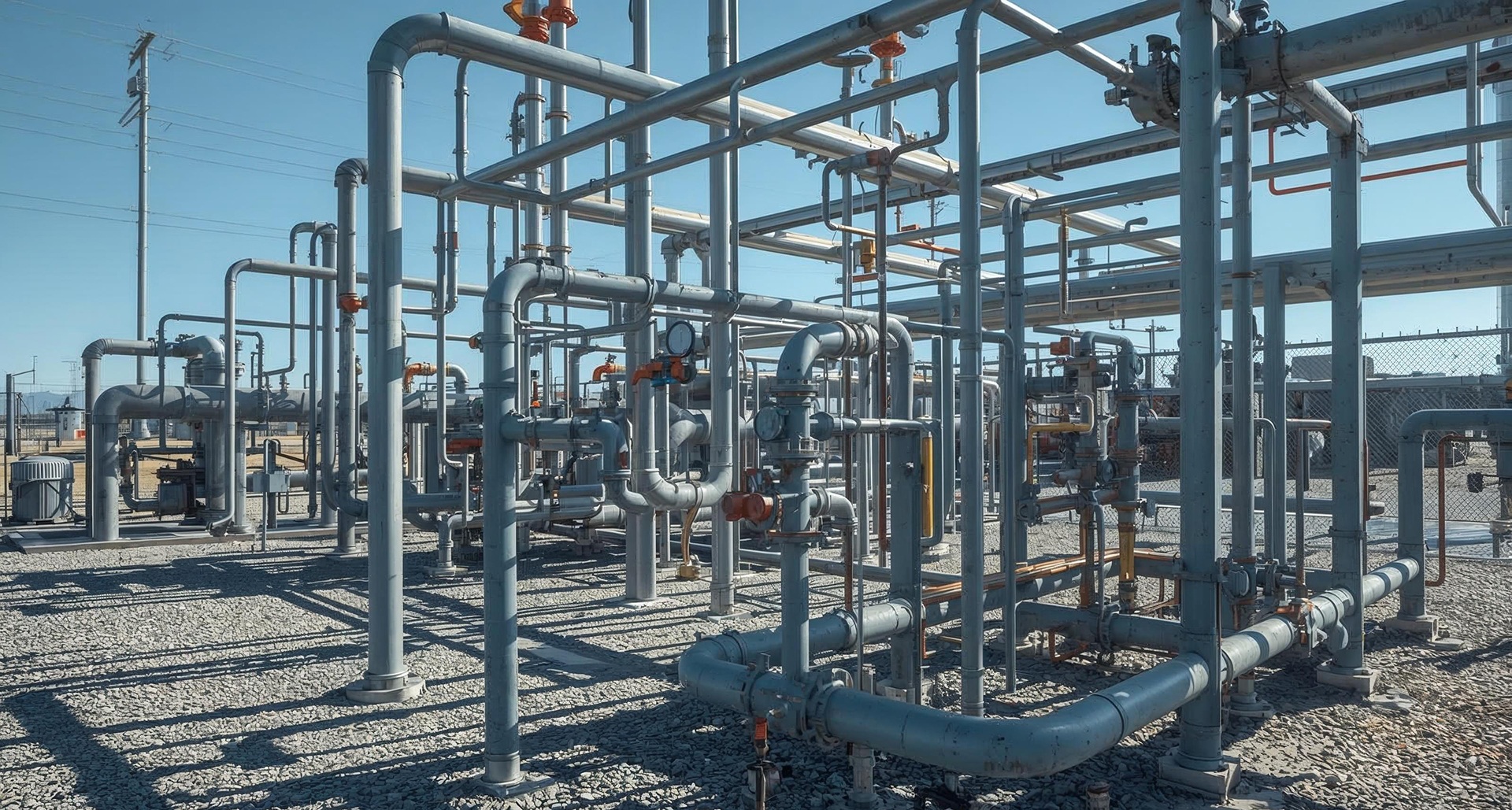
Partnering with leading municipal utilities, petrochemical enterprises, and industrial contractors globally to construct safe production ecosystems.
























Stay informed with the latest innovations, exhibition highlights, and international cooperation events from Xinhaosi.
Expert answers regarding calibration, installation, technology selection, and regulatory standard compliance for industrial safety managers.
Monitoring methane in % LEL (Lower Explosive Limit) focuses on safety, measuring concentrations from 0% to 100% of the minimum level at which methane can ignite in air (100% LEL corresponds to 5% methane by volume). Monitoring in PPM (Parts Per Million) is used for environmental monitoring and early leak detection, tracking very small concentrations (typically 1 to 10,000 ppm) before they accumulate to hazardous or explosive levels.
Standard industrial guidelines suggest performing a bump test weekly or monthly, with full calibration using certified reference gas cylinders every 3 to 6 months. Environmental factors, target gas exposure frequency, and specific sensor technologies (catalytic vs. infrared) influence calibration intervals. NDIR sensors generally require less frequent calibration compared to catalytic combustion alternatives.
No. Catalytic combustion sensors require atmospheric oxygen to oxidize the target gas on the detector element. For zero-oxygen or inert gas environments, such as pipeline interiors or sealed processing tanks, Non-Dispersive Infrared (NDIR) or Tunable Diode Laser (TDLAS) sensors should be selected, as they rely on light absorption rather than chemical oxidation.
An explosion-proof (Ex d) classification indicates the detector housing is designed to contain any internal explosion resulting from gas entering the unit, preventing the ignition of combustible gases in the surrounding atmosphere. This rating is essential for Class I, Division 1 and 2 hazard zones in refineries, chemical plants, and pipeline compressor stations.
Gas controllers, like the JB-TB-AT2020DX, process signal inputs from field detectors. When a pre-set threshold (such as 20% LEL for warning, 50% LEL for alarm) is crossed, the controller switches internal dry-contact relays. These relays trigger external safety equipment, including sound-light beacons, ventilation fans, and emergency gas solenoid valves to shut off the gas supply automatically.