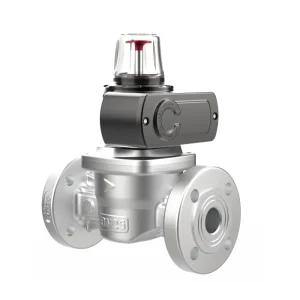
Explore our foundational safety components engineered for seamless integration with high-performance electromagnetic control arrays.
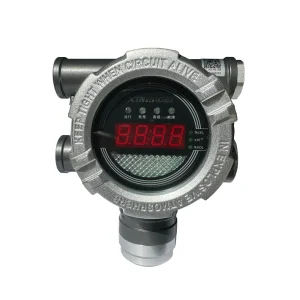
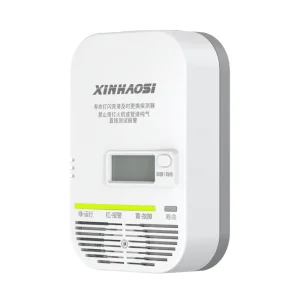
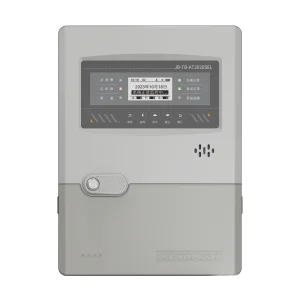
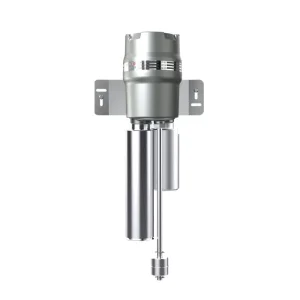
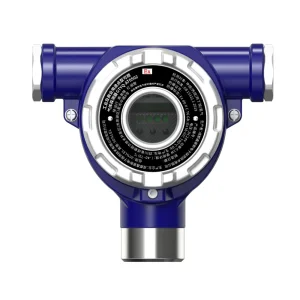
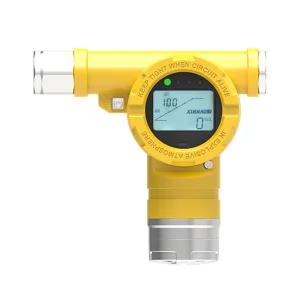
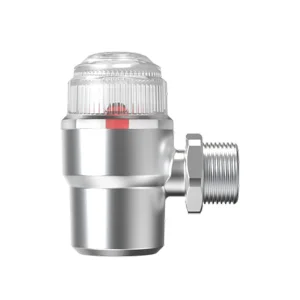
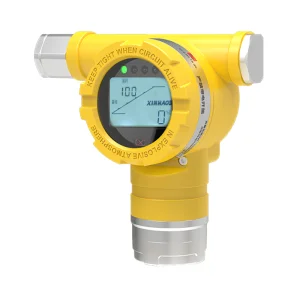
Underpinning safety barriers and critical fluid control paths across chemical processes, public utility systems, and automation lines.
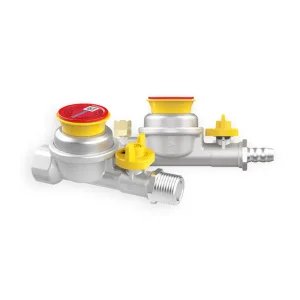
In modern industrial process automation, fluid control components serve as the critical interface between digital control units and physical mechanics. Within this landscape, the Normally Closed (NC) Solenoid Valve represents the gold standard for failsafe operations. Unlike its Normally Open (NO) counterpart, an NC solenoid valve remains sealed by mechanical spring tension when de-energized, only opening when electric current passes through the electromagnetic coil. This default-to-close mechanism guarantees that during unexpected grid failure, emergency shutdowns, or system de-energization, pipelines carrying hazardous media—such as combustible gases, volatile solvents, or process steam—are instantly and securely isolated.
The global demand for NC solenoid valves has scaled exponentially. According to recent market analysis, this surge is heavily driven by stringent occupational safety mandates (such as ATEX in Europe, OSHA regulations in North America, and GB safety standards in China), the global migration toward IoT-driven smart grids, and the expansion of residential and commercial gas supply infrastructure. Procurement officers are no longer searching merely for catalog components; they demand highly customizable, reliable, and durable solutions designed to withstand extreme thermal cycles, high-frequency operations, and corrosive environments.
At the core of a premium NC solenoid valve is a carefully balanced equilibrium between fluid dynamics and electro-magnetic physics. When an electrical signal is sent to the coil, it creates a magnetic field that attracts the movable iron plunger, overcoming the force of the return spring. In a direct-acting valve, the plunger directly opens the main orifice. In a pilot-operated valve, the plunger opens a secondary bleed orifice, using the medium's internal line pressure to lift the main sealing diaphragm. Understanding these engineering differences is critical for selecting the right model based on minimum operating pressure differentials.
Understanding how sealing polymers, explosion-proof enclosures, and coil thermal dissipation dictate valve service life.
To deliver a failsafe industrial safety net, an NC solenoid valve must withstand chemical corrosion and thermal stresses. The selection of materials is critical: valve bodies are typically cast from high-tensile brass, aluminum alloys, or 316 stainless steel to withstand structural stresses. Inside the valve, the elastomer seals (such as NBR, FKM/Viton, EPDM, and PTFE) must be selected based on the specific chemical properties and temperature profile of the media flowing through them.
1. Coil Duty Cycle (100% ED): In automated process loops, solenoid valves may remain energized for extended periods. A 100% ED rating ensures the coil can operate continuously without overheating or suffering insulation breakdown.
2. Explosion-Proof Ratings (ATEX/IECEx/CNAS): In environments containing explosive gases or coal dust (such as mine shafts or chemical refineries), the solenoid coil must be housed in an explosion-proof enclosure to contain any internal spark or thermal energy, preventing ignition of the surrounding atmosphere.
3. Flow Coefficient (Cv / Kv): Sizing the valve orifice is critical. An undersized valve restricts flow and creates a high pressure drop, while an oversized valve leads to erratic control and premature wear.
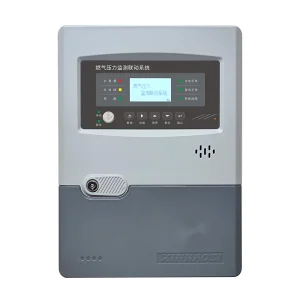
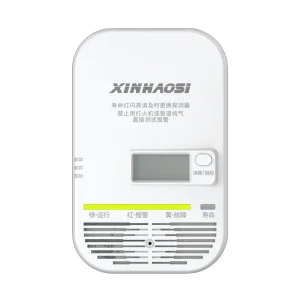
A key innovation in industrial safety is linking NC solenoid valves with intelligent gas and flame detection systems. When detectors like the GTYQ-AT0602 spot a gas leak, they instantly signal the control panel (such as the JB-TB-AT2020SEL). The panel then cuts power to the NC solenoid valve, causing it to shut off the gas supply immediately. This combination of active sensing and passive mechanical isolation creates a highly reliable safety loop that prevents hazards before they can escalate.


Founded in 2003, Xinhaosi has established itself as one of the most influential and reliable brands in the gas safety industry. We provide customer-focused products and services to safeguard the safe operation of every factory, the comfort of every city, and the peace and happiness of every home. Powered by cutting-edge production systems and technology, we deliver advanced, intuitive, and precise gas safety solutions for shaping a safer future world.
We utilize advanced electronic detection technology to make unknown gas leak risks clear and visible, bridging the gap between mechanical fluid shut-offs and digital atmospheric monitoring networks.
More About UsFrom deep mining installations to automated residential networks, discover where our valves deliver unmatched dependability.
Integrated with regional monitoring stations to allow remote or automated emergency gas shut-offs across municipal pipelines during seismic events or pressure anomalies.
Explosion-proof NC valves control chemical lines and purge paths in classified hazardous areas, designed to prevent catastrophic leaks in the event of power outages.
Ensures gas flow is safely shut down during flame failure or power cuts, preventing unburned fuel accumulation and potential combustion hazards.
Engineered for high moisture and dust resistance (IP65+), working alongside combustible gas monitors to safeguard personnel and assets in confined spaces.
Precisely controls refrigerant flow in large cooling circuits, preventing chemical discharge and environmental hazards during unexpected system shutdowns.
Installed at main service entries and paired with local gas detectors to shut off gas lines in the event of carbon monoxide or LPG leaks.
How advanced manufacturing hubs in China deliver high-precision products, certified quality, and cost-efficient customization at scale.
For global procurement managers, sourcing from a manufacturer in China offers a competitive edge in both cost efficiency and technological agility. China’s advanced industrial manufacturing clusters, particularly in the western high-tech hubs like Chengdu, Sichuan, provide a highly integrated supply chain ecosystem. This proximity of raw material refineries, precision CNC machining shops, automated copper coil winding facilities, and state-of-the-art testing centers allows manufacturers to move from design prototypes to mass production faster than competitors elsewhere.
In addition, China’s solenoid valve manufacturers have moved up the value chain, shifting focus from high-volume assembly to advanced R&D. Today, Chinese factories invest heavily in automated testing machines that cycle each valve under simulated extreme pressures and temperatures before packaging. This rigorous quality control ensures that our valves meet international standards such as CE, RoHS, ATEX, and ISO9001, giving global buyers peace of mind and long-term product reliability.
Empowered by technology, full-chain integration, and comprehensive protection—shaping the future of industrial safety.
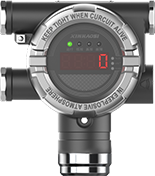
Safety First from Precision Sensing

Home Safety from Gas Monitoring
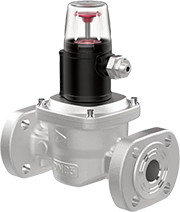
Protecting from the Source
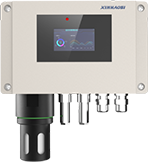
Smart Sensing for Urban Gas
Collaborating with leading enterprises to build robust gas safety ecosystems worldwide.
























How smart sensing and energy-efficient designs are shaping the next generation of fluid control solutions.
The industrial landscape is moving rapidly toward smarter, more sustainable technologies, and solenoid valve engineering is evolving in three key areas:
1. Energy-Saving Pulse Coils: Traditional NC solenoid valves require continuous electrical power to stay open, which can generate heat and consume significant energy. Future designs are adopting dual-winding or pulse-activated coils. These use a quick surge of power to open the valve, and then drop to a minimal holding current, reducing energy use by up to 80% and extending coil lifespan.
2. Smart Diagnosis and Predictive Maintenance: As factories move toward Industry 4.0, next-generation solenoid valves are being equipped with built-in sensors. These monitor parameters like temperature, coil resistance, and stroke speed in real time. This data is sent to predictive maintenance software, helping operators address potential issues before they cause system downtime.
3. Deep Integration with Gas Detection Ecosystems: Safety is shifting from reactive components to proactive, linked systems. Modern safety layouts combine high-speed gas detectors directly with automated shut-off valves to create a fast, localized safety loop that minimizes reliance on centralized control networks.
Keep pace with technological updates, exhibitions, and international safety conferences from Xinhaosi.
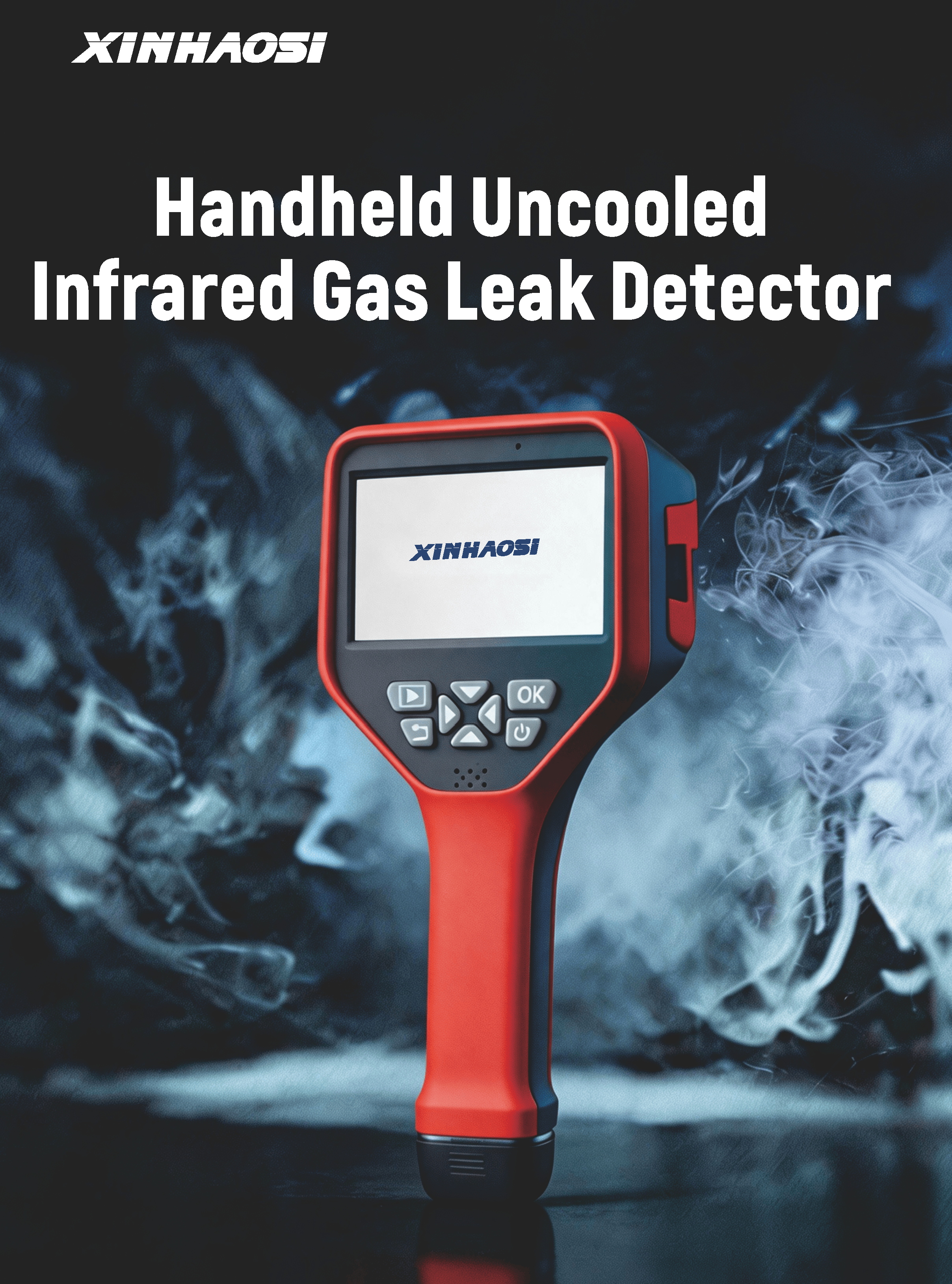
Xinhaosi Electronic Detection Technology Co., Ltd. officially launched its new Handheld Uncooled Infrared Gas Leak Detector, featuring dual-technology fusion, ultra-fast response, and long-distance non-contact detection...
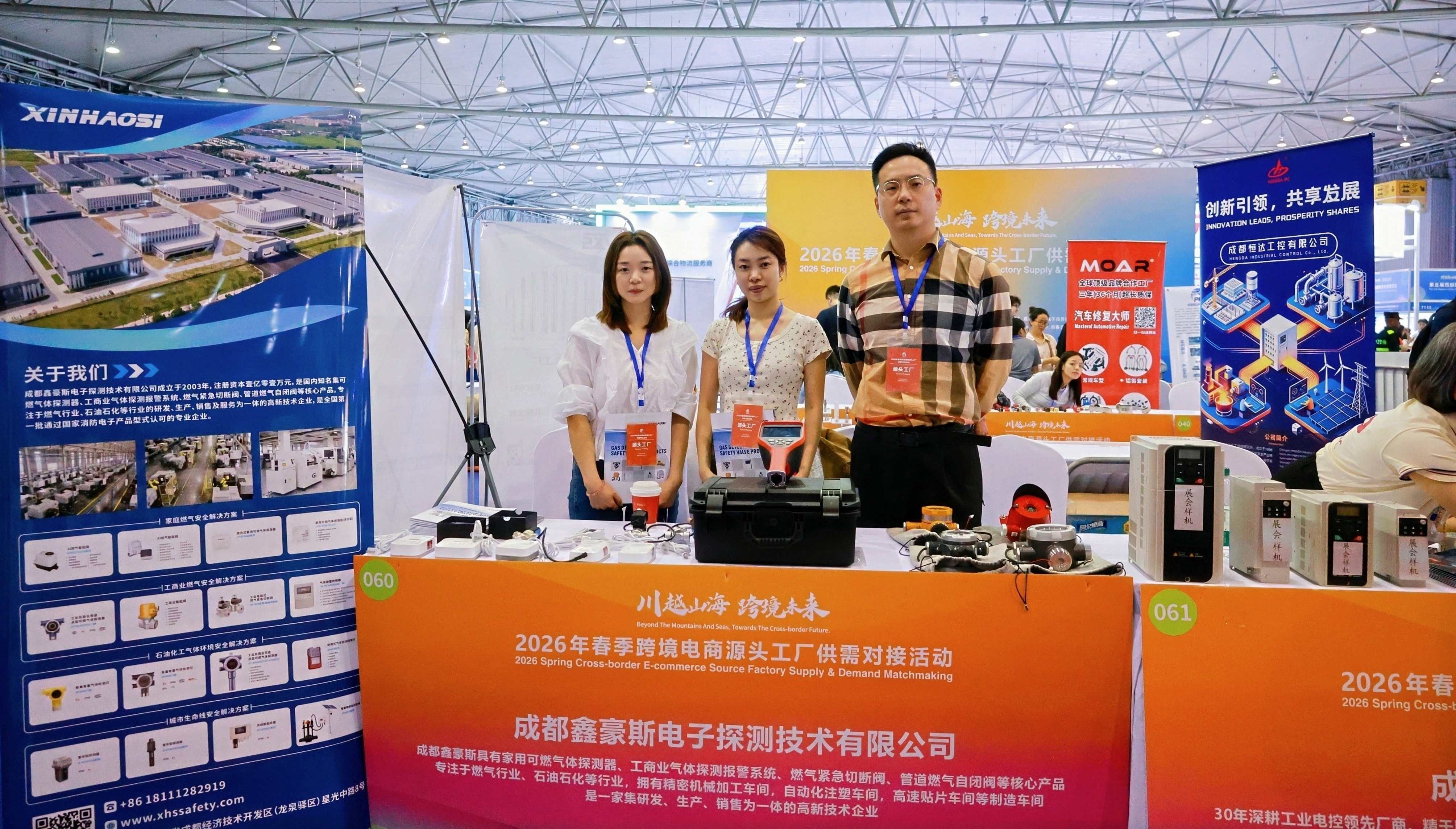
XINHAOSI recently participated in the 5th Western China Cross-Border E-Commerce Expo held in Chengdu. The event brought together cross-border e-commerce platforms, global buyers, manufacturers, and supply chain companies...

XINHAOSI recently participated in the 2026 Sichuan (Chengdu) – Indonesia Industry Matchmaking Conference. The event gathered enterprises from China and Indonesia to explore new business opportunities in Southeast Asia...
Expert answers to the most common questions regarding solenoid valve safety systems, certification standards, and procurement practices.
Explore our wide range of control units, pressure transmitters, and automated shut-off components.