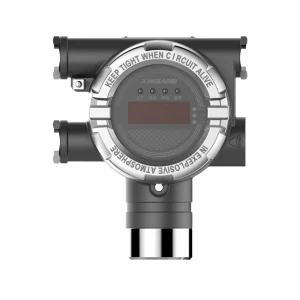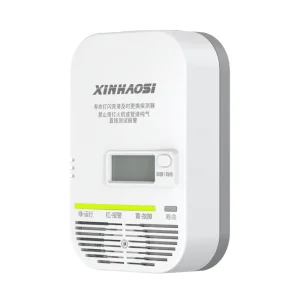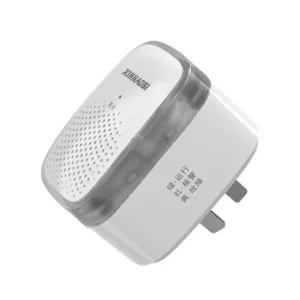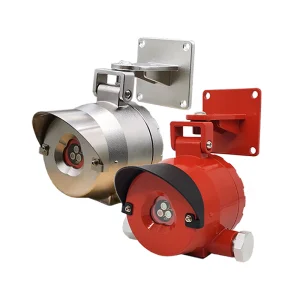
High-Quality SO2 Monitor Supplier & Factories

Pioneering Gas Detection & Environmental Safety Since 2003 with Advanced Sensor Technology, SIL2 Certification, and Worldwide Field Reliability

Featured Hardware

Industrial Flame & Gas Safety Systems

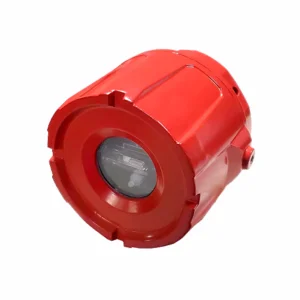
OEM FD1020 Triple Infrared Flame Detector

OEM FD1020 Triple Infrared Flame Detector-1 Supplier, Manufacturer

View Details
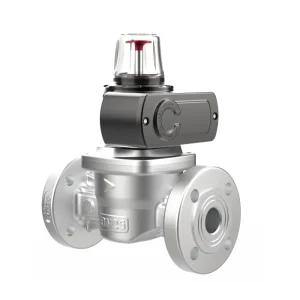
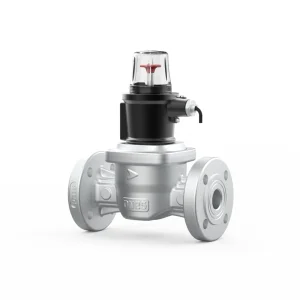
Industrial Gas Solenoid Valve KT-XF5

High-Quality Industrial Gas Solenoid Valve Normally Opened KT-XF5 Series Manufacturers, Factory

View Details
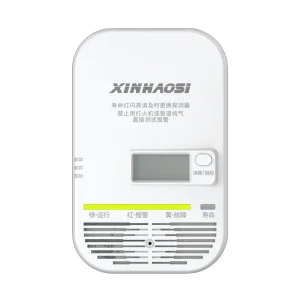
JT-AT2066AK/B Household Combustible Gas Detector

High-Quality China Suppliers Factory JT-AT2066AK/B Household Combustible Gas Detector for Safety and Security Supplier, Manufacturer

View Details
Explosion-proof Light and Sound Alarm BJX-24E

High-Quality Explosion-proof Light and Sound Alarm BJX-24E/BJX-22E from China Suppliers and Factory for Safety Solutions Suppliers, Manufacturer

View Details
GT-AT0637 Wireless Smart Pressure Monitor

High-Quality GT-AT0637 Wireless Smart Pressure Monitor Manufacturers, Factory

View Details
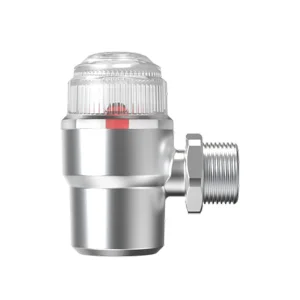
Dry Battery Type Wireless Solenoid Valve

High-Quality China Suppliers Factory Dry Battery Type Wireless Solenoid Valve for Household Use Supplier, Suppliers

View Details
OEM IFD2020 Single UV Flame Detector

OEM IFD2020 Single UV Flame Detector Manufacturer, Factory

View Details
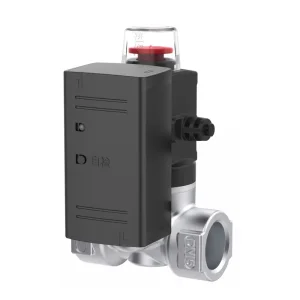
OEM XF3 Series Industrial Gas Solenoid Valve

OEM China XF3 Series Industrial Gas Solenoid Valve - Normally Opened, Top Suppliers & Factory Quality Suppliers, Manufacturers

View Details
White Paper & Global Sourcing Insight

High-Performance SO2 Monitoring: Sourcing Guidelines & Tech Requirements

In modern industrial facilities, sulfur dioxide (SO2) represents one of the most critical atmospheric hazards. Chiefly produced during the combustion of sulfur-rich fuels, mineral roasting, and processing within chemical manufacturing plants, SO2 requires precise, continuous monitoring to protect personnel and ensure environmental compliance. Procurement managers looking for a High-Quality SO2 Monitor Supplier & Factory face significant challenges: balancing long-term sensor reliability, minimizing cross-sensitivity (such as interference from H2S or NO2), ensuring intrinsic safety in explosive atmospheres, and maintaining a low total cost of ownership (TCO).

This comprehensive technical guide outlines the core technological choices, factory metrics, calibration configurations, and global standards that shape the market for high-quality sulfur dioxide monitoring instruments.

20+
Years In Safety Sensing
0.1 ppm
SO2 Resolution Limit
SIL 2
Safety Integrity Level
120+
Global Partners

1. Primary Technical Platforms for Industrial SO2 Sensing

Sourcing decision-makers must align their choice of detector with the specific operational demands of their site. There are two dominant sensor technologies utilized by high-quality SO2 factories:

Electrochemical Sensing

Electrochemical cells represent the standard for ambient workspace safety monitoring. These sensors function through the oxidation of SO2 at a working electrode, which yields an electrical current directly proportional to the gas concentration. They feature excellent sensitivity at lower concentrations (0–20 ppm or 0–100 ppm) and require very low power, making them ideal for battery-operated personal gas monitors and distributed fixed safety loops.

Non-Dispersive Infrared (NDIR)

For high-concentration processing loops, stack monitoring (CEMS), and environments where acid gases easily poison traditional chemical cells, NDIR sensors are highly recommended. NDIR monitors work by measuring the absorption of infrared light at the characteristic wavelength of SO2 (approximately 7.3 μm or 4.0 μm depending on the path length). They are mechanically robust and do not degrade over time due to high gas exposure, though they command a higher initial capital expense.

Critical Installer Insight: Sensor Placement Guidelines

Because Sulfur Dioxide (SO2) has a molecular weight of 64.06 g/mol, it is significantly heavier than air (air ~29 g/mol). When designing your plant layout, fixed SO2 monitor transmitters should be mounted close to potential leak sources, typically 0.3 meters to 0.6 meters (1 to 2 feet) above the floor, to detect accumulation in low-lying zones, trenches, and sumps.

2. Essential Compliance Protocols for Global Sourcing

When reviewing factories and choosing your manufacturing partner, compliance validation is the primary safeguard against operational failure and legal liability. A quality-focused SO2 monitor factory must demonstrate certifications across three core dimensions:

  • Explosion-Proof Ratings: Monitors targeting hazardous classified areas (Zone 1, Zone 2, Class I Div 1/2) must possess ATEX, IECEx, or UL/CSA certifications. The housing must be cast aluminum or stainless steel with flame arrestors to prevent internal sparks from igniting external vapors.
  • Functional Safety (SIL): Devices incorporated into emergency shutdown systems (ESD) require Safety Integrity Level (SIL) ratings. High-quality transmitters carry SIL2 certification, signifying a low probability of failure on demand (PFD).
  • Metrological Standards: Factory calibration certification should trace back to NIST or regional metrology standards, assuring that the sensor’s zero and span drift stay within defined annual bounds (typically <2% of full-scale value per year).
Xinhaosi Advanced Detection Technology
The X Philosophy

X Represents the Unknown Risks
X Represents the Next-Gen Safety Technology

Future Ready Sensing Systems

X Safety Logo We utilize advanced electronic detection technology to make unknown gas leak risks clear and visible.

Founded in 2003, Xinhaosi is one of the most influential and reliable brands in the gas safety industry. We provide customer-focused products and services to safeguard the safe operation of every factory, the comfort of every city, and the peace and happiness of every home. Powered by cutting-edge production systems and technology, we deliver more advanced, intuitive, and precise gas safety solutions for shaping a safer future world.

More About Us
System Integration

End to End Solutions for Total Safety

Empowered by technology. Full-chain integration. Comprehensive protection, shaping the future with intelligence.

Industrial Gas & Flame

Detection Systems. Safety First from Precision Sensing.

Household & Commercial

Gas Detectors. Home Safety from Gas Monitoring.

Gas Solenoid Valves

Industrial & Household. Protecting from the Source.

Urban Gas

Distribution & Monitoring. Smart Sensing for Urban Gas.

More About Solutions

3. Global SO2 Sourcing & Procurement Considerations

Procuring industrial-grade gas detectors is not simply a transactional process; it requires evaluating the manufacturing factory's technical capabilities. To guarantee long-term field stability, procurement and environmental health officers (EHS) should verify the following capabilities with potential SO2 detector manufacturers:

Cross-Sensitivity Mitigation

Electrochemical gas sensors often exhibit cross-sensitivity to other active gases like Nitric Oxide (NO), Nitrogen Dioxide (NO2), and Hydrogen Sulfide (H2S). Top-tier manufacturers design integrated chemical filters into their sensor caps, absorbing interfering substances before they reach the sensing electrode, ensuring accurate SO2 readings.

Advanced Smart Transmitters

Fixed detection networks rely on robust field communication protocols. Procurement specifications should stipulate standard 4-20mA analog outputs with HART capabilities, RS485 Modbus digital networks, or wireless linkages (e.g., LoRaWAN) for efficient integration into existing DCS or PLC control centers.

Advanced Calibration Protocols

Reliable factories pre-calibrate all gas transmitters under controlled temperature and humidity conditions. Look for suppliers who offer hot-swappable sensor modules, allowing field staff to swap pre-calibrated elements without stopping operation or decommissioning the transmitter body.

By conducting a robust verification of these factors, procurement departments can minimize long-term sensor maintenance costs. Furthermore, selecting partners that utilize robust quality management systems ensures high product longevity, even in demanding applications like flue gas scrubbing, paper mills, and sulfur recovery plants.

Trusted Internationally

Our Partners

Industry Insights

Latest Updates & Industry News

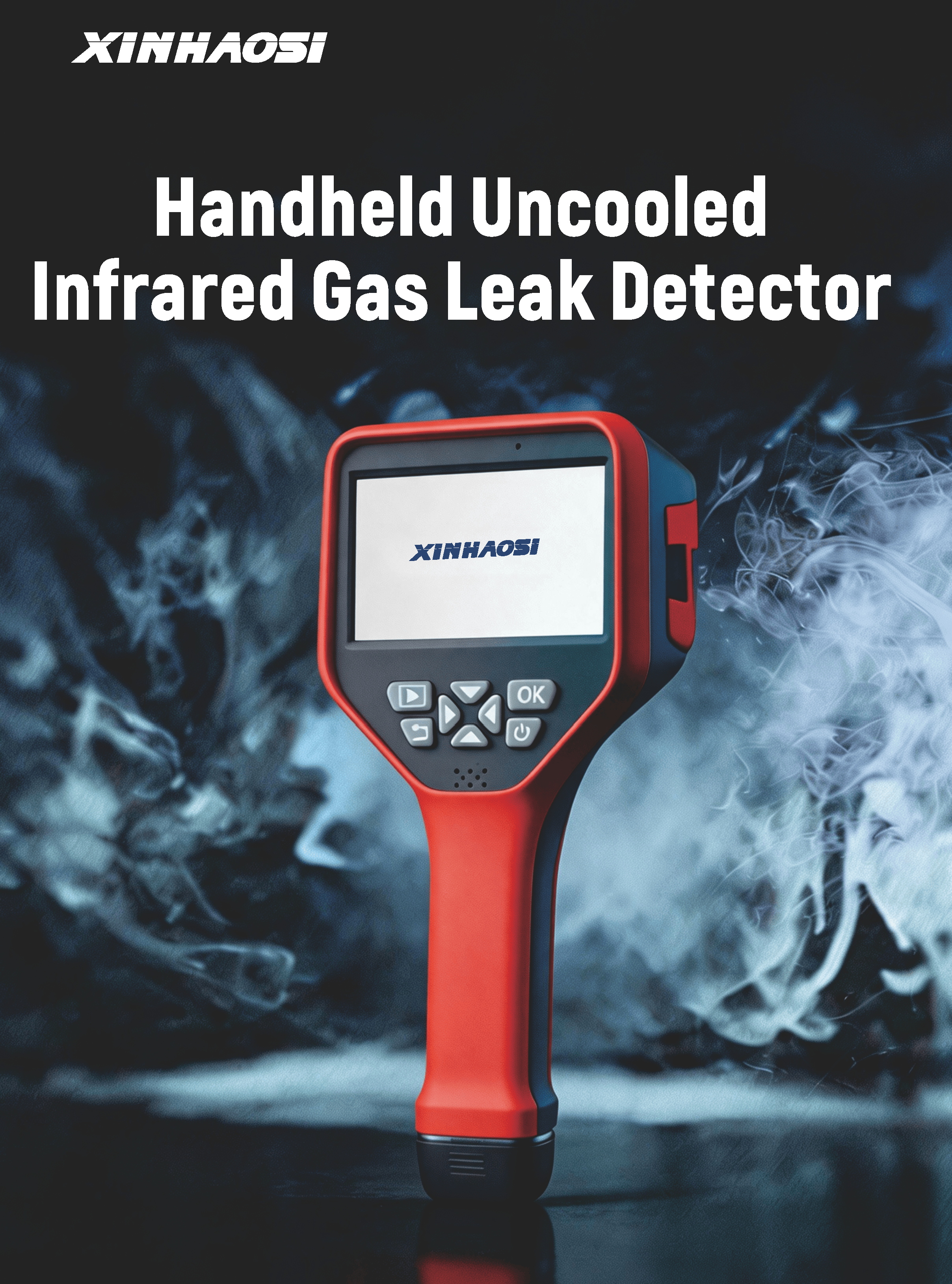
Xinhaosi Launches New Handheld Uncooled IR Gas Leak Detector
May 09, 2026

Xinhaosi Launches New Handheld Uncooled...

Xinhaosi Electronic Detection Technology Co., Ltd. officially launched its new Handheld Uncooled Infrared Gas Leak Detector, featuring dual-technology fusion, ultra-fast response, and long-distance non-contact detection to enhance safety and efficiency in petrochemical, refrigeration, natural gas and industrial safety scenarios.
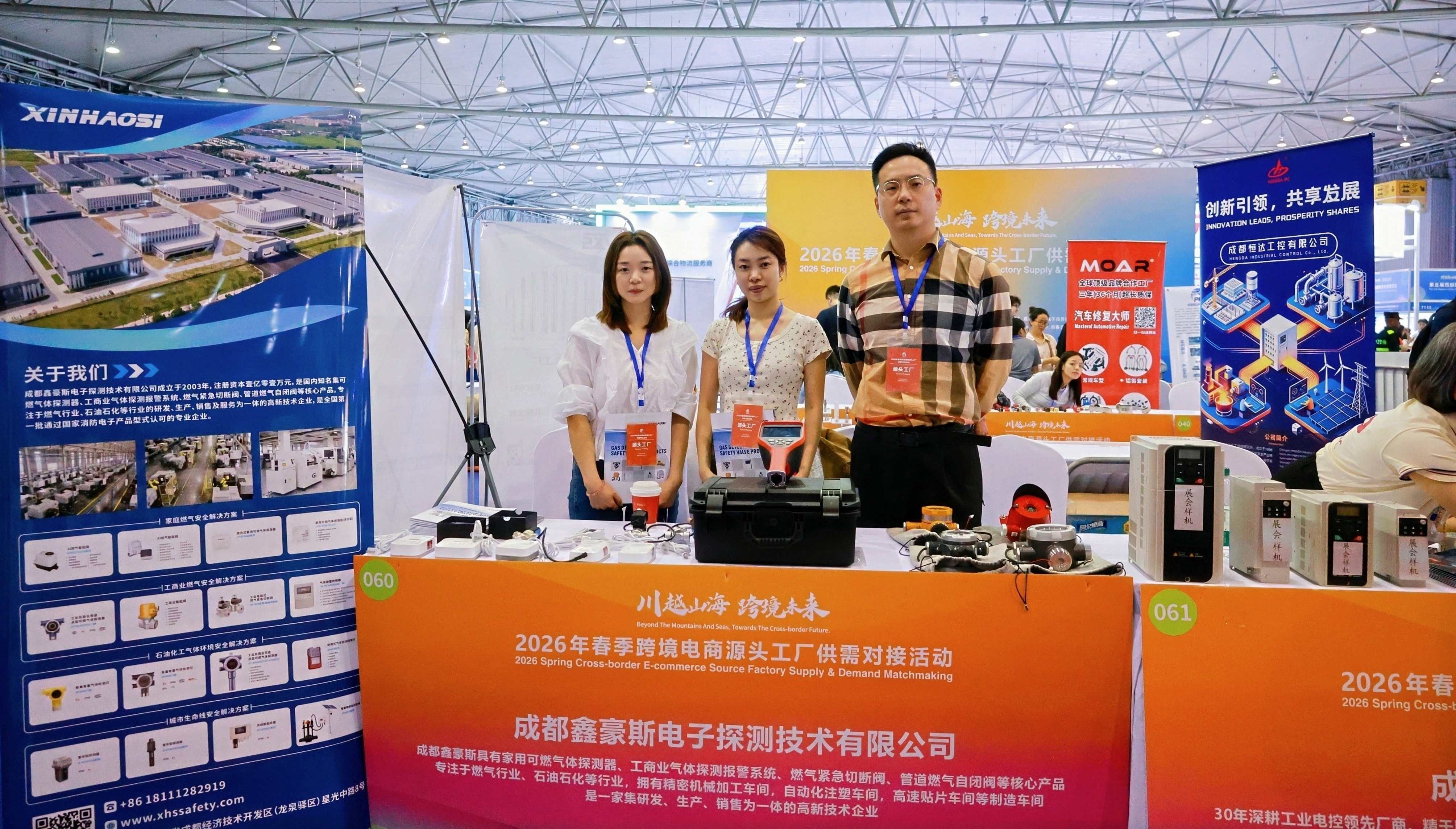
XINHAOSI at West China Cross-Border E-Commerce Expo
May 08, 2026

XINHAOSI Participates in the 5th West...

XINHAOSI recently participated in the 5th Western China Cross-Border E-Commerce Expo held in Chengdu. The event brought together cross-border e-commerce platforms, global buyers, manufacturers, and supply chain companies, creating new opportunities for international business cooperation and overseas market development.

XINHAOSI at Sichuan-Indonesia Matchmaking Conference
May 08, 2026

XINHAOSI Participates in 2026 Sichuan...

XINHAOSI recently participated in the 2026 Sichuan (Chengdu) – Indonesia Industry Matchmaking Conference held in Chengdu. The event gathered enterprises and industry representatives from China and Indonesia to strengthen industrial cooperation and explore new business opportunities in Southeast Asia.

Technical FAQ

Frequently Asked Questions

Essential technical answers regarding industrial SO2 gas detection, cross-sensitivity, calibration cycles, and system installation.
What is the standard mounting height for SO2 monitors?
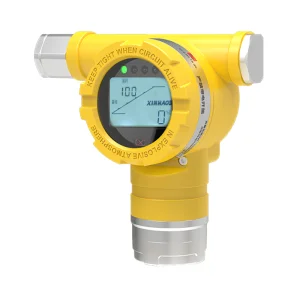
Since Sulfur Dioxide (SO2) has a molecular weight of 64.06 g/mol, it is significantly heavier than air (~29 g/mol). Consequently, leaked SO2 gas will settle in low-lying environments. Fixed SO2 monitors must be installed close to the ground, generally between 0.3 meters and 0.6 meters (1 to 2 feet) above the floor, near potential leak sources such as flange joints, compressors, or storage tanks.
How frequently should an industrial SO2 monitor be calibrated?
For critical industrial processes and life safety networks, calibration verification should be performed every 3 to 6 months. Standard calibration includes adjusting the instrument zero with pure synthetic air or nitrogen, followed by span adjustments using a certified gas cylinder containing a known concentration of SO2 (typically matching 50% of the device's full-scale range).
How does water vapor and humidity affect electrochemical SO2 cells?
Sulfur Dioxide is highly soluble in water. Under high relative humidity (RH) or condensing environments, ambient moisture can dissolve localized SO2, leading to false low readings. Advanced factories integrate moisture traps, hydrophobic membranes, or sample conditioning systems (draw-type) to dry the gas sample stream before it interfaces with the sensor cell.
Are these monitors certified for Class I, Division 1 hazardous areas?
Yes. Premium gas monitors intended for oil refineries, chemical processing plants, and marine terminals carry robust flameproof and explosion-proof certifications, such as ATEX Ex d IIC T6 or IECEx. These enclosures are certified to contain any internal explosion without risking ignition of the surrounding atmosphere.
What is the expected operating life of an electrochemical SO2 sensor?
Typically, standard electrochemical cells operate reliably for 2 to 3 years in ambient atmospheres. However, persistent exposure to target gas concentrations, extreme dryness (which can dehydrate the internal liquid electrolyte), or chemical poisoning can shorten sensor life. Implementing smart transmitters with internal diagnostics helps monitor sensor health and signal when replacement is required.
How do you address cross-sensitivity to Hydrogen Sulfide (H2S)?
Industrial processes often release H2S alongside SO2. An unshielded SO2 sensor may register H2S as SO2, leading to false alarms. Leading factories mitigate this cross-sensitivity by integrating an chemical filter layer inside the sensor module. This filter captures and oxidizes H2S molecules before they interact with the working electrode, allowing only SO2 molecules to pass through for detection.
Extended Catalog

Industrial Sourcing & Commercial Detection Products

OEM GTYQ-XP3000 Explosion Proof Gas Detector

OEM GTYQ-XP3000 Explosion Proof Combustible Gas Detector Manufacturers, Factories

View Details
OEM FD1020 Dual Infrared Flame Detector

OEM FD1020 Dual Infrared Flame Detector Suppliers, Factories

View Details
GT-AT0617 Series Underground Shaft Monitoring Device

High-Quality GT-AT0617 Series Underground Shaft Combustible Gas Monitoring Device Suppliers, Factories

View Details
OEM GTYQ-AT0502 Explosion Proof Gas Detector

OEM GTYQ-AT0502 Explosion Proof Combustible Gas Detector Supplier, Manufacturer

View Details
JT-AT2004B Household Gas Detector

OEM China Suppliers Factory JT-AT2004B Household Combustible Gas Detector - Reliable Safety Solution for Homes Supplier, Factories

View Details
XP4000 Explosion Proof Gas Detector

High-Quality China XP4000 Explosion Proof Oxygen, Toxic, and VOC Gas Detector - Trusted Suppliers & Factory Quality Supplier, Suppliers

View Details
JT-AT2006 Series Household Gas Detector

High-Quality China JT-AT2006 Series Household Combustible Gas Detector - Reliable Suppliers from a Trusted Factory Factories, Factory

View Details
JT-AT2013A Household Gas Detector

High-Quality JT-AT2013A Household Combustible Gas Detector Manufacturers, Factories

View Details