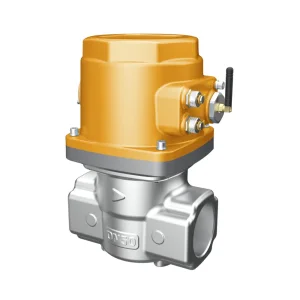
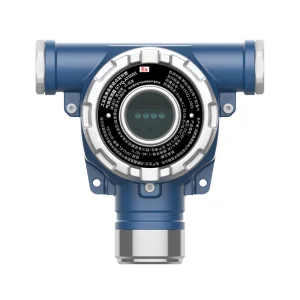
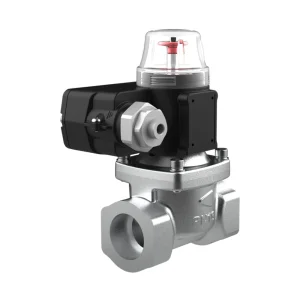
Premium OEM and customized devices designed for hazardous locations and smart residential monitoring.
A global study of fluid dynamics, magnetic actuation, and industrial safety compliance.
The global demand for high-integrity 2-way gas solenoid valves is experiencing unprecedented growth. Driven by stringent environmental parameters and standard industrial updates, safety compliance has shifted from local requirements to global standardization. Enterprises operating in oil and gas, power generation, heat treatment, and chemical processing require automated fail-safe valves to guard against combustible environments.
In addition to strict methane control regulations, the rapid adoption of hydrogen gas blending in natural gas pipelines presents a new set of technological parameters. Methane flow paths can tolerate standard elastomeric seals, whereas hydrogen distribution requires high-density seals to prevent microscopic gas migration. Modern OEM manufacturers must supply multi-gas, explosion-proof solenoid valves that conform to EN 161 Class A standards, FM (Factory Mutual) specifications, and SIL 3 (Safety Integrity Level) parameters.
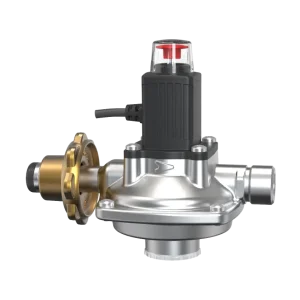
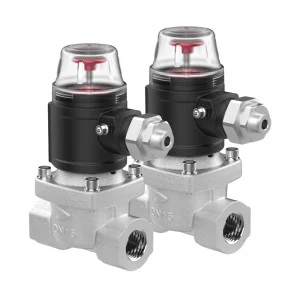
Industrial solenoid valves operate via electromagnetic force acting on a ferromagnetic core to actuate a valve disc against fluid pressures. The flow mechanics are governed by the flow coefficient (Cv value) and pressure drop ratios. Our valves utilize pilot-assisted structures or direct-acting configurations to optimize performance. Under high backpressure, a robust internal closing spring acts to shut the valve immediately when the coil is de-energized, preventing upstream gas buildup.
Detailed overview of structural and performance parameters for gas solenoid valves.
| Performance Index | Direct-Acting Type | Normally Open (XF3III/XF5III) | Smart AI Assisted Systems |
|---|---|---|---|
| Nominal Diameter (DN) | DN15 – DN50 | DN65 – DN300 | DN25 – DN150 |
| Max Operating Pressure | 0.5 Bar – 4.0 Bar | 0.5 Bar – 10 Bar | 0.2 Bar – 6 Bar |
| Elastomer Material | NBR / HNBR | Viton (FKM) / NBR | High Performance Fluororubber |
| Enclosure Protection | IP65, Dustproof | IP67, Flameproof Ex d IIC T6 | IP66, Corrosion Proof Class I Div 1 |
| Coil Temperature Limit | H-Class (180°C Rated) | F-Class (155°C Rated) | H-Class (180°C Rated) |
| Applicable Gases | LPG, Methane, Biogas | Natural Gas, Manufactured Gas | H2 Blends, Sour Gases, Hydrocarbons |

The safety landscape is transitioning from manual mechanical controls to active digital prevention. Today’s process control networks require real-time valve diagnostics and remote system telemetry. By incorporating smart micro-sensors within the actuator casing, our systems capture magnetic flux readings, temperature variations, and cycle speeds to predict mechanical issues before they lead to gas leaks.
Additionally, modern systems interface with intelligent control cabinets to perform scheduled self-test routines without stopping facility operations. Our next-generation design includes integrated pressure monitoring ports upstream and downstream of the seat to automatically determine internal leakage rates. This smart integration reduces routine maintenance costs, protects staff, and ensures continuous factory operation.
Future Ready Integration - Safeguarding the safe operation of every factory, the comfort of every city, the peace and happiness of every home.
Founded in 2003, Xinhaosi is one of the most influential and reliable brands in the gas safety industry. Powered by cutting-edge production systems and technology, we deliver more advanced, intuitive, and precise gas safety solutions for shaping a safer future world.
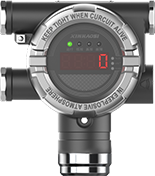
Detection Systems - Safety First from Precision Sensing

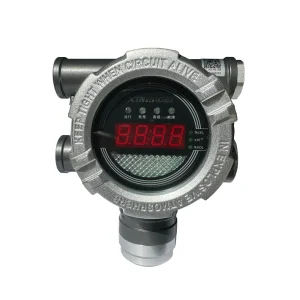
Gas Detectors - Home Safety from Gas Monitoring
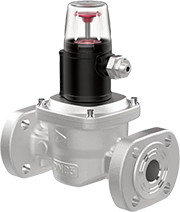
Gas Solenoid Valves - Protecting from the Source
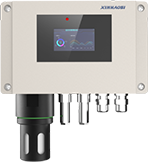
Distribution & Monitoring - Smart Sensing for Urban Gas
Empowered by technology. Full-chain integration, comprehensive protection, shaping the future with intelligence.
























How 2 Gas solenoid valves interface with domestic, commercial, and heavy industrial settings globally.
In municipal buildings and commercial kitchen complexes, gas supply systems run through ceiling voids and under-floor service runs. If a pipeline leak occurs, gas can quickly accumulate to explosive levels before detection. Installing a fast-acting emergency shut-off valve at the building intake header provides automatic safety protection.
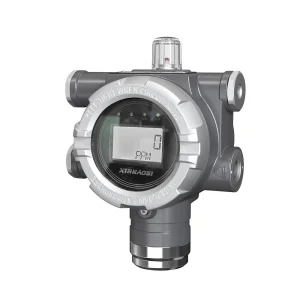
By wiring the solenoid coil directly to commercial gas detection systems (such as the JT-AT3068 or gas controller panels), the safety loop operates independently of human monitoring. Once combustible methane levels reach 10% LEL, the gas detector drops the voltage to the valve coil, immediately cutting off the gas supply at the source.
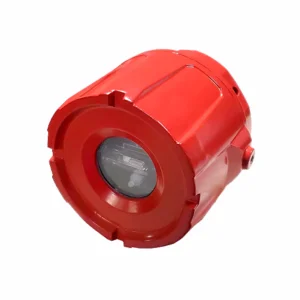
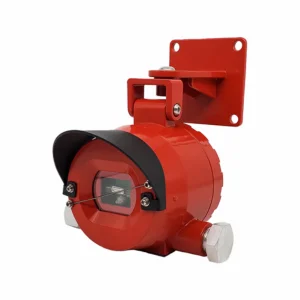
Industrial steam boilers and metallurgical kilns process thousands of cubic meters of natural gas daily. High thermal loads require constant gas flow, but burner flameouts present a serious risk of gas accumulation. Standard furnace control panels use flame detectors (like the FD1020 or IFD2020) to monitor the main combustion zone.
If the flame goes out, the UV detector alerts the safety controller, which cuts power to the 2-way gas valve. Operating as a normally open or normally closed safety barrier, the solenoid valve seals off high gas flow within fractions of a second, preventing unburned fuel from building up in hot combustion chambers.
Selecting the correct elastomeric seal is critical to preventing premature valve failure. Elastomers interact chemically with different gases, temperature ranges, and system pressures. Operating under incorrect parameters can degrade valve seals, leading to hazardous bypass leaks.
Nitrile Rubber (NBR): The standard elastomer choice for municipal natural gas and propane systems. It provides excellent mechanical wear resistance and functions reliably within standard temperature profiles (-20°C to +80°C). However, standard NBR degrades when exposed to aromatics and high concentrations of sour gas (H2S).
Fluorocarbon (Viton / FKM): Recommended for chemical processing and high-temperature environments. Viton withstands temperatures up to 200°C and provides superior chemical resistance to corrosive trace compounds. Its dense molecular structure also helps prevent gas permeation in high-purity applications.
Hydrogen-Treated Nitrile (HNBR): Crucial for modern pipelines handling hydrogen-gas mixtures. HNBR combines the mechanical toughness of traditional nitrile with improved heat and chemical resistance, making it suitable for next-generation blended fuel networks.
Stay informed with the latest technology releases and industry announcements from Xinhaosi.
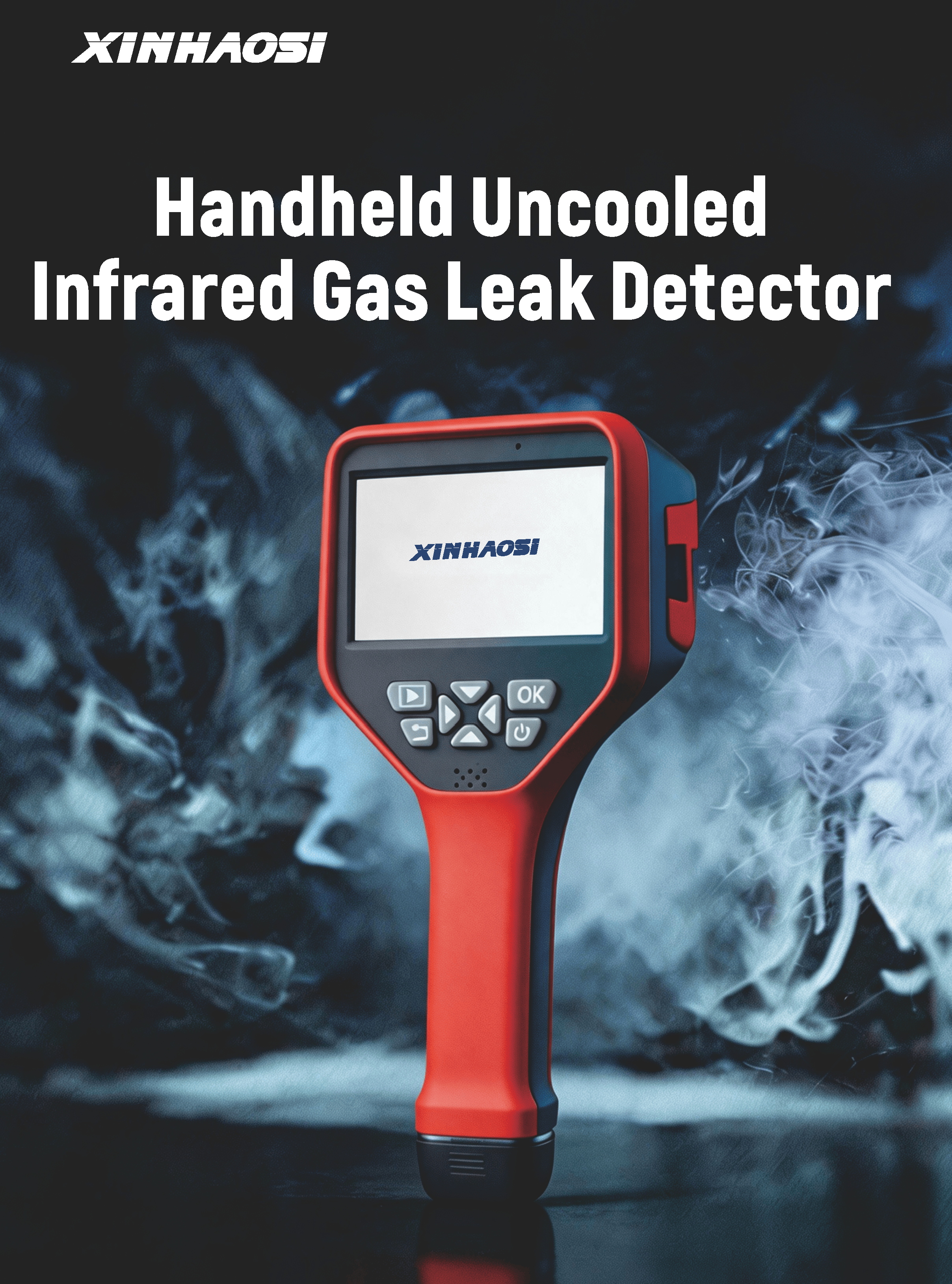
Featuring dual-technology fusion, ultra-fast response, and long-distance non-contact detection to enhance safety in petrochemical and refrigeration operations.
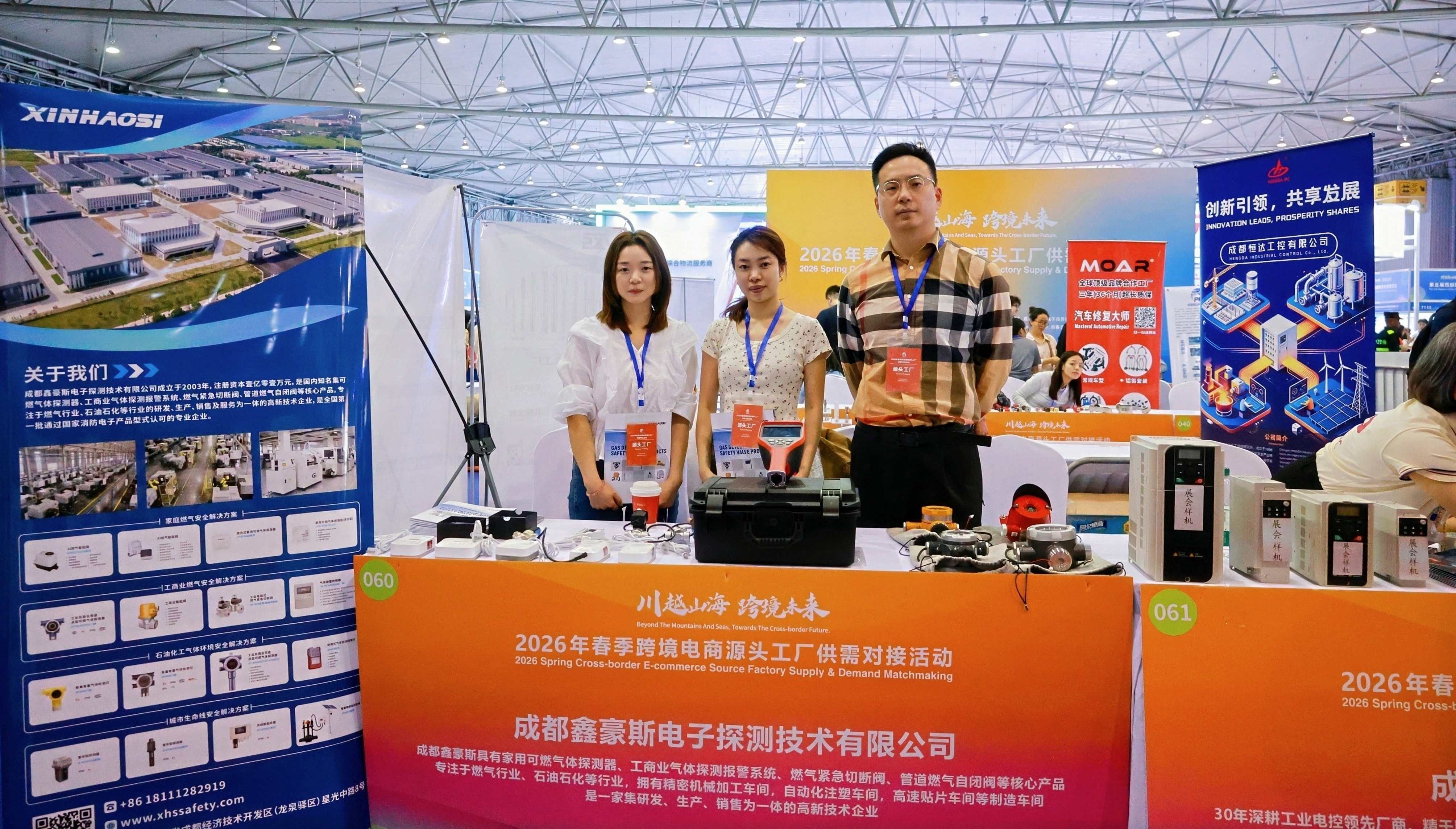
Connecting with international buyers and engineering procurement specialists to expand export channels for our safety solutions.

Strengthening industrial ties and presenting certified explosion-proof gas safety hardware to the expanding Southeast Asian market.
Common questions answered by our application engineers and quality control managers.
Normally Closed (NC) valves require continuous electrical power to remain open, shutting automatically if power is lost. This is ideal for safety shutdowns in downstream combustion processes. Normally Open (NO) valves stay open without power and close only when energized by a signal from a detector or alarm, making them well-suited for systems where standard gas flow should not be interrupted by local power outages.
Explosion-proof solenoids are built with specialized housings (e.g., Ex d classification) designed to contain internal electrical sparks. The metal enclosures have precisely engineered joint pathways that cool escaping gases below ignition temperatures, ensuring they cannot ignite flammable methane or LPG vapors in the surrounding atmosphere.
Standard valves often require modification for hydrogen service. Hydrogen's small molecular structure increases the risk of joint leaks, and it can cause hydrogen embrittlement in certain metals. For hydrogen-blended networks, valves must be built with compatible elastomers (such as HNBR or Viton) and embrittlement-resistant metals to ensure safe, long-term operation.
We recommend testing emergency shutdown functions quarterly. Keep the internal gas supply line clean and dry, as particulate buildup on the valve seat can cause internal leakage. Seals should be inspected annually for wear, and the solenoid coil's electrical resistance should be checked to prevent failures due to aging insulation.
Explore our industrial-grade flame sensors, gas detectors, and automated safety valves.