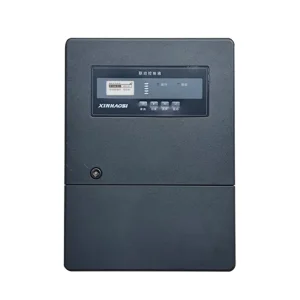
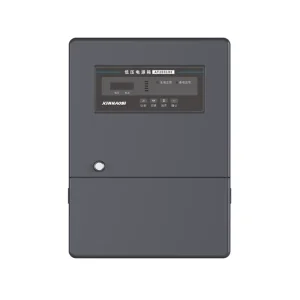
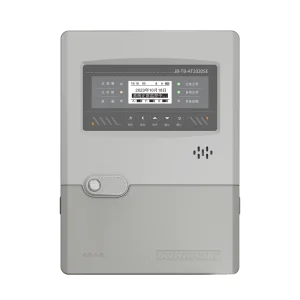
Explore our leading system components, from high-sensitivity flame detectors to certified explosion-proof gas sensors.
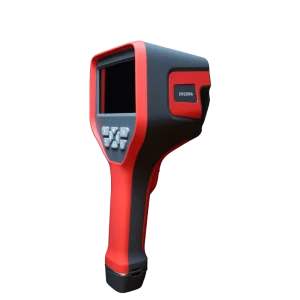
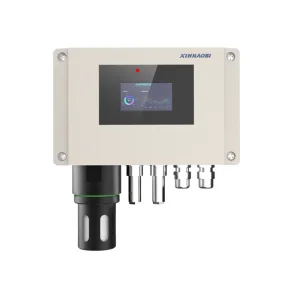
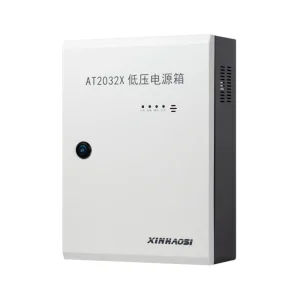
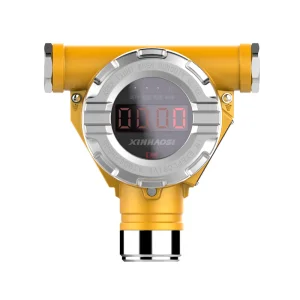
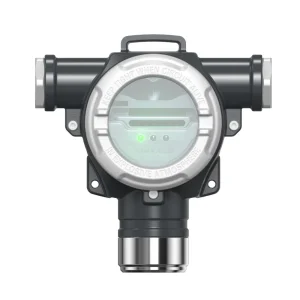
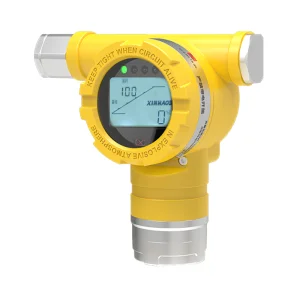
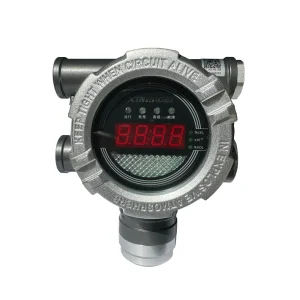


Founded in 2003, Xinhaosi is one of the most influential and reliable brands in the gas safety industry. We provide customer-focused products and services to safeguard the safe operation of every factory, the comfort of every city, and the peace and happiness of every home. Powered by cutting‑edge production systems and technology, we deliver more advanced, intuitive, and precise gas safety solutions for shaping a safer future world.
By integrating advanced electronic detection technology, we make unknown gas leak risks clear and visible. Our commitment goes beyond mere equipment manufacturing; we develop comprehensive, reliable industrial infrastructure components designed to work flawlessly under extreme environmental stress.
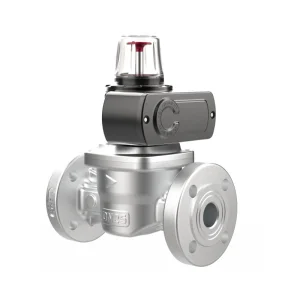
In high-stakes industrial environments, fluid and gas control dynamics demand fail-safe operation. A normally closed (NC) solenoid valve is the gold standard for immediate system isolation. Under de-energized conditions, the internal spring mechanism exerts a downward force on the plunger, pressing the elastomer seal tightly against the valve orifice. This mechanical default state prevents any fluid or gas bypass, establishing a dependable "fail-closed" perimeter.
Precision-wound copper coils produce the precise electromagnetic flux required to lift the magnetic plunger. High-performance OEM manufacturers apply vacuum-impregnated epoxy coatings to prevent thermal failure, providing class H insulation ratings up to 180°C.
Depending on chemical compatibility and working fluid, seals are molded from Viton (FKM), Nitrile (NBR), or EPDM. For combustible gases, FKM is favored for its resistance to degradation under high pressure and temperature cycling.
Direct-acting designs function independently of system pressure differential, lifting the plunger directly. Pilot-operated mechanisms leverage line pressure to control larger orifices, minimizing coil power consumption for high-diameter lines.
Deciding where to source closed solenoid valves involves examining manufacturing capabilities, quality assurance, and supply chain speed. Chinese OEM solenoid valve manufacturers have evolved from simple assembly workshops into advanced, automated R&D hubs. By choosing a partner in China's industrial clusters, global enterprises gain access to significant technical advantages:
Proximity to specialty copper wire mills, high-grade forging foundries, elastomer compounding plants, and custom electronics suppliers ensures rapid prototyping and short lead times.
Advanced multi-axis CNC tooling ensures concentricity tolerances within +/-0.005mm. This guarantees proper seating alignments and eliminates internal leakage.
Leading Chinese manufacturers utilize automatic Helium mass spectrometers for leak detection, ensuring every valve meets or exceeds bubble-tight leakage standards.
Highly skilled engineering teams adapt valve bodies to meet localized requirements, offering customizable NPT/G/Flanged connections, custom voltages, and custom coil power ratings.
Empowered by technology, full-chain integration, and comprehensive protection. We design safety architectures that safeguard lives, assets, and environmental integrity.
In safety systems, closed solenoid valves act as final control elements. Choosing the right valve depends heavily on the specific application environment:
Connected to combustible gas alarms, low-pressure NC solenoid valves serve as automatic shut-off devices. If a leak is detected, the valve immediately shuts off the main gas line, requiring a manual reset to ensure safety.
Boiler and heat treatment furnaces require precise startup sequences. NC solenoid valves regulate fuel delivery, shutting down fuel lines if flame-out occurs to prevent explosions inside the combustion chamber.
In chemical processing and manufacturing, NC solenoid valves enable precise dosing and blending. Their fast response time (<100ms) supports high-frequency cycling and precise volume control.
Procurement managers must verify that technical parameters align with international standards. When drafting an RFQ (Request for Quote) for OEM solenoid valve suppliers, ensure the following parameters are specified:
Modern fluid control is undergoing significant digital and environmental transformations. Keeping pace with these shifts helps enterprises ensure their safety infrastructure remains future-proof:
Minimizing power draw during continuous energization is a major R&D priority. Next-generation solenoid valves utilize power-saving circuitry, reducing hold currents by up to 70% to limit heat generation.
Smart valves feature integrated sensors that track coil temperature, plunger cycles, and response times. This allows operators to predict failures and schedule maintenance before a breakdown occurs.
Lead-free brass and high-purity polymers are becoming standard requirements to comply with environmental regulations such as RoHS and REACH.
We partner with international organizations to deliver safety and precision control systems worldwide.












Stay updated with news and event reports from Xinhaosi.
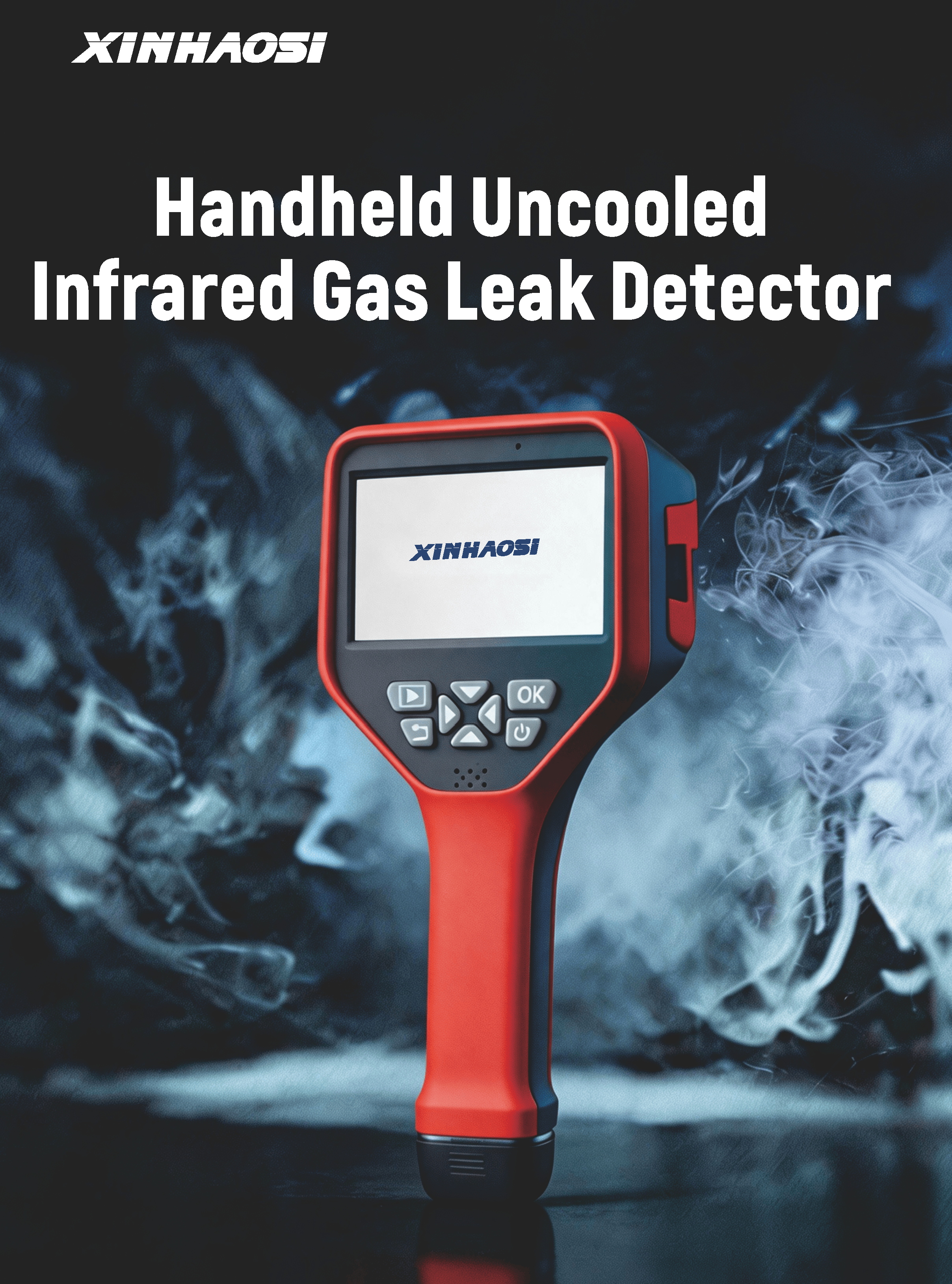
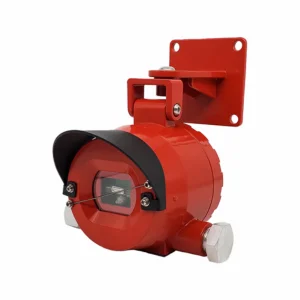
Featuring dual-technology fusion, ultra-fast response, and long-distance non-contact detection to enhance safety and efficiency in petrochemical, refrigeration, and industrial safety applications.
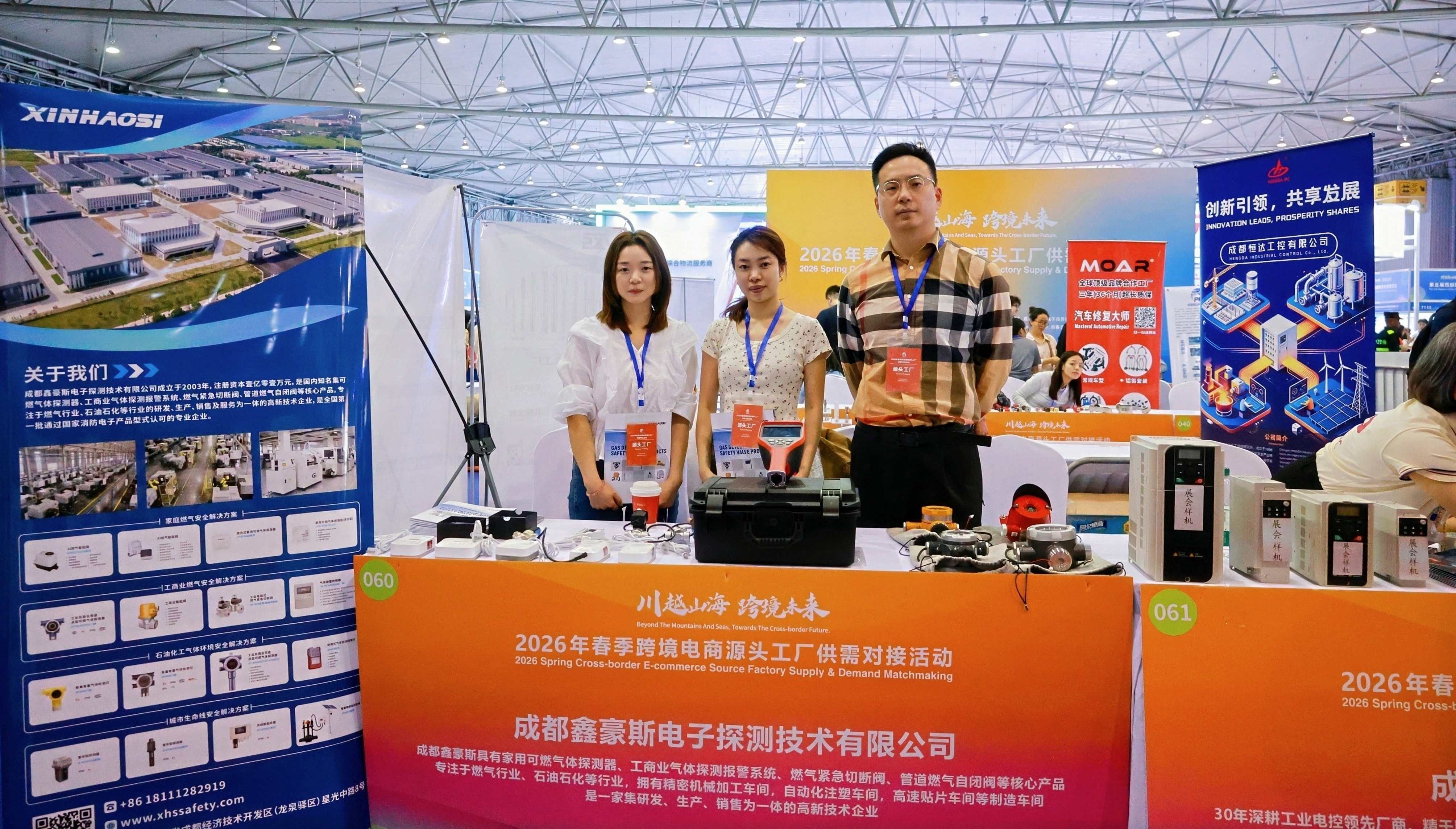
The event brought together cross-border e-commerce platforms, global buyers, manufacturers, and supply chain companies, creating new opportunities for international cooperation.

Strengthening industrial cooperation and exploring new business opportunities in Southeast Asia by showcasing advanced gas detection and safety solutions.
Technical answers to common questions about industrial normally closed solenoid valves.
Direct-acting valves use electromagnetic force to lift the plunger directly, enabling them to operate from 0 Bar pressure. Pilot-operated valves use the pressure of the fluid itself to help open or close the valve. They require a minimum pressure differential (typically 0.3 to 0.5 Bar) but can control much larger flow sizes with smaller coils.
Normally Closed (NC) valves offer built-in fail-safe operation. In a power outage or system fault, the valve automatically shuts off flow via internal spring pressure. Normally Open (NO) valves, by contrast, remain open when de-energized, making them less suitable for emergency isolation.
Temperature directly affects elastomer flexibility and sealing performance. Viton (FKM) is used for temperatures up to 200°C and has high resistance to chemical corrosion, NBR (Nitrile) is suitable for general applications from -10°C to 80°C, and EPDM is preferred for water and steam systems.
Valves used in hazardous environments require explosion-proof ratings such as ATEX (Europe), IECEx (Global), or UL (North America). These certifications ensure that the solenoid coil cannot generate sparks or temperatures high enough to ignite surrounding gases.
No, coils must match their rated voltage type. Using DC power on an AC coil will cause overcurrent and burn out the winding, as AC coils rely on inductive reactance to limit current. Running AC power on a DC coil will cause the plunger to hum and fail to operate correctly.
Water hammer occurs when fluid flow stops abruptly. To prevent this, choose pilot-operated valves with adjustable closing speeds or install water hammer arrestors upstream of the valve.
Select from our range of safety interlocks, low-voltage control cabinets, and gas valves.