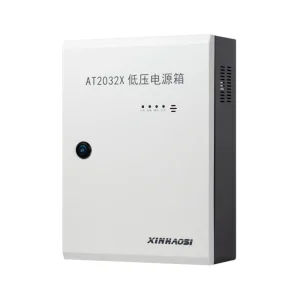
Explore our core gas detection units, smart valves, controllers, and low-voltage power boxes engineered for hazardous environments.
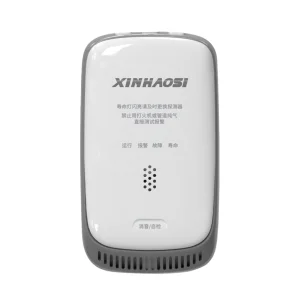

In industrial landscapes, a confined space is defined as any area that is large enough for an employee to enter and perform assigned work, has limited or restricted means for entry or exit, and is not designed for continuous employee occupancy. These spaces—ranging from utility vaults, underground shafts, chemical storage tanks, and sewers, to pipelines and silos—present severe operational hazards. Toxic atmospheres, oxygen deficiency, explosive gas accumulation, and sudden chemical release constitute the primary threats to human life in these environments.
To mitigate these high-stakes risks, global occupational safety regulatory bodies, including the United States Occupational Safety and Health Administration (OSHA 29 CFR 1910.146) and European Union Directive 1999/92/EC (ATEX 137), mandate rigorous pre-entry testing and continuous atmospheric monitoring. An OEM Confined Space Monitor is not merely a piece of compliance hardware; it is a critical, life-preserving system engineered to detect invisible, odorless, and highly hazardous gases before they compromise human health or cause catastrophic explosions.
"Information Gain in Confined Space Safety isn't just about having data; it is about the speed, reliability, and precision of translating sensor readings into actionable safety protocols before entry occurs."
As an industry-leading OEM and ODM partner, Xinhaosi (established in 2003) brings over two decades of precision manufacturing expertise to the global safety market. We understand that generic, off-the-shelf detection hardware often fails to address the unique geometrical and environmental challenges of customized utility shafts, deep mines, and municipal sewer networks.
Our manufacturing facility provides end-to-end design, prototyping, electrical engineering, software customization, and structural fabrication services. When global safety coordinators request customized confined space monitors, our OEM services provide tailoring across key technical areas:
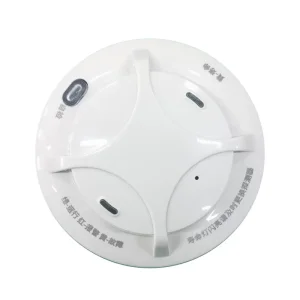
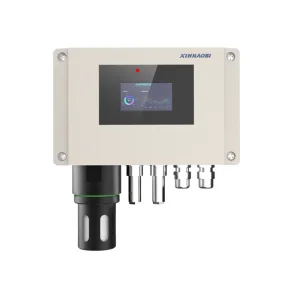
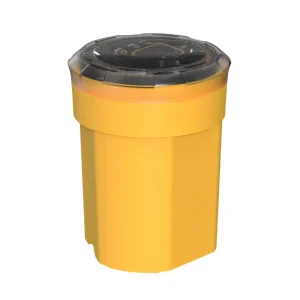
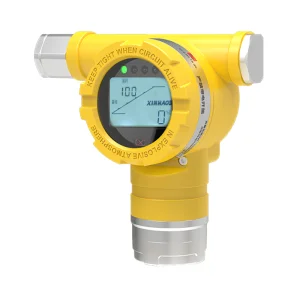
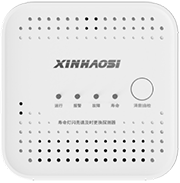
Explore the four primary segments of gas sensing and automation safety systems that form our integrated safety infrastructure.

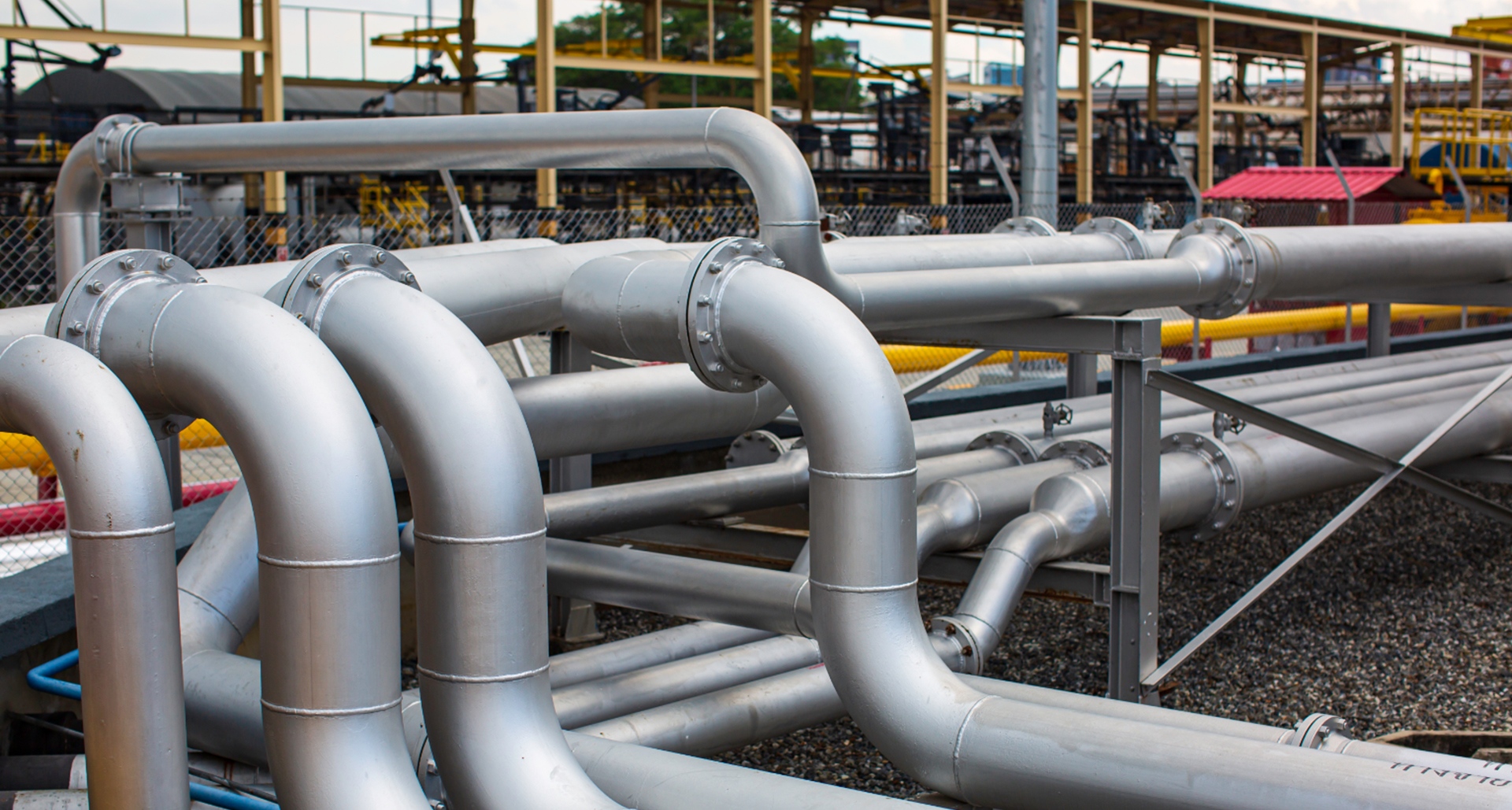
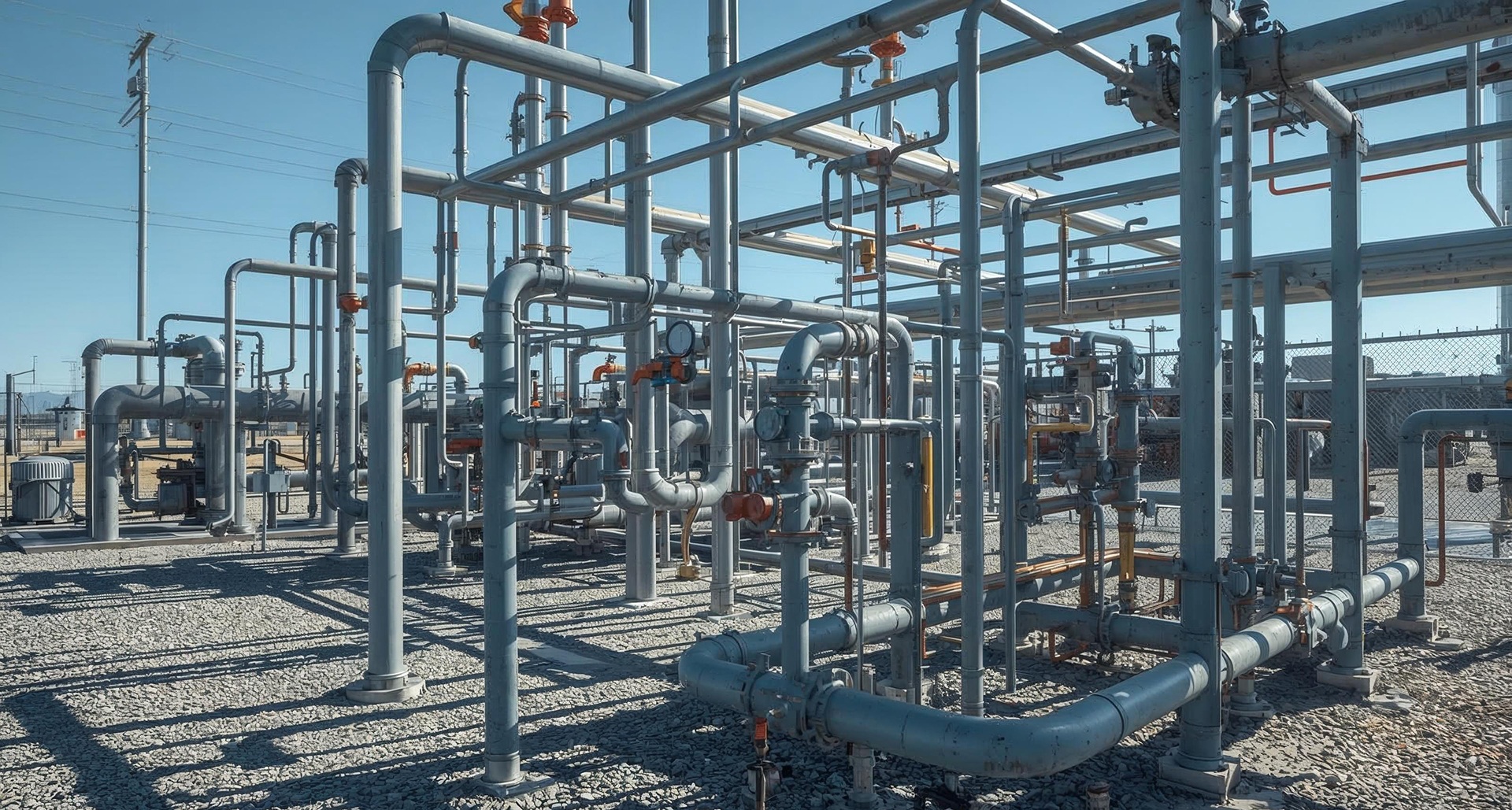
Global procurement executives, EPC (Engineering, Procurement, and Construction) contractors, and HSE directors look beyond the price tag when choosing an OEM manufacturer. In safety-critical sectors, procurement guidelines require strict validation of production capabilities, vendor financial health, and supply chain resiliency.
Total Cost of Ownership (TCO): The upfront cost of a confined space gas monitor is often a fraction of its total operating expense. Procurement agents focus on sensor longevity, ease of calibration, and cartridge replacement frequency. A system designed with hot-swappable sensor modules reduces downtime and cuts annual maintenance costs by up to 40%.
Supply Chain and Lead Time Reliability: In massive infrastructure projects, delays in safety device delivery can halt plant start-ups, costing millions of dollars daily. As a scaled OEM manufacturer, Xinhaosi utilizes robust component sourcing networks, advanced ERP scheduling systems, and strategic logistics routes to guarantee consistent lead times.
Comprehensive Certification & Interoperability: Global installations demand multi-jurisdictional certifications. A device deployed in a refinery must be certified under local regulations: ATEX for Europe, UL/CSA for North America, IECEx for global industrial zones, and GB/CNEx for Chinese domestic installations.


Future Ready: We utilize advanced electronic detection technology to make unknown gas leak risks clear and visible.
Founded in 2003, Xinhaosi is one of the most influential and reliable brands in the gas safety industry. We provide customer-focused products and services to safeguard the safe operation of every factory, the comfort of every city, and the peace and happiness of every home. Powered by cutting‑edge production systems and technology, we deliver more advanced, intuitive, and precise gas safety solutions for shaping a safer future world.
More About UsConfined space gas safety cannot be addressed with a single, uniform layout. Different sectors exhibit vastly different atmospheric dynamics and physical challenges.
Municipal Wastewater & Sewer Networks: Wastewater treatment environments are highly prone to biological decay, resulting in high concentrations of Hydrogen Sulfide (H2S) and methane (CH4) gas. Damp, humid conditions require IP67-rated monitors, chemical-resistant housing, and long-range wireless data links to transmit gas readings from underground manholes to surface-level control centers.
Urban Utility Tunnels & Infrastructure: Modern smart cities routes power cables, water lines, and natural gas pipelines together in deep underground utility corridors. To monitor these vast networks, operators deploy long-line multiplexed fixed monitoring networks. Devices like our GT-AT0616 and GT-AT0617 Series Underground Shaft Combustible Gas Monitoring Devices are optimized specifically for long-distance, stable, multi-point sensing in utility trenches.
Petrochemical Refineries & Storage Tanks: Maintenance work inside fuel storage tanks requires portable pump-suction multigas monitors to sweep the tank before entry. During operations, heavy gases like butane or pentane tend to settle in low areas, necessitating multi-level sensor probes positioned at different heights to ensure a safe working environment.
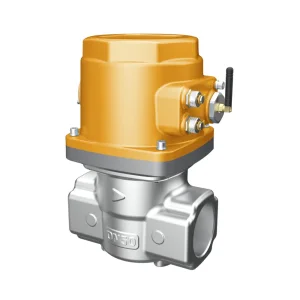
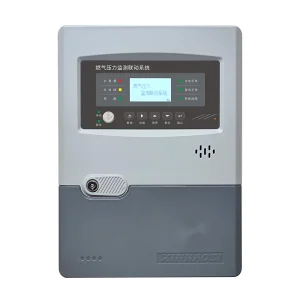
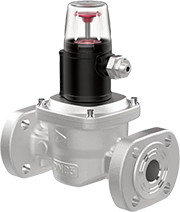
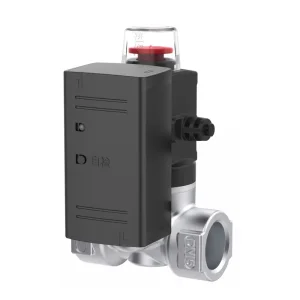
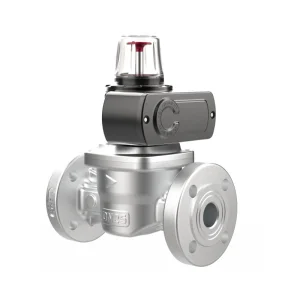
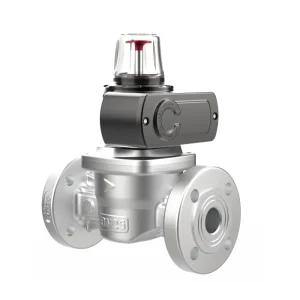
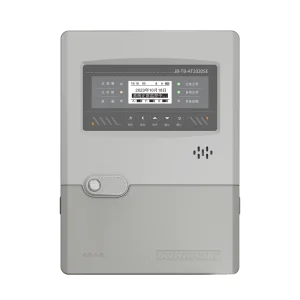
Empowered by technology, full-chain integration, and comprehensive protection, we shape the future of safety with intelligence. By bridging gas detection controllers like the JB-TB-AT2020SE, heavy-duty industrial solenoid valves like the BT-XF5 and KT-XF5 series, and smart IoT field transmitters, we offer an automated, closed-loop safety ecosystem. When a gas leak is detected, the system does not just alarm—it automatically shuts off gas flow at the source, activates mechanical ventilation, and alerts response teams instantly.
More About SolutionsDeploying gas safety systems globally requires robust local technical support. Our OEM network works with certified regional distribution and service hubs to offer calibration, sensor replacement, and emergency repair services. Regular maintenance and bump testing are vital to ensure that lifesaving safety systems respond correctly in the presence of hazardous gases.
Our technical roadmap details our focus on driving safety technology forward. We focus on integrating IoT connectivity, smart predictive sensors, and energy-efficient designs into our product lines to keep operations safe and compliant.
Integrating ultra-low power LoRaWAN, NB-IoT, and 5G modules into wireless pressure monitors (such as the GT-AT0637 series) to provide real-time cloud tracking and instant remote safety alerts.
Developing intelligent algorithms within controllers to analyze sensor drift, predict cell failure before it occurs, and optimize maintenance and calibration schedules.
Upgrading the BT-XF5 and KT-XF5 industrial solenoid valve lines with smart diagnostics to monitor shut-off performance and valve health in hazardous environments.
Keep up with Xinhaosi's trade show appearances, new product launches, and technological developments in gas detection.
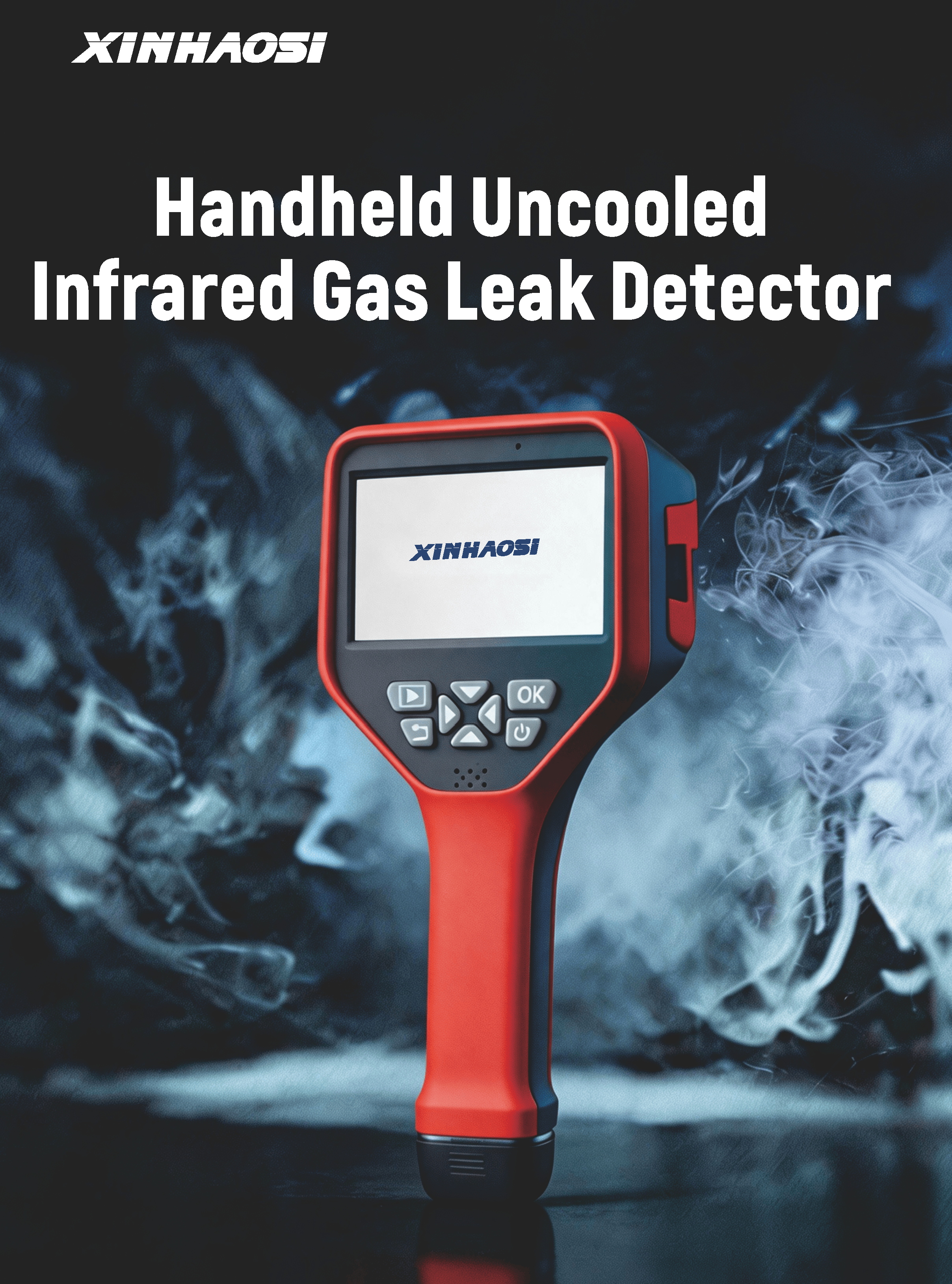
Xinhaosi Electronic Detection Technology Co., Ltd. officially launched its new Handheld Uncooled Infrared Gas Leak Detector, featuring dual-technology fusion, ultra-fast response, and long-distance non-contact detection to enhance safety and efficiency in petrochemical, refrigeration, natural gas and industrial safety scenarios.
May 09, 2026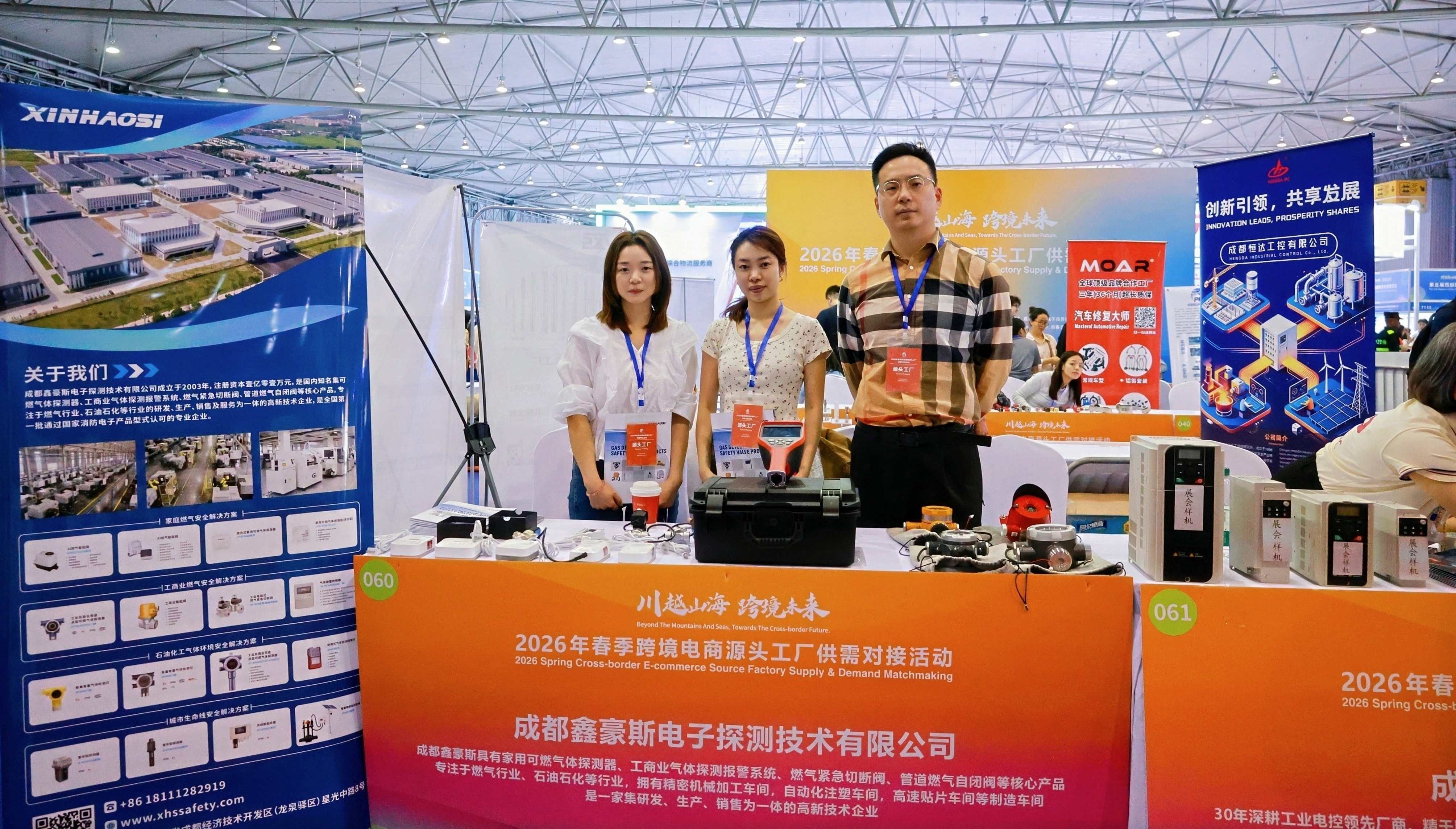
XINHAOSI recently participated in the 5th Western China Cross-Border E-Commerce Expo held in Chengdu. The event brought together cross-border e-commerce platforms, global buyers, manufacturers, and supply chain companies, creating new opportunities for international business cooperation and overseas market development.
May 08, 2026
XINHAOSI recently participated in the 2026 Sichuan (Chengdu) – Indonesia Industry Matchmaking Conference held in Chengdu. The event gathered enterprises and industry representatives from China and Indonesia to strengthen industrial cooperation and explore new business opportunities in Southeast Asia.
May 08, 2026Under OSHA standards, atmospheric testing must follow a strict order of priority: First, testing for oxygen content (ensuring it is between 19.5% and 23.5% volume). Second, testing for flammable gases and vapors (confirming concentrations are below 10% of the Lower Explosive Limit, LEL). Third, testing for toxic air contaminants (most commonly Hydrogen Sulfide, H2S, and Carbon Monoxide, CO).
Catalytic bead sensors are versatile and detect a wide range of combustible gases by burning them on an active bead. However, they require oxygen to function and can be poisoned by silicone vapors, lead, or sulfur compounds. NDIR (Non-Dispersive Infrared) sensors use optical absorption to detect hydrocarbon gases. They do not require oxygen, are immune to chemical poisoning, and have a longer operational lifespan, making them ideal for oxygen-deficient confined spaces.
A bump test (exposing the sensors to a known concentration of target gas to verify alarm and sensor response) should be performed before each day's use. A full calibration (adjusting the sensor's accuracy using certified calibration gas) should be performed every 1 to 6 months depending on environmental exposure, regulatory mandates, and manufacturer instructions.
The GT-AT0616 and GT-AT0617 series are specifically designed for harsh underground environments. Equipped with durable, water-resistant, and dust-resistant housings, these devices feature long-distance transmission options (Modbus/LoRa) that allow continuous monitoring of deep utility shafts. This design keeps monitoring active without requiring workers to enter hazardous areas to collect atmospheric data.
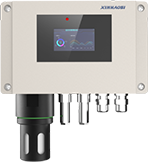
Centralized controllers like the JB-TB-AT2020SE act as the central processor for multi-point monitoring systems. They receive signals from multiple field-mounted gas detectors, display concentration levels, manage alarms, and trigger external safety systems. They can automatically actuate solenoid shutoff valves (like the BT-XF5/KT-XF5) and activate ventilation fans, ensuring immediate response without human intervention.
Xinhaosi collaborates with leading industrial safety distributors, engineering firms, and municipal utility partners worldwide.
























Browse our selection of specialized industrial components, including smart AI gas safety valves, wireless transmitters, and explosion-proof gas detectors.