Explore our core product line manufactured to meet international standards of explosion protection, precision monitoring, and emergency system integration.
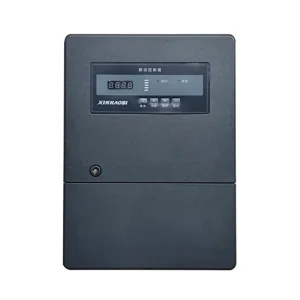
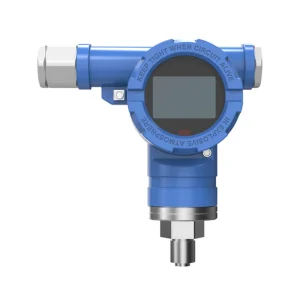
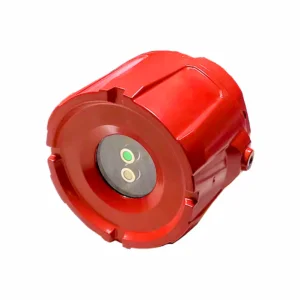
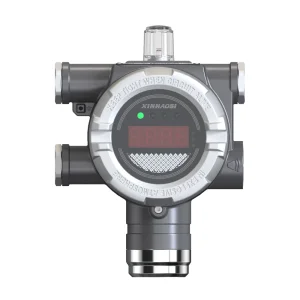

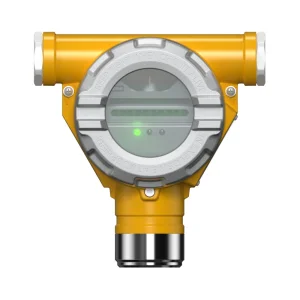
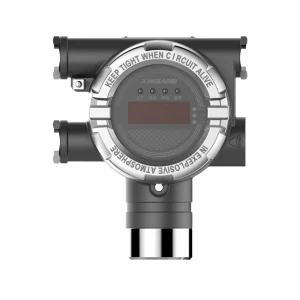
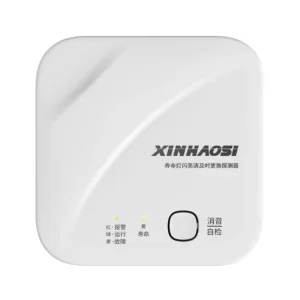
In modern petrochemical processing, municipal infrastructure, pharmaceutical manufacturing, and modern energy distribution systems, undetected gas leaks present catastrophic risks. From volatile organic compound (VOC) emissions to explosive hydrocarbon accumulations (such as methane, propane, and butane), industrial environments require reliable detection solutions. As a trusted leader in electronic detection technology since 2003, Xinhaosi operates at the forefront of this critical safety sector. Through our engineering innovation, we design and manufacture high-integrity combustible and toxic gas detection equipment that conforms to safety standards such as ATEX, IECEx, and SIL2/3.
The global demand for explosive gas safety technology is expanding, driven by industrialization, urban expansion, and stringent workplace safety regulations (such as OSHA in the United States, EU Directives in Europe, and national safety mandates across Asia). Sectors like oil and gas, chemical production, logistics, and heavy manufacturing operate continuously under the risk of volatile compound buildup. Rapid growth in clean energy initiatives—specifically hydrogen processing and LNG (Liquefied Natural Gas) transportation—has introduced new detection challenges, given hydrogen's wide explosive limit (4% to 75% volume in air) and flame speed.
To address these challenges, modern facilities are transitioning from reactive detection (sounding alarms after a threshold is breached) to proactive sensing. OEM suppliers now focus on delivering modular, network-capable gas detection nodes that integrate into centralized Distributed Control Systems (DCS) and Safety Instrumented Systems (SIS), reducing the risk of catastrophic ignition events.
Choosing the correct sensor technology depends on the target gas, ambient environmental conditions, and long-term stability requirements. The three primary technologies employed by leading OEM manufacturers include:
A reliable standard for monitoring Lower Explosive Limits (LEL) of combustible gases. These sensors operate via controlled oxidation of target gases on a catalytic bead. Known for their durability, cost-effectiveness, and capability to detect a broad spectrum of flammable compounds, though they require oxygen to operate and are susceptible to poisoning by silicone or sulfur compounds.
An optical technology that measures gas concentrations by analyzing infrared light absorption at specific wavelengths. NDIR sensors are highly precise, resist sensor poisoning, operate in oxygen-deficient environments, and have a long operational life. They are widely used for carbon dioxide and hydrocarbon detection (such as methane and propane).
Highly sensitive technology primarily used for toxic gases and oxygen levels. These sensors work through chemical reactions that produce electrical current proportional to the gas concentration, providing precise ppm (parts-per-million) measurements for safety monitoring.
The gas safety industry is adopting Internet of Things (IoT) technologies and edge computing. Traditional analog outputs (4-20mA signals) are being replaced by digital communication standards, including Modbus RTU, HART protocol, and wireless technologies like LoRaWAN, NB-IoT, and 4G/5G cellular connectivity. This shift allows for remote diagnostic reporting, continuous sensor calibration checks, and real-time visualization of gas levels across large installations.
Furthermore, cloud-based data aggregation allows safety managers to track drift patterns, predict sensor failures before they happen, and coordinate emergency responses from mobile devices. This preventive approach reduces downtime, simplifies field maintenance schedules, and ensures compliance with occupational safety audits.
Safety installations vary significantly by application, requiring target-specific engineering layouts:
The future of gas safety lies in non-contact, long-distance detection. Our R&D team is focused on implementing uncooled infrared gas imaging cameras and Tunable Laser Diode Absorption Spectroscopy (TDLS). These technologies enable operators to visualize gas plumes from up to 100 meters away, identifying the source of a leak without sending technicians into potentially hazardous zones. By combining thermal imaging with infrared absorption, next-generation handheld and fixed monitors display gas clouds in real-time on-screen, providing clear visibility of invisible gas leak hazards.
Founded in 2003, Xinhaosi has built a reputation in the gas safety industry by providing reliable, customer-focused systems to safeguard factories, cities, and homes. Powered by advanced production facilities and precise calibration labs, we deliver dependable gas safety solutions to support a safer future.


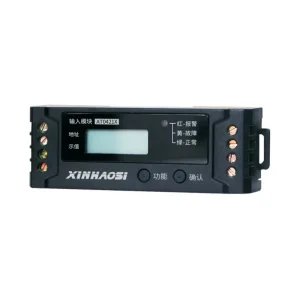
Combining detection, evaluation, communication, and mitigation into unified plant-wide protective networks.
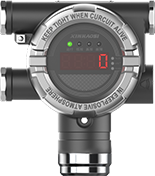
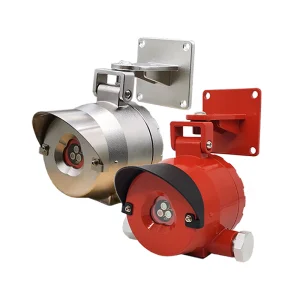
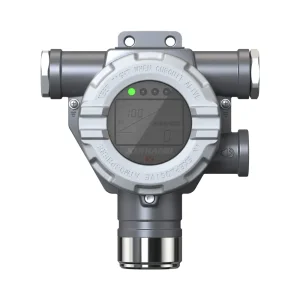
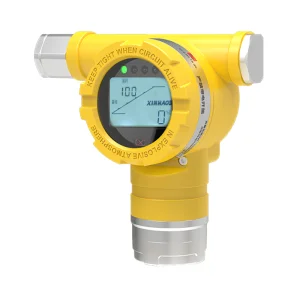
High-durability sensing configurations designed for challenging, hazardous environments, featuring dual-sensor flame detectors and ATEX-certified combustibility monitors.
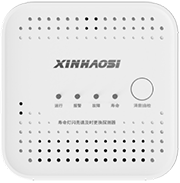
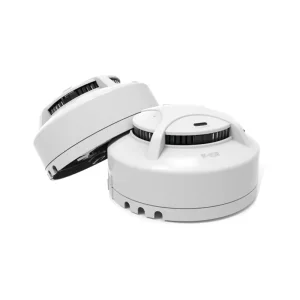
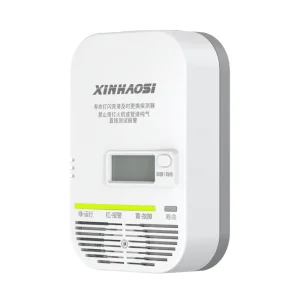
Reliable, compact residential detectors featuring low power draw, high drift stability, and direct coupling to safety valves.
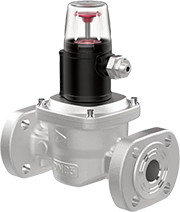
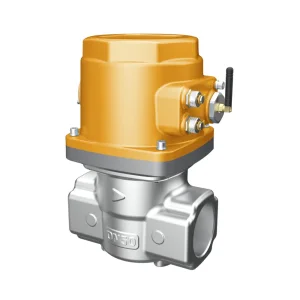
Emergency shutoff valves engineered to close fuel supply lines instantly upon detector activation, containing the hazard at its source.
We work closely with industrial companies, infrastructure engineers, and regional gas distributors to deliver safe environments.








Stay informed on our recent product developments, global exhibitions, and cooperative initiatives.
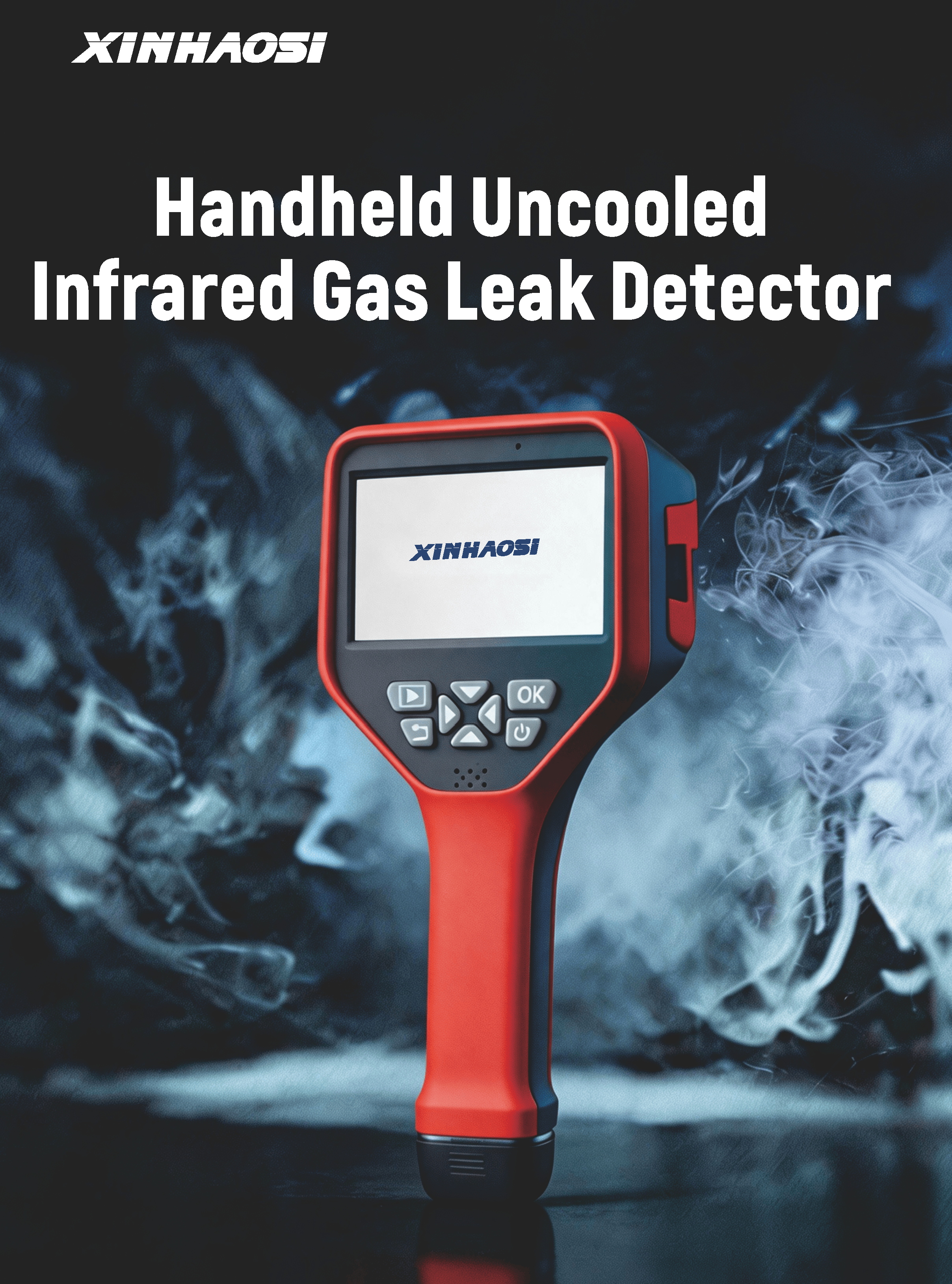
Officially launching our new Handheld Uncooled Infrared Gas Leak Detector, featuring dual-technology fusion, rapid response, and long-range non-contact detection to enhance safety in petrochemical, refrigeration, and natural gas systems.
Read Article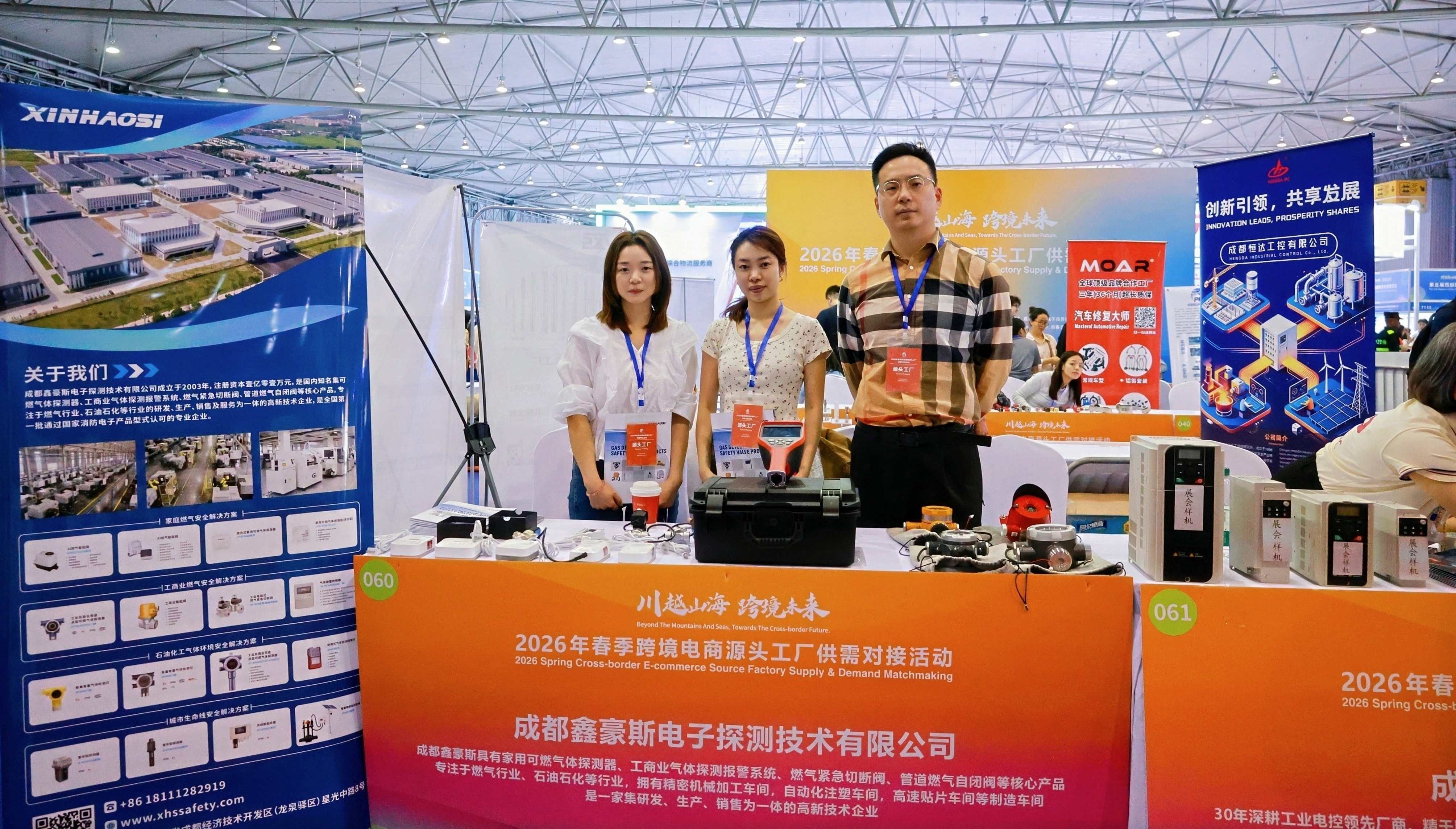
Xinhaosi recently participated in the 5th Western China Cross-Border E-Commerce Expo held in Chengdu. The event connected global buyers and manufacturers to develop international safety partnerships.
Read Article
We attended the Sichuan-Indonesia Industry Matchmaking Conference in Chengdu, collaborating with regional partners to expand safety infrastructure networks in Southeast Asia.
Read ArticleDetailed technical answers to help system integrators, plant managers, and procurement officers select the right gas detection equipment.
Catalytic bead sensors rely on chemical oxidation, meaning they require oxygen to operate and can be fouled by substances like silicones or sulfur compounds. They are cost-effective and detect a broad range of flammable gases. NDIR (Non-Dispersive Infrared) sensors use optical absorption, do not require oxygen, resist sensor poisoning, and have a longer operational lifespan, making them ideal for inert spaces or specific hydrocarbon monitoring.
The interlock control box (such as the JB-MK-AT2041/4G) acts as a control unit. When a connected gas detector measures concentration levels exceeding safety thresholds, the control box triggers alarms and sends electrical signals to close inline emergency solenoid valves (e.g., smart AI safety valves). This shuts off fuel lines and activates local ventilation systems to disperse the gas build-up.
SIL (Safety Integrity Level) certifications indicate a device's reliability and probability of failure on demand. In high-hazard industries, using SIL2 or SIL3 certified detectors ensures the system meets international functional safety requirements, minimizing false alarms and system failures.
Look for long-term sensor stability, a durable enclosure, multi-node networking options (such as Modbus or analog outputs), and the ability to integrate with ventilation systems. Systems like the AT2004BIV-CO optimize airflow and energy use by running exhaust fans only when gas thresholds are exceeded.
Complete your facility's safety systems with industrial-grade input devices, specialized household monitors, and flame detection units.