In modern energy distribution systems, industrial process plants, and smart residential complexes, the integrity of gas safety infrastructures is non-negotiable. As a leading OEM gas valves supplier and manufacturer, our engineering paradigm is built on E-E-A-T principles (Experience, Expertise, Authoritativeness, and Trustworthiness). We provide end-to-end fluid dynamics and hazard prevention systems that do more than isolate pipelines—they proactively monitor, report, and secure volatile environments. This deep-dive whitepaper explores the critical engineering components, structural choices, and regulatory roadmaps necessary to navigate the next generation of industrial gas shutoff and detection ecosystems.
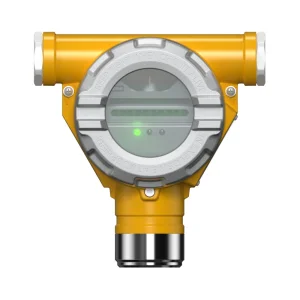
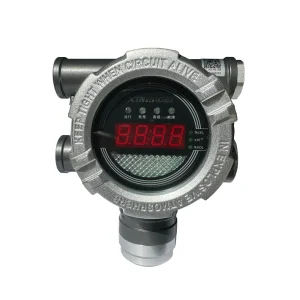
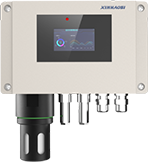
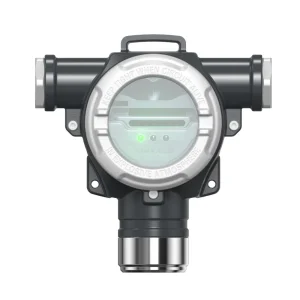
Our flagship OEM sensing technologies designed for extreme industrial environments and automated gas network shut-offs.
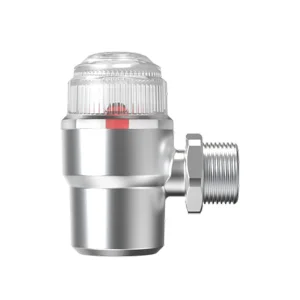
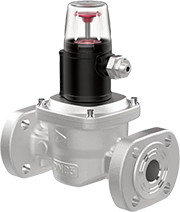
Protecting global infrastructures from hazardous leak risks with direct source closure capabilities.

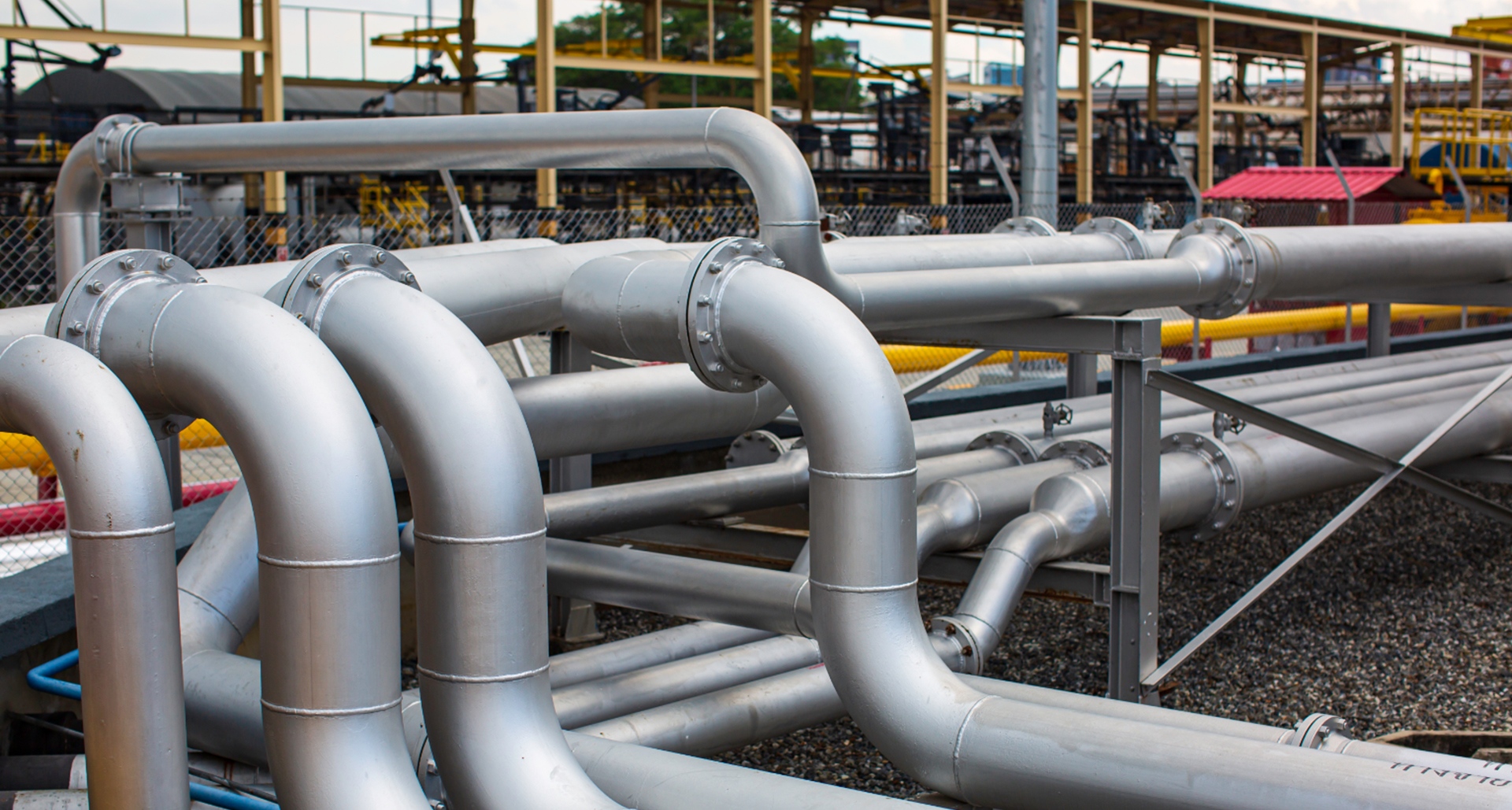
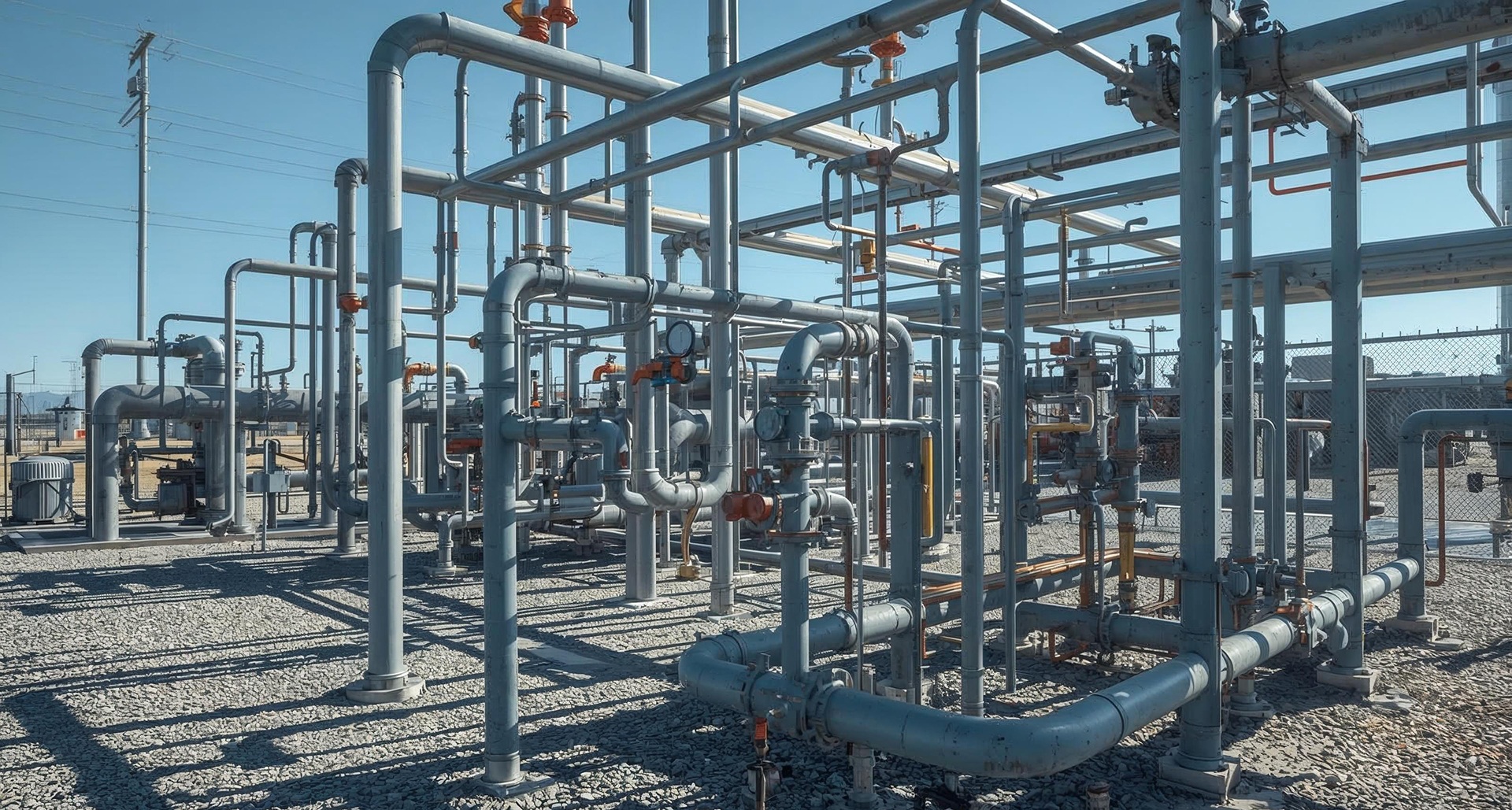
From standard shut-off dynamics to IoT-enabled, hydrogen-compatible autonomous safety systems.
As global gas infrastructure adapts to hydrogen fuel blends (ranging from H2 20% to 100% pure H2), traditional elastomer seals degrade under gas permeation. Our roadmap incorporates custom FFKM and NBR formulations designed specifically to handle hydrogen molecular diffusion without structural decay.
Next-generation solenoid systems include digital sensor integration to dynamically test coil insulation and mechanical actuation speeds. By running micro-stroke tests, our valves verify active performance metrics without shutting off the main supply lines, raising standard reliability protocols.
Traditional solenoids require high holding currents, generating thermal stress and reducing lifecycle expectations. Our energy-efficient hold circuits drop power requirements up to 70% once actuation is achieved, ensuring stable low-temperature performance in hazardous gas environments.
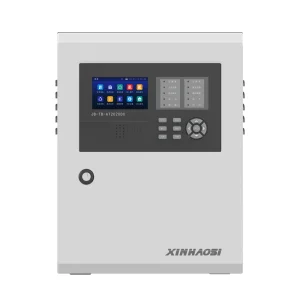
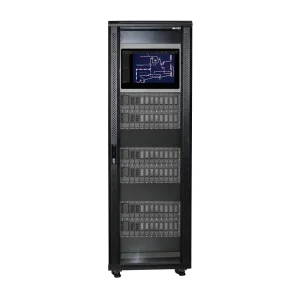
Integrating gas valves, intelligent controllers, and explosion-proof detection systems for multi-tier isolation.
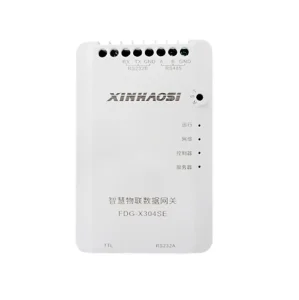
Modern city grids demand low-latency shutoff networks. Intercepting a high-pressure line during seismic activity or line failures requires heavy-duty gas valves capable of handling PN16 to PN25 pressures. Our OEM solutions integrate directly with smart metrology nodes, enabling automated remote valve trip operations through long-range communication networks (LoRaWAN / NB-IoT).
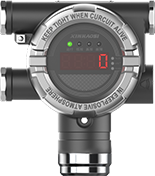
In environments where volatile organic compounds (VOCs) or combustible gases exist (such as refinery production floors), equipment must prevent potential spark generation. All components are Ex-d explosion-proof rated, preventing any internal electrical arc from propagating into the surrounding ambient workspace.
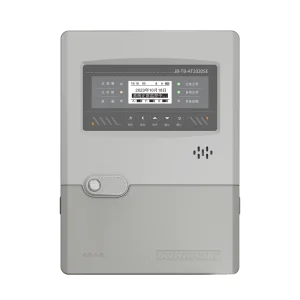
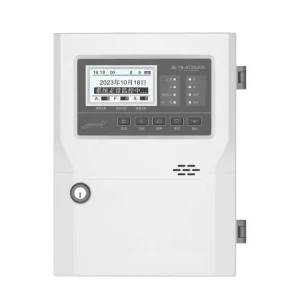
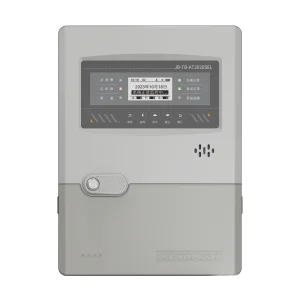
Commercial hospitality kitchens rely heavily on multi-sensor gas linkages. If a kitchen hood combustible sensor detects methane concentrations above 10% LEL, our gas controllers (such as the JB-TB-AT2020DX) immediately cut off the master solenoid valve supply, venting line volumes via exhaust pathways.

Future Ready

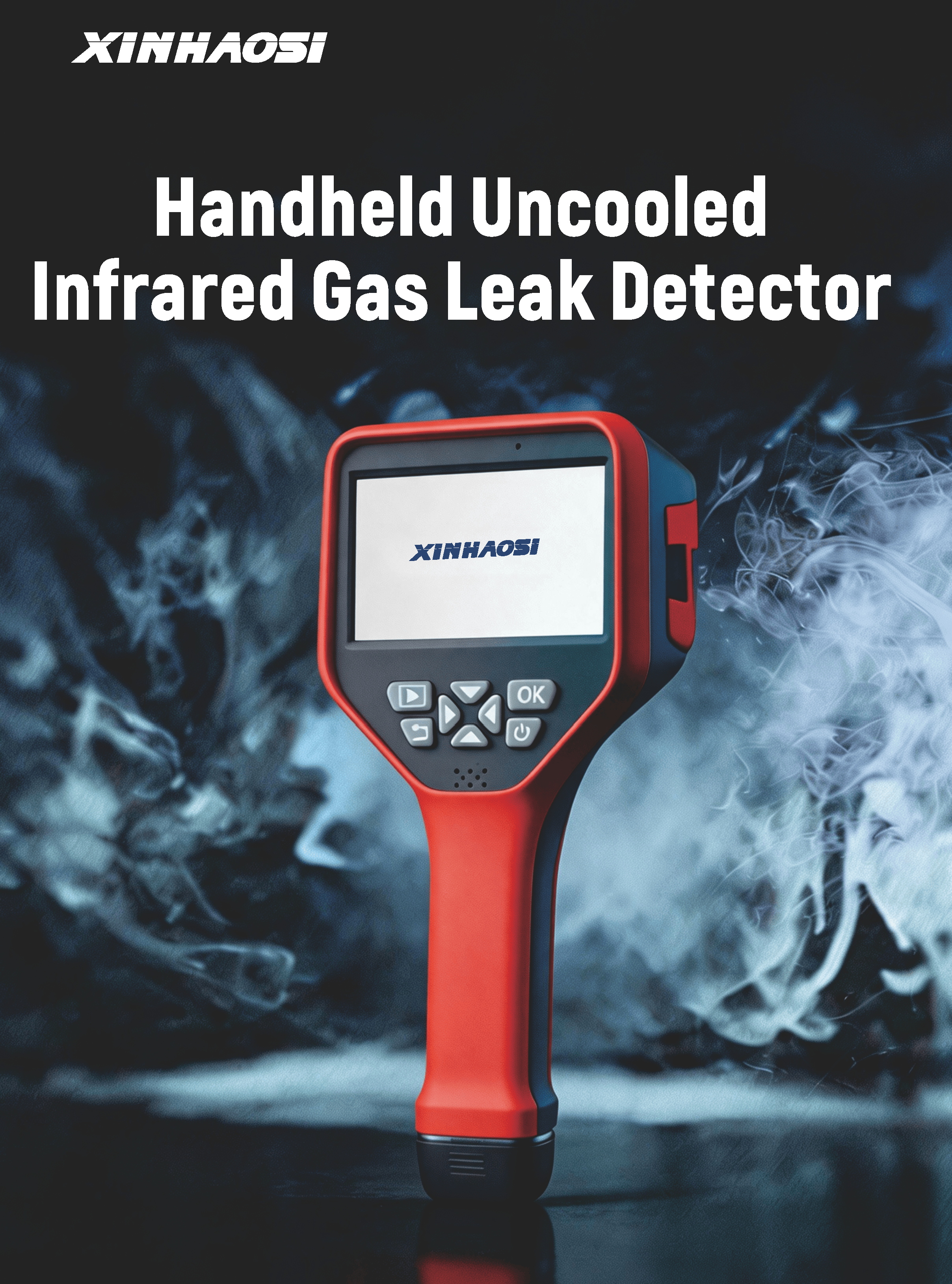
We utilize advanced electronic detection technology to make unknown gas leak risks clear and visible.
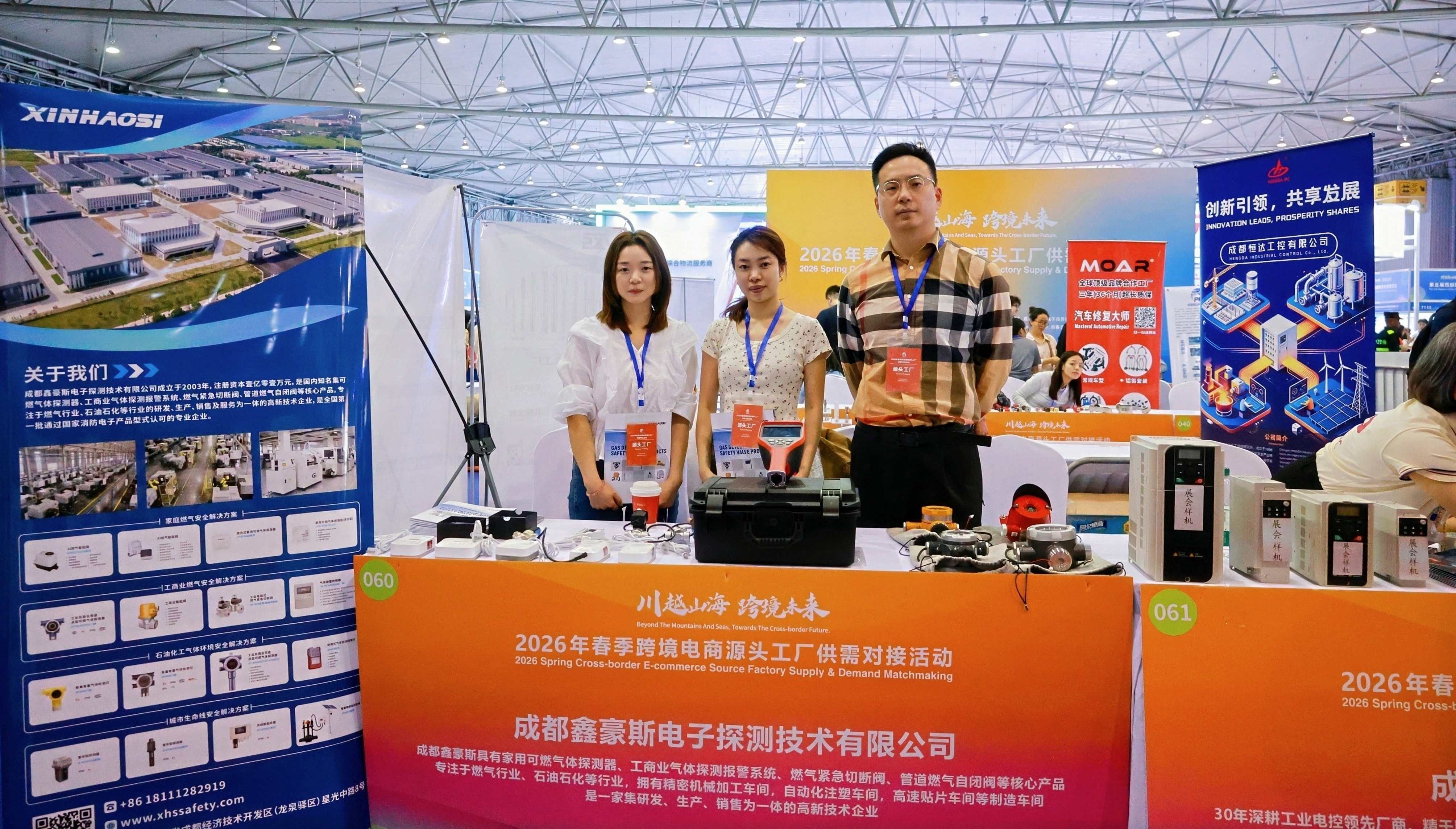
Founded in 2003, Xinhaosi is one of the most influential and reliable brands in gas safety industry. We provide customer-focused products and services to safeguard the safe operation of every factory, the comfort of every city, the peace and happiness of every home. Powered by cutting‑edge production systems and technology, we deliver more advanced, intuitive, and precise gas safety solutions for shaping a safer future world.
More About UsEmpowered by technology. Full-chain integration, Comprehensive protection, Shaping the future with intelligence.
Operating as an integrated OEM manufacturer in China, our facilities run on smart manufacturing principles. From automated coil winding machines that ensure perfect electrical resistance parameters, to robotic CNC milling of solid brass and aluminum alloy valve bodies, we achieve unmatched component reproducibility.
Every single gas solenoid valve manufactured undergoes 100% double-stage pressure decay leak testing. Our internal labs employ advanced optical emissions spectrometers to verify metallurgy composition, guaranteeing our valves meet international specifications under high stress.
For gas infrastructure components, meeting engineering standards guarantees legal and site safety.
Mandatory for components installed in explosive dust or vapor environments. Our explosion-proof solenoid enclosures are built to withstand high internal blast pressures without allowing sparks to cross outside the housing.
Defines the design, production, and testing requirements for automatic shut-off valves used in gas burners and gas appliances. Compliance guarantees high reliability over millions of operational cycles.
North American safety standards for electrically operated valves. Achieving compliance requires comprehensive dielectric withstand testing, overload performance verification, and environmental temperature rating verification.
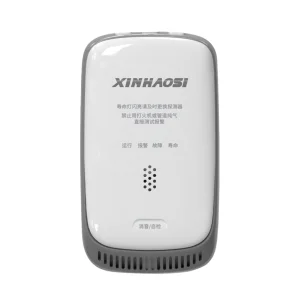
Premium residential and light commercial safety products engineered for reliable home environments.
Trusted by leading gas grid integrators and international solution providers.
























Stay tuned for the latest updates from Xinhaosi & the Industry.
Expert responses to critical engineering, installation, and procurement questions for engineering teams globally.
Direct-acting solenoid valves utilize the electromagnetic coil force to raise the seal disc directly off the orifice. They require zero operating pressure differentials to actuate, making them highly reliable for low-pressure systems. Pilot-operated valves, conversely, utilize system line pressure to assist in holding the main diaphragm open or closed. They require a minimum pressure differential (typically 0.3 to 0.5 bar) but are optimal for high-flow rate pipeline architectures.
Extreme temperatures degrade the internal copper winding insulation of the solenoids, potentially causing short circuits under continuous use. Elastomer seals also become brittle in cold environments (-20°C or below), increasing the risk of structural micro-leaks. As an experienced OEM manufacturer, we design low-temperature valves with FKM/PTFE seals and class H insulation coils rated up to 180°C to guarantee long-term stability.
Material Test Reports (MTRs) verify the chemical composition and physical properties of the metals used in valve construction. Traceability ensures that the body materials conform to international standards (like ASTM or EN). This prevents premature body corrosion, valve blowout failures under pressure spikes, and guarantees the valve can withstand mechanical stress in harsh conditions.
An ESD system is connected via an electrical loop to a central gas detector controller. Upon detection of combustible or toxic gases exceeding a programmed setpoint (e.g., 20% LEL), the controller interrupts the electrical current to a normally closed (NC) solenoid valve. De-energization of the solenoid triggers immediate physical line isolation, cutting off the gas supply at the source.