Industrial Whitepaper: The Evolution of Next-Generation Gas Sensing
Insights into engineering, compliance, and integration of natural gas sniffer technologies.
1. Core Sensor Technology and Architecture
Modern industrial and household gas detection requires ultra-fast, specific, and drift-free gas sensing. As a leading manufacturer, we combine catalytic combustion, electrochemical, and non-dispersive infrared (NDIR) detection methods. Catalytic elements provide reliable LEL (Lower Explosive Limit) detection for methane and propane, while electrochemical cells deliver accurate parts-per-million (PPM) readings for toxic components.
Our intelligent system controllers process analogue and digital signals with integrated microcontrollers, reducing false alarm rates to negligible levels and keeping your facilities safe under extreme temperatures.
2. Localization, Compliance, and Standards
Deploying gas safety systems globally requires absolute compliance with regional regulations. In North America and Europe, products must comply with UL1484, EN50194, ATEX, and IECEx directives for hazardous environments. In Asia and China, GB15322 guidelines dictate design parameters.
We work directly with international engineering firms to supply natural gas sniffers with localized certification documents. Our valves and detectors feature Modbus RTU, 4-20mA loop, and wireless LoRaWAN/NB-IoT options to integrate seamlessly into building management systems (BMS) and SCADA setups.
3. The Chinese Manufacturing Supply Chain Advantage
Based in the manufacturing hubs of China, we provide cost advantages, high production capacity, and strict quality control. Our facility features SMT surface-mount assembly lines, gas calibration chambers, and automated environmental testing systems.
By keeping raw material sourcing, PCB assembly, sensor calibration, and casing injection molding in-house, we can adjust production volumes dynamically while maintaining quality standards. This vertical integration allows us to supply cost-effective gas detectors and solenoid shut-off valves without compromising quality.
4. Global Procurement & Smart Customization
Enterprise procurement teams choose our OEM/ODM services because we offer custom solutions. We can adapt enclosure designs for specific IPs (such as IP66 or IP67), design custom firmware, modify alarms, and customize packaging.
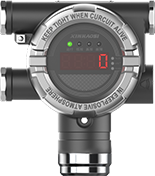
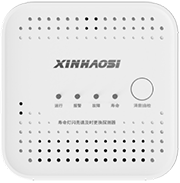
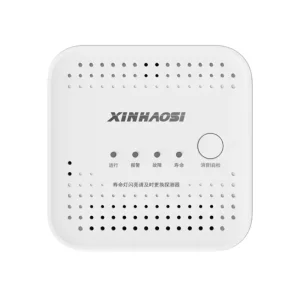
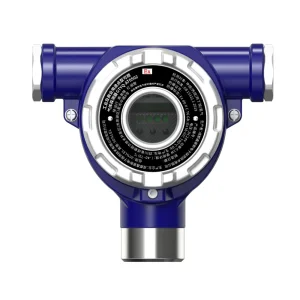
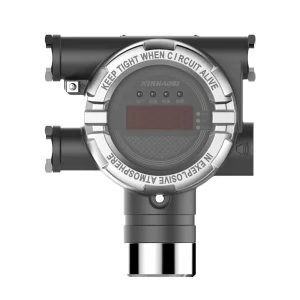
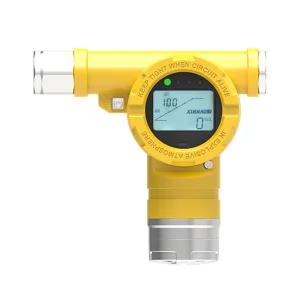
Whether you need custom household gas leak alarms for residential developments or explosion-proof detectors (like our GTQ series) for oil and gas installations, our R&D team provides comprehensive support from prototyping to final batch production.
X Represents the Unknown Risks X Represents the Next-Gen Safety Technology
Future Ready
We utilize advanced electronic detection technology to make unknown gas leak risks clear and visible.
Founded in 2003, Xinhaosi is one of the most influential and reliable brands in gas safety industry. We provide customer-focused products and services to safeguard the safe operation of every factory, the comfort of every city, the peace and happiness of every home. Powered by cutting-edge production systems and technology, we deliver more advanced, intuitive, and precise gas safety solutions for shaping a safer future world.
Global Market Penetration & Industry Growth Drivers
How intelligent gas sensing is changing compliance and operations across sectors.
Smart Cities & Urban Energy
Urban gas networks are changing. With smart cities adopting IoT technologies, standard gas leak alarms are evolving into network-connected nodes. By using low-power wide-area networks, our smart monitors run on dry batteries for years, transmitting pressure and gas concentration data back to central control systems to identify leaks before they cause hazards.
Commercial & Restaurant Safety
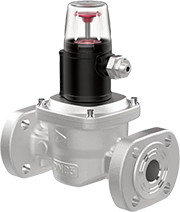
Commercial kitchens present high-risk environments due to heat and grease. Regulatory agencies globally mandate automated gas isolation valves tied directly to combustible gas detectors. Our fast-response solenoid valves automatically shut off fuel lines within seconds of alarm activation, preventing explosions in high-occupancy commercial structures.
Petrochemical & Refinery Integration
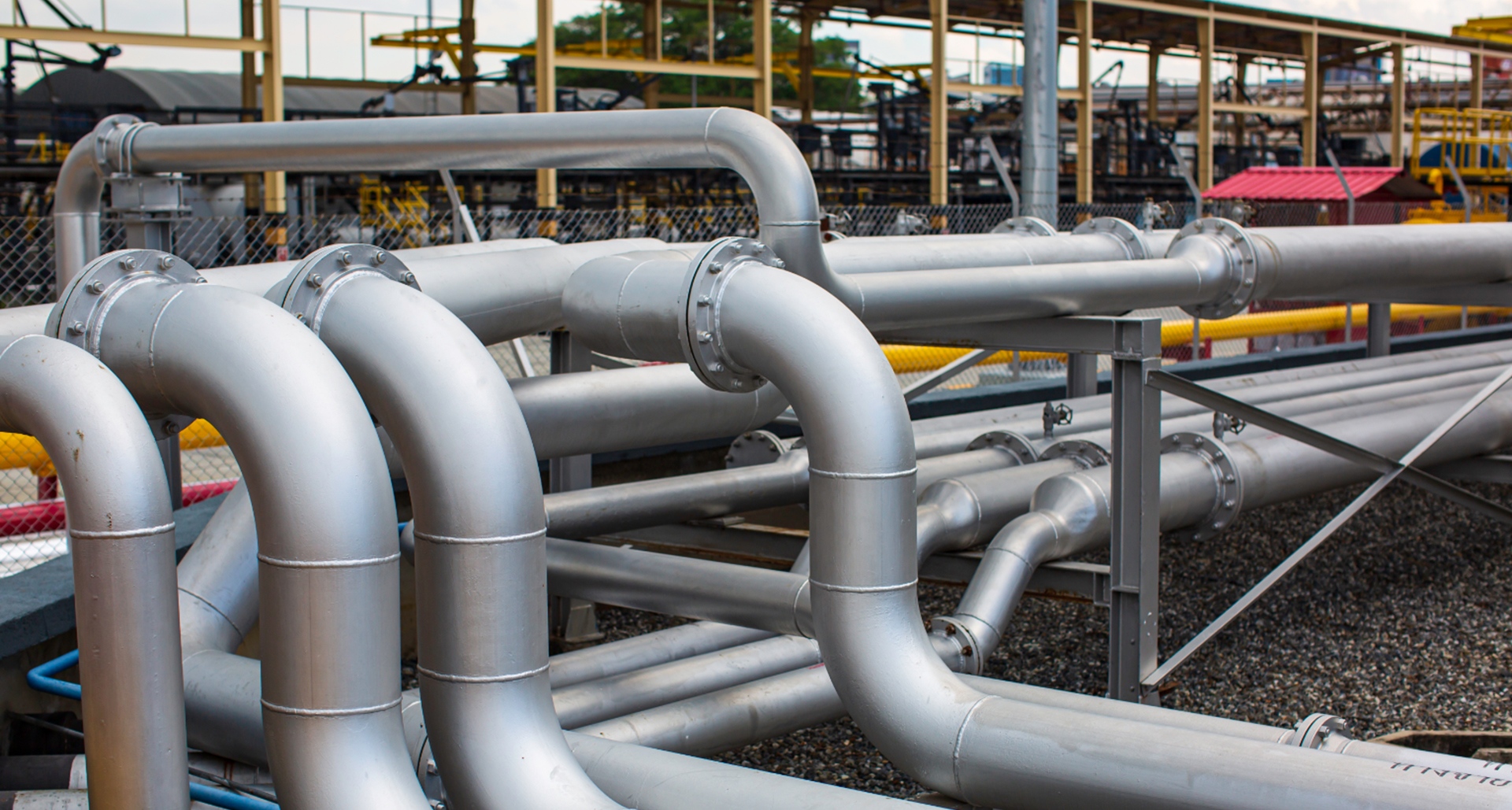
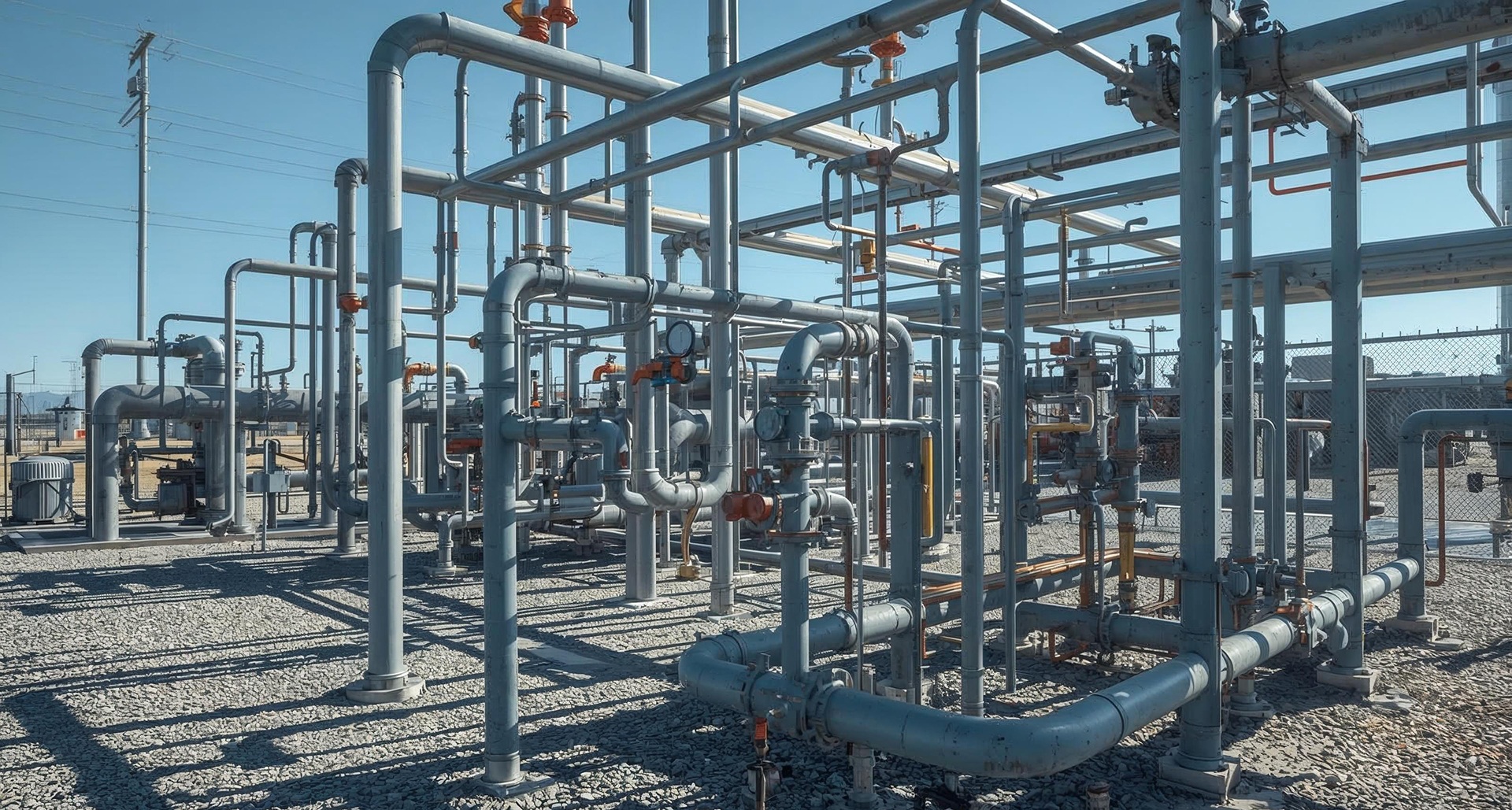
Refineries operate in hazardous atmospheres where explosive gases are common. In these settings, explosion-proof housings, SIL2 (Safety Integrity Level) ratings, and certifications are standard requirements. Our industrial range provides durable safety performance, monitoring volatile organic compounds (VOCs) and hydrocarbons in demanding ambient conditions.
20+
Years Experience
80+
Export Regions
10M+
Devices Installed
100%
Calibrated & Tested
Industry News & Innovation Updates
Stay tuned for the latest updates from Xinhaosi & the Industry.
May 09, 2026
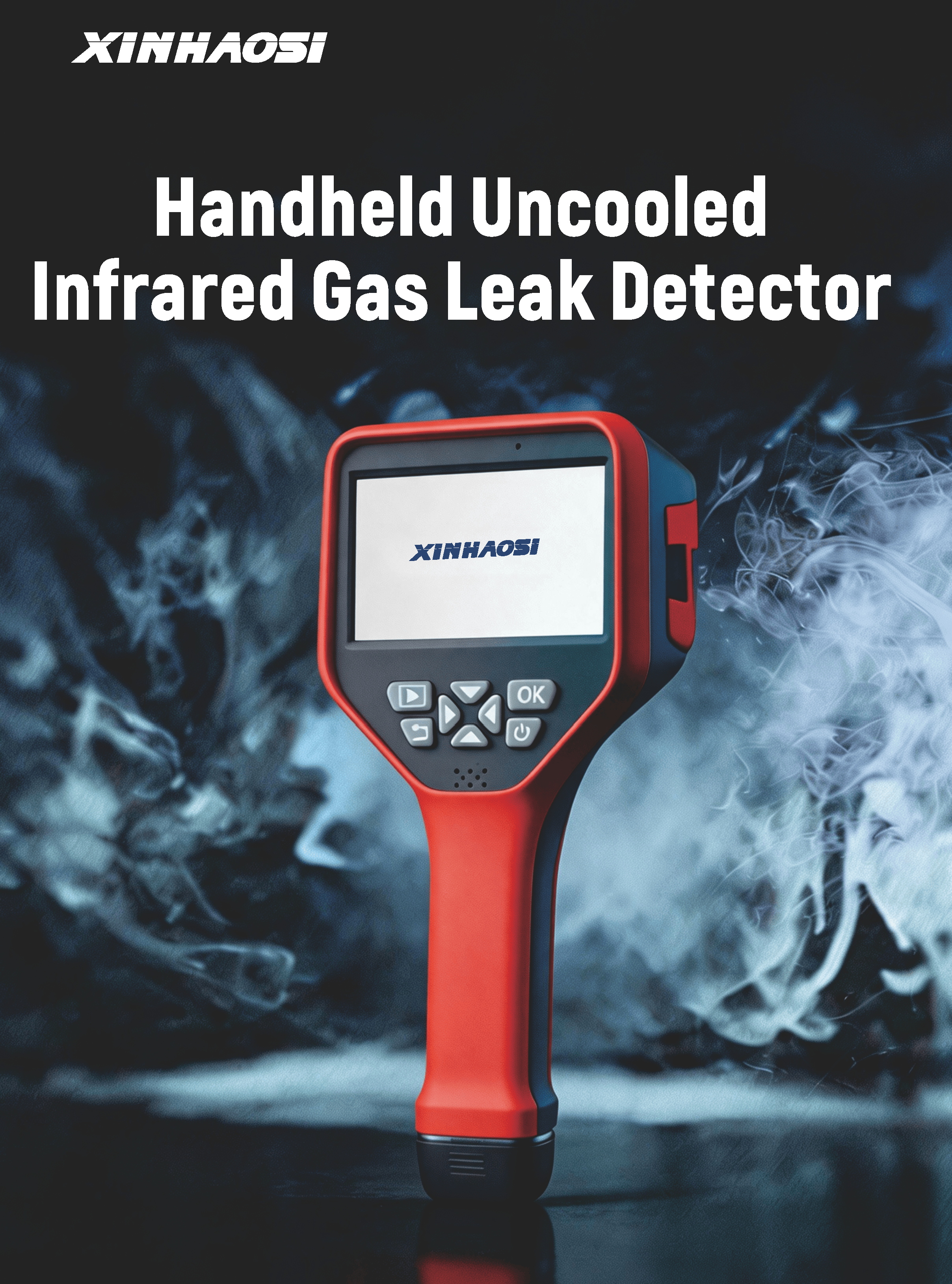
Xinhaosi Launches New Handheld Uncooled...
Xinhaosi Electronic Detection Technology Co., Ltd. officially launched its new Handheld Uncooled Infrared Gas Leak Detector, featuring dual-technology fusion, ultra-fast response, and long-distance non-contact detection to enhance safety and efficiency in petrochemical, refrigeration, natural gas and industrial safety scenarios.
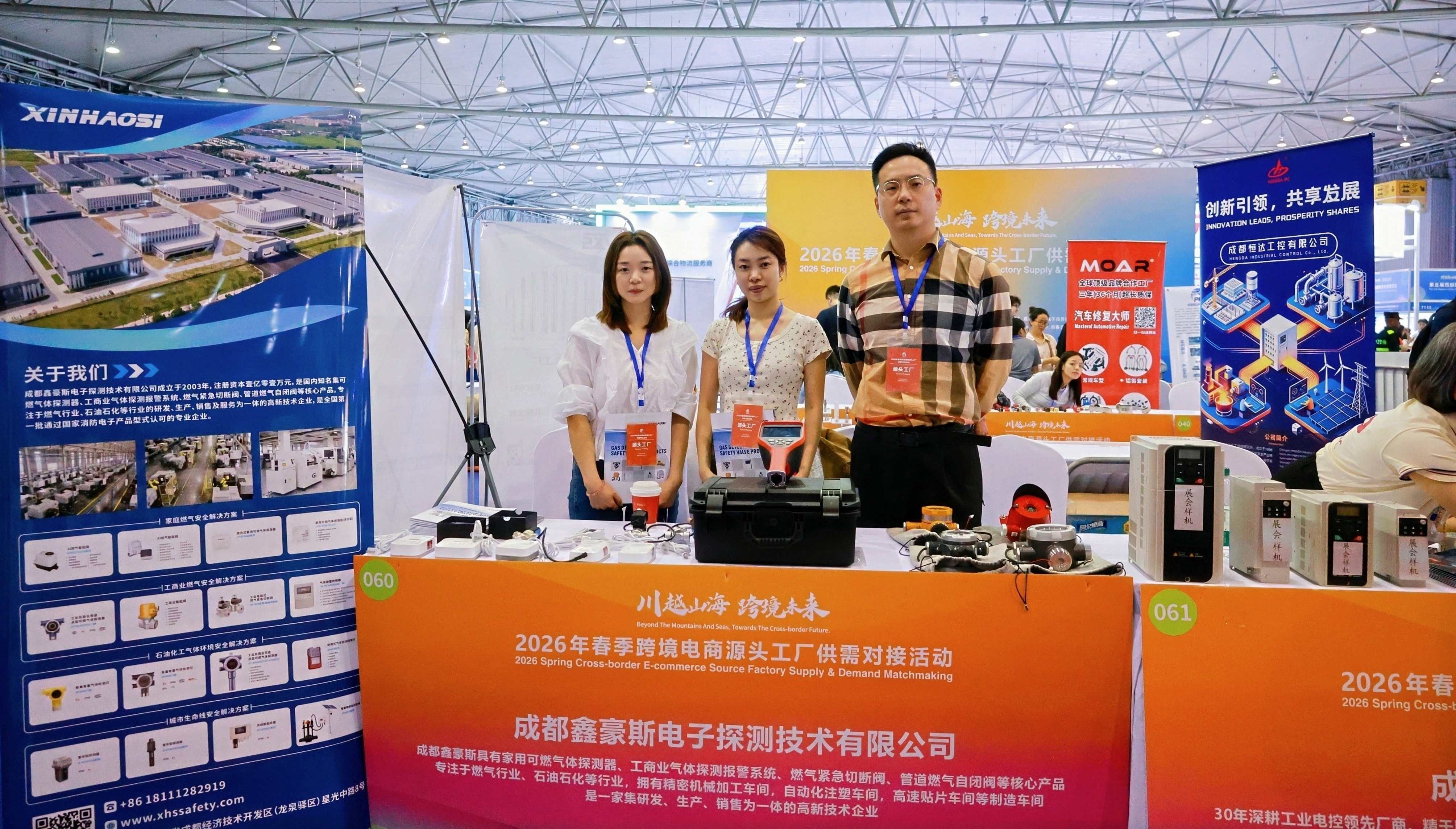
XINHAOSI recently participated in the 5th Western China Cross-Border E-Commerce Expo held in Chengdu. The event brought together cross-border e-commerce platforms, global buyers, manufacturers, and supply chain companies, creating new opportunities for international business cooperation and overseas market development.
XINHAOSI recently participated in the 2026 Sichuan (Chengdu) – Indonesia Industry Matchmaking Conference held in Chengdu. The event gathered enterprises and industry representatives from China and Indonesia to strengthen industrial cooperation and explore new business opportunities in Southeast Asia.
Professional answers to common questions about industrial natural gas leak detection, OEM configurations, and safety regulations.
Q1: What are the main sensor options for natural gas leak detection?
For natural gas (primarily methane, CH4), suppliers commonly offer three sensor types: Catalytic Combustion sensors for LEL ranges, Electrochemical sensors for target toxic gases, and Non-Dispersive Infrared (NDIR) sensors. NDIR sensors are highly precise, resist poisoning by chemicals like silicones, and offer long lifespans, making them ideal for challenging industrial environments.
Q2: How does a gas detector controller connect to other safety devices?
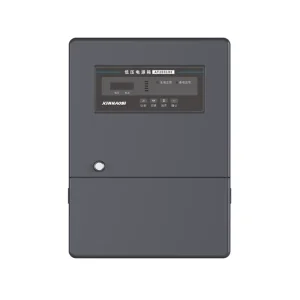
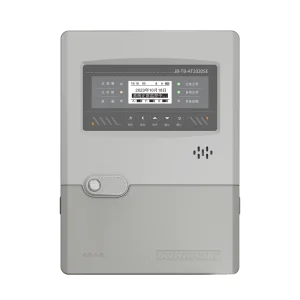
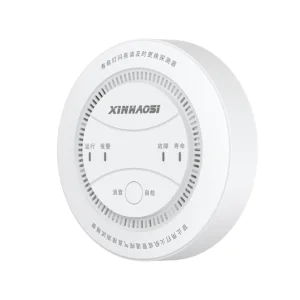
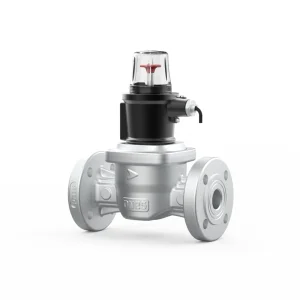
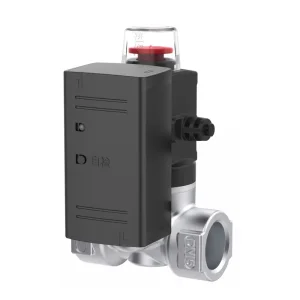
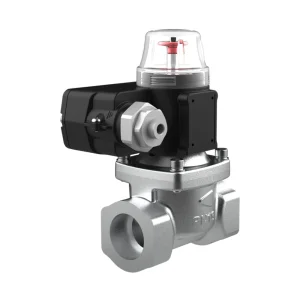
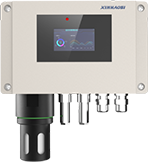
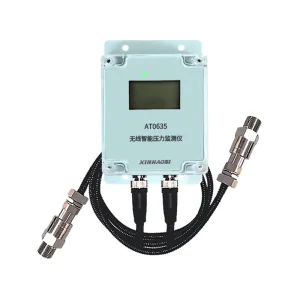
Our gas detector controllers, such as the JB-TB-AT2020SE, use wired and wireless communication systems. Wired options include standard 4-20mA current loops and RS485 Modbus protocols. Wireless integrations, like our AT0635 smart pressure monitor, utilize LoRaWAN, NB-IoT, or Zigbee to communicate with the main controller and automate shut-off valves like the XF3/XF5.
Q3: What certifications are required for exporting gas safety products to Europe and America?
For explosion-prone industrial areas, ATEX directives (Europe) and UL/CSA certifications (North America) are required to ensure the equipment is intrinsically safe. For household gas leak detectors, compliance with EN 50194 or UL 1484 is standard. Our manufacturing facility complies with these requirements and handles regional certification processes.
Q4: Can we request custom designs for our brand?
Yes, we provide full OEM and ODM services. This includes custom plastic enclosures, customized PCB layouts, customized firmware (to modify alarms or parameters), and custom packaging design to fit your brand identity.
Q5: How often should natural gas sniffers be calibrated?
For industrial safety, we recommend calibrating the sensors every six months to one year, depending on the environment. Household detectors are pre-calibrated and designed to operate for 5 to 7 years. Some models include end-of-life indicators to notify users when the sensor module needs replacement.
Explosion-Proof & Precision Input Devices
Explore our industrial-grade input devices, explosion-proof detectors, and high-precision monitoring tools designed for dangerous gas processing environments.
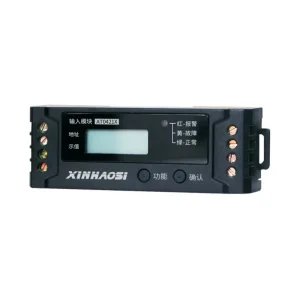
High-Quality China AT0421X Input Device - High-Quality Suppliers from Leading Factory for Enhanced Performance Supplier, Suppliers