OEM On Off Solenoid Valve Manufacturers & Manufacturer

Precision electromagnetic fluid control systems and critical gas safety shutdown solutions engineered for reliability, safety, and operational resilience worldwide.

X Represents the Unknown Risks, X Represents the Next-Gen Safety Technology

Founded in 2003, Xinhaosi has spent over two decades establishing itself as one of the most trusted and influential brands in the global gas safety and fluid control industry. We specialize in providing customer-focused, engineered solutions designed to protect critical operations, urban energy grids, and residential households.

By leveraging advanced electronic detection architectures and high-precision machinery, we transform unpredictable risks into highly manageable safety ecosystems. From intelligent gas detectors to reliable solenoid shut-off systems, we design the infrastructure that empowers industrial enterprises to operate securely and efficiently.

Safety First from Precision Sensing

Our complete alignment of automated safety control systems provides real-time monitoring and swift mechanical shut-offs to prevent system failures from becoming industrial disasters.

Xinhaosi Tech Interface

Comprehensive Product Ecosystem

Our target engineering segments address key aspects of fluid handling safety and commercial instrumentation.
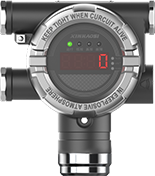
Industrial Gas & Flame Systems
Detection Systems

Industrial Gas & Flame

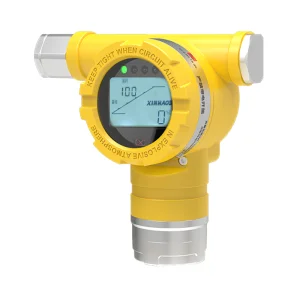
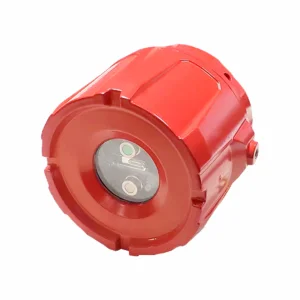
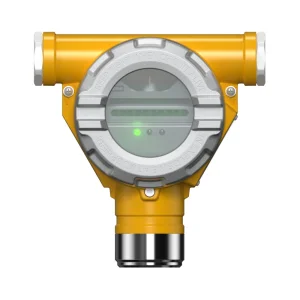
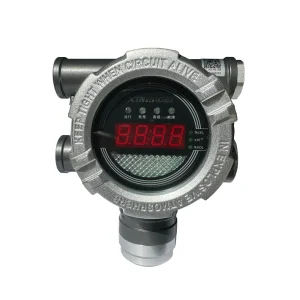
Highly rugged, explosion-proof detection systems designed for refineries, chemical plants, and severe heavy industries.
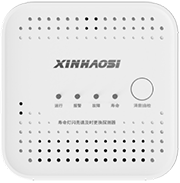
Household & Commercial Gas Detectors
Safety Monitors

Household & Commercial

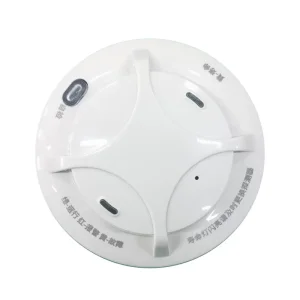
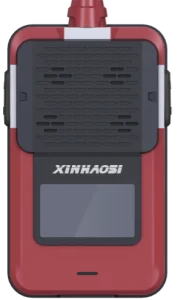
Precise detection nodes integrated with wireless capabilities and fast-acting local alarm logic.
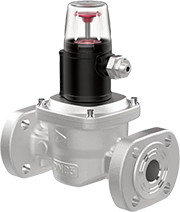
Industrial & Household Gas Solenoid Valves
Shutoff Valves

Solenoid Valves

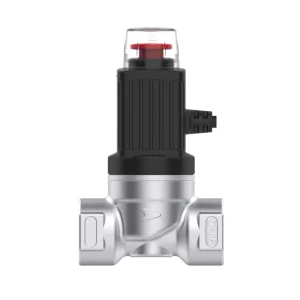
High-integrity on-off electromagnetic safety valves capable of immediate close down under pressure transients.
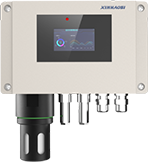
Urban Gas Distribution & Monitoring
Smart Sensing

Urban Gas Networks

Networked safety architecture for regional municipal lines, pipelines, and primary metering stations.

Whitepaper: Engineering On-Off Solenoid Valves for Industrial & Municipal Safety

A comprehensive technical brief on electromagnetic characteristics, structural dynamics, and integration with gas detection grids.

1. Technical Roadmap & Future Outlook of On-Off Solenoid Valves

In modern process safety automation, the design of electromagnetic fluid control instruments has evolved beyond simple coil excitation. Industrial solenoid valves operate under demanding conditions where valve seat seal integrity, dynamic response times, and coil energy optimization dictate system reliability. The fundamental technical path relies on three major engineering pillars:

  • Optimized Electromagnetic Circuit Dynamics: High-permeability core materials and precision copper coil windings minimize reluctance, allowing for high magnetic force margins. This ensures rapid actuation times (<0.5 seconds) even under maximum differential pressures.
  • Low Power Hold Coils & Dual-Stage Control: Transitioning from heavy pull-in currents to ultra-low holding currents decreases power dissipation. This reduces operating temperature and prolongs coil insulation life under 100% duty cycles.
  • Extreme Environmental Hardening: Solenoid valve bodies crafted from corrosion-resistant alloys (anodized aluminum, brass, or stainless steel) combined with advanced synthetic elastomer seals (FKM, NBR, EPDM) allow long-term operations in volatile chemical environments.

Looking to the future, the integration of digital field diagnostics (smart solenoids) will be the standard. Embedding self-testing loops, voltage drop monitors, and cycle-counter microprocessors within the coil enclosure enables diagnostic communications directly over fieldbus protocols. This allows predictive maintenance indicators, such as coil impedance changes or armature sticking, to be flagged before a critical system failure occurs.

Explosion-Proof Compliance & SIL-2/SIL-3 Capability

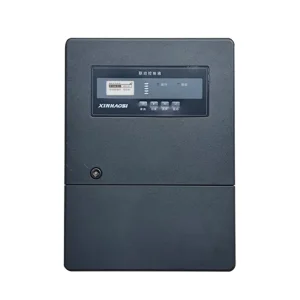
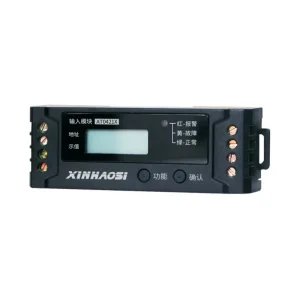
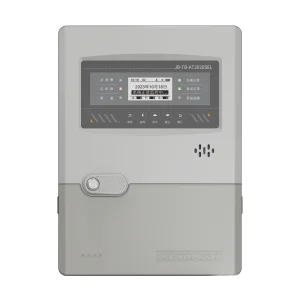
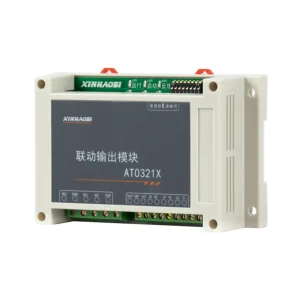
Our solenoid line aligns with functional safety design standards, ensuring that when an emergency shutdown (ESD) signal is triggered by interlock panels (such as the JB-MK-AT2041X), the mechanical system spring-returns safely to its default position.

2. Macro Industry Solutions: Safety Integration Across Sectors

On-off solenoid safety valves are key components in multi-barrier hazard mitigation networks. Rather than acting as standalone components, they serve as the final control elements in integrated safety systems:

  • Petrochemical & Processing Plants: Integrated with robust industrial gas detectors (such as the GTYQ-XP3000 or the GTYQ-AT0505), these safety valves function as automated emergency isolation gates. When hazardous hydrocarbon concentrations exceed safe thresholds, the control box drops power to the solenoid coil, triggering a bubble-tight process line shutdown.
  • Municipal & Commercial Gas Distribution: Under public infrastructure grids, safety shut-off systems must handle large volumetric flow rates. Large-bore flanged solenoid valves installed at primary regulator stations provide safe operation against over-pressurization or seismic events.
  • Smart HVAC and Commercial Boiler Facilities: In commercial boiler installations, solenoid valves manage the fuel input supply lines. Interlinked with local bus-type gas detectors (such as the JT-AT2004BII), these configurations prevent hazardous gas buildup by isolating the fuel supply line immediately during detection cycles.

3. China Factory 4.0: Supply Chain Resilience & Manufacturing Excellence

Xinhaosi's manufacturing plant integrates Industry 4.0 standards to maintain product quality and reliable supply chains:

  • Automated Production Lines: Our manufacturing plant uses automated coil winding machinery, high-speed CNC machining centers, and automated assembly equipment to ensure consistent product dimensions across production batches.
  • Rigorous Testing Protocols: Every safety solenoid valve undergoes testing for leakage, insulation resistance, and magnetic actuation pressure. High-vacuum helium leak detection ensures all valves meet zero-leakage compliance standards before shipment.
  • Material Supply Traceability: We maintain strong supply chain partnerships with premium raw material and alloy manufacturers, ensuring high-quality components. Real-time ERP tracking monitors raw material status from receipt through final assembly and delivery.

4. Global Procurement & Localization Standards

For international procurement managers and global engineering firms, specifying the right solenoid valve requires strict adherence to regional regulatory frameworks and operational variables:

  • Regulatory Certifications: Our solenoid valves meet ATEX, IECEx, UL, CE, and GB standards, allowing seamless integration into hazardous environments worldwide.
  • Customization Options (OEM/ODM): We configure solenoid coils to match global electrical standards (24VDC, 110VAC, 220VAC). We also customize valve bodies with specific thread connections (NPT, BSPT, Flanged) and pressure profiles to meet specific customer requirements.
  • Technical Support Services: Our engineering support teams assist with diagnostic evaluations, installation planning, and product maintenance. This reduces implementation timelines and supports operational reliability throughout the product lifecycle.
2003
Year Founded
10M+
Valves Installed
100%
Helium Leak Tested
50+
Countries Supported

Supported by Global Partners

Providing high-integrity industrial safety equipment in partnership with leading global institutions.

Industry Updates & News

Keep track of technological progress, product releases, and international exhibitions.
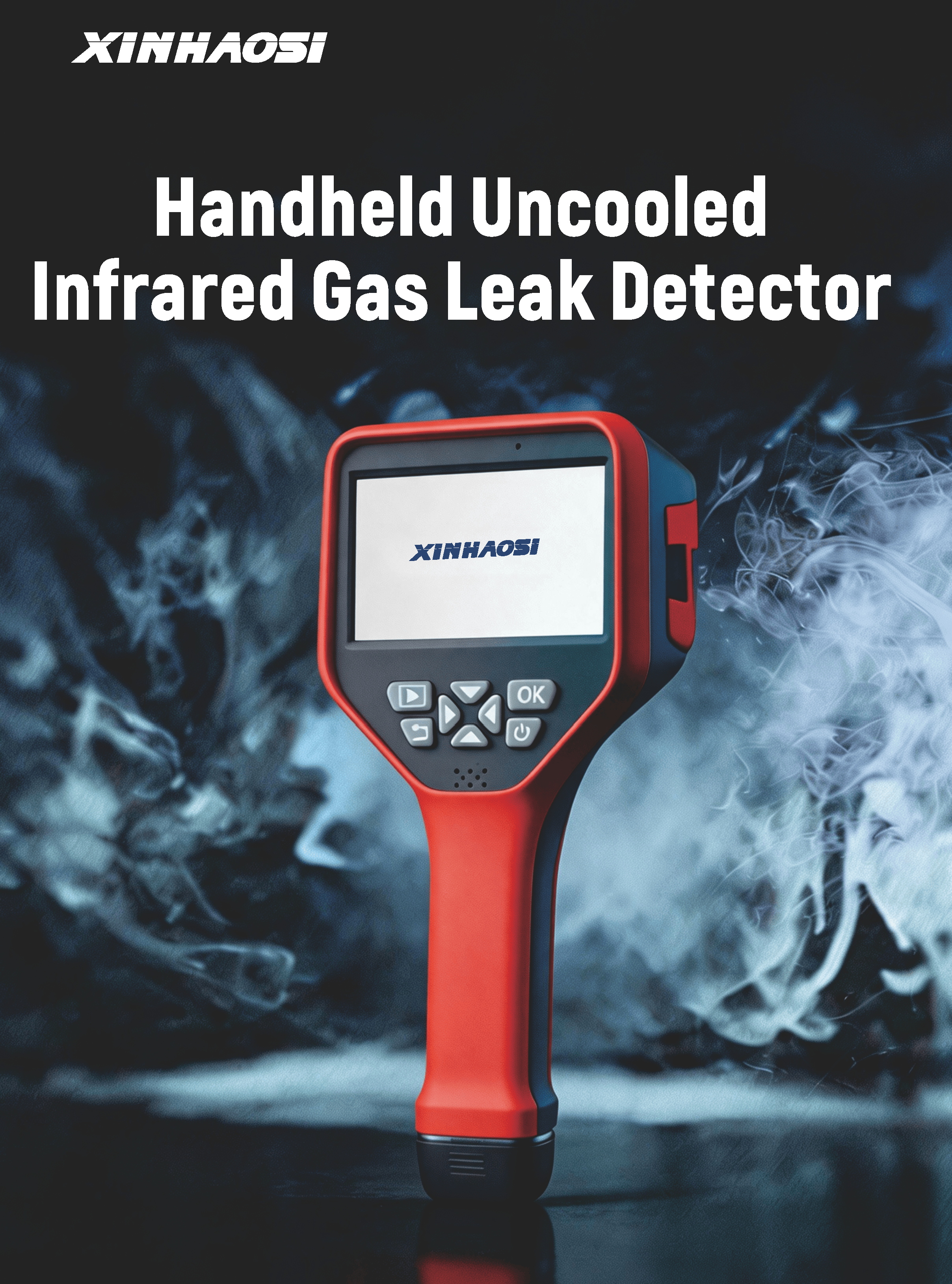
Xinhaosi Launches New Handheld Uncooled Infrared Gas Leak Detector
May 09, 2026

Xinhaosi Launches New Handheld Uncooled Infrared Gas Leak Detector

Featuring dual-technology fusion, rapid response times, and long-range non-contact detection to enhance safety in chemical production, industrial installations, and gas distribution utilities.
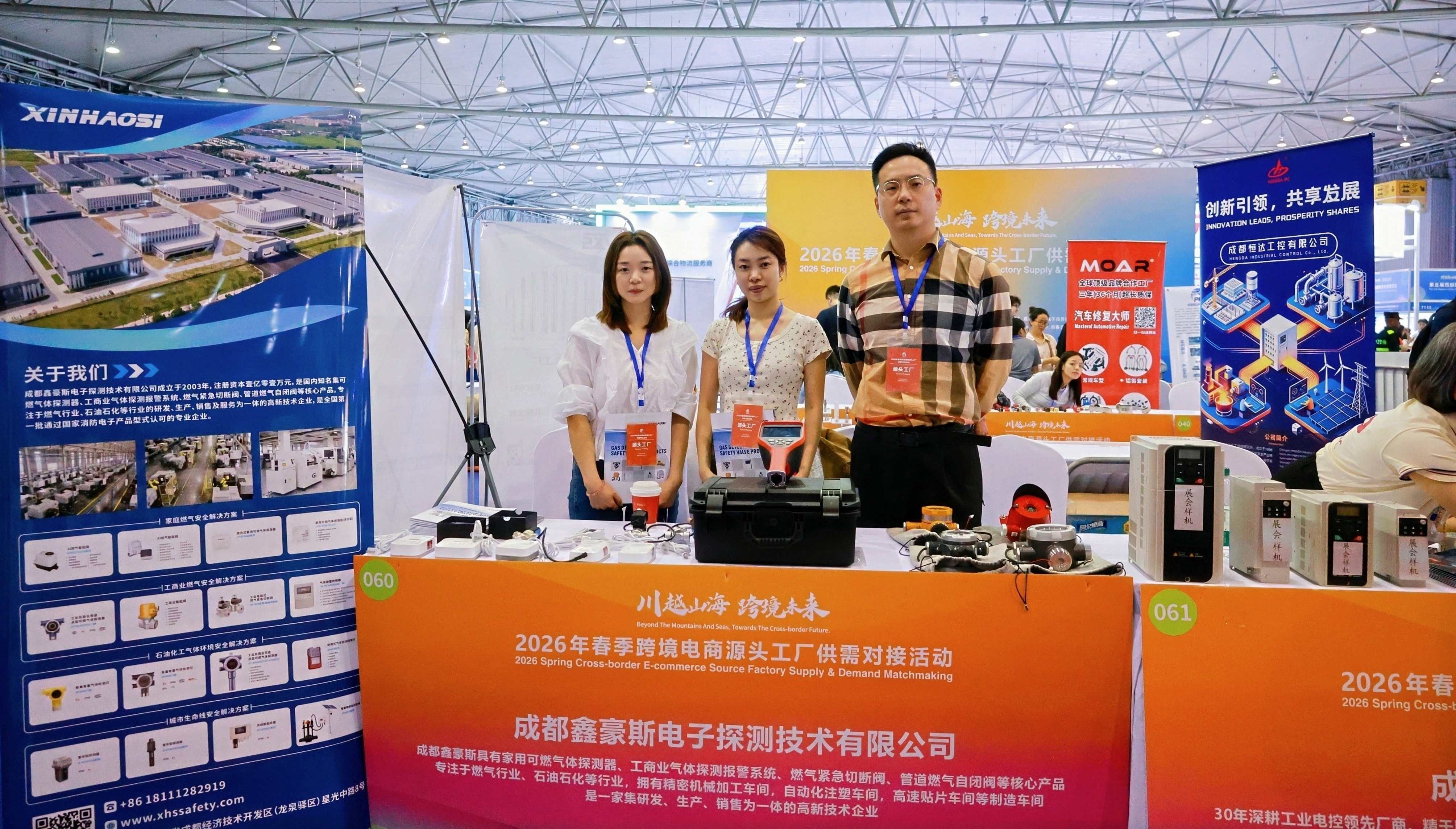
XINHAOSI Participates in Cross-Border Expo
May 08, 2026

XINHAOSI Participates in the 5th Western China Cross-Border E-Commerce Expo

Our team engaged with global buyers, international engineering groups, and supply chain partners in Chengdu to present our newest detection and fluid control systems.

XINHAOSI Participates in Matchmaking Conference
May 08, 2026

XINHAOSI Participates in 2026 Sichuan – Indonesia Industry Matchmaking

Exploring new partnerships and establishing local support channels in Southeast Asia to address growing industrial automation requirements.

Solenoid Valve Engineering: Frequently Asked Questions

Expert engineering insights regarding product selection, field wiring, standards compliance, and diagnostic troubleshooting.

What is the functional difference between direct-acting and pilot-operated safety solenoid valves?
Direct-acting valves use the magnetic force of the electromagnetic coil to pull the valve stem and seat seal directly, allowing them to operate at zero differential pressure. Pilot-operated valves use the line pressure of the medium to actuate the main diaphragm. They require a minimum operating pressure differential (typically 0.3 to 0.5 bar) to open and close, making them suitable for high-flow, large-diameter gas lines.
Which solenoid valve elastomer sealing materials should be selected for various gas compositions?
Elastomer choice depends on the composition of the medium and operating temperatures. Nitrile Rubber (NBR) is highly effective for standard natural gas, LPG, and methane applications within standard temperatures. For high-temperature conditions, chemical resistance, or lines containing condensate oil, Viton (FKM) is recommended to prevent chemical degradation and maintain long-term sealing performance.
How does the automatic shut-off valve interface with gas leak detection panels?
Our valves are designed to connect with interlock control panels (such as the JB-MK-AT2041X) or gas detection units. During standard operation, the control panel provides continuous holding power or stands ready to pulse output. When gas sensors detect concentrations exceeding preset thresholds, the internal relays trip, dropping power to the solenoid loop and triggering the spring-return mechanism to isolate the line.
What certifications are required for installing solenoid valves in hazardous environments?
Valves installed in atmospheres with combustible gases or dust must hold explosion-proof certifications. Standard certifications include ATEX (Europe), IECEx (International), and UL (North America). Our explosion-proof products feature Ex d or Ex mb enclosures, preventing internal electrical arcs from igniting the surrounding environment.
What are the key causes of solenoid valve failure, and how can they be avoided?
Common failures include coil burnout due to voltage fluctuations or poor heat dissipation, and particulate blockages under the valve seat preventing complete closure. To minimize these risks, we recommend using surge protection, installing inline filters upstream of the valve inlet, and using energy-saving holding coils to lower operating temperatures.
What are the differences between standard coils and energy-saving low-power coils?
Standard coils consume continuous full power to hold the armature in place, which generates heat over long cycles. Low-power energy-saving coils use an electronic circuit to deliver a high-energy initial pulse to actuate the valve, and then drop to a minimal holding current. This reduces energy consumption by up to 80% and limits thermal generation, extending coil life.
Do these safety solenoid valves support manual reset functionality?
Yes, many of our primary safety shut-off valves feature a manual reset design. Once an emergency shutdown is triggered, the valve closes and remains mechanically locked in the safe position. Even if electrical power is restored to the coil, the valve will not reopen until authorized field personnel inspect the site and pull the manual reset knob.
What customization services are available for OEM bulk procurement?
We provide comprehensive OEM customization, including custom coil voltage requirements, tailored lead lengths and connectors, custom body metals, specific thread standards (NPT, BSP, ISO), and custom brand labeling to support integration into your proprietary industrial systems.